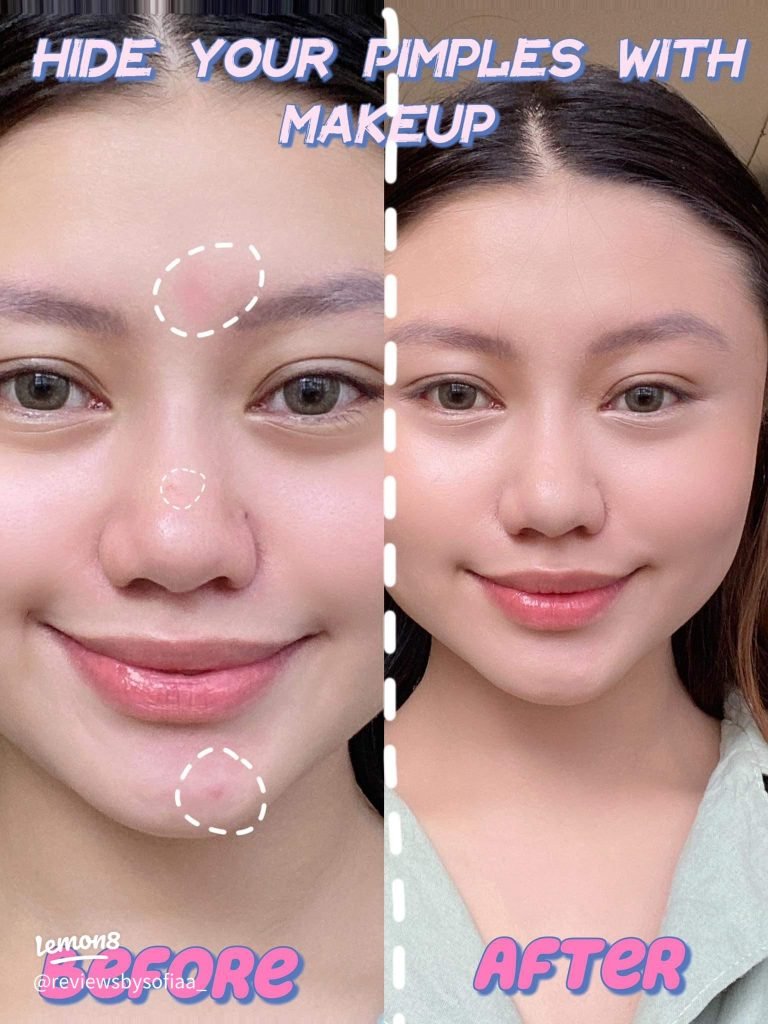
Ever wake up to find a bump on your skin that wasn’t there yesterday? You’re not alone.
Whether it’s an unexpected breakout or a stubborn blemish, bumps can be a real confidence buster. But here’s the good news: makeup can be your secret weapon to not only cover but also enhance your natural beauty. Imagine walking out the door with a flawless complexion, feeling like you can conquer anything.
Sounds great, right? Keep reading, and you’ll discover easy-to-follow techniques to effortlessly conceal those pesky bumps. You’ll learn which products work best, how to apply them, and even some insider tips that will make your skin look smooth and radiant. Ready to boost your beauty game and feel unstoppable? Let’s dive in!

Credit: www.youtube.com
Prepping Your Skin
Prepping your skin is the foundation for successfully covering up bumps with makeup. Without a smooth and hydrated base, makeup can cling to uneven texture and make bumps more noticeable. Taking a few moments to properly cleanse, moisturize, and prime your skin can transform how your makeup looks and lasts throughout the day.
Cleansing And Moisturizing
Start with a gentle cleanser to remove dirt, oil, and impurities that can clog pores and worsen bumps. Avoid harsh scrubs that may irritate your skin and make bumps redder or more inflamed.
After cleansing, apply a moisturizer suited to your skin type. Hydrated skin softens bumps, making them less raised and easier to cover. If you have oily skin, choose a lightweight, non-comedogenic moisturizer. For dry skin, go for a richer cream to lock in moisture.
Have you noticed how makeup applies differently when your skin feels dry versus well-moisturized? That difference is key to achieving a smooth finish.
Using A Primer For Smooth Base
A primer acts like a buffer between your skin and makeup. It fills in uneven textures and creates a smooth surface, helping foundation glide on evenly.
Look for primers that are silicone-based if your goal is to minimize bumps visually. These primers blur imperfections by filling in dips and bumps, giving your skin a soft-focus effect.
Applying primer only where bumps appear can save product and prevent your makeup from feeling heavy. Do you apply your primer all over or just on trouble spots? Experiment and see what works best for your skin.
Choosing The Right Products
Choosing the right makeup products is key to hiding bumps on your skin. The right products create a smooth, even surface. They help your makeup last longer and look natural. Focus on products that offer good coverage and blend well with your skin tone. Avoid heavy or thick formulas that can make bumps more visible.
Selecting A Full-coverage Concealer
Full-coverage concealers are perfect for covering bumps and blemishes. Look for a creamy texture that spreads easily without caking. Choose a shade that matches your skin tone exactly. Test the concealer on your jawline to see how well it blends. Use a small brush or fingertip to gently pat the concealer over bumps. Avoid rubbing, which can remove product and irritate skin.
Picking A Suitable Foundation Formula
Choose a foundation that matches your skin type. For oily skin, use a matte or oil-free formula. Dry skin benefits from hydrating or dewy foundations. Avoid heavy foundations that clog pores or settle into bumps. Lightweight, buildable formulas work best. Apply foundation with a damp sponge for smooth, even coverage. Blend well around the edges for a natural finish.
Application Techniques
Application techniques play a key role in covering up bumps with makeup. The right approach helps create a smooth, natural finish. Applying products carefully prevents drawing attention to the bumps. Using gentle, precise motions avoids irritating the skin further. Below are effective ways to apply makeup for a flawless look.
Spot Concealing Bumps
Spot concealing targets bumps directly. Use a small, clean brush or fingertip for accuracy. Dab a creamy concealer on the bump without rubbing. Let it sit for a few seconds to settle. Blend the edges softly to avoid harsh lines. This method hides bumps without covering large skin areas.
Blending With A Beauty Sponge
A damp beauty sponge helps blend makeup evenly. Press the sponge gently on the skin, bouncing lightly. Avoid dragging or wiping motions that lift product off. Use the sponge to blend around the bump, not over it. This technique smooths makeup and keeps texture invisible.
Layering Foundation Strategically
Layer foundation in thin, buildable amounts. Start with a light layer over the entire face. Add more foundation only on areas with bumps. Use a brush or sponge for controlled application. Blend each layer carefully before adding another. This approach balances coverage and natural skin texture.
Setting Your Makeup
Setting your makeup is the final key to keeping your coverage smooth and long-lasting, especially when you’re trying to conceal bumps. Without the right setting technique, makeup can settle into uneven textures and highlight what you want to hide. Let’s look at how to set your makeup effectively so your skin looks flawless all day.
Using Translucent Powder
Translucent powder is a must-have for locking your makeup in place without adding extra color or weight. Choose a finely milled powder that feels light on your skin. After applying your foundation and concealer, lightly dust the powder over the areas with bumps using a fluffy brush.
Press the powder gently instead of sweeping it to avoid disturbing your base. This technique helps to absorb excess oils and smooth out the appearance of texture. Have you noticed how some powders leave a white cast? Opt for one that blends invisibly into your skin tone.
Avoiding Cakey Finish
It’s easy to go overboard with powder when trying to cover bumps, but too much can create a cakey look that actually emphasizes texture. Instead, build your coverage gradually and use a small amount of powder. Focus on problem areas rather than applying it all over your face.
Using a damp beauty sponge to press powder into your skin can give a more natural finish. This method prevents excess powder buildup and keeps your makeup looking fresh. What if you find your skin feels dry after setting? Try mixing a hydrating mist into your routine to maintain a healthy glow without sacrificing coverage.
Additional Tips For Flawless Skin
Achieving flawless skin goes beyond just covering bumps. Small tricks can enhance your makeup look and make your skin appear smooth and radiant. These tips help create an even base and bring attention away from imperfections. Follow these easy steps for a polished finish.
Incorporating Color Correctors
Color correctors neutralize redness and discoloration on the skin. Use green corrector to cancel out red bumps or irritation. Apply a small amount only on the affected areas. Blend gently with a sponge or finger. This step creates a balanced canvas for foundation. It reduces the need for heavy coverage later.
Highlighting And Contouring Tricks
Highlighting draws light to your best features. Use a light, shimmery concealer on the high points of your face. Apply on cheekbones, brow bones, and the bridge of your nose. Contouring adds shadow and depth. Use a matte contour shade along the jawline and sides of the nose. These techniques create dimension and distract from bumps. Blend well to avoid harsh lines.
Credit: www.lemon8-app.com
Makeup Removal And Skin Care
After a long day of covering up bumps with makeup, removing it properly is just as important as applying it. How you take off your makeup can impact your skin’s health and how it looks the next day. Skipping this step or doing it harshly can cause irritation or worsen bumps.
Gentle Makeup Removal
Choose a remover that suits your skin type—whether it’s a micellar water, cleansing oil, or balm. These options dissolve makeup without aggressive rubbing. If you have sensitive skin, avoid wipes with alcohol or fragrances.
Use soft cotton pads or your fingertips to gently massage the remover on your face. Don’t scrub; let the product do the work. Have you noticed how quick and easy makeup removal feels when you’re gentle?
Post-makeup Skincare Routine
Once your makeup is off, cleanse your face with a mild, hydrating cleanser to remove any leftover residue. Follow this with a toner to balance your skin’s pH, especially if you used heavy or long-wear makeup.
Next, add a soothing serum or moisturizer that targets your skin’s needs. Ingredients like niacinamide or aloe vera can calm irritation and reduce redness. Do you pay attention to how your skin feels after removing makeup?
Remember, your skin repairs itself overnight. Giving it the right care after makeup removal helps prevent future bumps and keeps your skin smooth and healthy.
)
Credit: www.pulse.ng
Frequently Asked Questions
How Do I Hide Bumps With Makeup Effectively?
Use a primer to smooth skin texture first. Apply a full-coverage concealer on bumps. Blend gently and set with translucent powder for a flawless finish.
What Makeup Products Work Best For Covering Bumps?
Use a silicone-based primer and a thick, creamy concealer. Choose products with a matte finish to reduce shine and texture visibility.
Can Color Correctors Help Cover Up Skin Bumps?
Yes, green color correctors neutralize redness on bumps. Apply a small amount before concealer to even out skin tone effectively.
Should I Avoid Certain Makeup For Bumpy Skin?
Avoid heavy powders and matte foundations that can settle into bumps. Opt for lightweight, hydrating formulas that provide smooth coverage without emphasizing texture.
Conclusion
Covering bumps with makeup takes practice and patience. Choose the right products and apply them gently. Blend well to make the skin look smooth and even. Small steps can create a big difference in your look. Remember, makeup hides bumps but does not heal skin.
Take care of your skin daily for the best results. Confidence shines through when you feel good about your face. Keep trying different techniques until you find what works best. Your natural beauty will still show through the makeup.
