
Your makeup brushes hold more than just color—they trap oils, dirt, and bacteria that can harm your skin and ruin your look. If you want flawless makeup and healthy skin, knowing how to clean your makeup brushes properly is a must.
Imagine applying your favorite foundation with brushes that feel fresh and soft every time. In this guide, you’ll discover easy, effective steps to keep your brushes spotless and extend their life. Ready to transform your beauty routine? Let’s dive in!
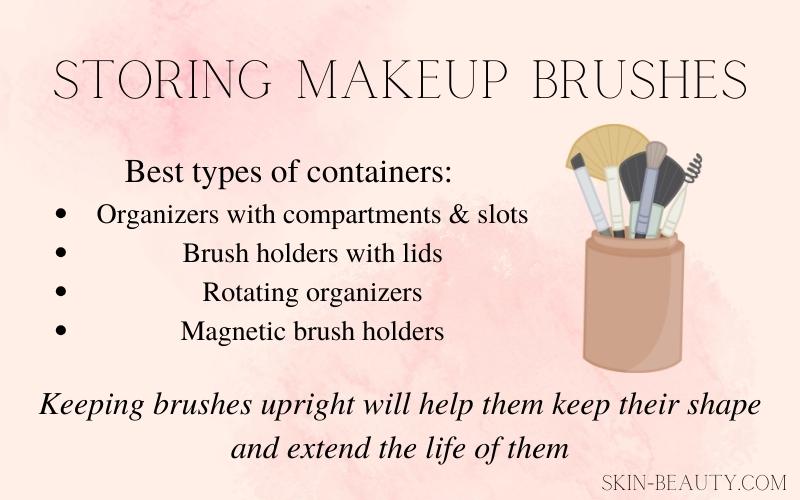
Credit: www.skin-beauty.com
Why Clean Brushes Matter
Clean makeup brushes are essential for healthy skin and flawless makeup. Dirty brushes carry oils, dirt, and bacteria. These can cause skin problems and spoil your look. Regular cleaning keeps brushes safe and ready to use. It also helps your makeup apply smoothly and last longer.
Preventing Breakouts
Old makeup, oils, and bacteria build up on brushes. This can clog pores and cause pimples. Cleaning brushes removes these harmful elements. It keeps your skin clear and reduces irritation. Clean brushes protect your skin from infections.
Extending Brush Life
Makeup brushes are an investment. Dirt and makeup residue can damage bristles. Clean brushes last longer and keep their shape. Proper care saves money by reducing the need to replace them often. Gentle washing helps maintain brush quality.
Maintaining Makeup Quality
Dirty brushes mix old makeup with new products. This changes colors and textures. Clean brushes give smooth and even application. They help your makeup look fresh and vibrant. Clean tools improve your overall makeup experience.

Credit: www.victoriagreen.com
Tools You Need
Cleaning your makeup brushes thoroughly requires the right tools. Having these at hand makes the process quicker and more effective. You’ll also protect your skin by ensuring no bacteria or leftover makeup remains on your brushes.
Brush Cleanser Options
You have several choices for cleaning your brushes. A gentle liquid brush cleanser specifically made for makeup brushes is a reliable pick. These are designed to break down makeup without damaging bristles.
If you prefer natural solutions, mild baby shampoo or gentle dish soap works well. I once switched to baby shampoo and noticed my brushes felt softer and cleaner after each wash. Just make sure the product is fragrance-free to avoid irritation.
Another option is solid brush cleansers, which come as bars. You rub your brush against the bar under water, and it lathers up to clean the bristles. These are super convenient if you want to avoid messy liquids.
Additional Supplies
Besides cleanser, you’ll need a few other supplies to clean your brushes properly. A bowl or cup to hold water and cleanser helps you soak and rinse brushes easily. Using lukewarm water is best—it loosens makeup without harming bristles.
A clean towel or microfiber cloth is essential for drying. After rinsing, gently press your brush on the towel to remove excess water. I recommend drying brushes flat or with the bristles hanging off the edge of a counter to keep their shape.
You might also want a silicone brush cleaning mat or glove. These have textured surfaces that help you scrub brushes deeply. These tools speed up cleaning and get rid of stubborn makeup residue better than fingers alone.
Daily Quick Cleaning
Keeping your makeup brushes clean every day can save you from skin breakouts and keep your makeup looking flawless. A quick daily clean helps remove surface oils and leftover makeup, preventing buildup before it becomes a bigger problem. It only takes a few minutes and can make a huge difference in your makeup routine.
Using A Brush Cleaner Spray
Brush cleaner sprays are designed for quick and effective cleaning. Just spray the cleaner directly onto the bristles, then gently wipe the brush on a clean tissue or cloth. This removes most of the residue without soaking the brush, so you can use it again immediately.
I once skipped daily cleaning and noticed my foundation looked patchy. After adding a quick spray clean every morning, my makeup applied smoother and my skin felt fresher. Could this simple step improve your makeup results too?
Wiping Techniques
How you wipe the brush matters. Use a soft cloth or paper towel and swipe the brush in one direction to avoid damaging the bristles. Avoid scrubbing harshly; gentle strokes are enough to lift off dirt and makeup.
Try this: after spraying your brush cleaner, wipe the brush in a circular motion on a microfiber cloth. You’ll see the dirt transfer immediately. This method extends your brush’s life and keeps it ready for flawless application.

Credit: coachglitter.com
Deep Cleaning Method
Deep cleaning your makeup brushes removes dirt, oil, and bacteria. It helps keep your skin healthy and your makeup flawless. This method goes beyond a quick rinse. It cleans deep inside the bristles where germs hide.
Use gentle cleansers to avoid damaging the brushes. Take your time to clean every part of the brush. The result is soft, fresh brushes ready for use.
Step-by-step Washing Guide
- Run the brush bristles under lukewarm water. Avoid the handle to prevent loosening glue.
- Apply a small amount of gentle soap or brush cleaner to your palm.
- Gently swirl the brush bristles in the soap. Work up a light lather.
- Rinse the bristles thoroughly under lukewarm water. Repeat if needed.
- Squeeze out excess water with a clean towel. Be gentle to keep bristles intact.
Drying Tips
- Reshape the bristles to their original form.
- Lay brushes flat on a clean towel. Avoid standing them upright.
- Keep brushes in a well-ventilated area to speed drying.
- Never use a hairdryer or direct heat. It can damage bristles.
- Allow brushes to dry completely before using them again.
Cleaning Different Brush Types
Different makeup brush types need different cleaning care to keep them in good shape. Using the right cleaning method helps the brushes last longer. It also keeps your skin safe from bacteria and dirt. Each brush material reacts differently to water and cleaning products. Knowing how to clean each type properly saves time and effort.
Synthetic Brushes
Synthetic brushes are made from man-made fibers. They are less fragile and dry quickly. Use gentle soap or brush cleaner with warm water. Rub the bristles softly in your palm or a cleaning mat. Avoid soaking the brush handle in water to prevent damage. Rinse until the water runs clear. Let the brush dry flat or with bristles pointing down.
Natural Hair Brushes
Natural hair brushes come from animal hair. They need extra care because they can get damaged easily. Use mild shampoo or special brush cleaner. Wet the bristles with lukewarm water only. Avoid getting water on the handle or ferrule (metal part). Gently massage the cleaner into the bristles. Rinse carefully with lukewarm water. Press the brush with a towel to remove excess water. Air dry flat in a cool, airy place.
Specialty Brushes
Specialty brushes include fan brushes, spoolies, and angled brushes. Clean them based on their material. Use mild soap and avoid harsh scrubbing. For spoolies, remove product buildup by twisting with soap and water. Fan brushes need gentle strokes to keep their shape. Angled brushes require careful cleaning along the edge. Always dry specialty brushes flat or hanging to keep their form intact.
How Often To Clean Brushes
Knowing how often to clean your makeup brushes is key to keeping your skin healthy and your makeup flawless. Brushes can collect oils, dirt, and bacteria that cause breakouts and dull application. But not every brush needs the same cleaning schedule—your routine depends on how often you use each one.
Daily Use Brushes
If you use certain brushes every day, like your foundation or concealer brush, clean them at least once a week. These brushes pick up the most product and come into direct contact with your skin, so bacteria buildup happens quickly.
Try a quick rinse and gentle soap wash every 3-4 days if you have sensitive or acne-prone skin. This keeps oils and dirt from clogging your pores without damaging the brush bristles.
Occasional Use Brushes
Brushes you use less often, such as those for special effects or bold eyeshadow looks, don’t need cleaning after every use. Washing them every two to three weeks usually works well.
Still, if you notice product buildup or your brush feels stiff, it’s time to clean it. Ask yourself: is your brush applying makeup smoothly, or is it patchy and uneven? That can be your cue to wash it sooner.
Common Mistakes To Avoid
Cleaning your makeup brushes is crucial for maintaining healthy skin and flawless makeup application. However, many people unknowingly make mistakes that can damage their brushes or even harm their skin. Avoiding these common errors will help you get the most out of your cleaning routine and keep your brushes in great shape.
Using Harsh Chemicals
Many assume that strong detergents or alcohol-based products are best for cleaning brushes. But harsh chemicals can break down the bristles, causing them to fall out or become rough.
Instead, opt for gentle soap or brush cleaners designed specifically for makeup tools. Have you ever noticed your brushes feeling stiff after a wash? That’s usually the result of harsh products stripping away natural oils.
Improper Drying
After washing, how you dry your brushes matters a lot. Leaving them upright allows water to seep into the ferrule (the metal part), which can loosen the glue and cause shedding.
Lay your brushes flat or with the bristles pointing downward to dry. This small change can extend the life of your brushes significantly.
Over-washing
It’s tempting to wash your brushes daily, especially if you use them often. However, washing too frequently can dry out the bristles and reduce their lifespan.
Aim to clean your brushes once or twice a week, depending on how often you use them. Isn’t it better to keep your brushes clean but also healthy?
Frequently Asked Questions
How Often Should I Clean My Makeup Brushes?
Clean your makeup brushes at least once a week. Frequent cleaning prevents bacteria buildup and skin irritation. For brushes used with liquid products, clean them more often to maintain hygiene and performance.
What Is The Best Way To Clean Makeup Brushes?
Use gentle soap or brush cleanser with lukewarm water. Swirl brushes in the solution, rinse thoroughly, and reshape bristles. Let them dry flat to maintain shape and avoid damage.
Can I Use Household Items To Clean Brushes?
Yes, mild dish soap or baby shampoo work well. Avoid harsh detergents as they can damage bristles. Always rinse brushes thoroughly to remove all soap residue.
How Long Does It Take For Brushes To Dry?
Brushes typically take 2 to 6 hours to dry completely. Dry them flat or bristles down to prevent water damage. Avoid using heat sources as they can ruin the brush shape.
Conclusion
Regular cleaning keeps makeup brushes fresh and effective. It’s simple and important. Clean brushes protect your skin from dirt and bacteria. Healthy skin, less breakouts. Enjoy smoother makeup application with clean tools. Make cleaning a habit. Stick to a weekly routine.
Your face will thank you. Happy skin means happy you. Remember, clean brushes last longer. Save money and time. A small effort, big impact. Keep your beauty tools clean. You’ll see the difference. Stay beautiful, stay healthy.
