
Are your makeup brushes looking dirty or feeling sticky? Cleaning them regularly is one of the easiest ways to keep your skin healthy and your makeup flawless.
But if you think washing brushes is a hassle or you’re not sure how to do it right, you’re not alone. Imagine having soft, fresh brushes every time you apply makeup—no breakouts, no smudges, just smooth, perfect results. In this guide, you’ll learn simple, step-by-step tips to clean your makeup brushes at home quickly and effectively.
Ready to refresh your beauty routine and protect your skin? Let’s dive in!
Credit: www.lemon8-app.com
Why Clean Makeup Brushes Matter
Keeping your makeup brushes clean is more important than many realize. Dirty brushes can harm your skin and ruin your makeup look. Understanding why clean brushes matter can motivate you to keep up with this simple but essential habit.
Preventing Skin Breakouts
Your brushes collect oil, dirt, and bacteria every time you use them. These impurities transfer to your skin and can clog pores, leading to breakouts and irritation. Imagine using a brush that hasn’t been cleaned for weeks—how much grime do you think is building up?
Regular cleaning helps keep your skin clear and healthy. It’s a small step that can make a big difference if you struggle with acne or sensitive skin.
Extending Brush Lifespan
Have you noticed your brushes shedding or losing their shape? Dirt and makeup residue can break down the bristles and weaken the glue holding them together. Cleaning removes buildup that causes damage over time.
Proper care means your brushes stay soft, effective, and last longer. This saves you money and avoids the hassle of constantly replacing tools.
Enhancing Makeup Application
Dirty brushes don’t apply makeup smoothly. Residue causes patchy or uneven coverage, making your makeup look less polished. Clean brushes blend products better, helping you achieve a flawless finish.
Think about your favorite eyeshadow or foundation—wouldn’t it apply better with a fresh, clean tool? Keeping brushes clean helps your makeup look its best every day.
Credit: www.bebeautiful.in
Tools Needed For Cleaning
Cleaning makeup brushes at home requires just a few simple tools. These items help remove dirt, oil, and makeup residue effectively. Using the right tools keeps your brushes soft and extends their life.
Mild Soap And Cleanser Options
Choose gentle soaps that do not dry out brush bristles. Baby shampoo works well because it cleans without harsh chemicals. Liquid castile soap is another good choice for deep cleaning.
Some prefer special brush cleansers made for makeup tools. These products remove buildup and kill bacteria safely. Avoid strong detergents or bar soaps that can damage brushes.
Water Temperature Tips
Use lukewarm water to rinse your brushes. Hot water can loosen glue inside the brush handle. Cold water may not clean away oils and makeup fully.
Keep the water temperature comfortable to protect bristles. Test water on your wrist before rinsing brushes.
Additional Cleaning Aids
A silicone cleaning mat or pad with small bumps helps scrub brushes. These tools make cleaning quicker and more thorough. You can find them online or in beauty stores.
Use a clean towel to dry brushes after washing. Avoid drying brushes upright to prevent water from seeping into the handle. A brush holder or laying flat works best.
Step-by-step Cleaning Process
Cleaning your makeup brushes properly is key to keeping your skin healthy and your makeup flawless. The process might seem tedious, but breaking it down into clear steps makes it manageable and even satisfying. Here’s how you can clean your brushes at home with care and precision.
Removing Excess Makeup
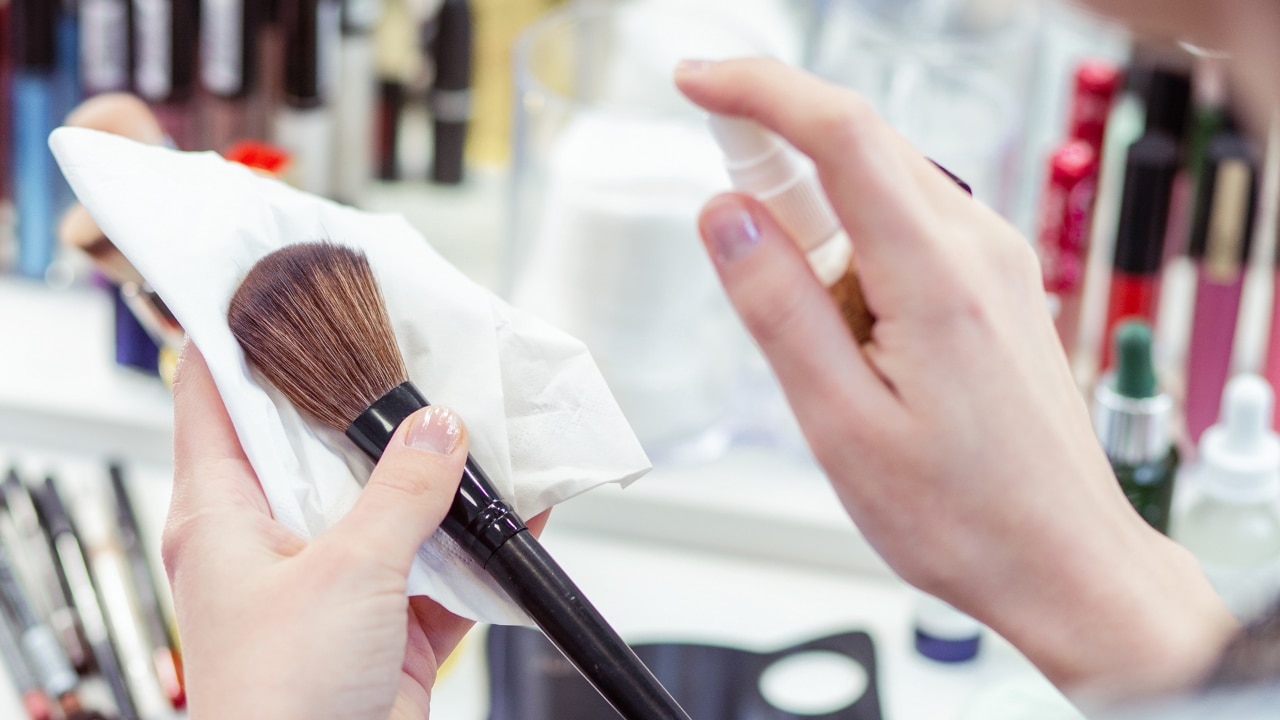
Start by wiping off any leftover makeup from your brushes. Use a clean tissue or a paper towel to gently press and swirl the brush, removing as much product as possible.
This step prevents makeup buildup from mixing with water and soap, which can make cleaning less effective. Have you noticed how much easier washing is when you do this first?
Washing Brushes Gently
Choose a gentle soap or brush cleaner—baby shampoo works well if you don’t have a specialized product. Add a small amount to your palm or a cleaning mat.
Swirl the brush bristles lightly in the soap, avoiding the handle to keep it from loosening. Gentle motion protects the shape and softness of your brushes, which you’ll want to maintain.
Rinsing Thoroughly
Rinse your brush under lukewarm water, pointing the bristles downward to avoid water seeping into the handle. Keep rinsing until the water runs clear and no soap remains.
It might take a few passes, but removing all soap is crucial to prevent residue buildup on your skin later. Have you ever felt irritation after using a brush that wasn’t rinsed well?
Drying And Reshaping
After rinsing, gently squeeze out excess water with a clean towel. Reshape the bristles to their original form before laying the brush flat to dry.
Positioning brushes horizontally or with bristles hanging off a counter edge helps maintain their shape and avoids water damage. Remember, drying your brushes properly extends their life and keeps your application flawless.
How Often To Clean Different Brushes
Knowing how often to clean your makeup brushes can save you from breakouts and keep your application flawless. Different brushes need different care depending on how often you use them and what products you apply with them. Let’s break down the cleaning schedule based on the type of brush to help you stay on top of your beauty routine.
Daily Use Brushes
Brushes you use every day, like foundation and concealer brushes, collect oils and bacteria quickly. These should be cleaned at least once a week to prevent clogged pores and uneven makeup. If you have sensitive skin, consider wiping them down with a brush cleanser after each use.
Occasional Use Brushes
Brushes for eyeshadow or blush often don’t get used every day but still need regular cleaning to maintain color accuracy. Clean these every two weeks or whenever you switch between dark and light colors to avoid muddy blends. It’s easy to forget these brushes, but keeping them clean ensures your makeup stays vibrant.
Specialty Brushes
Specialty brushes, like those for lip color or eyeliner, contact only small product amounts but still need attention. Clean these monthly or whenever you notice product buildup. Because they’re smaller, a quick rinse and gentle soap usually do the trick without damaging their shape.
Tips For Maintaining Clean Brushes
Keeping makeup brushes clean is key for flawless makeup and healthy skin. Proper care helps brushes last longer and perform better. Small daily habits can make a big difference in maintaining clean brushes.
Using Brush Guards
Brush guards protect bristles from damage during drying and storage. They keep the shape of your brushes intact. Using brush guards also helps brushes dry faster and more evenly. This prevents bacteria buildup and keeps brushes soft.
Proper Storage Solutions
Store brushes upright in a clean container or holder. Avoid tossing brushes loosely in a drawer. Keep brushes away from dust and moisture. Separate clean brushes from used ones to avoid contamination. A clean, dry place extends brush life and keeps them ready to use.
Avoiding Common Mistakes
- Don’t soak brushes fully in water; it weakens glue.
- Avoid harsh soaps that dry out bristles.
- Never share brushes with others to prevent germs.
- Don’t skip drying; wet brushes breed bacteria.
- Avoid using brushes on broken or irritated skin.
Diy Natural Brush Cleaners
Cleaning your makeup brushes doesn’t have to involve harsh chemicals or expensive products. Natural ingredients you already have at home can effectively remove makeup residue and oils from your brushes. These DIY natural brush cleaners are gentle on your tools and skin, making them a smart and safe choice.
Olive Oil And Soap Mix
Mixing olive oil with a gentle soap creates a powerful cleaner that dissolves stubborn makeup while conditioning your brush bristles. Olive oil softens the bristles, preventing them from drying out or becoming brittle over time.
Use equal parts of olive oil and dish soap or baby shampoo. Swirl your brush in the mixture, rinse with lukewarm water, and repeat if necessary. Have you noticed how brushes feel smoother after this treatment?
Vinegar Solutions
White vinegar acts as a natural disinfectant and removes bacteria from your brushes. It also helps break down makeup build-up without damaging the bristles.
Mix one part white vinegar with two parts water. Soak your brushes for a few minutes, then rinse thoroughly with water. Do you find that vinegar leaves your brushes smelling fresh and clean?
Essential Oils Benefits
Adding a few drops of essential oils like tea tree or lavender enhances your brush cleaning routine. These oils offer antimicrobial properties that help keep your brushes hygienic.
Combine your chosen essential oil with water or your olive oil and soap mix for a pleasant scent and extra cleansing power. Have you tried essential oils in your cleaning routine to boost freshness?

Credit: creatingmaryshome.com
Frequently Asked Questions
How Often Should I Clean My Makeup Brushes?
You should clean your makeup brushes once a week. Regular cleaning removes bacteria, dirt, and makeup residue. This prevents skin breakouts and keeps brushes in good condition. Weekly cleaning also ensures better makeup application and extends brush lifespan.
What Household Items Can I Use To Clean Brushes?
You can use mild soap, baby shampoo, or olive oil. These are gentle and effective for removing makeup. Avoid harsh chemicals that damage bristles. Warm water helps loosen dirt. Always rinse thoroughly and dry brushes properly.
Can I Dry Makeup Brushes Naturally At Home?
Yes, drying brushes naturally is best. After washing, gently squeeze out excess water. Lay brushes flat on a clean towel, bristles hanging off edges. Avoid upright drying to prevent water from loosening glue. Air drying maintains brush shape and durability.
Why Is Cleaning Makeup Brushes Important For Skin Health?
Cleaning removes bacteria and oil buildup from brushes. Dirty brushes can cause acne, irritation, and infections. Clean brushes ensure hygienic makeup application. This reduces the risk of skin problems and keeps your complexion clear and healthy.
Conclusion
Keeping makeup brushes clean is simple and essential. Regular cleaning prevents bacteria buildup. It also helps maintain smooth application. Use gentle soap and lukewarm water. This keeps bristles soft and effective. Dry brushes completely before reuse. This avoids any damage.
Make it a monthly habit. Your skin will thank you. Clean brushes mean healthy skin. Enjoy the benefits of a simple routine. Your face deserves the best care. Happy cleaning!
