Have you ever wondered why your makeup doesn’t look as flawless as it used to? The secret might be hiding in your makeup brushes.
Over time, these essential tools can accumulate dirt, oil, and bacteria, affecting not only your makeup application but also your skin health. If you’re like most makeup enthusiasts, you might be guilty of neglecting this crucial part of your beauty routine.
But worry not, because mastering the art of cleaning your makeup brushes is simpler than you think—and the results can be transformative. Imagine gliding on your foundation effortlessly, with each stroke leaving your skin looking radiant and smooth. By learning how to properly clean your makeup brushes, you can enhance your beauty routine and ensure your skin stays clear and vibrant. In this guide, you’ll discover easy, effective ways to clean your brushes, extending their lifespan and improving your makeup game. Don’t miss out on these tips that can make a world of difference to your beauty regimen. Let’s dive in and unlock the secrets to cleaner, healthier makeup application.
Why Clean Brushes Matter
Keeping your makeup brushes clean isn’t just about hygiene—it directly impacts your skin health, the lifespan of your tools, and how your makeup looks. Dirty brushes hold onto old makeup, oils, and bacteria, which can cause problems you might not immediately connect to your beauty routine. Understanding why clean brushes matter can change how you care for them and improve your daily makeup experience.
Preventing Skin Issues
Think about how often your brushes touch your face. If they’re dirty, they transfer bacteria and oils back onto your skin. This can lead to clogged pores, breakouts, and irritation.
Cleaning your brushes regularly reduces the risk of these skin problems. It’s a simple step that protects your skin’s health and keeps your complexion clearer.
Extending Brush Life
Have you ever noticed your brushes shedding or losing their shape? Makeup residue and oils build up in the bristles, causing damage over time.
Cleaning brushes keeps them soft and flexible, preventing bristle breakage. You save money by not having to replace them as often, making your beauty routine more sustainable.
Improving Makeup Application
Dirty brushes can ruin your makeup look by mixing old colors or causing patchy application. Clean brushes pick up and blend products evenly, giving you a flawless finish.
When your brushes are clean, your makeup looks smoother and lasts longer. Have you ever noticed how fresh tools make your makeup feel like it’s professionally done?
Credit: www.lemon8-app.com
Tools Needed
Cleaning your makeup brushes properly starts with having the right tools at hand. Without the appropriate supplies, the process can feel frustrating and less effective. Gathering everything you need before you begin will save time and ensure your brushes get thoroughly cleaned.
Brush Cleanser Options
You don’t have to spend a fortune on specialized brush cleansers. Many gentle options work well to remove makeup, oils, and bacteria from your brushes.
- Liquid brush cleansers:These are formulated specifically for brushes and break down makeup quickly. They often contain antibacterial agents, making them a safe choice.
- Mild shampoo or baby shampoo:A gentle shampoo can clean brushes without damaging the bristles. It’s an easy and affordable alternative.
- Micellar water:This can act as a gentle cleanser, especially for synthetic brushes. It’s great if you prefer a quick wipe-down between deep cleans.
Other Essential Supplies
Beyond cleansers, a few other tools make brush cleaning easier and more effective. These items help you clean thoroughly and speed up drying time.
- A bowl or cup:Use this to hold your cleanser solution and to soak brushes if needed.
- Clean towels or paper towels:You’ll need these to gently squeeze out excess water and reshape brushes after washing.
- Brush cleaning mat or glove:A textured surface helps break down stubborn makeup residue when you swirl your brushes on it.
- Warm water:Essential for rinsing. Using lukewarm water protects bristles from damage.
Have you ever struggled with brushes that still felt grimy after cleaning? Adding a textured cleaning mat to your toolkit might be the game-changer you need. It provides that extra scrubbing power without being harsh on your brushes.
Step-by-step Cleaning Process
Keeping your makeup brushes clean is essential for flawless makeup application and healthy skin. The process doesn’t have to be complicated or time-consuming. With a clear routine, you can extend the life of your brushes and avoid breakouts caused by bacteria buildup.
Rinsing The Brushes
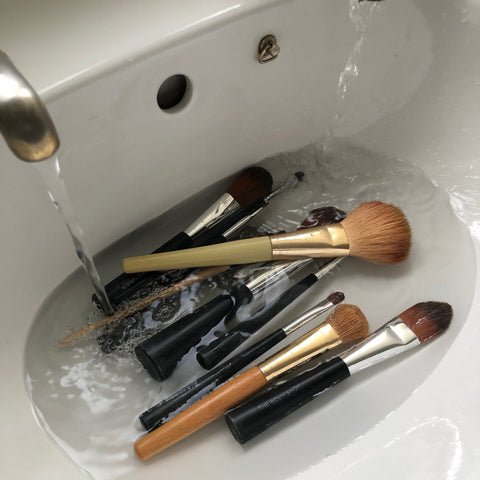
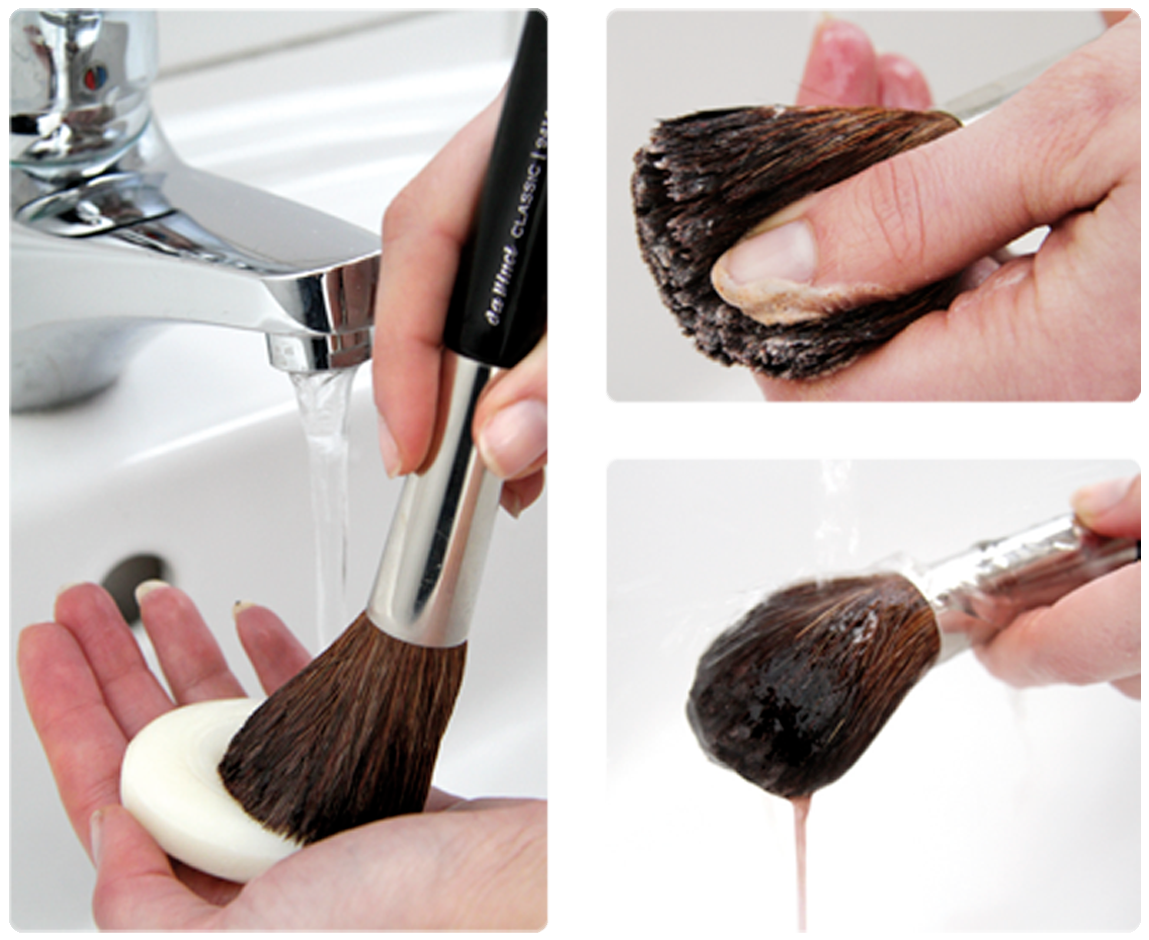
Start by holding your brushes under lukewarm running water. Focus on the bristles only, avoiding the handle to prevent loosening the glue. Let the water flow from the base of the bristles to the tip to push out old makeup and dirt effectively.
Have you noticed how some brushes hold onto product more stubbornly? Rinsing first helps loosen up that residue, making the next steps much easier.
Applying Cleanser
Choose a gentle cleanser like baby shampoo, brush cleaner, or a mild soap. Put a small amount into the palm of your hand or a cleaning mat designed for brushes. Gently swirl the brush bristles in the cleanser to start breaking down oils and pigments.
Using too much cleanser can leave residue, so less is more here. Think about how you wash your face—it’s the same idea for your brushes.
Lathering And Rinsing
Work the cleanser into a rich lather by swirling the brush in your palm or on the mat. Pay special attention to the base of the bristles where buildup tends to hide. Rinse thoroughly under lukewarm water until the water runs clear.
Don’t rush this step. If the water is still colored, repeat the lather and rinse process. Clean brushes are a game changer for your makeup’s finish.
Drying Techniques
After rinsing, gently squeeze out excess water with a clean towel. Reshape the bristles to their original form to prevent misshaping. Lay the brushes flat on a towel, with the bristles hanging off the edge of a counter to air dry.
Why avoid drying brushes upright? Water can seep into the handle, causing damage. Letting them dry this way keeps your brushes in good shape and ready for your next makeup session.

Credit: coachglitter.com
Tips For Different Brush Types
Different makeup brushes need different cleaning care. The materials of the bristles affect how you wash and dry them. Proper cleaning keeps brushes soft and lasting longer. It also stops bacteria buildup that can harm your skin.
Natural Hair Brushes
Natural hair brushes are made from animal hair. They are softer and absorb more product. Use gentle soap or special brush cleaner. Avoid harsh detergents that dry out the hairs.
- Use lukewarm water to rinse the bristles.
- Apply a small amount of mild soap or shampoo.
- Gently massage the bristles with your fingers in a circular motion.
- Rinse thoroughly without soaking the base where hairs meet the handle.
- Pat dry with a clean towel and reshape the bristles.
- Let air dry flat or bristles down to keep shape.
Synthetic Brushes
Synthetic brushes have man-made fibers. They hold less product and clean faster. Most synthetic brushes can handle stronger cleansers. They dry quicker than natural hair brushes.
- Rinse with warm water before applying soap.
- Use gentle soap or brush cleanser for best results.
- Work the cleanser through the bristles with your fingers.
- Rinse thoroughly until water runs clear.
- Squeeze out excess water carefully without pulling on bristles.
- Allow brushes to dry with bristles facing down or flat.
How Often To Clean Brushes
Keeping your makeup brushes clean is key to healthy skin and flawless makeup. The frequency of cleaning depends on how often you use each brush. Regular cleaning stops bacteria buildup, removes old makeup, and keeps brushes soft. This section explains how often to clean your brushes based on usage.
Daily Use Brushes
Brushes used every day need cleaning more often. These brushes come into contact with your skin and makeup daily. Dirt, oil, and bacteria build up quickly on these tools.
- Clean daily use brushes at least once a week.
- Use a gentle brush cleanser or mild soap.
- Rinse thoroughly and dry completely before next use.
Cleaning daily use brushes often keeps your skin clear and your makeup fresh.
Occasional Use Brushes
Brushes used less often do not need cleaning as frequently. These include specialty brushes or those used for bold looks.
- Clean occasional use brushes every 2 to 3 weeks.
- Clean after every few uses to avoid buildup.
- Store brushes in a clean, dry place to keep them fresh.
Less frequent cleaning is fine but do not skip it. Old makeup and dirt can still harm your skin.
Credit: www.davinci-makeupbrushes.com
Common Mistakes To Avoid
Cleansing makeup brushes keeps your skin healthy and your makeup flawless. Mistakes during cleaning can ruin brushes or cause skin problems. Avoiding these errors saves time and money. Follow simple guidelines to protect your tools and skin.
Using Hot Water
Hot water damages brush bristles and loosens glue. It makes brushes lose shape and fall apart faster. Use lukewarm water to keep brushes soft and strong.
Skipping Drying Properly
Wet brushes stored upright cause water to seep into the handle. This weakens the glue and causes bristles to shed. Lay brushes flat to dry, with bristles hanging off the edge.
Using Harsh Soaps
Strong soaps dry out brush bristles and irritate skin. Use gentle soap or brush cleaner designed for makeup tools. This keeps bristles smooth and safe for your skin.
Cleaning Brushes Too Often Or Too Rarely
Cleaning every day wears brushes down quickly. Not cleaning enough causes bacteria build-up and skin breakouts. Clean brushes once a week for balanced care.
Not Rinsing Thoroughly
Soap residue on brushes irritates skin and affects makeup application. Rinse brushes well until water runs clear. This ensures no leftover product or soap remains.
Ignoring Handle And Ferrule
Only cleaning bristles leaves dirt on the handle and ferrule. Wipe these parts regularly to prevent bacteria and keep brushes looking new.
Alternative Cleaning Methods
Keeping makeup brushes clean is key for healthy skin and flawless makeup. Besides traditional soap and water, alternative cleaning methods work well. These options save time and use items found at home. They help remove dirt, oil, and bacteria without harsh chemicals.
Using Household Items
Many common household items clean brushes effectively. Olive oil softens bristles while breaking down makeup buildup. Mix olive oil with dish soap for best results. This combo cleans gently without drying brushes.
- Dab brush tips into olive oil to loosen makeup.
- Swirl in dish soap to remove oils and dirt.
- Rinse under warm water until clean and clear.
- Dry brushes flat to keep shape.
Baby shampoo also works well for sensitive skin. It cleans without stripping natural oils from brushes. Use lukewarm water and gentle strokes for a deep clean. Avoid soaking brushes too long to protect the glue.
Quick Clean Sprays
Quick clean sprays offer a fast way to freshen brushes between uses. Spray lightly on bristles and wipe off with a clean cloth. These sprays kill bacteria and remove light makeup residue.
- Perfect for last-minute touch-ups.
- Use on dry brushes to avoid damage.
- Look for alcohol-free formulas to protect bristles.
Keep a spray bottle handy for easy daily cleaning. It helps maintain brush hygiene without full washes every time.
Frequently Asked Questions
How Often Should I Clean My Makeup Brushes?
You should clean makeup brushes at least once a week. Regular cleaning prevents bacteria buildup and skin irritation. For brushes used with liquid products, clean them more frequently to maintain hygiene and ensure flawless makeup application.
What Is The Best Way To Clean Makeup Brushes?
Use a gentle brush cleanser or mild soap with lukewarm water. Swirl the brush gently, rinse thoroughly, and air dry with bristles facing down. Avoid soaking the handle to prevent damage and prolong brush life.
Can I Use Household Items To Clean Brushes?
Yes, mild dish soap, baby shampoo, or olive oil can clean brushes effectively. These household items help remove makeup residue without harsh chemicals, keeping brushes soft and clean for regular use.
How Long Does It Take For Makeup Brushes To Dry?
Makeup brushes typically take 2 to 6 hours to dry completely. Dry them flat or bristle-down to avoid water damage. Ensure full drying before use to maintain brush shape and prevent bacteria growth.
Conclusion
Cleaning makeup brushes keeps your skin healthy and your makeup flawless. Regular washing removes dirt, oil, and bacteria. It also helps brushes last longer and work better. Use gentle soap and warm water for best results. Let brushes dry completely before using them again.
A clean brush means better makeup application every time. Make cleaning a simple part of your routine. Your skin and makeup will thank you. Easy steps, big benefits. Try it today!
