You use your makeup brushes every day to create flawless looks, but have you ever stopped to think about how clean they really are? Dirty brushes can cause breakouts, dull your skin, and even ruin your makeup.
Cleaning your brushes might seem like a chore, but it’s easier than you think—and your skin will thank you for it. In this guide, you’ll discover simple, effective steps to clean your makeup brushes quickly and keep them in great shape.
Ready to give your brushes the care they deserve? Let’s dive in.

Credit: coachglitter.com
Why Clean Makeup Brushes
Cleaning makeup brushes is essential for healthy skin and better makeup results. Dirty brushes collect oils, bacteria, and old makeup. These contaminants can cause skin problems and affect how makeup looks. Regular cleaning keeps brushes fresh and ready to use.
Preventing Skin Irritations
Makeup brushes hold dirt and bacteria from the skin. Using dirty brushes can cause redness and pimples. Cleaning brushes removes germs and prevents skin irritation. It helps keep your skin clear and healthy.
Extending Brush Lifespan
Makeup brushes cost money and should last long. Dirt and makeup buildup can damage brush bristles. Cleaning brushes gently removes buildup and keeps bristles soft. Well-maintained brushes stay in good shape for months or years.
Improving Makeup Application
Clean brushes apply makeup smoothly and evenly. Dirty brushes make makeup patchy and uneven. Removing old makeup and oils helps brushes blend colors better. This creates a flawless and natural look every time.
Tools Needed
Cleaning makeup brushes requires a few simple tools. These tools help remove dirt, oil, and makeup residue. Having the right items makes the process easier and more effective.
Some tools are made specifically for cleaning brushes. Others can be found around the house. Both types can work well for this task.
Types Of Brush Cleaners
- Liquid brush cleansers designed for makeup tools
- Foam cleansers that create a gentle lather
- Solid brush soaps that last a long time
- Spray cleaners for quick cleaning
Household Alternatives
- Baby shampoo, gentle and safe for brushes
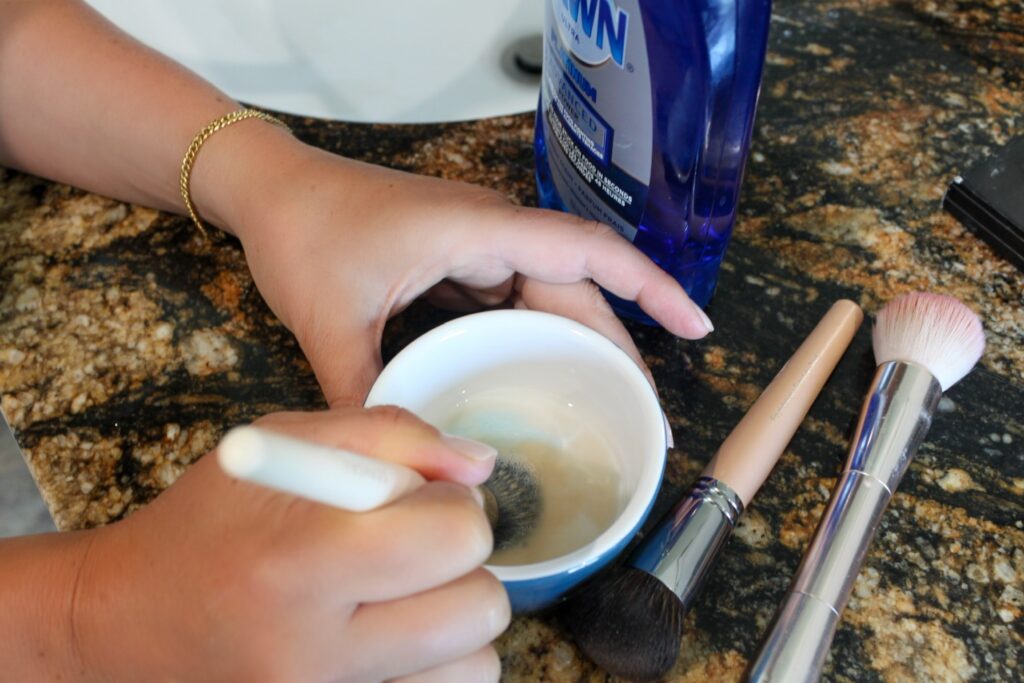
- Dish soap, effective at cutting grease
- Olive oil mixed with dish soap for deep cleaning
- Baking soda as a natural scrub
Additional Supplies
- Clean towel or cloth to dry brushes
- Small bowl or cup for mixing cleaner
- Brush cleaning mat or glove with textured surface
- Warm water for rinsing brushes
Step-by-step Cleaning Process
Cleaning your makeup brushes properly can transform your beauty routine. It keeps your skin healthy and your makeup flawless. Here’s a clear, step-by-step process that makes brush cleaning easy and effective.
Rinsing Brushes
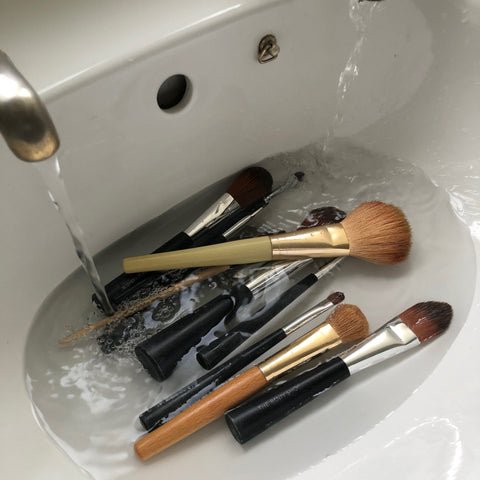
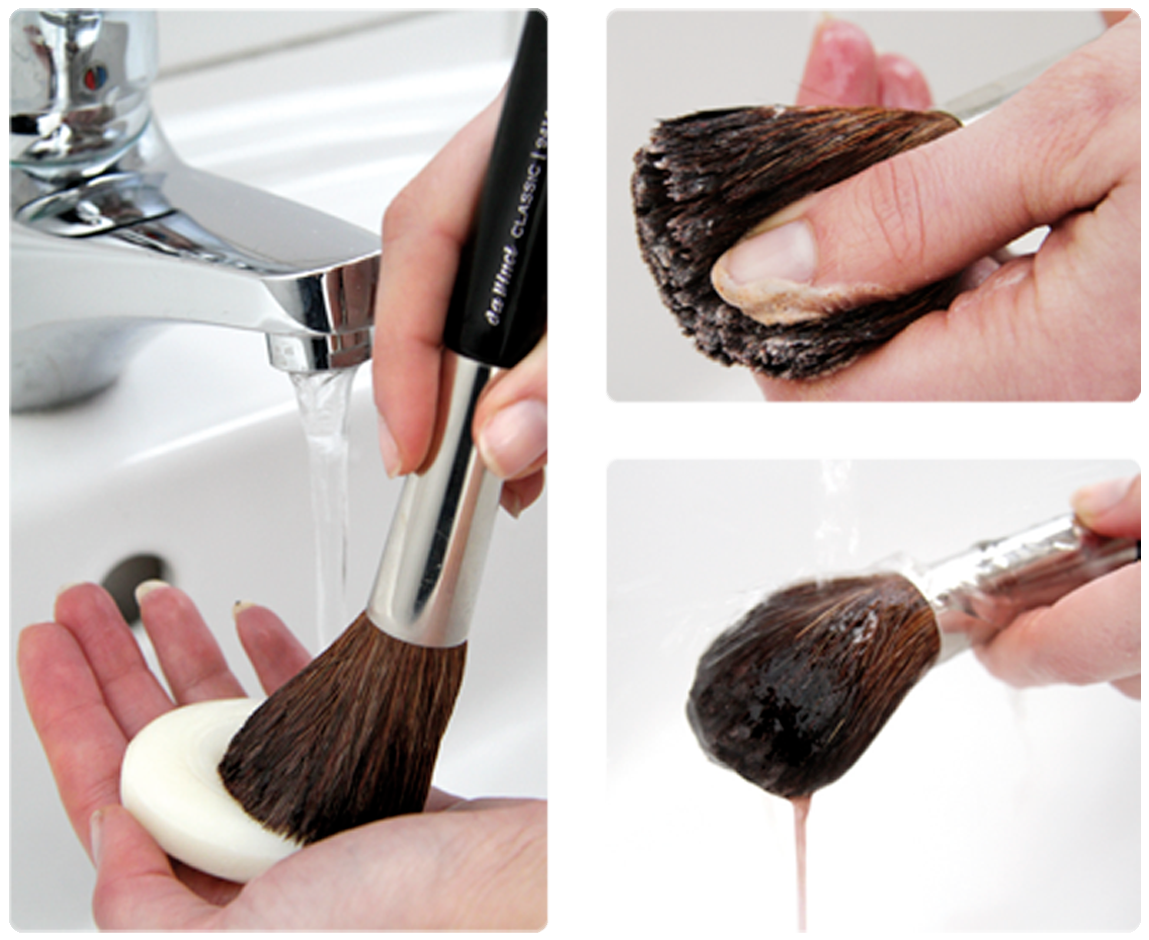
Start by holding your brush bristles under lukewarm running water. Make sure the water flows downward to avoid loosening the glue that holds the bristles. Rinse until the water runs clear of old makeup residue.
Have you noticed how dirty your brush water gets? That’s a sign of how much buildup you’re removing. This step alone can make your brushes feel fresher instantly.
Applying Cleaner
Next, apply a gentle brush cleaner or mild soap directly onto the wet bristles. You don’t need much—just enough to cover the tips. I like using baby shampoo because it’s gentle and effective without damaging the bristles.
Think about the last time you skipped this step. Did your brushes feel greasy afterward? Applying cleaner is essential to break down oils and bacteria.
Lathering And Rinsing
Gently swirl the brush on your palm or a textured cleaning mat to create a lather. This action lifts dirt and oils trapped deep in the bristles. Rinse thoroughly, repeating the lather and rinse until the water is crystal clear.
Be patient during this process—it might take a few cycles. Your skin will thank you for the extra effort by staying clearer and less irritated.
Drying Techniques
Shake off excess water and reshape the bristles with your fingers. Lay your brushes flat on a clean towel with the bristles hanging off the edge of a counter. This helps them dry evenly and keeps water from seeping into the handle.
Have you ever dried brushes upright? It might seem convenient, but it causes water to weaken the brush handle over time. Try this flat drying method for longer-lasting brushes.
Credit: www.housework.com
Tips For Different Brush Types
Cleaning your makeup brushes is essential, but did you know that different types of brushes need different care? Treating each brush type properly keeps them in great shape and protects your skin from bacteria buildup. Let’s look at some specific tips for synthetic, natural hair, and delicate brushes so you can clean each one the right way.
Synthetic Brushes
Synthetic brushes are usually made from nylon or polyester fibers. They don’t absorb as much product or water, so cleaning them is faster and easier.
Use a gentle soap or brush cleanser and warm water. Swirl the brush in your palm or a silicone cleaning mat to loosen makeup. Rinse thoroughly until the water runs clear.
Since synthetic brushes dry quickly, you can clean them more often without worry. Have you noticed how much smoother your foundation applies with a clean synthetic brush?
Natural Hair Brushes
Natural hair brushes come from animal hair and are often softer and more porous than synthetic ones. They need a bit more care to avoid damage.
Choose a mild shampoo or a specially formulated brush cleaner to protect the natural fibers. Avoid soaking them too long, as water can loosen the glue holding the bristles.
After rinsing, reshape the brush head and lay it flat to dry. Standing them upright can cause water to seep into the handle, damaging it over time.
Delicate Brushes
Delicate brushes, like fan brushes or those with very fine bristles, require extra gentleness. Rough scrubbing can bend or break their soft tips.
Use a light touch with a mild cleanser and avoid aggressive rubbing. Instead, gently press and roll the brush on a soft cleaning surface.
Do you treat your delicate brushes differently? Keeping them clean without damaging their shape is key to maintaining their precision and softness.
Cleaning Frequency
Knowing how often to clean your makeup brushes is key to keeping your skin healthy and your makeup looking flawless. Cleaning frequency depends largely on how often you use each brush and the type of products you apply with them. Let’s break down the best routines for daily use brushes versus those you only reach for occasionally.
Daily Use Brushes
If you use certain brushes every day, like your foundation or concealer brushes, they need frequent cleaning. Residue from liquid and cream products builds up quickly, which can clog bristles and lead to breakouts.
Try to clean these brushes at least once a week. If you’re pressed for time, a quick daily wipe with a brush cleanser spray can help maintain hygiene between deep washes.
Have you ever noticed your makeup looking patchy or your skin breaking out? Dirty brushes might be the hidden culprit. Keeping daily use brushes clean prevents bacteria buildup and ensures smoother application.
Occasional Use Brushes
Brushes used less often, like those for bold eyeshadows or special effects, don’t need cleaning as frequently. However, letting product sit on bristles for weeks can make them stiff and less effective.
Clean these brushes after every 3-4 uses or whenever you switch colors to avoid muddy makeup looks. Even if you don’t use them weekly, regular cleaning keeps them in good shape and ready for your next look.
Think about your makeup routine—how many brushes do you really use every day? Adjusting your cleaning schedule based on actual use can save time and extend the life of your tools.
Common Mistakes To Avoid
Cleaning makeup brushes is essential for healthy skin and flawless makeup. Many people make simple mistakes that damage their brushes or reduce cleaning effectiveness. Avoiding these errors helps keep brushes soft and clean longer.
Using Hot Water
Hot water can loosen glue inside the brush handle. This causes bristles to fall out quickly. Use lukewarm or cool water instead. It cleans well without harming the brush’s structure.
Skipping Drying Properly
Not drying brushes fully leads to mold and bacteria growth. Always reshape bristles and air dry brushes flat or with bristles hanging off a counter. Avoid drying brushes upright; water can seep into the handle and cause damage.
Using Harsh Chemicals
Strong soaps or alcohol-based cleaners dry out bristles and ruin brush quality. Use gentle brush cleansers or mild shampoo. These clean brushes without stripping natural oils or making them brittle.
Maintaining Brush Hygiene
Maintaining brush hygiene is essential for healthy skin and flawless makeup. Dirty brushes hold bacteria, oil, and old makeup. These can cause breakouts and skin irritation. Cleaning brushes regularly keeps them safe to use. Proper care also extends the life of your brushes.
Storage Tips
Store brushes in a clean, dry place. Avoid keeping them in damp areas like bathrooms. Moisture encourages bacteria growth. Use a brush holder or a clean cup to keep brushes upright. This helps the bristles keep their shape. Cover brushes with a lid or cloth to protect from dust.
Regular Inspections
Check brushes often for damage or buildup. Look for loose handles, shedding bristles, or hard residue. Damaged brushes can irritate the skin and apply makeup unevenly. Replace brushes that are worn out or too dirty. Regular checks help maintain hygiene and makeup quality.
Credit: www.davinci-makeupbrushes.com
Frequently Asked Questions
How Often Should I Clean My Makeup Brushes?
You should clean makeup brushes once a week to remove dirt, oil, and bacteria. Regular cleaning prevents skin irritation and breakouts. Weekly cleaning maintains brush quality and improves makeup application.
What Is The Best Way To Clean Makeup Brushes?
Use a gentle brush cleanser or mild soap with lukewarm water. Swirl brushes gently, rinse thoroughly, and reshape bristles. Dry brushes flat to avoid damage and maintain shape.
Can I Use Household Products To Clean Brushes?
Yes, mild dish soap or baby shampoo works well to clean brushes. Avoid harsh chemicals that can damage bristles. Always rinse thoroughly to remove all soap residues.
How Do I Dry Makeup Brushes Properly?
Pat brushes with a towel and lay them flat to dry. Avoid standing brushes upright to prevent water from loosening glue. Let them air dry completely before use.
Conclusion
Regular cleaning keeps your makeup brushes in top condition. Clean brushes ensure better makeup application. They also help prevent skin issues. Make cleaning a part of your beauty routine. It’s simple and quick. Use gentle soap and warm water. Rinse thoroughly to remove all residue.
Dry them properly to maintain their shape. Set reminders if you often forget. Your skin will thank you with fewer breakouts. Cleaner brushes mean a healthier face. So, take the time to care for them. Enjoy the benefits of clean, soft brushes every time you apply makeup.