You want to make a switch to natural beauty products, but the endless choices can feel overwhelming. The promise of healthier ingredients and eco-friendly packaging sounds appealing, but how do you know you’re making the right decision?
Choosing natural beauty products isn’t just about looking for the word “natural” on a label. It’s about understanding what your skin truly needs and making choices that align with your values. Imagine standing in front of a shelf full of products, feeling confident in knowing exactly what to pick.
This article will guide you through simple steps to make informed decisions, ensuring your beauty routine is as natural and effective as you want it to be. Stay with us, and discover the secrets to a truly natural beauty regimen.
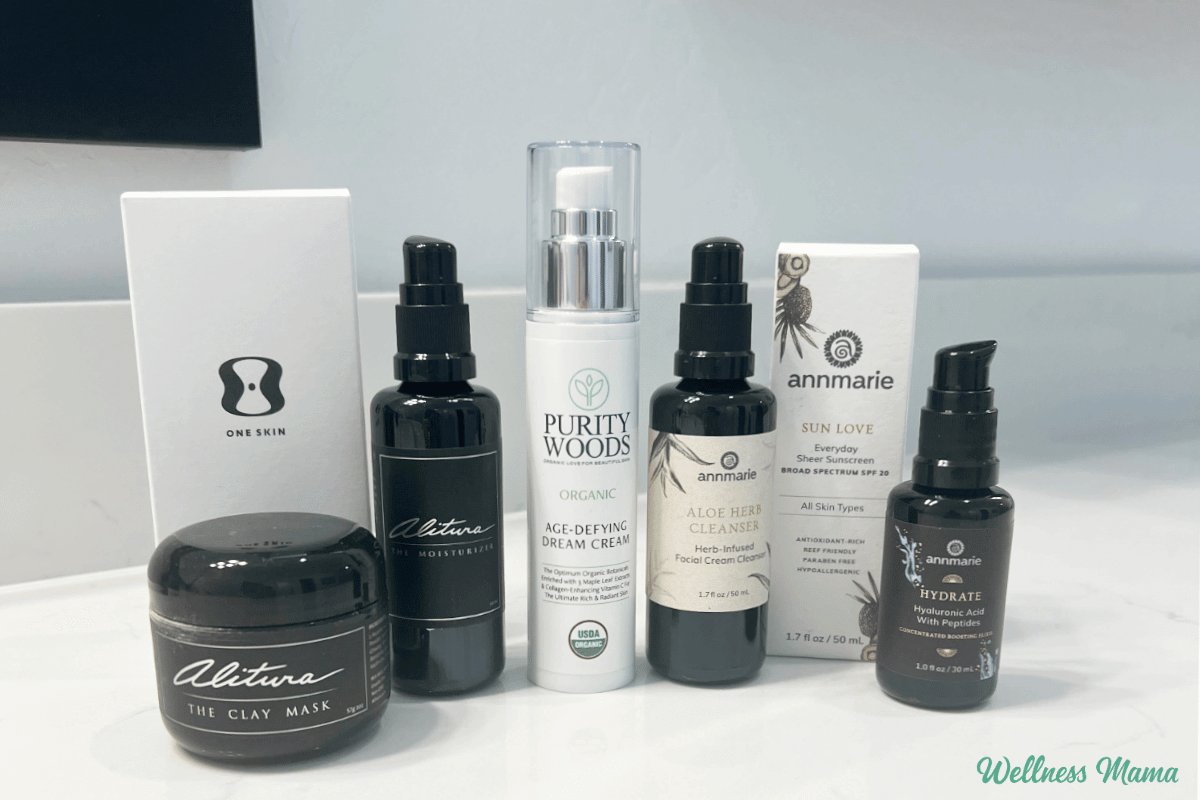
Credit: wellnessmama.com
Benefits Of Natural Beauty Products
Choosing natural beauty products offers more than just a trend-driven appeal. These products bring real benefits that can improve your skin health, support the environment, and protect you from harsh chemicals. Understanding these advantages helps you make smarter choices for your beauty routine.
Gentle Ingredients For Sensitive Skin
Natural beauty products often contain ingredients like aloe vera, chamomile, and coconut oil, which soothe and calm sensitive skin. You might notice fewer reactions such as redness or irritation compared to synthetic alternatives.
Have you ever experienced a rash or breakout after using a new product? Switching to natural options might reduce those uncomfortable side effects because they avoid harsh additives and synthetic fragrances.
Eco-friendly And Sustainable Choices
Many natural beauty brands focus on sustainable sourcing and eco-friendly packaging. This means less waste and a smaller carbon footprint, which benefits the planet.
When you pick products made with biodegradable ingredients or recycled materials, you contribute to protecting natural resources. Isn’t it worth choosing products that align with your values and help preserve the environment?
Avoiding Harmful Chemicals
Natural products steer clear of parabens, sulfates, and synthetic dyes—chemicals linked to health concerns and skin damage. By avoiding these, you reduce the risk of long-term harm to your skin and overall health.
Think about what you apply daily. Your skin absorbs much of it. Doesn’t it make sense to limit exposure to potentially harmful substances by selecting cleaner, safer options?
Key Ingredients To Look For
Choosing natural beauty products means paying close attention to what goes inside them. The key ingredients can make a huge difference in how effective and gentle the product is on your skin. Knowing which ingredients nourish and protect your skin helps you pick products that truly benefit your natural beauty.
Nourishing Oils And Butters
Nourishing oils and butters form the backbone of many natural beauty products. Ingredients like jojoba oil, shea butter, and coconut oil deeply hydrate your skin without clogging pores. These natural fats help restore softness and lock in moisture, making your skin feel smooth and healthy.
Have you noticed how your skin reacts after using a product with rich oils? If it feels softer and less dry, you’re likely getting quality nourishment from these ingredients.
Plant-based Extracts And Antioxidants
Plant-based extracts such as green tea, chamomile, and aloe vera bring calming and healing properties to your skincare. Antioxidants found in these extracts fight free radicals that cause aging and damage. Including antioxidants in your routine supports a youthful and glowing complexion over time.
Think about whether your current products soothe irritation or redness. That calming effect often comes from these powerful plant extracts working behind the scenes.
Essential Vitamins And Minerals
Vitamins like C, E, and B5 and minerals such as zinc are crucial for skin health. Vitamin C brightens your skin and boosts collagen, while vitamin E protects against environmental damage. Zinc helps reduce inflammation and supports healing, making these nutrients must-haves in natural beauty products.
Ask yourself if your skin feels refreshed and revitalized after use. That’s a sign these essential vitamins and minerals are doing their job well.
Ingredients To Avoid
Choosing natural beauty products means paying close attention to what goes into them. Some ingredients can harm your skin or cause unexpected reactions, even if the product claims to be natural. Knowing which ingredients to avoid helps you make smarter choices and protects your skin’s health.
Synthetic Fragrances And Dyes
Synthetic fragrances often hide dozens of chemicals that can irritate your skin or cause allergic reactions. These artificial scents can trigger headaches or worsen sensitive skin conditions.
Dyes, even in small amounts, can clog pores and lead to breakouts. Look for products that use natural colorants like beetroot or turmeric instead.
Have you ever noticed a sudden rash after using a new lotion? It might be caused by these hidden synthetic additives.
Harsh Preservatives And Chemicals
Preservatives keep products fresh but some, like parabens and formaldehyde releasers, have been linked to health concerns. They can disrupt your skin’s natural balance and cause irritation over time.
Other chemicals like sulfates strip away natural oils, leaving your skin dry and vulnerable. Choosing products free from these harsh ingredients helps maintain your skin’s moisture and barrier.
Ask yourself if a product stays effective without relying on aggressive preservatives—sometimes less is better.
Potential Allergens And Irritants
Natural doesn’t always mean gentle. Ingredients such as essential oils or nuts can cause allergies or irritation.
Read labels carefully if you have sensitive skin or allergies. Ingredients like lavender, tea tree oil, or almond oil might sound healthy but can trigger reactions in some people.
Have you tested a product on a small patch of skin before full use? This simple step can save you from uncomfortable surprises.
Reading Labels Effectively
Reading labels on natural beauty products is more than just a routine check; it’s your first line of defense against harmful chemicals and misleading claims. Understanding what each ingredient means and how to spot genuine certifications can transform your shopping experience. Let’s break down how you can become confident in interpreting these labels.
Decoding Ingredient Lists
Ingredient lists can look like a foreign language, but you don’t need a chemistry degree to understand them. Start by looking for familiar names like aloe vera, jojoba oil, or shea butter—these are signs of natural content.
Watch out for long chemical names ending with “-eth” or “-paraben”; these often indicate synthetic preservatives or detergents. If you see ingredients you can’t pronounce, take a moment to research or use apps that scan and rate product safety.
Remember, the ingredients are listed by quantity, from highest to lowest. So, if water is first, the product is mostly water. Knowing this helps you avoid products that use tiny amounts of natural ingredients just for marketing.
Understanding Certifications And Labels
Certifications like USDA Organic, Ecocert, or COSMOS provide assurance that the product meets certain natural or organic standards. However, not all seals are created equal, and some may have less strict requirements.
Check what each certification stands for before trusting it blindly. For instance, “Certified Organic” usually means fewer pesticides and synthetic chemicals, while “Cruelty-Free” indicates no animal testing. These labels guide you but don’t replace your own label-reading skills.
Recognizing Greenwashing Tactics
Have you ever bought a product because it said “natural” or “eco-friendly,” only to find questionable ingredients on the label? Many brands use greenwashing—marketing tricks that suggest a product is natural when it’s not.
Words like “pure,” “green,” or “botanical” aren’t regulated, so they can be misleading. Look beyond buzzwords and verify through the ingredient list and certifications.
Ask yourself: does the product provide clear, transparent information? If not, it might be better to skip it and choose brands that are honest about their ingredients.
Tailoring Products To Skin Types
Choosing natural beauty products that suit your skin type enhances skin health and appearance. Different skin types need specific ingredients for best results. Tailoring your choices ensures the products work well without causing irritation or imbalance.
Choosing For Oily And Acne-prone Skin
Oily and acne-prone skin benefits from lightweight, non-comedogenic products. Look for natural ingredients that reduce oil and calm inflammation.
- Tea tree oil helps fight bacteria and reduce acne.
- Aloe vera soothes redness and controls oiliness.
- Witch hazel acts as a gentle toner to tighten pores.
- Clay masks absorb excess oil and impurities.
Avoid heavy creams or oils that can clog pores and worsen acne.
Options For Dry And Sensitive Skin
Dry and sensitive skin needs gentle, nourishing products to hydrate and protect the skin barrier. Choose calming, moisturizing natural ingredients.
- Shea butter deeply moisturizes without irritation.
- Chamomile reduces redness and soothes sensitivity.
- Jojoba oil mimics natural skin oils and nourishes.
- Honey locks in moisture and has gentle antibacterial properties.
Avoid products with alcohol or harsh fragrances that can dry or irritate skin.
Best Choices For Combination Skin
Combination skin requires a balance between controlling oil and hydrating dry areas. Choose versatile natural products that address both needs.
- Rose water refreshes and tones without drying.
- Argan oil hydrates dry patches without feeling greasy.
- Green tea extract reduces oiliness and calms skin.
- Aloe vera gel soothes and moisturizes evenly.
Use lighter products on oily zones and richer creams on dry parts.
Credit: timesofindia.indiatimes.com
Testing And Patch Checking
Testing and patch checking are essential before fully using natural beauty products. These steps help avoid skin problems and reactions. Testing gives a small preview of how your skin reacts. Patch checking ensures the product is safe for your skin type. Both steps protect your skin and save discomfort later.
How To Perform A Patch Test
Choose a small skin area, like behind your ear or inside your wrist. Apply a small amount of the product there. Wait at least 24 hours without washing the area. Watch for any signs of redness, itching, or swelling. If no reaction appears, the product is likely safe to use. Avoid using the product directly on your face before testing.
Identifying Allergic Reactions Early
Look for redness, swelling, or small bumps on the tested skin. Itching or burning sensations also show a reaction. Some reactions may take up to 48 hours to appear. Stop using the product if any symptoms appear. Early identification prevents severe skin damage. Consult a dermatologist if you experience strong reactions.
Trusted Brands And Where To Buy
Choosing natural beauty products means placing trust in the brands you buy from and knowing exactly where to find them. This is important because the market is flooded with options, and not all natural labels mean the same thing. Understanding which brands stand out for their authenticity and where to purchase them can save you time, money, and disappointment.
Top Natural Beauty Brands
Look for brands that are transparent about their ingredients and sourcing. Brands like Dr. Bronner’s, Herbivore Botanicals, and RMS Beautyhave built reputations by focusing on clean, simple ingredients with clear labeling.
Many of these brands also undergo third-party certifications like USDA Organic or Ecocert, which can give you extra confidence in their products. Have you ever checked the back of your product’s label for certification seals? These small marks can be huge indicators of quality.
Shopping Online Vs. In-store
Buying natural beauty products online offers convenience and access to a wider selection. You can read reviews and compare ingredients easily, which helps you make informed decisions.
However, shopping in-store allows you to test textures, smells, and sometimes even get expert advice from staff. If you have sensitive skin, this hands-on experience can prevent an unwanted reaction.
Which do you prefer—scrolling through reviews at home or exploring shelves in person? Both have their perks, so consider what fits your shopping style and skin needs.
Supporting Local And Small Businesses
Local and small businesses often focus on sustainable practices and use ingredients sourced nearby. Buying from them can mean fresher products and a smaller carbon footprint.
Supporting these businesses also helps your community thrive. Think about the last time you discovered a unique product at a local market or boutique—didn’t that feel special?
Try searching for natural beauty makers at farmers’ markets or local craft fairs. You might find your new favorite product and a story behind it that big brands can’t offer.
Diy Natural Beauty Products
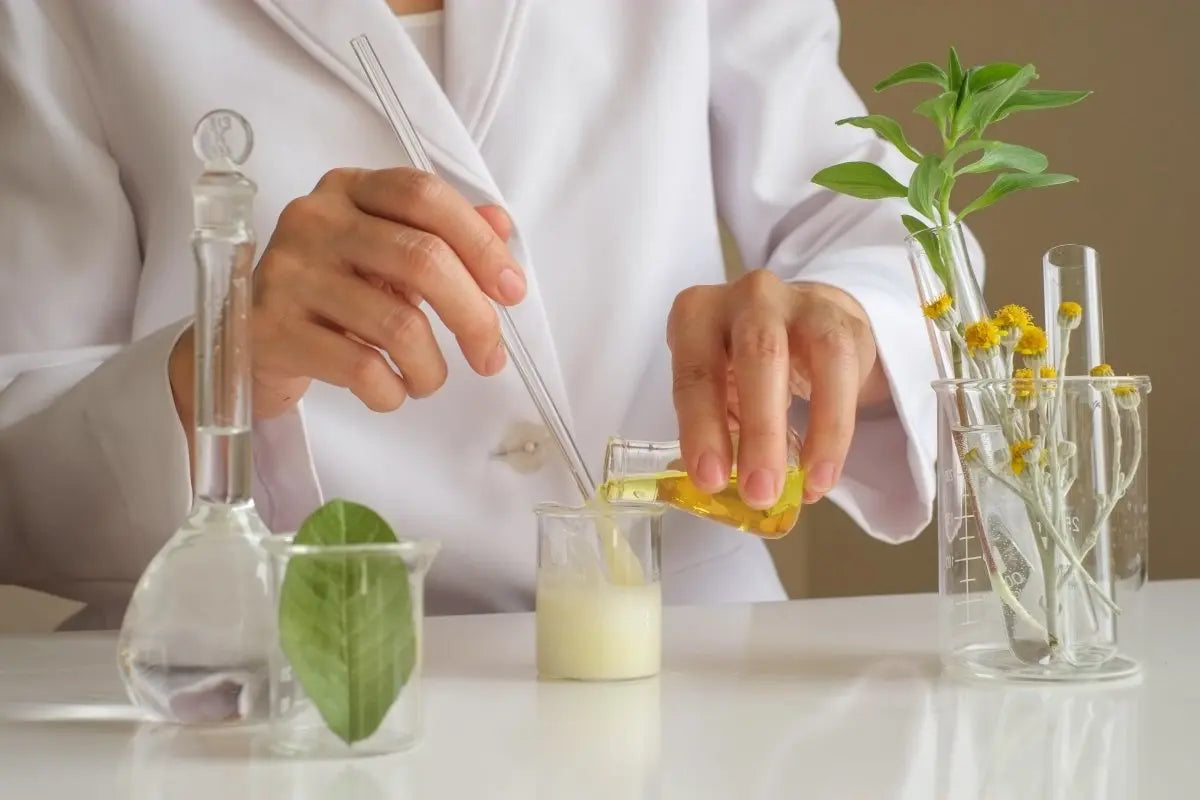
DIY natural beauty products offer a fresh, personal touch to skincare. You control the ingredients and avoid harsh chemicals. These products often cost less and can be customized to suit your skin type. Making your own beauty items can be relaxing and rewarding.
Simple Recipes For Beginners
Start with easy recipes that need few ingredients. Here are some gentle options:
- Honey and Oat Face Scrub:Mix 2 tablespoons of oats with 1 tablespoon of honey. Gently massage onto damp skin, then rinse.
- Coconut Oil Moisturizer:Use pure coconut oil as a light moisturizer. Apply a small amount to your face or hands.
- Aloe Vera Gel:Use fresh aloe vera gel directly from the leaf to soothe skin.
- Green Tea Toner:Brew green tea, let it cool, then spray on your face as a toner.
These recipes use natural ingredients easy to find and safe for most skin types.
Safe Storage And Shelf Life Tips
Store homemade beauty products in clean, airtight containers. Glass jars work best to avoid chemical reactions. Keep products in a cool, dark place to preserve freshness.
Use a clean spoon or spatula to take product from the container. This prevents bacteria growth. Label each container with the date it was made.
Most DIY products last from one week to one month. Products with water or fresh ingredients spoil faster. Discard any product with a strange smell or color change.
Credit: kadalys.com
Frequently Asked Questions
What Are The Benefits Of Using Natural Beauty Products?
Natural beauty products are gentle on skin and free from harsh chemicals. They nourish skin with organic ingredients. These products reduce the risk of irritation and allergic reactions. They also support eco-friendly and sustainable beauty routines.
How Can I Identify Truly Natural Beauty Products?
Check ingredient lists for recognizable, plant-based components. Avoid synthetic fragrances, parabens, and sulfates. Look for certifications like USDA Organic or ECOCERT. Research brands’ transparency and sourcing practices for authenticity.
Are Natural Beauty Products Suitable For All Skin Types?
Yes, most natural beauty products suit various skin types. Ingredients like aloe vera and chamomile calm sensitive skin. However, patch test new products to avoid allergic reactions. Customize product choices based on your skin’s specific needs.
Do Natural Beauty Products Last As Long As Conventional Ones?
Natural products often have shorter shelf lives. They lack synthetic preservatives, which extend longevity. Store them properly in cool, dark places to maximize freshness. Use within recommended timeframes for best results.
Conclusion
Choosing natural beauty products takes time and care. Check labels for simple, safe ingredients. Trust brands that are honest and clear. Test products on a small skin patch first. Remember, natural does not always mean perfect for you. Your skin is unique.
Keep your routine gentle and consistent. Enjoy the benefits of nature’s gifts. Feel confident in your natural beauty choices. Small steps lead to healthier skin every day.
