Are you ready to unlock the secrets to luscious, vibrant natural hair? Caring for your natural hair can often feel like a puzzle, but with the right guidance, it doesn’t have to be.
Imagine waking up each day with hair that feels healthy and looks stunning. This guide is designed just for you, to make your hair care routine as effortless and enjoyable as possible. You’ll discover simple tips and tricks that can transform your hair from dull to dazzling.
Curious to know how you can achieve this with ease? Keep reading to uncover the essential steps that will have you loving your natural hair like never before.
Choosing The Right Products
Choosing the right products for your natural hair can make a huge difference in how healthy and vibrant it looks. Your hair needs specific care tailored to its unique texture and moisture requirements. Have you ever noticed how some shampoos leave your hair dry while others make it soft? That’s why picking products that work with your hair, not against it, is key.
Shampoos And Conditioners
Look for shampoos that are sulfate-free and gentle to avoid stripping your hair of its natural oils. Moisturizing conditioners with ingredients like shea butter or coconut oil can help restore hydration and improve manageability. If your scalp feels itchy or dry, try a shampoo with tea tree oil or aloe vera to soothe irritation.
Pay attention to how your hair reacts after washing—does it feel brittle or soft? This feedback helps you decide if a product is right for you. You might find that alternating between a clarifying shampoo and a moisturizing conditioner keeps your hair balanced and fresh.
Leave-in Treatments
Leave-in conditioners or sprays are game changers for keeping natural hair hydrated throughout the day. They provide an extra layer of moisture and protection against environmental damage. Choose lightweight formulas if your hair tends to get weighed down easily.
Try applying a leave-in right after washing while your hair is still damp. This helps lock in moisture and makes styling easier. Have you ever tried a leave-in that also acts as a heat protectant? That dual purpose can save you time and keep your hair safe from damage.
Oils And Moisturizers
Natural oils like jojoba, argan, or castor oil can seal in moisture and add shine to your hair. Use oils sparingly to avoid buildup, focusing on the ends where hair tends to dry out first. Mix oils with water-based moisturizers for a balanced hydration routine.
Moisturizers with aloe vera or glycerin attract water to your hair, keeping it soft and flexible. Have you noticed how your hair responds differently to various oils? Experimenting helps you find the perfect match for your scalp and strands.
Cleansing Techniques
Keeping your natural hair clean is essential, but it’s not just about washing. How you cleanse affects your hair’s moisture, texture, and overall health. Let’s dive into cleansing techniques that work well for natural hair and can help you maintain its beauty and strength.
Frequency Of Washing
How often you wash your natural hair depends on your hair type, lifestyle, and scalp condition. Washing too often can strip away natural oils, leaving your hair dry and brittle. On the other hand, washing too infrequently might cause buildup that clogs hair follicles and stunts growth.
Many find washing once a week or every two weeks ideal. If you exercise daily or use heavy products, you might need to wash more often. Pay attention to how your scalp feels—itchy, oily, or dry scalp can guide your washing schedule.
Detangling Methods
Detangling is vital during cleansing to prevent breakage. Use a wide-tooth comb or your fingers to gently work through knots. Start detangling at the ends and slowly move toward the roots to reduce damage.
Applying a conditioner or detangling spray makes this process smoother. Have you tried detangling in the shower while your hair is saturated with conditioner? It’s a game-changer for minimizing pain and hair loss.
Scalp Care Tips
Your scalp is the foundation for healthy hair growth. During cleansing, massage your scalp gently with your fingertips to stimulate blood flow and help remove buildup. Avoid using nails, which can cause irritation or micro-tears.
Consider adding natural oils like tea tree or peppermint oil to your cleansing routine to soothe and refresh your scalp. How often do you check your scalp for dryness or flakiness? Addressing these issues early can prevent bigger problems down the line.
Moisturizing Daily
Moisturizing daily is a game-changer for natural hair health. Your hair craves moisture to stay soft, manageable, and strong. Skipping this step can lead to dryness, breakage, and frustration with your curls or coils.
Hydration Vs. Sealing
Understanding the difference between hydration and sealing is key. Hydration means adding water or water-based products to your hair to keep it moist. Sealing locks that moisture in using oils or butters, preventing it from escaping.
If you hydrate without sealing, your hair might feel wet but quickly dry out again. On the other hand, sealing without hydration leaves your hair dry from the inside. Ask yourself: Are you giving your hair enough water, and are you locking it in properly?
Best Moisturizing Routines
Your moisturizing routine should fit your hair’s unique needs. Many find success with the LOC or LCO methods—applying Liquid (water or leave-in conditioner), Oil, and Cream in specific orders.
- LOC method:Start with water or leave-in, then oil, and finish with cream.
- LCO method:Begin with water or leave-in, then cream, and seal with oil.
Try both and notice how your hair responds. Do you feel more softness or less dryness? Adjust the routine based on what your hair loves.
Diy Moisturizers
DIY moisturizers let you control what goes into your hair, avoiding harsh chemicals. Mix aloe vera gel with water and a few drops of your favorite oil for a simple, refreshing spritz.
Another favorite is a whipped shea butter blend with a bit of coconut or jojoba oil. It melts on contact and provides deep moisture and sealing benefits.
What ingredients do you already have at home that could nourish your hair? Experimenting with DIY blends can be a fun way to find what truly works for your natural texture.
Protective Styling
Protective styling helps keep natural hair healthy and strong. It reduces breakage by limiting daily handling. These styles shield hair ends from harsh weather and friction. Choosing the right protective style helps hair grow longer and stay moisturized.
Low Manipulation Styles
Low manipulation styles require less daily combing or brushing. Styles like twists, braids, and buns keep hair secure. These styles reduce tension and prevent split ends. They also save time on daily hair care. Keep styles loose enough to avoid stress on scalp.
Nighttime Protection
Protect hair at night to maintain moisture and prevent damage. Use satin or silk scarves and bonnets to cover hair. These materials reduce friction between hair and pillow. Alternatively, sleep on a satin pillowcase for extra care. Avoid cotton pillowcases that cause dryness and breakage.
Avoiding Damage
Protective styles can cause damage if too tight or left too long. Avoid heavy extensions that pull on roots. Remove styles gently to prevent hair loss. Do not keep protective styles for more than 6-8 weeks. Always moisturize hair and scalp while wearing these styles.
Trimming And Maintenance
Trimming and maintenance are key to keeping natural hair healthy and strong. Regular trims prevent damage from spreading and keep hair looking fresh. Proper care also helps maintain your hair’s natural shape and bounce.
Identifying Split Ends
Split ends appear as frayed or broken tips of hair strands. They make hair look dry and unhealthy. Check your hair by gently running your fingers down the strands. Look for any uneven or split tips. Catching split ends early stops further damage.
Trimming Frequency
Trim natural hair every 8 to 12 weeks. This schedule helps remove split ends and promotes growth. Some hair types need more frequent trims. Adjust based on your hair’s condition and style. Avoid skipping trims to keep hair strong and prevent breakage.
Maintaining Hair Shape
Trims help keep the shape of your hairstyle. They remove uneven ends and add definition. Regular shaping supports your hair’s natural curl or wave pattern. Visit a stylist familiar with natural hair for best results. Shape maintenance ensures your hair looks neat and healthy.
Credit: medium.com
Healthy Lifestyle Habits
Healthy lifestyle habits play a crucial role in keeping your natural hair strong and vibrant. The care you give your hair starts from within, so paying attention to what you eat, how much water you drink, and how you handle stress can make a huge difference. Let’s break down these essential habits to help you support your hair’s natural beauty every day.
Balanced Diet
Your hair needs nutrients to grow and stay healthy, just like the rest of your body. Eating a balanced diet rich in proteins, vitamins, and minerals gives your hair the building blocks it needs.
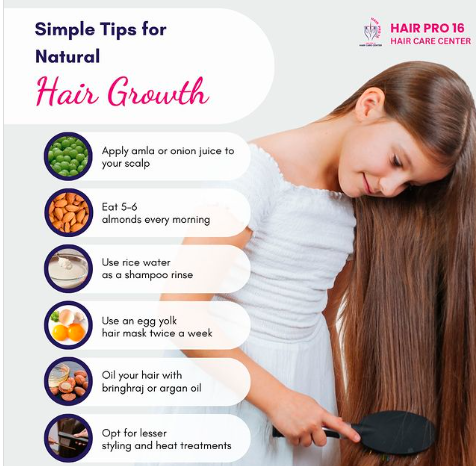
- Include foods like eggs, nuts, and leafy greens to boost hair strength.
- Vitamin A and C found in fruits help keep your scalp healthy and encourage hair growth.
- Omega-3 fatty acids from fish or flaxseeds add shine and moisture to your strands.
Have you noticed how your hair reacts after a few days of eating poorly? It might feel dull or brittle. Paying attention to your diet can prevent these issues before they start.
Hydration Importance
Drinking enough water is just as important as any hair product you use. Hydrated hair is less prone to breakage and dryness.
Try to drink at least eight glasses of water a day to keep your hair and scalp well-moisturized from the inside out.
Next time you feel thirsty, think about how your hair might be feeling too. Could adding more water to your day improve its texture and shine?
Stress Management
Stress affects your entire body, including your hair. High stress levels can cause hair thinning and even hair loss over time.
Find simple ways to relax, like meditation, walking, or spending time doing what you love. These small breaks can reduce stress and protect your hair’s health.
Ask yourself: Are you giving your mind and body enough rest to support your hair’s growth? Managing stress is more than self-care; it’s hair care too.
Avoiding Common Mistakes
Caring for natural hair needs patience and knowledge. Avoiding common mistakes helps keep hair healthy and strong. Small changes in your routine can make a big difference.
Over-manipulation
Touching or styling hair too much causes breakage. Constant combing or brushing weakens strands. Give hair time to rest between styles. Use gentle hands and avoid tight hairstyles. Less manipulation means less damage and more growth.
Heat Damage Prevention
High heat from tools can dry out hair. Always use a heat protectant spray before styling. Keep flat irons and curling wands on low settings. Limit heat styling to once or twice a week. Air drying is best to keep hair moist and healthy.
Product Buildup Issues
Using too many products causes buildup on scalp and hair. Buildup clogs hair follicles and makes hair dull. Use a clarifying shampoo once every two weeks. Choose lightweight products that suit your hair type. Rinse hair well to remove all product residue.

Credit: m.youtube.com

Credit: www.kavitasbeautybook.com
Frequently Asked Questions
How Often Should I Wash My Natural Hair?
Washing natural hair depends on your hair type and lifestyle. Generally, washing every 7 to 14 days helps maintain moisture. Overwashing can strip natural oils, causing dryness. Use sulfate-free shampoos to keep hair healthy and hydrated during washes.
What Are The Best Moisturizers For Natural Hair?
The best moisturizers for natural hair include shea butter, coconut oil, and aloe vera gel. These products hydrate without buildup. Lightweight leave-in conditioners also help maintain moisture throughout the day. Choose products free from harsh chemicals for optimal hair health.
How Can I Prevent Breakage In Natural Hair?
To prevent breakage, avoid excessive heat styling and harsh chemicals. Use wide-tooth combs or fingers for detangling. Regular deep conditioning strengthens hair strands. Protective hairstyles reduce stress on hair and minimize damage during daily activities.
Is It Necessary To Use Heat On Natural Hair?
Heat is not necessary for natural hair care. Frequent heat styling can cause dryness and breakage. Embrace air-drying and protective styles to keep hair healthy. If using heat, always apply a heat protectant to minimize damage.
Conclusion
Caring for your natural hair takes patience and gentle steps. Use good products that suit your hair type. Wash and condition regularly but do not overdo it. Protect your hair from harsh weather and tight styles. Drink water and eat healthy foods to support growth.
Trust the process and enjoy your natural beauty. Small daily habits make a big difference over time. Keep learning and trying new care methods. Your hair will thank you with shine and strength. Natural hair care is simple with the right routine.