
If you have wavy hair, you know it can be both a blessing and a challenge. Your waves add natural beauty and texture, but they also need special care to stay healthy and frizz-free.
You might struggle with dryness, tangles, or unpredictable curls. What if you could unlock the secrets to making your waves look their absolute best every day? You’ll discover simple, effective tips to care for your wavy hair. By the end, you’ll feel confident and ready to embrace your waves like never before.
Keep reading to transform your hair routine and enjoy the waves you’ve always wanted.

Credit: www.youtube.com
Choosing The Right Shampoo And Conditioner
Choosing the right shampoo and conditioner is essential for keeping your wavy hair healthy and defined. The right products can enhance your natural waves, reduce frizz, and provide the moisture your hair needs without weighing it down. Let’s look at what to focus on when picking these hair care essentials.
Sulfate-free Products
Sulfates can strip your hair of its natural oils, leaving your waves dry and frizzy. Opting for sulfate-free shampoos helps maintain your hair’s moisture balance. Have you noticed how your hair feels after using a harsh shampoo? If it’s rough or tangled, switching to a gentler formula might make a big difference.
Moisturizing Formulas
Wavy hair tends to be drier than straight hair, so moisturizing ingredients are key. Look for shampoos and conditioners that contain natural oils, glycerin, or aloe vera to hydrate your strands. You don’t want to add too much product, but the right amount of moisture will keep your waves soft and bouncy.
Avoiding Heavy Ingredients
Heavy ingredients like silicones and certain waxes can weigh down your waves, making them look flat and lifeless. Check product labels and avoid those with non-water-soluble silicones if you want your hair to stay light and full of movement. Have you ever felt your hair getting greasy quickly after washing? That might be a sign to cut back on heavy formulas.

Credit: www.aol.com
Effective Washing Techniques
Effective washing techniques are essential for maintaining healthy wavy hair. Proper washing keeps waves defined and prevents damage. It also balances moisture and controls frizz. Understanding the right way to wash helps your hair look its best every day.
Frequency Of Washing
Wavy hair does not need daily washing. Washing two to three times a week is enough. Over-washing can strip natural oils and cause dryness. On non-wash days, use a gentle spray or dry shampoo. This keeps hair fresh without removing moisture.
Water Temperature Tips
Use lukewarm water to wash your hair. Hot water can dry out hair and scalp. Cold water helps close hair cuticles, making hair shinier. Start with warm water to open pores, then rinse with cool water. This routine improves hair texture and shine.
Scalp Care
Massage your scalp gently while shampooing. This boosts blood flow and removes buildup. Avoid harsh scrubbing to prevent irritation. Choose a mild shampoo suited for your scalp type. Rinse thoroughly to remove all product residue.
Detangling Without Damage
Detangling wavy hair requires care to avoid breakage and frizz. Using gentle techniques helps keep waves defined and healthy. The right tools and timing play key roles in detangling without damage.
Best Tools For Wavy Hair
- Wide-tooth combs: Help separate strands without pulling.
- Detangling brushes: Designed to glide through waves smoothly.
- Fingers: Soft and sensitive for gentle detangling.
- Microfiber towels: Reduce friction and minimize breakage.
Detangling Methods
Start detangling from the ends and move upward slowly. Apply a leave-in conditioner or detangling spray for extra slip. Use gentle strokes to prevent hair from snapping. Avoid rushing to reduce hair stress. Comb or brush hair when it feels damp, not soaking wet.
When To Detangle
Detangle after washing hair for best results. Hair is softer and easier to manage when wet or damp. Avoid detangling dry hair to prevent breakage. Detangle before styling to create smooth waves. Regular detangling keeps hair free of knots and tangles.
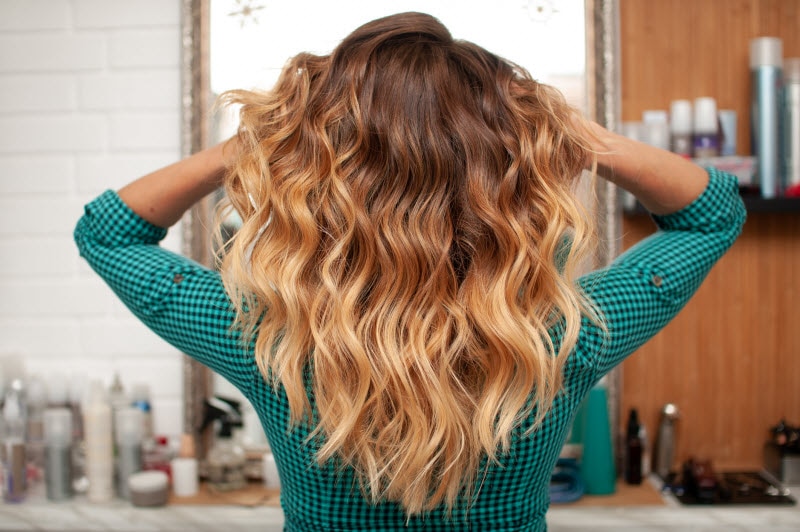
Credit: www.vitacost.com
Styling Essentials For Waves
Styling wavy hair can be a rewarding experience when you have the right essentials. Your waves deserve products and techniques that bring out their natural texture without weighing them down or causing damage. Let’s dive into some key styling essentials that keep your waves looking fresh, defined, and healthy.
Using Leave-in Conditioners
Leave-in conditioners are your waves’ best friends. They provide moisture and reduce frizz without making your hair greasy or heavy. I once skipped leave-in conditioner for a week and noticed my waves became dry and brittle, proving how crucial this step is.
Look for lightweight formulas with ingredients like aloe vera or glycerin. Apply the leave-in evenly on damp hair, focusing on the mid-lengths and ends. This helps your waves stay soft and manageable throughout the day.
Curl-enhancing Products
Enhancing your waves doesn’t require heavy gels or creams. Light mousse or curl-enhancing sprays can define your waves without crunchiness. Try scrunching these products into your hair while it’s damp to encourage natural wave formation.
Products with natural oils, like argan or jojoba, add shine and reduce frizz. Have you ever noticed how a small amount of product can transform limp waves into bouncy, lively hair? It’s all about choosing the right formula for your hair type.
Avoiding Heat Damage
Heat tools can quickly ruin your wave pattern if you’re not careful. Try air-drying whenever possible or use a diffuser on a low heat setting to keep your waves intact. I remember the frustration after one too many straightener sessions left my waves flat and lifeless.
When you do use heat, always apply a heat protectant spray. This small step shields your strands from damage and keeps your waves looking healthy. Ask yourself: Is the temporary smoothness worth the long-term damage?
Drying Techniques To Maintain Waves
Drying wavy hair properly keeps the waves defined and healthy. The right drying techniques reduce frizz and preserve natural texture. Avoid harsh drying that can damage your hair and ruin the wave pattern. Gentle care during drying helps maintain softness and shine.
Air-drying Vs. Diffusing
Air-drying is the gentlest way to dry wavy hair. It lets waves form naturally without heat damage. Pat your hair gently with a towel before air-drying to remove excess water. Avoid rubbing, which causes frizz and breaks waves.
Diffusing uses a blow dryer with a special attachment. It dries hair faster and adds volume. Use a low heat and low speed setting. Cup the hair with the diffuser and lift it near the scalp. This technique helps keep waves intact while speeding up drying time.
Plopping Method
Plopping is a popular drying method for wavy hair. It enhances wave definition and reduces frizz. Start with damp hair after applying styling products. Lay a cotton T-shirt flat and flip your hair onto it. Wrap the shirt around your head and secure it.
This method helps absorb moisture without rough towel drying. Leave the hair wrapped for 20 to 30 minutes. Then, let hair finish drying naturally or use a diffuser. Plopping keeps waves tight and bouncy.
Avoiding Frizz
- Use a microfiber towel or cotton T-shirt to dry hair.
- Do not rub hair with a towel; pat gently instead.
- Apply leave-in conditioner or anti-frizz serum on damp hair.
- Use cool or low heat settings on your dryer.
- Do not touch hair too much while drying.
These steps minimize frizz and keep waves smooth. Proper drying makes wavy hair look healthy and styled naturally.
Regular Haircuts And Trims
Regular haircuts and trims play a crucial role in keeping your wavy hair looking fresh and healthy. They help maintain your hair’s natural bounce and prevent damage that can weigh down your waves. Skipping trims might seem convenient, but it can lead to frustration when your waves lose their shape and vitality.
Maintaining Shape
Wavy hair tends to lose its shape as it grows, especially if the ends become uneven. Regular trims ensure that your waves stay defined and consistent, making styling easier. You might notice that after a haircut, your hair feels lighter and more manageable, which helps your natural pattern pop.
Think about how your hair looks a few weeks after a trim—does it start to fall flat or frizz more? Keeping a trim schedule every 6 to 8 weeks can prevent this and keep your waves lively.
Preventing Split Ends
Split ends are a common enemy for wavy hair because they travel up the hair shaft and cause further damage. Trimming regularly removes these damaged ends before they worsen, protecting your hair’s overall health. This simple step reduces breakage and keeps your hair looking smooth.
If you’ve ever ignored split ends, you know they can make your waves look frizzy and dull. By catching them early through trims, you avoid the hassle of dealing with tangles and uneven texture later on.
Nighttime Hair Care
Taking care of your wavy hair at night can make a big difference in how it looks and feels the next day. Nighttime hair care helps reduce frizz, prevent breakage, and keep your waves defined. Simple habits before bed can save you time and effort in the morning.
Protective Hairstyles
Try putting your hair in loose, protective styles like a loose braid or a high ponytail before sleeping. This keeps your waves from tangling and reduces friction that causes breakage.
I started tying my hair in a loose braid at night, and I noticed less frizz and fewer knots in the morning. It also keeps your hair from getting flattened or misshaped while you sleep.
Avoid tight hairstyles that pull on your scalp, as they can cause damage over time. Instead, use soft scrunchies or fabric-covered elastics to protect your strands.
Silk Or Satin Pillowcases
Switching to a silk or satin pillowcase can protect your hair better than cotton ones. These fabrics reduce friction, which means less breakage and frizz.
After I switched to a satin pillowcase, my hair felt smoother and my waves stayed more defined overnight. It’s a simple change that can make a big impact.
Plus, silk and satin pillowcases help your skin stay hydrated too—so it’s a win-win. Have you ever noticed how your hair looks after a night on cotton versus satin?
Diet And Hydration For Healthy Hair
Taking care of your wavy hair goes beyond just choosing the right shampoo or styling products. What you eat and how much water you drink play a crucial role in the health and appearance of your waves. Your hair needs essential nutrients and proper hydration to stay strong, shiny, and well-defined.
Nutrient-rich Foods
Your hair is made of protein, so eating enough protein-rich foods can make a big difference. Eggs, chicken, fish, and beans provide the building blocks your hair needs. Don’t forget about vitamins like A, C, D, and E, which help your scalp stay healthy and promote hair growth.
Iron and zinc are also key players. Spinach, lentils, and pumpkin seeds are excellent sources. I noticed my hair stopped breaking as much after I added more leafy greens and nuts to my meals. Could your diet be missing one of these essentials?
- Protein:Eggs, chicken, fish, beans
- Vitamins:Carrots (Vitamin A), oranges (Vitamin C), almonds (Vitamin E)
- Minerals:Spinach (Iron), pumpkin seeds (Zinc)
Hydration Tips
Water is often overlooked but is vital for your hair’s moisture balance. Drinking enough water keeps your scalp hydrated, reducing dryness and flakiness. I used to drink very little water and struggled with frizzy, dull waves. Once I increased my daily intake, my hair felt softer and more manageable.
Besides plain water, herbal teas and water-rich fruits like watermelon and cucumber can add to your hydration. Try to drink at least 8 glasses of water a day, but listen to your body’s needs. How much water do you think your hair truly needs?
- Set reminders to drink water regularly
- Eat fruits and vegetables with high water content
- Limit caffeine and alcohol which can dehydrate
Frequently Asked Questions
How Often Should I Wash Wavy Hair?
Wash wavy hair 2-3 times weekly to maintain natural oils. Over-washing can cause dryness and frizz. Use a gentle, sulfate-free shampoo to preserve waves and moisture.
What Products Work Best For Wavy Hair Care?
Use lightweight conditioners, curl-enhancing creams, and anti-frizz serums. Avoid heavy oils and silicones that weigh waves down. Choose products that define waves and maintain hydration.
How Can I Reduce Frizz In Wavy Hair?
Apply leave-in conditioners and use microfiber towels to dry hair gently. Avoid heat styling and use a diffuser. Regular deep conditioning helps control frizz effectively.
Should I Brush Or Comb Wavy Hair When Wet?
Use a wide-tooth comb on wet hair to detangle gently. Brushing dry wavy hair can cause frizz and breakage. Always start detangling from the ends, moving upward carefully.
Conclusion
Caring for wavy hair can be simple with the right steps. Start with gentle shampoo and conditioner. Use products that hydrate and define curls. Air dry when possible to avoid heat damage. Regular trims help keep your hair healthy. A wide-tooth comb prevents breakage.
Remember, each wave is unique. Embrace it and find what works best for you. With patience and practice, your wavy hair will shine. Enjoy the journey of learning and loving your waves.
