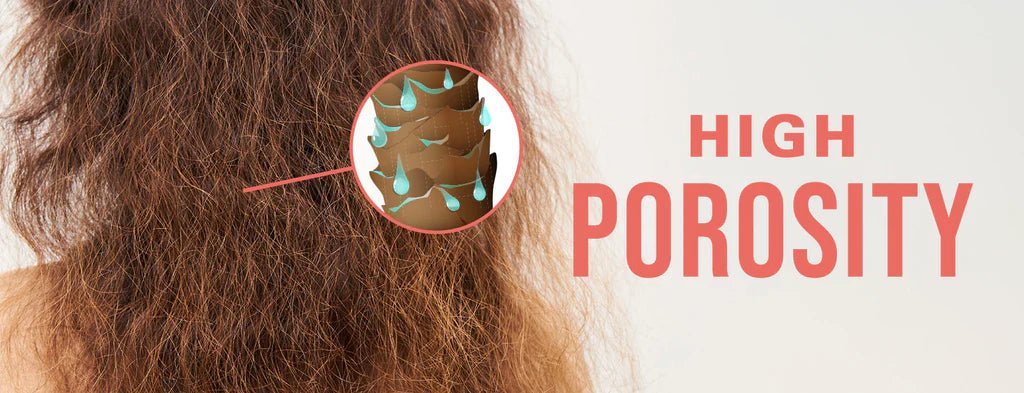
If you have high porosity hair, you know how tricky it can be to keep it healthy and strong. Your hair soaks up moisture quickly but loses it just as fast, leaving you frustrated with dryness, frizz, and breakage.
But don’t worry—there are simple steps you can take to give your hair the care it truly needs. You’ll discover easy tips and tricks tailored specifically for high porosity hair. Keep reading to unlock the secrets to softer, shinier, and more manageable hair every day.
Your best hair is just a few changes away!

Credit: ethnicgals.com
Identifying High Porosity Hair
Knowing whether your hair is high porosity is the first step to treating it right. High porosity hair behaves differently because its cuticles are raised or damaged, which affects how your hair absorbs and retains moisture. Recognizing the signs early can save you from frustration and help you choose products that actually work for your hair type.
Key Characteristics
- Quick Absorption but Fast Drying:Your hair soaks up water and products quickly but also dries out just as fast, leaving it feeling brittle.
- Frizz and Flyaways:You might notice more frizz, especially in humid weather, because raised cuticles allow moisture to escape easily.
- Dry and Rough Texture:Touch your hair; does it feel rough or straw-like? That’s a common sign of high porosity.
- Color Fades Quickly:If you color your hair, the dye might not last long as your hair struggles to hold onto pigments.
- Prone to Breakage:High porosity hair often breaks easily because it lacks moisture retention.
Common Causes
Several factors can lead to high porosity hair. Chemical treatments like bleaching, perming, and relaxing create gaps in the hair cuticle. Heat styling tools, such as flat irons and curling wands, also contribute by weakening the hair structure over time.
Environmental stressors play a role too. Sun exposure, harsh weather, and pollution wear down the cuticle layer. Even frequent washing with strong shampoos strips natural oils, making your hair more porous.
Have you ever noticed your hair acting differently after a trip to the beach or a day spent under the sun? That’s your hair reacting to environmental damage, increasing its porosity. Understanding these causes helps you adjust your hair care routine to protect and repair your strands effectively.
Credit: theorganibrands.com
Challenges With High Porosity Hair
High porosity hair comes with unique challenges that can make hair care feel like a constant battle. Understanding these challenges is key to managing your hair effectively and keeping it healthy. Let’s dive into what makes high porosity hair tricky and how you can tackle these issues head-on.
Moisture Retention Issues
High porosity hair struggles to hold onto moisture because the hair cuticles are raised or damaged. This means water and products slip out quickly, leaving your hair dry and brittle. You might notice your hair feels dry shortly after washing or styling, no matter how much product you use.
To combat this, focus on sealing moisture rather than just adding it. Using heavier oils or butters after moisturizing can lock in hydration. Have you tried layering products to trap moisture effectively?
Tendency To Frizz And Damage
The raised cuticles on high porosity hair also make it prone to frizz and breakage. Environmental factors like humidity and heat styling can cause your hair to become more fragile and prone to split ends. If you find your hair frizzes up or feels rough, it’s likely a sign of damage building up.
Protecting your hair with heat protectants and avoiding harsh chemicals can reduce damage. Gentle handling during detangling and styling is also crucial. What small changes can you make in your routine to keep your hair strong and smooth?
Effective Cleansing Techniques
Effective cleansing is a game-changer for high porosity hair. It helps maintain moisture balance and prevents further damage. Knowing how to clean your hair without stripping it is key to healthy, manageable locks.
Choosing The Right Shampoo
Look for shampoos that hydrate as they cleanse. Sulfate-free shampoos are usually gentler and less drying. Ingredients like aloe vera, glycerin, and natural oils can nourish your hair while cleaning.
Think about your hair’s specific needs. If your scalp feels oily but your ends are dry, try a shampoo designed for combination hair. A shampoo that balances moisture without weighing your hair down is ideal.
Have you noticed how some shampoos leave your hair feeling rough? That’s often a sign they aren’t right for your high porosity hair. Switching to a moisturizing shampoo can change your hair’s texture dramatically.
Avoiding Harsh Ingredients
Harsh chemicals can strip moisture quickly, making your hair more porous and prone to breakage. Avoid shampoos with sulfates like sodium lauryl sulfate or sodium laureth sulfate. These ingredients clean aggressively but damage the hair cuticle.
Parabens and alcohols can also dry out your hair. Instead, choose products with gentle preservatives and natural conditioning agents. Your hair will thank you by feeling softer and looking shinier.
Next time you pick a shampoo, read the label carefully. Are there any unfamiliar or harsh-sounding chemicals? If yes, it’s better to keep looking. Protect your hair by choosing products that respect its delicate structure.
Moisturizing Strategies
Moisturizing high porosity hair requires a thoughtful approach because your hair tends to lose moisture quickly. You need to focus on sealing in hydration and replenishing your strands regularly. Let’s dive into some effective moisturizing strategies that can make a real difference in how your hair feels and looks.
Deep Conditioning Methods
Deep conditioning is essential for high porosity hair to rebuild its moisture barrier. Try using a deep conditioner with rich ingredients like shea butter, coconut oil, or honey. These help fill in the gaps in your hair shaft, making it smoother and less prone to breakage.
Applying heat during deep conditioning can improve absorption. You can sit under a hooded dryer or wrap your hair in a warm towel for 20-30 minutes. Have you noticed how your hair responds better to treatments with added warmth?
Remember to deep condition once a week or every two weeks depending on how dry your hair feels. Consistency is key; skipping this step often leads to increased frizz and dryness.
Leave-in Conditioners And Oils
Leave-in conditioners work wonders by providing ongoing moisture throughout the day. Look for lightweight formulas that won’t weigh your hair down but still offer hydration. Ingredients like aloe vera and glycerin help attract and retain moisture effectively.
Oils are your best friends for sealing moisture in after applying leave-in conditioner. Use oils like jojoba, argan, or castor oil to lock in hydration. A small amount goes a long way—too much oil can make your hair look greasy instead of nourished.
Try the LOC method (Liquid, Oil, Cream) to maximize moisture retention. Have you tried layering your products in this order to keep your hair hydrated longer?
Sealing In Moisture
Sealing in moisture is a crucial step for caring for high porosity hair. This hair type tends to lose moisture quickly due to its open cuticles, so locking in hydration helps maintain softness and reduce frizz. Without proper sealing, your hair might feel dry and brittle even after moisturizing treatments.
Best Oils And Butters
Choosing the right oils and butters can make a huge difference in how well your hair retains moisture. Heavier oils like castor oil and avocado oil create a strong barrier on the hair shaft, preventing water from escaping.
Butters such as shea butter and mango butter are excellent for sealing because they form a thick, protective layer. These natural ingredients not only lock in moisture but also add shine and softness.
- Castor oil:Thick and nourishing, ideal for very dry ends.
- Avocado oil:Lightweight but deeply moisturizing.
- Shea butter:Rich and creamy, perfect for sealing and smoothing.
- Mango butter:Less greasy, great for a lighter seal.
Application Tips
Apply oils and butters while your hair is still damp to trap the moisture inside. After washing and conditioning, gently pat your hair with a microfiber towel or cotton T-shirt to remove excess water before sealing.
Start with a small amount of oil or butter and focus on the ends first, as they tend to be the driest. Avoid applying too much product to your scalp to prevent buildup and clogged pores.
Have you noticed how your hair reacts differently to various oils? Experiment with combinations to find what your hair loves most. Layering a light oil under a butter can create a custom seal that works wonders.

Credit: theradome.com
Protective Styling Options
Protective styling is essential for managing high porosity hair because it helps retain moisture and minimizes breakage. Choosing the right styles can prevent your hair from becoming dry and brittle, which is a common issue with high porosity strands. These styles reduce the need for frequent manipulation, giving your hair a much-needed break to recover strength and shine.
Low Manipulation Styles
Low manipulation styles are great because they limit how often you touch or style your hair. Styles like twist-outs, braids, or buns keep your hair secure without putting too much stress on the strands.
Try simple two-strand twists or loose braids to protect your hair while still looking stylish. These styles help lock in moisture and reduce the chance of breakage caused by daily combing or brushing.
Have you noticed your hair feels weaker after constant styling? Switching to low manipulation options can make a big difference in how healthy your hair feels over time.
Nighttime Protection
Protecting your hair at night is just as important as daytime care. Using satin or silk scarves and pillowcases helps reduce friction that causes split ends and frizz.
Before bed, try wrapping your hair or using a satin bonnet to keep your styles intact and moisture locked in. This simple step can prevent dryness and breakage, especially for high porosity hair that loses moisture easily.
Do you wake up with tangled or dry hair? Nighttime protection might be the missing piece in your hair care routine to wake up with healthier, smoother strands.
Minimizing Heat And Chemical Damage
Minimizing heat and chemical damage is crucial for maintaining the health of high porosity hair. This hair type tends to absorb moisture quickly but also loses it fast, making it vulnerable to breakage and dryness. Protecting your hair from harsh treatments and excessive heat can help preserve its natural strength and shine.
Safe Heat Styling Practices
Using heat tools carefully can prevent unnecessary damage. Always apply a heat protectant spray or serum before styling to create a barrier between your hair and the heat. Try to keep the temperature below 350°F (175°C) to avoid burning your hair strands.
Limit how often you use flat irons, curling wands, or blow dryers. Instead of daily heat styling, experiment with heat-free styles like braids or twists. When you do use heat, avoid going over the same section multiple times. This reduces the stress on fragile hair.
Alternatives To Chemical Treatments
Chemical processes such as relaxers, perms, or frequent coloring can weaken high porosity hair. Consider natural alternatives that nourish rather than strip your hair. Henna, for example, can add color and strengthen your hair without harsh chemicals.
Deep conditioning treatments with natural oils like coconut or argan oil can help restore moisture and protect the hair cuticle. Have you tried protein treatments? They can temporarily fill in gaps in the hair shaft, reducing porosity and improving manageability.
Would switching to less frequent or gentler treatments help your hair feel stronger? Sometimes, giving your hair a break from chemicals allows it to repair itself and grow healthier over time.
Diet And Lifestyle For Healthy Hair
Healthy hair starts from within. Eating well and living a balanced life helps your hair stay strong and shiny. High porosity hair needs extra care because it loses moisture quickly. A good diet and habits can keep your hair hydrated and nourished.
Nutrients That Promote Shine
Certain vitamins and minerals help make hair smooth and glossy. Include these in your meals:
- Vitamin A: Helps produce oils that keep hair shiny.
- Vitamin E: Protects hair from damage and adds shine.
- Biotin (Vitamin B7): Strengthens hair and reduces breakage.
- Omega-3 Fatty Acids: Nourishes scalp and improves hair texture.
- Iron: Prevents hair loss and supports healthy growth.
- Zinc: Helps repair hair and maintain scalp health.
Eating fruits, vegetables, nuts, and fish provides these nutrients naturally.
Hydration And Hair Health
Water is essential for keeping hair soft and flexible. Drink plenty of water every day. Hydrated hair is less likely to become dry and brittle.
Limit caffeine and sugary drinks that can dry out your body and hair. Sleep well to allow your body to repair and grow hair cells. Stress can harm hair health, so practice relaxation techniques like meditation or gentle exercise.
Frequently Asked Questions
What Is High Porosity Hair?
High porosity hair has open cuticles that absorb moisture easily but lose it quickly. This type of hair often feels dry, frizzy, and tangles easily. It benefits from deep conditioning treatments and using moisturizing products. Understanding your hair’s porosity helps in selecting the right care routine.
How Can I Moisturize High Porosity Hair?
To moisturize high porosity hair, use leave-in conditioners and rich, creamy products. Seal moisture with oils like argan or jojoba. Avoid heat styling and opt for air drying instead. Regular deep conditioning masks help maintain moisture levels.
What Products Are Best For High Porosity Hair?
Look for sulfate-free shampoos and moisturizing conditioners. Use products containing shea butter, coconut oil, or glycerin. These ingredients help lock in moisture. Avoid products with alcohol, as they can dry out your hair further.
How Often Should I Wash High Porosity Hair?
Wash high porosity hair two to three times a week. Over-washing can strip natural oils and increase dryness. Use a co-wash or gentle sulfate-free shampoo. Follow with a hydrating conditioner to retain moisture and improve hair health.
Conclusion
Caring for high porosity hair takes patience and gentle steps. Use deep conditioners to keep hair soft and strong. Avoid harsh chemicals and heat that can cause damage. Seal moisture with oils or butters to prevent dryness. Regular trims help stop split ends and breakage.
Stay consistent with your routine for best results. Healthy hair grows with care and time. Small changes make a big difference in hair health. Keep learning about your hair’s needs and adjust as you go. Your hair can look and feel great every day.
