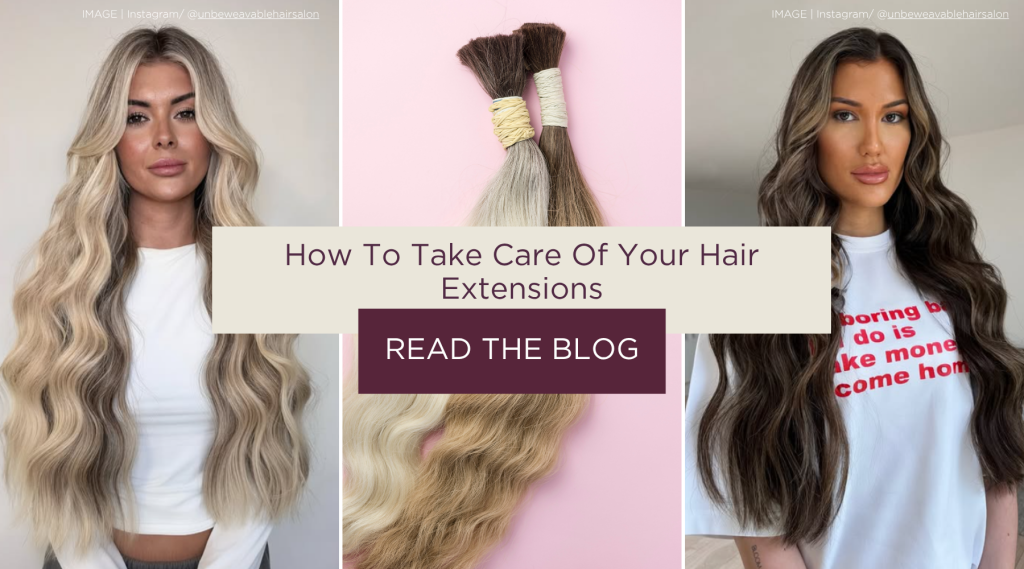
Are you loving your hair extensions but worried about keeping them looking fresh and natural? You’re not alone.
Hair extensions can transform your look, but without the right care, they can quickly lose their shine and tangle easily. The good news? With a few simple steps, you can keep your extensions soft, smooth, and stunning for weeks. You’ll discover easy tips and tricks that fit into your daily routine, helping your hair extensions stay beautiful and last longer.
Ready to unlock the secrets to gorgeous, healthy extensions? Let’s dive in!

Credit: www.bigkizzyhair.com
Choosing The Right Extensions
Choosing the right hair extensions is crucial for achieving a natural look and ensuring your hair stays healthy. Picking extensions that suit your lifestyle, hair type, and desired style can make a big difference in both appearance and maintenance. Let’s break down what you need to know before making your choice.
Types Of Hair Extensions
Hair extensions come in various forms, each with unique benefits and drawbacks. Clip-ins are great if you want flexibility—they’re easy to apply and remove without professional help.
Sew-in or weave extensions offer a more permanent option but require a stylist’s expertise. Tape-ins lie flat against your scalp and blend well but need regular upkeep.
Consider how long you want to wear your extensions and how much time you can spend on maintenance. Which type fits your daily routine best?
Selecting Quality Hair
Quality affects not only how extensions look but also how long they last. Human hair extensions tend to look more natural and can be styled with heat tools, unlike synthetic ones.
Within human hair, Remy hair is top-tier because all the strands run in the same direction, preventing tangling. Low-quality extensions might save money upfront but can lead to frustration and damage.
Think about your budget and how much effort you want to invest in care. Would you rather spend a bit more now and enjoy longer-lasting extensions?
Matching Color And Texture
Matching extensions to your natural hair color and texture is key for seamless blending. Don’t settle for a close match—get as precise as possible to avoid a patchy look.
If your hair is wavy, straight extensions won’t blend well, no matter how similar the color is. Some brands offer customizable shades or even multi-toned options that mimic natural highlights.
Have you ever noticed extensions that don’t quite match? That mismatch can ruin your whole style. Take the time to compare samples in natural light before buying.
Preparing Your Hair
Preparing your hair before applying extensions sets a strong base. It helps the extensions last longer and keeps your natural hair healthy. Clean, smooth hair prevents damage and makes the process easier.
Cleaning Before Application
Wash your hair with a gentle shampoo to remove oils and dirt. Avoid heavy conditioners that leave residue. Dry your hair completely before starting. Clean hair helps the extensions stick better and stay fresh.
Protecting Natural Hair
Apply a light leave-in conditioner to keep your hair soft. Use a heat protectant if you style your hair with heat tools. Avoid heavy oils or creams that can slip under the extensions. Protecting your hair reduces breakage and irritation.
Detangling Tips
Use a wide-tooth comb or a brush made for extensions. Start detangling from the ends and work your way up slowly. Be gentle to avoid pulling or breaking your hair. Smooth hair makes it easier to attach extensions and keeps them neat.
Washing And Conditioning
Keeping your hair extensions clean and well-conditioned is key to maintaining their natural look and extending their lifespan. Proper washing and conditioning not only remove dirt and oils but also keep the strands soft and manageable. Let’s dive into how you can care for your extensions without causing damage.
Using Mild Products
Choose shampoos and conditioners that are free from sulfates, parabens, and alcohol. These harsh ingredients can dry out your extensions, making them brittle and prone to breakage.
Opt for products labeled as gentle or formulated for color-treated hair. These usually contain moisturizing agents that protect your extensions.
Have you noticed how some shampoos leave your extensions feeling rough? That’s often a sign the product is too harsh.
Washing Techniques
Always start by detangling your extensions with a wide-tooth comb before washing. This prevents knots and reduces strain on the strands.
Use lukewarm water to rinse your extensions gently. Hot water can weaken the bonds or cause synthetic fibers to warp.
Apply shampoo by softly massaging it into the hair using downward strokes. Avoid rubbing or twisting, which can cause tangling.
Rinse thoroughly to remove all shampoo residue. Leftover product can weigh extensions down and attract dirt.
Deep Conditioning
Once a week, treat your extensions to a deep conditioning mask. This replenishes moisture and keeps the hair looking shiny and healthy.
Apply the conditioner from mid-length to ends, avoiding the roots or bonds to prevent slippage.
Cover your hair with a shower cap and let the conditioner sit for 10-15 minutes. For extra nourishment, gently warm the conditioner with a hairdryer on low heat.
Rinse with cool water to seal the hair cuticles and lock in moisture.

Credit: hairbyshay.ca
Drying And Styling
Drying and styling hair extensions require special care to keep them looking fresh and lasting longer. Treat them gently during these steps to avoid tangling and breakage. Proper techniques help maintain their natural shine and softness. Follow simple practices to enjoy beautiful, healthy extensions every day.
Gentle Drying Methods
Pat extensions dry with a soft towel instead of rubbing. Avoid twisting or wringing them out. Air drying is best to prevent heat damage. If using a blow dryer, use a cool or low heat setting. Hold the dryer at a distance to avoid direct heat. Comb gently with a wide-tooth comb while drying to reduce knots.
Heat Styling Tips
Use heat styling tools sparingly. Always apply a heat protectant spray before styling. Choose low to medium heat settings on curling irons and straighteners. Limit the time the tool touches the hair to a few seconds. Style extensions in small sections for even heat distribution. Avoid daily heat styling to preserve hair quality.
Avoiding Damage
Do not sleep with wet extensions. Brush extensions regularly with a soft brush to prevent tangles. Avoid heavy hair products that cause buildup. Keep extensions away from chlorine and saltwater. Trim ends if they become dry or split. Handle extensions with clean hands to prevent dirt and oil buildup.
Maintaining Extensions Daily
Maintaining hair extensions daily keeps them looking fresh and natural. Proper care extends their life and prevents damage. Simple habits protect both your extensions and natural hair.
Brushing Techniques
Use a wide-tooth comb or a special extension brush. Start brushing from the ends and move upward gently. Avoid tugging or pulling on the bonds or wefts. Brush your hair several times a day to prevent tangles. Always be gentle to avoid breakage.
Sleeping With Extensions
Never sleep with wet hair extensions. Tie your hair in a loose braid or ponytail before bed. Use a silk or satin pillowcase to reduce friction. This helps prevent tangling and frizz. Keeping extensions neat overnight saves time and damage.
Protective Hairstyles
Protective styles reduce stress on hair extensions. Try loose braids, buns, or ponytails. Avoid tight hairstyles that pull on the roots. Protective hairstyles keep your extensions tidy and lasting longer. Change styles regularly to avoid constant pressure on one area.
Troubleshooting Common Issues
Hair extensions can transform your look, but they sometimes come with challenges that might frustrate you. Knowing how to address common issues like tangling, shedding, and slippage can save you time and keep your extensions looking flawless. Let’s break down practical ways to troubleshoot these problems and maintain your beautiful hair.
Managing Tangling
Tangled extensions not only look messy but can also cause damage if not handled gently. To prevent tangling, always brush your extensions with a wide-tooth comb or a special extension brush starting from the ends and working your way up.
Try detangling your hair when it’s dry or slightly damp—not soaking wet—as wet hair is more prone to breakage. Applying a lightweight leave-in conditioner can add slip and make brushing easier. Have you noticed that skipping regular brushing increases knots? Consistency is key to avoiding this hassle.
Dealing With Shedding
Some shedding is normal, but excessive hair loss from your extensions can be alarming. It often happens if the bonds or wefts are damaged or if you’re brushing too harshly. Use a gentle touch and avoid pulling when styling or washing your hair.
Pay attention to your washing routine: use sulfate-free shampoos and conditioners designed for extensions. These products keep the bonds intact and reduce breakage. If you notice more hair than usual coming out, it might be time to check if your extensions need professional maintenance.
Handling Slippage
Slippage happens when extensions start sliding out of place, making your hair look uneven and sparse. This can be due to improper installation or natural hair shedding. If you feel your extensions loosening, avoid heavy styling products that weigh hair down and loosen bonds.
Sleeping with your hair tied in a loose braid or ponytail can prevent tangling and slippage overnight. Are you using the right hair care routine that supports your extension type? Sometimes, a quick visit to your stylist to tighten or reposition extensions is the best solution to keep your look seamless.
Professional Care And Removal
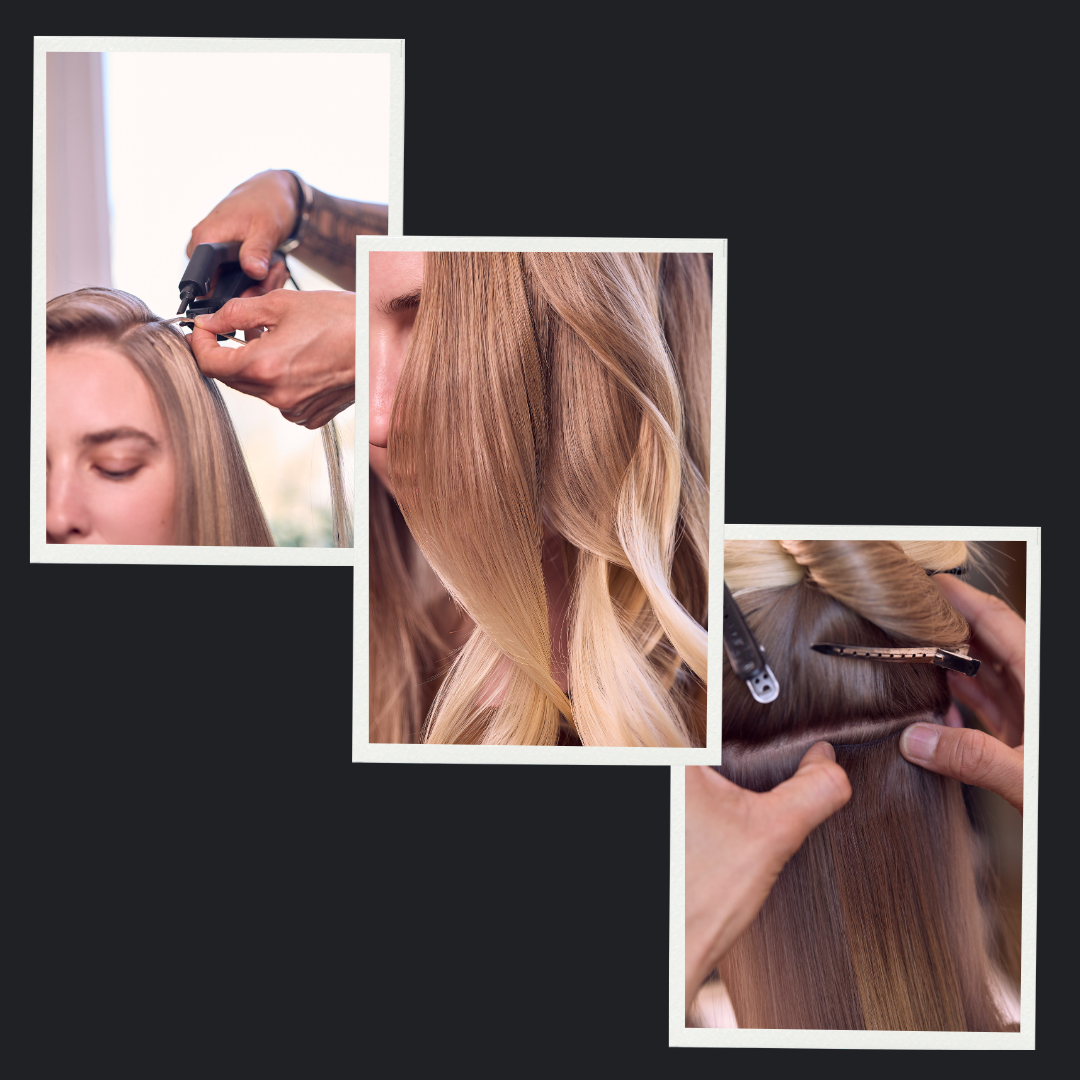
Professional care and removal of hair extensions play a crucial role in maintaining their health and appearance. Trusting a skilled stylist ensures your extensions stay intact without damaging your natural hair. Neglecting this can lead to tangling, breakage, and even hair loss.
Scheduling Regular Appointments
Keeping a consistent schedule with your stylist helps catch any issues early. Most extensions need maintenance every 6 to 8 weeks. During these visits, your stylist will check for slippage, adjust placement, and clean the bonds.
Think about how skipping these appointments might affect your hair. Could you risk damage just to save time or money? Regular visits keep your extensions looking fresh and your hair healthy.
Safe Removal Practices
Removing extensions on your own can lead to pulling and breakage. Professionals use special tools and techniques designed to dissolve adhesives or unclip bonds gently. This careful process prevents unnecessary stress on your natural hair.
If you’ve ever tried to pull out extensions yourself, you know how painful it can be. Why risk damage when a stylist can remove them safely and painlessly? Your hair deserves that care.
Reapplication Tips
After removal, it’s important to give your hair a break before reapplying extensions. A few weeks of deep conditioning helps restore moisture and strength. When ready to reapply, discuss with your stylist the best type of extensions for your hair condition.
Have you considered rotating types of extensions or different attachment methods? This can reduce strain and keep your hair healthier over time. Always let your stylist guide you on timing and type for reapplication.
Credit: anhcotran.com
Frequently Asked Questions
How Often Should I Wash Hair Extensions?
Wash hair extensions every 7-14 days to keep them clean. Use sulfate-free shampoo and conditioner. Avoid overwashing to prevent dryness and tangling.
Can I Use Heat Tools On Hair Extensions?
Yes, use heat tools on extensions but keep the temperature low. Always apply a heat protectant spray to avoid damage and maintain shine.
What Is The Best Way To Brush Hair Extensions?
Use a wide-tooth comb or special extension brush. Start detangling from the tips and work upwards gently. Avoid pulling to prevent shedding.
How Do I Prevent Tangling In Hair Extensions?
Keep hair extensions moisturized and brushed daily. Sleep with hair tied in a loose braid or ponytail. Avoid excessive friction and harsh styling products.
Conclusion
Caring for hair extensions doesn’t have to be hard. With gentle handling, they last longer. Use mild shampoo and avoid heat tools frequently. Brush them softly to prevent tangles. Always dry them properly after washing. Storing them carefully is also key.
This keeps them looking new and shiny. Remember, well-maintained extensions boost your confidence. They help you feel your best. Invest a little time in care, enjoy beautiful hair every day. By following these tips, your extensions can remain vibrant and full of life.
Keep them healthy and they will thank you.
