Are you tired of your fine hair falling flat no matter what you do? You’re not alone.
Fine hair can be tricky to manage, but with the right care, it can look full and fabulous. Imagine running your fingers through your hair, feeling it soft, voluminous, and healthy. Sounds amazing, right? In this guide, we’ll uncover simple yet effective tips to transform your fine hair from limp to luscious.
Stay with us to discover how to give your fine hair the care and attention it truly deserves.
Credit: www.garnierusa.com
Choosing The Right Shampoo
Choosing the right shampoo is key to caring for fine hair. Fine hair tends to be delicate and prone to breakage. The wrong shampoo can weigh it down or strip away natural oils. A good shampoo cleans gently while adding volume and shine. It also protects the hair’s natural texture. Focus on formulas designed specifically for fine hair to keep it healthy and vibrant.
Sulfate-free Formulas
Sulfates can strip natural oils from hair and scalp. This leaves fine hair dry and brittle. Sulfate-free shampoos clean without harsh detergents. They help maintain moisture and reduce frizz. These formulas are gentler and support hair strength. Choose sulfate-free options for daily or frequent washing.
Lightweight Conditioning
Heavy conditioners can weigh fine hair down. Look for shampoos with lightweight conditioning agents. These add softness without buildup. They help detangle and smooth hair strands. Lightweight formulas keep hair feeling light and bouncy. They provide the right balance of moisture and volume.
Clarifying Shampoos
Clarifying shampoos remove product buildup and impurities. Fine hair can get oily or flat from residue. Use clarifying shampoo once every week or two. It refreshes hair and scalp without over-drying. Choose gentle clarifying shampoos to avoid stripping natural oils.

Credit: m.youtube.com
Effective Conditioning Techniques
Effective conditioning is key to maintaining fine hair without weighing it down. Choosing the right techniques can boost your hair’s strength and shine while keeping it light and bouncy. Let’s look at how you can condition your fine hair properly to get the best results.
Using Leave-in Conditioners
Leave-in conditioners are a great way to keep your fine hair hydrated throughout the day. They add moisture without rinsing out, which helps prevent dryness and breakage.
Look for lightweight formulas labeled “for fine hair” or “volumizing.” Avoid heavy creams that can make your hair look flat or greasy. Spray or apply a small amount on damp hair, focusing on the ends rather than the roots.
Have you noticed how a little leave-in conditioner can transform your hair’s texture by making it smoother yet still full of life?
Avoiding Heavy Products
Heavy conditioners and styling products can quickly weigh down fine hair, stripping it of volume. Products with thick oils or butters might feel nourishing but often leave your hair limp.
Instead, choose conditioners with light ingredients like aloe vera, glycerin, or panthenol. These hydrate without buildup.
Try reading product labels carefully and ask yourself: Does this add weight or just moisture? Your answer will guide better choices.
Deep Conditioning Tips
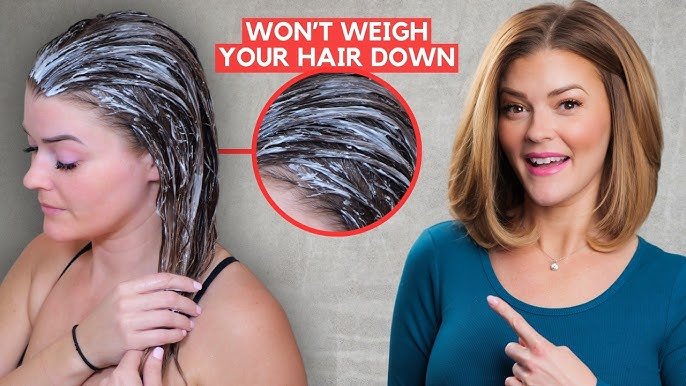
Deep conditioning is essential but needs to be done carefully with fine hair. Using rich masks once a week can restore moisture and prevent damage.
Apply the deep conditioner primarily to the mid-lengths and ends. Avoid the scalp to stop excess oiliness or heaviness.
For an extra boost, wrap your hair in a warm towel after applying the mask. It helps the treatment penetrate more effectively. How often you deep condition depends on your hair’s dryness—experiment to find your sweet spot.
Styling Tips For Volume
Fine hair often looks flat and lacks body. Styling for volume can change that. Small changes in how you style can lift your hair and add bounce.
Blow-drying Strategies
Blow-drying can boost volume if done right. Start with towel-dried hair. Use a round brush to lift roots while drying. Direct hot air at the roots, not the ends. Flip your head upside down for extra lift. Finish with a cool blast to set the style.
Volumizing Products
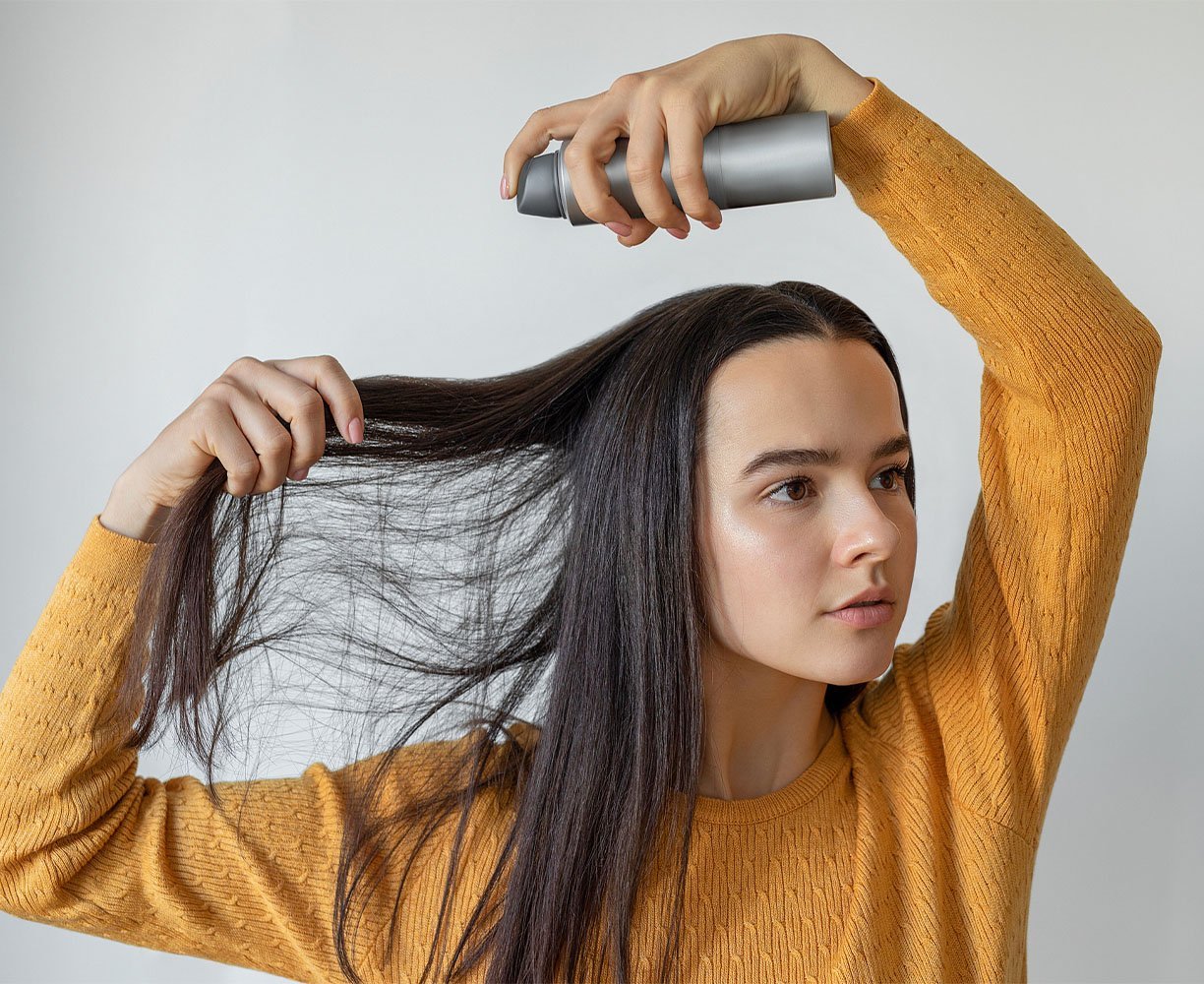
Choose products made for fine hair. Mousse or root-lifting sprays add body without weight. Apply these at the roots before drying. Avoid heavy oils or creams that can make hair limp. Dry shampoo can add texture and absorb oil.
Heat Protection
Heat tools can harm fine hair. Use a heat protectant spray before blow-drying or curling. It shields hair from damage and keeps strands strong. Lower heat settings work better for fragile hair. Protecting hair helps maintain volume longer.

Credit: pumphaircare.com
Daily Hair Care Habits
Daily hair care habits play a big role in keeping fine hair healthy. Gentle routines help prevent breakage and maintain shine. Simple changes make fine hair strong and smooth.
Gentle Brushing
Use a soft-bristle brush or a wide-tooth comb. Start brushing from the ends and work up slowly. Avoid pulling or tugging hair. Brushing gently reduces hair breakage. It also helps distribute natural oils for shine.
Avoiding Overwashing
Wash hair only two to three times a week. Overwashing strips natural oils, making hair dry. Use a mild shampoo made for fine hair. Focus shampoo on the scalp, not the ends. Rinse with cool water to seal hair cuticles.
Protecting Hair At Night
Sleep on a silk or satin pillowcase. These fabrics reduce friction and prevent tangles. Tie hair loosely or use a soft scrunchie. Avoid tight hairstyles that cause stress on hair. Protecting hair at night keeps strands smooth and healthy.
Diet And Hair Health
Your diet plays a huge role in the health of your fine hair. What you eat directly affects the strength, shine, and growth rate of your strands. It’s not just about what you put on your hair but what you feed your body that matters most.
Essential Nutrients
Fine hair needs specific nutrients to stay strong and vibrant. Protein is key because hair is mostly made of keratin, a type of protein. Without enough protein, your hair can become weak and break easily.
Vitamins like A, C, D, and E are also crucial. Vitamin C helps your body absorb iron, which supports hair growth, while Vitamin A helps produce natural oils that keep your scalp moisturized.
Don’t forget minerals like iron, zinc, and biotin. These support hair growth and repair. Have you noticed your hair thinning after skipping meals? That could be a sign your body isn’t getting the nutrients it needs.
Hydration Importance
Water makes up a large part of your hair’s structure. Staying hydrated keeps your scalp healthy and prevents dryness and brittleness. Drinking enough water each day can help maintain your hair’s natural moisture balance.
Think of hydration as the foundation for all other hair care efforts. Even the best hair products won’t work well if your scalp is dry or flaky. Try to drink at least 8 glasses of water daily and notice how your hair responds.
Supplements For Fine Hair
Sometimes, your diet might not provide all the nutrients your hair needs. In those cases, supplements can help fill the gaps. Options like biotin, collagen peptides, and omega-3 fatty acids are popular for supporting hair health.
Before adding supplements, ask yourself if your diet is balanced. If it is, supplements might only provide a small boost. However, many people find a noticeable difference in hair thickness and shine after consistent use.
Always check with a healthcare professional before starting any new supplement to ensure it’s safe and right for you.
When To Seek Professional Help
Knowing when to seek professional help for your fine hair can save you from costly mistakes and frustration. Sometimes, your hair needs more than just at-home care—expert advice and treatment can make a significant difference. Understanding the signs and finding the right support ensures your hair stays healthy and vibrant.
Recognizing Hair Damage
Are you noticing increased breakage or excessive thinning? Fine hair is fragile and can show damage quickly through split ends, dullness, or scalp irritation. If your hair feels limp or looks lifeless despite regular care, it might be time to get a professional assessment.
Ignoring these signs can worsen the condition. A stylist can identify issues like protein loss or moisture imbalance that you might not see on your own. Don’t wait until your hair is beyond repair—catching damage early helps maintain strength and shine.
Choosing The Right Stylist
Finding a stylist who understands fine hair is crucial. Not every hair professional has experience with delicate strands that require gentle handling and specific products. Look for someone who asks detailed questions about your hair history and listens to your concerns.
Ask about their experience with fine hair treatments and request before-and-after photos. A good stylist will tailor their approach to your hair type rather than offering one-size-fits-all solutions. Remember, your hair deserves expertise, not guesswork.
Treatments For Fine Hair
Professional treatments can restore your fine hair’s health and boost its volume. Options like protein treatments, scalp therapies, and gentle conditioning masks provide targeted care that regular shampoos can’t offer. These treatments strengthen strands and improve manageability.
Some salons offer customized plans combining multiple treatments for long-term results. You might also explore options like low-heat styling or specialized haircuts that enhance fullness. Don’t hesitate to ask your stylist what works best for your unique hair needs.
Frequently Asked Questions
How Often Should I Wash Fine Hair?
Washing fine hair 2-3 times a week is ideal. Overwashing can strip natural oils, causing dryness. Use a gentle, volumizing shampoo to maintain body and shine without weighing hair down.
What Are The Best Products For Fine Hair?
Lightweight, volumizing shampoos and conditioners work best for fine hair. Avoid heavy oils and silicones that cause buildup. Look for products labeled “fine hair” or “volumizing” to add lift and texture without heaviness.
How Can I Add Volume To Fine Hair?
Use a root-lifting spray or mousse on damp hair before blow-drying. Blow-dry upside down for extra lift. Avoid heavy styling products that weigh hair down and opt for light texturizing sprays to boost volume.
Should I Avoid Heat Styling For Fine Hair?
Limit heat styling to prevent damage and breakage. Use a heat protectant spray before styling. Opt for lower heat settings and avoid daily use to keep fine hair healthy and strong.
Conclusion
Caring for fine hair takes patience and the right habits. Use gentle shampoos and avoid heavy products. Comb hair softly to prevent breakage. Regular trims keep hair healthy and neat. Protect hair from heat and harsh weather. Eat well and stay hydrated for strong hair.
Small daily steps make a big difference. Your fine hair can look full and shiny. Keep these tips simple and steady. Enjoy healthy hair every day.
