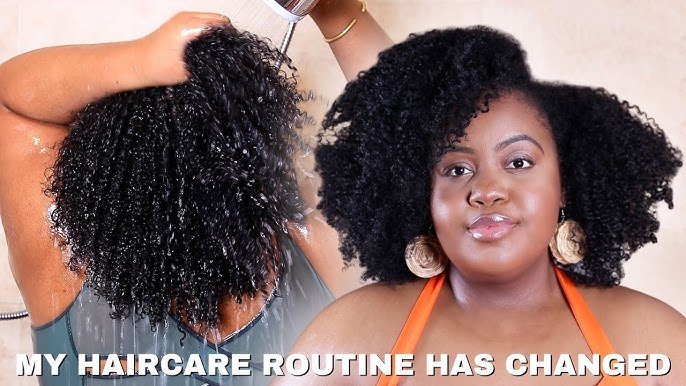
Caring for black hair can feel tricky if you don’t know the right steps. Your hair deserves special attention to stay healthy, shiny, and strong.
What if you could easily learn simple tips that make a big difference? Imagine running your fingers through soft, well-moisturized hair every day without worrying about breakage or dryness. You’ll discover easy, effective ways to care for your black hair and unlock its natural beauty.
Keep reading—your hair will thank you.
Hair Structure And Needs
Understanding the structure and needs of black hair is key to keeping it healthy and vibrant. Black hair has distinct characteristics that influence how it behaves and what care routines work best. Knowing these can help you tailor your hair care approach to suit your unique texture.
Unique Traits Of Black Hair
Black hair strands often have a natural curl or coil pattern, making them more prone to dryness. The twists and turns in the hair shaft create gaps where natural oils struggle to travel down the hair, which means moisture retention can be a challenge.
The hair is also stronger and thicker in diameter compared to other hair types, but this doesn’t mean it’s less fragile. Its structure makes it more susceptible to breakage if handled roughly or exposed to harsh chemicals.
Have you noticed how your hair responds differently to products? That’s because black hair can absorb and hold onto moisture differently, so choosing the right moisturizing ingredients can make a big difference in your hair’s health.
Common Hair Challenges
Dryness tops the list of issues black hair faces. Since natural oils don’t easily reach the ends, your hair can feel brittle or rough without regular hydration.
- Breakage:Frequent styling, combing, or tight hairstyles can cause strands to snap.
- Shrinkage:Black hair often appears much shorter than it really is when dry due to its curl pattern.
- Scalp sensitivity:Some people experience itchiness or flakiness, which can impact hair growth.
What small changes can you make in your routine to reduce these challenges? Sometimes, simply switching to a wide-tooth comb or trying a deep-conditioning mask weekly can improve your hair’s strength and moisture.
Cleansing And Conditioning
Cleansing and conditioning are the foundation of healthy black hair care. Proper washing removes dirt and product buildup without stripping natural oils that keep your hair moisturized. Conditioning restores hydration and softness, making your hair easier to manage and style.
Choosing The Right Shampoo
Not all shampoos work well with black hair. Look for sulfate-free shampoos that gently clean without drying out your scalp or hair strands. Ingredients like shea butter, coconut oil, and aloe vera help maintain moisture.
Think about your hair’s needs: is it dry, oily, or balanced? Pick a shampoo that matches those needs to avoid over-drying or leaving residue behind. If you color your hair, use shampoos specially designed for color protection to keep your shade vibrant longer.
Have you ever felt your hair getting rough or brittle after washing? That’s a sign your shampoo might be too harsh. Switching to a milder formula can make a huge difference in how your hair feels and looks.
Deep Conditioning Benefits
Deep conditioning is more than just a step—it’s a game changer for black hair. Regular deep conditioning treatments help repair damage, reduce breakage, and boost shine. They provide intense moisture that regular conditioners can’t match.
Try deep conditioning once a week or every two weeks depending on your hair’s condition. Use products with natural oils like argan, jojoba, or avocado oil for best results. Leave the treatment on for at least 20 minutes to let your hair fully absorb the nutrients.
Have you noticed your hair feels stronger and less tangled after deep conditioning? That’s because it replenishes your hair’s natural protein and moisture balance. Don’t skip this step if you want smooth, resilient hair that handles styling better.
Moisturizing Techniques
Moisturizing black hair is essential for keeping it healthy and vibrant. Without proper moisture, your hair can become dry, brittle, and prone to breakage. Finding the right moisturizing techniques helps you maintain softness and manageability every day.
Daily Moisture Routine
Start your day by spritzing your hair with water or a water-based leave-in conditioner. This simple step adds instant hydration without weighing your hair down.
Seal in moisture with a light cream or lotion to lock water into your strands. Doing this daily prevents dryness and keeps your hair feeling soft.
Are you giving your hair enough attention every day? Even a few minutes of consistent moisturizing can make a huge difference in how your hair looks and feels.
Effective Oils And Butters
Oils and butters are key to locking in moisture and protecting your hair. Use natural oils like jojoba, argan, or castor oil for their nourishing properties.
Butters such as shea or mango butter provide a thicker barrier, perfect for sealing moisture in thicker or coarser hair types.
Try mixing your favorite oil with shea butter for a custom moisturizer that fits your hair’s unique needs. What combination works best for you might surprise you.

Credit: www.youtube.com
Styling Tips
Styling black hair can be a fun way to express yourself, but it needs the right approach to keep your hair healthy and vibrant. The key is to choose styles and techniques that protect your strands while highlighting your natural beauty. Let’s look at some practical styling tips that work well for black hair.
Protective Styles
Protective styles shield your hair from daily wear and tear. These styles keep the ends tucked away, reducing breakage and moisture loss. Some popular options include twists, braids, buns, and wigs.
Try wearing box braids or Senegalese twists if you want low-maintenance styles that last weeks. You can also opt for a sleek bun to protect your ends while looking polished. Just make sure your styles aren’t too tight to avoid stress on your scalp and edges.
Have you noticed how your hair feels after wearing protective styles? If it feels softer and less tangled, you’re likely doing it right.
Heat Styling Precautions
Heat tools like flat irons and curling wands can create beautiful looks but can also cause damage if not used carefully. Always apply a heat protectant before using any hot tools to minimize breakage and dryness.
Keep your heat settings on medium or low rather than the highest temperature. This reduces the risk of frying your hair without sacrificing style.
Also, avoid using heat styling every day. Give your hair breaks between sessions to recover and stay strong. Have you ever noticed your hair becoming brittle after frequent heat styling? That’s a sign to slow down and pamper your strands.
Detangling And Combing
Detangling and combing are essential parts of caring for black hair. Proper care prevents breakage and keeps hair healthy. This process needs patience and the right methods to avoid damage.
Black hair is often delicate and prone to tangling. Using the correct tools and gentle techniques helps maintain its natural beauty and strength.
Best Tools For Detangling
- Wide-tooth combs help ease knots without pulling hair.
- Detangling brushes with flexible bristles reduce breakage.
- Fingers work well for very tight curls or small sections.
- Spray bottles with water or leave-in conditioner soften hair.
- Hair clips section hair for easier handling and control.
Gentle Techniques
- Start detangling from the ends and work upward slowly.
- Divide hair into small sections for better control.
- Apply conditioner or oil to add slip and reduce friction.
- Use fingers or a wide-tooth comb with soft strokes.
- Never force knots; patiently work through tangles piece by piece.
- Comb hair when damp, not soaking wet, to avoid breakage.

Credit: www.boucleme.co.uk
Nighttime Care
Taking care of black hair at night is just as important as daytime maintenance. Nighttime care helps prevent breakage, dryness, and tangling, so your hair stays healthy and strong. What simple changes can you make to your bedtime routine to protect your hair?
Protective Night Styles
Choosing the right hairstyle before bed can make a huge difference. Styles like loose braids, twists, or a low bun reduce friction and stop your hair from rubbing harshly against your pillow.
I started sleeping with my hair in two-strand twists, and I noticed less breakage and fewer tangles in the morning. It’s easy and takes just a few minutes to do.
Try to avoid tight hairstyles that pull on your scalp, as they can cause tension and damage over time. Keep your night styles gentle and loose to protect your edges and scalp.
Using Silk And Satin
Switching from cotton pillowcases to silk or satin can change your hair’s health overnight. These materials reduce friction, so your hair doesn’t get dry or frizzy while you sleep.
I used to wake up with rough, tangled hair until I started using a satin bonnet and pillowcase. The difference was clear in just a few nights—my hair felt softer and looked shinier.
If you don’t want to wear a bonnet, at least get a satin pillowcase. Your hair will thank you with less breakage and more moisture retention.
Diet And Hair Health
Your diet plays a crucial role in how healthy and strong your black hair looks and feels. What you eat directly affects your hair’s growth, shine, and resilience. Paying attention to your nutrition can make a noticeable difference in your hair care routine.
Nutrients For Strong Hair
Certain nutrients are essential to keep your hair strong and prevent breakage. Protein is a must since hair is mostly made of a protein called keratin. Adding foods like eggs, fish, and beans can help you get enough protein daily.
Vitamins A, C, and E support scalp health and protect hair from damage. Leafy greens, citrus fruits, and nuts are great sources. Don’t forget minerals like iron and zinc, which boost hair growth and repair.
- Vitamin A:Sweet potatoes, carrots
- Vitamin C:Oranges, strawberries
- Vitamin E:Almonds, sunflower seeds
- Iron:Spinach, lentils
- Zinc:Pumpkin seeds, chickpeas
I once noticed my hair breaking more during a stressful period. When I added more iron-rich foods to my meals, my hair strength improved within weeks. Have you tracked what nutrients your hair might be missing?
Hydration Importance
Water isn’t just for your body; it’s vital for your hair too. Staying hydrated helps keep your hair strands moisturized from the inside out. Dry, brittle hair often signals you need to drink more water.
Try to drink at least 8 glasses of water a day. You can also eat water-rich fruits like watermelon and cucumber to boost hydration. Feeling thirsty? That’s a sign your hair and scalp might already be thirsty.
Professional Care
Professional care plays a crucial role in maintaining the health and beauty of black hair. While daily home care is essential, regular visits to a stylist ensure your hair gets the expert attention it needs. Professionals can spot issues early and recommend treatments tailored specifically to your hair type and condition.
When To Visit A Stylist
Knowing when to see a stylist can save your hair from damage and frustration. If you notice excessive breakage, dryness that won’t improve, or your curls losing their shape, it’s time to get professional advice. Regular trims every 6 to 8 weeks help prevent split ends and keep your hair looking fresh.
Beyond maintenance, visit a stylist before trying a new hairstyle or chemical treatment. They can assess whether your hair is healthy enough for the change and recommend safer options if needed. Don’t wait for a problem to become severe—early intervention often means easier fixes.
Choosing Hair Treatments
Selecting the right treatments can make a big difference in your hair’s health and appearance. Ask your stylist about deep conditioning masks, protein treatments, or scalp care options that suit your hair’s current needs. Treatments like hot oil or moisturizing masks can restore moisture and softness to dry, brittle strands.
Consider your lifestyle and hair goals when choosing treatments. If you swim regularly, for example, a clarifying treatment might help remove chlorine buildup. If your hair is chemically processed, protein treatments can rebuild strength. Be open with your stylist about what works and what doesn’t—your input helps them customize care.

Credit: www.youtube.com
Frequently Asked Questions
How Often Should I Wash Black Hair?
Washing black hair once a week helps maintain moisture and prevent dryness. Overwashing can strip natural oils, causing damage. Use sulfate-free shampoos to keep hair healthy and hydrated.
What Are The Best Products For Black Hair Care?
Moisturizing creams, leave-in conditioners, and natural oils like coconut or jojoba work best. These products nourish and protect black hair from breakage and dryness.
How Can I Prevent Breakage In Black Hair?
Avoid harsh brushing, limit heat styling, and keep hair moisturized. Protective styles and gentle handling reduce stress and breakage, promoting healthy growth.
Is Deep Conditioning Necessary For Black Hair?
Yes, deep conditioning restores moisture and strengthens black hair. Regular deep conditioning treatments improve elasticity and reduce dryness, keeping hair soft and manageable.
Conclusion
Caring for black hair requires patience and regular attention. Embrace your hair’s unique beauty. Use gentle products designed for your hair type. Moisturize often to keep hair healthy and shiny. Protective styles can help reduce damage. Avoid harsh chemicals and excessive heat.
Regular trims prevent split ends and keep hair strong. Listen to your hair’s needs; they may change over time. Healthy hair starts from within, so eat a balanced diet. Your hair journey is personal. Enjoy every step and learn what works best for you.
Celebrate your hair’s natural beauty and strength.
