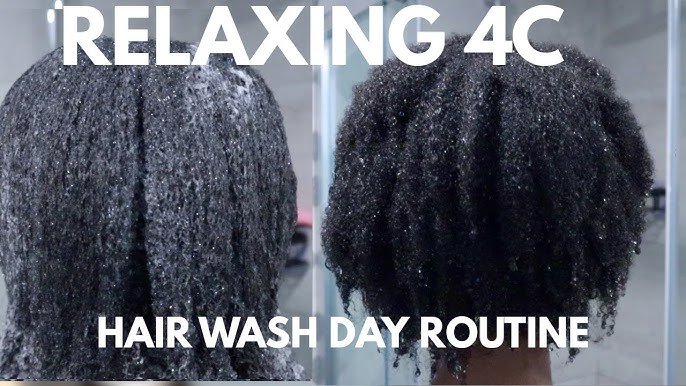
Are you feeling overwhelmed trying to manage your beautiful 4C hair? You’re not alone.
This unique hair type, with its tight curls and stunning volume, requires special attention to keep it healthy and vibrant. Imagine having a simple, effective routine that brings out the best in your natural hair. Wouldn’t that be amazing? In this guide, you’ll discover the secrets to caring for your 4C hair, turning frustration into joy and confidence.
Stick around to learn about the best products, techniques, and tips that will transform your hair care routine and leave you loving your curls more than ever.

Credit: www.youtube.com
Characteristics Of 4c Hair
4C hair is unique and beautiful. It has specific traits that affect how it looks and feels. Understanding these traits helps in caring for 4C hair properly. This type of hair requires gentle handling and special care to stay healthy and strong.
Curl Pattern And Texture
4C hair has very tight curls or coils. The curls form a zigzag pattern that is often hard to see. This hair type is very dense and thick.
The texture feels soft but can also be coarse. It tends to shrink a lot, sometimes up to 75% of its actual length. This shrinkage is normal and shows the hair’s elasticity.
Because of the tight curls, 4C hair often looks shorter than it really is. It has a fragile structure that needs gentle care to avoid breakage.
Common Challenges
4C hair can be dry and brittle easily. The tight curls make it hard for natural oils to travel down the hair shaft. This leads to dryness and breakage.
Tangles and knots form quickly. Detangling can be painful without proper techniques. The hair also shrinks, which can cause it to feel shorter and harder to style.
Frizz and breakage are common problems. Humidity affects 4C hair a lot, making it frizzy and hard to manage. Careful moisturizing and gentle handling help reduce these issues.
Moisturizing Techniques
Moisturizing 4C hair is essential because this hair type tends to lose moisture quickly. Without proper care, your hair can become dry, brittle, and prone to breakage. Finding the right balance of hydration will keep your curls soft, defined, and healthy.
Daily Hydration Tips
Start your day by spritzing your hair with water or a water-based leave-in conditioner. This wakes up your curls and adds the moisture they crave. Avoid heavy products in the morning that can weigh your hair down.
Seal in the moisture with natural oils like jojoba or castor oil. These oils lock water into your strands and prevent dryness throughout the day. Pay special attention to your ends—they need the most moisture.
- Use a spray bottle to evenly mist your hair daily.
- Apply a light leave-in conditioner after water to boost hydration.
- Seal with a light oil or butter, focusing on dry areas.
Ask yourself: how often do you check your hair’s moisture? Consistency is key—skip a day, and you might notice your hair feeling less flexible and more prone to breakage.
Best Moisturizers For 4c Hair
Choosing the right moisturizer can make a huge difference in your hair’s health. Look for products rich in humectants like glycerin or aloe vera, which draw moisture from the air into your hair.
Butters such as shea or mango butter provide excellent sealing properties without leaving your hair greasy. These ingredients work well for 4C hair because they hydrate and protect simultaneously.
| Moisturizer | Key Ingredients | Benefits |
|---|---|---|
| Shea Moisture Curl Enhancing Smoothie | Shea butter, coconut oil | Hydrates and defines curls |
| Aunt Jackie’s Quench Moisture Intensive Leave-In | Aloe vera, olive oil | Lightweight hydration, reduces frizz |
| Cantu Shea Butter Leave-In Conditioning Repair Cream | Shea butter, jojoba oil | Repairs and moisturizes dry hair |
Have you tried layering products to see how your hair responds? Some 4C hair loves a combination of a light leave-in with a heavier butter, while others prefer just one rich product. Experiment and notice what leaves your curls bouncy and soft.
Cleansing And Washing
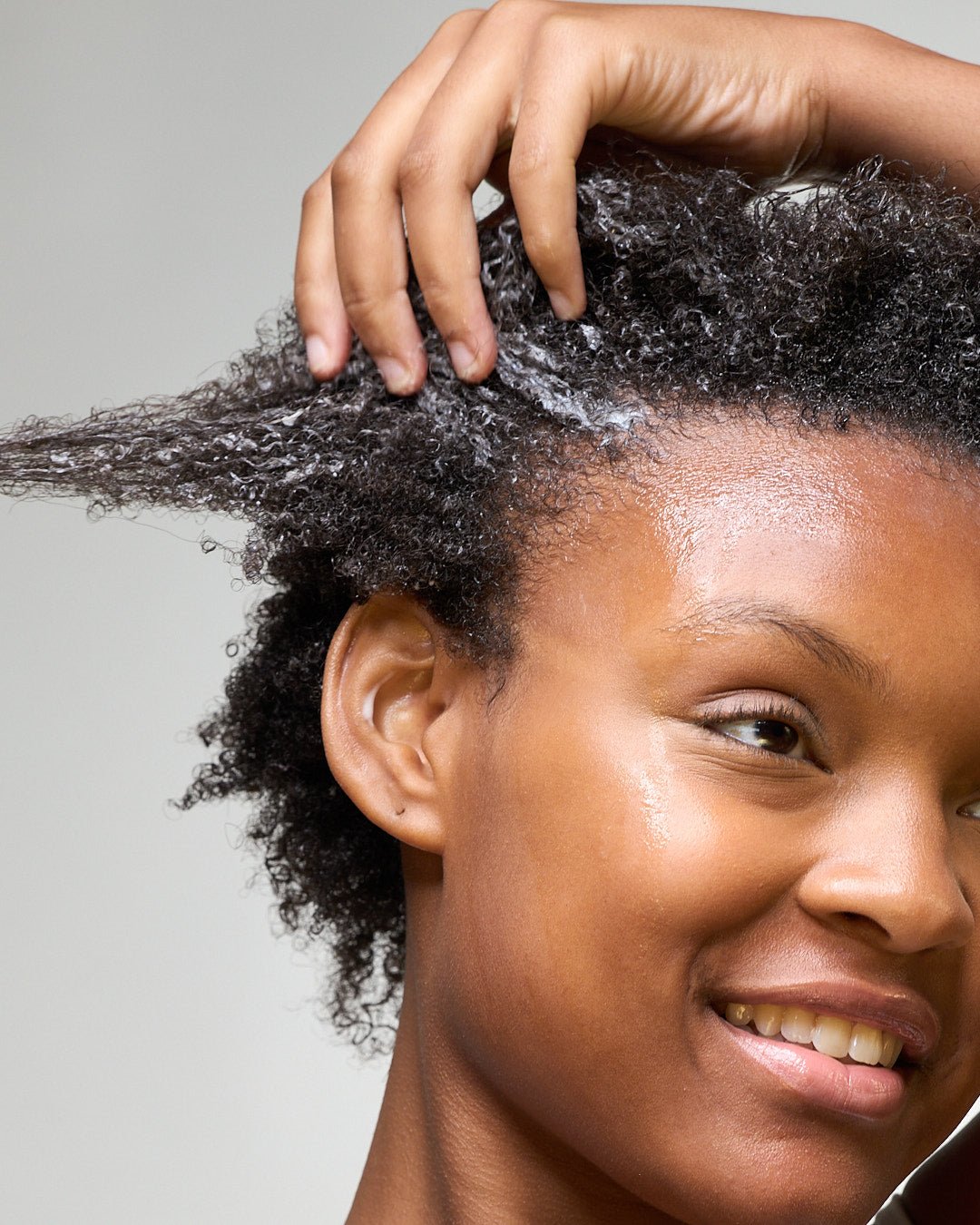
Cleansing and washing 4C hair requires care to keep curls healthy. This hair type is fragile and prone to dryness. Using the right products and washing routine helps maintain moisture and reduce breakage. Gentle cleansing removes dirt and buildup without stripping natural oils.
Choosing The Right Shampoo
Select shampoos that are sulfate-free and moisturizing. Sulfates can dry out 4C hair and cause damage. Look for shampoos with natural oils like coconut or jojoba. These ingredients help keep hair soft and hydrated. Avoid shampoos with harsh chemicals or heavy fragrances. A gentle shampoo cleans well without stripping moisture.
Washing Frequency
Washing 4C hair too often can lead to dryness. Washing once every one to two weeks works best. This schedule keeps the scalp clean without removing natural oils. Between washes, use a light conditioner or co-wash to refresh curls. Pay attention to your hair’s needs and adjust frequency if necessary. Less frequent washing helps maintain moisture and hair strength.
Credit: cheribe.com
Detangling Methods
Detangling 4C hair requires patience and the right approach to prevent breakage and maintain your hair’s health. This hair type tends to tangle easily due to its tight curl pattern, so choosing the proper tools and following a gentle routine is essential.
Tools To Use
Choosing the right tools can make detangling easier and less painful. You want to use wide-tooth combs or detangling brushes designed to glide through curls without pulling.
- Wide-tooth comb:Ideal for gently working through knots without causing damage.
- Detangling brush:Look for soft, flexible bristles that minimize tugging.
- Fingers:Sometimes, your fingers are the best tool to feel and carefully separate tangles.
- Spray bottle:Filled with water or a mix of water and conditioner to keep hair moist during detangling.
Have you noticed how using just a brush can sometimes lead to more breakage? Adding moisture and using your fingers first can save you from that frustration.
Step-by-step Detangling
Start by sectioning your hair into small, manageable parts. This keeps the process organized and reduces the chance of missing tangles hidden in thick sections.
Spray each section lightly with water or a leave-in conditioner to soften the strands. Dry hair is more prone to breakage, so keeping it damp helps you glide through knots more easily.
- Use your fingers to gently separate larger tangles and knots.
- Follow up with a wide-tooth comb or detangling brush, starting from the ends and working your way up to the roots.
- Be patient and avoid rushing; pulling too hard can cause hair to snap.
Do you ever find yourself rushing through detangling and ending up with more hair on the floor? Slowing down and adding moisture can make all the difference.
Remember, detangling is not just about removing knots but also protecting your hair’s integrity. Treat your strands with care, and your 4C hair will thank you with strength and shine.
Protective Styling Options
Protective styling is a game-changer for 4C hair. It helps reduce daily manipulation, which lowers breakage and promotes growth. Choosing the right styles can keep your hair healthy while giving you a fresh look.
Low-manipulation Styles
Low-manipulation styles let your hair rest by minimizing how often you touch or style it. Think twists, braids, or bantu knots that you can leave in for several days or weeks. These styles protect your ends and reduce tangling, which is a major cause of breakage.
One time, I wore two-strand twists for three weeks straight. Not only did my hair stay moisturized, but I also noticed less shedding during wash day. Could you try keeping your hands off your hair more often to see the same results?
Try these ideas for low-manipulation looks:
- Flat twists
- Box braids
- Chunky twists
- Bantu knots
Nighttime Hair Care
How you treat your hair at night makes a huge difference. Wrapping your hair with a satin or silk scarf prevents moisture loss and keeps your style intact. Cotton pillowcases can cause friction, leading to dryness and breakage.
After switching to a satin bonnet, I noticed my hair felt softer and my styles lasted longer. Do you give enough attention to your nighttime routine?
Here’s a simple nighttime care routine you can try:
- Moisturize your hair lightly before bed
- Wrap your hair with a satin or silk scarf or use a bonnet
- Sleep on a satin or silk pillowcase for extra protection
Nutrition And Hair Health
Nutrition plays a crucial role in maintaining healthy 4C hair. What you eat directly affects the strength, growth, and shine of your hair. Paying attention to your diet and supplements can give your hair the boost it needs to stay vibrant and resilient.
Diet For Strong Hair
Your hair needs more than just topical care—it thrives on good nutrition from the inside out. Focus on foods rich in protein, like chicken, fish, eggs, and beans, since hair is primarily made of protein.
Don’t forget about healthy fats found in avocados, nuts, and olive oil. These fats keep your scalp hydrated and reduce breakage. Vitamins A and C, found in carrots and citrus fruits, help produce sebum, your scalp’s natural oil.
Are you drinking enough water? Hydration matters for hair elasticity and preventing dryness. Adding a colorful mix of fruits and vegetables ensures you get a range of nutrients that support hair health.
Supplements To Consider
If your diet lacks certain nutrients, supplements can fill in the gaps. Biotin is popular for promoting hair growth and improving texture.
Omega-3 fatty acids support scalp health and can reduce inflammation that sometimes causes hair thinning. Vitamin D deficiency has been linked to hair loss, so a supplement might help if you don’t get enough sunlight.
Zinc and iron also play key roles in hair repair and growth. Before starting any supplement, it’s wise to check with a healthcare provider to avoid excess intake or interactions with other medications.
Avoiding Damage
4C hair is delicate and requires careful handling to stay healthy. Avoiding damage is key to maintaining its natural beauty and strength. Harsh practices can lead to breakage, dryness, and slow growth. Protecting your hair from harm helps keep it soft and full.
Heat Styling Risks
Heat styling tools like flat irons and curling wands can harm 4C hair. High temperatures strip moisture and weaken hair strands. This causes breakage and split ends. Using heat often can leave hair dry and brittle.
To reduce damage:
- Limit heat use to once a week or less.
- Always apply a heat protectant before styling.
- Choose lower heat settings on your tools.
- Allow hair to air dry instead of blow drying.
Chemical Treatments To Avoid
Chemical treatments like relaxers and perms change the hair’s natural texture. These harsh chemicals weaken the hair shaft and cause breakage. They also strip away natural oils that keep hair moisturized.
Common treatments to avoid include:
- Relaxers and texturizers
- Bleaching and harsh dyes
- Permanent straightening treatments
Keeping hair in its natural state preserves strength and moisture. Choose gentle, nourishing care instead of chemical alterations.

Credit: www.youtube.com
Frequently Asked Questions
What Is The Best Moisturizer For 4c Hair?
The best moisturizer for 4C hair is one rich in natural oils and butters. Shea butter, coconut oil, and aloe vera hydrate and seal moisture effectively. Use a leave-in conditioner daily to keep 4C hair soft and manageable.
How Often Should I Wash 4c Hair?
Wash 4C hair every 1-2 weeks to maintain scalp health and moisture. Frequent washing can strip natural oils, causing dryness. Use a sulfate-free shampoo or co-wash to gently cleanse without harsh chemicals.
Can I Use Heat On 4c Hair Safely?
Yes, but use heat sparingly and always with a heat protectant. Excessive heat can cause breakage and dryness. Opt for low heat settings and deep condition regularly to maintain healthy 4C hair.
How Do I Prevent Breakage In 4c Hair?
Prevent breakage by moisturizing daily and avoiding harsh combing. Use wide-tooth combs and protective styles to reduce manipulation. Regular deep conditioning strengthens hair and minimizes damage.
Conclusion
Caring for 4C hair takes patience and gentle steps. Keep hair moisturized and avoid harsh chemicals. Use wide-tooth combs to prevent breakage. Regular deep conditioning helps maintain softness. Protect hair at night with a satin scarf or pillowcase. Healthy habits lead to strong, beautiful hair.
Trust the process and enjoy your natural curls. Small efforts make a big difference in hair health. Your 4C hair deserves care and attention every day.
