Are you ready to transform your look with the perfect pop of color on your eyelids? Knowing how to apply makeup eyeshadow can elevate your beauty routine and boost your confidence.
Imagine creating stunning eye looks that turn heads and make you feel fabulous. Whether you’re a beginner or looking to refine your skills, mastering eyeshadow application can be a game-changer. You might think it’s a daunting task, but with the right guidance, it becomes an enjoyable and creative process.
Dive into this guide and discover how easily you can enhance your natural beauty with just a few expert tips and tricks. Your eyes are a canvas, and it’s time to paint them with shades that reflect your unique style and personality. Are you ready to unlock the secrets of eyeshadow application and dazzle the world with your captivating gaze? Let’s get started!
Choosing The Right Eyeshadow
Choosing the right eyeshadow is a crucial step in creating a look that truly enhances your natural beauty. The shades and finishes you pick can either highlight your eyes or make them appear dull. Understanding your unique features helps you make smart choices that bring out the best in your eyes.
Selecting Shades For Your Eye Color
Different eye colors shine with specific eyeshadow shades. Blue eyes pop with warm tones like copper, bronze, and peach. Green eyes stand out with purples, plums, and deep pinks.
Brown eyes are the most versatile and can handle a wide range of colors, including golds, greens, and even blues. Think about what mood you want to create—do you want your eyes to look brighter or more mysterious? Testing a few shades near your eyes can quickly show which colors make your eye color sparkle.
Picking The Right Finish
Eyeshadows come in matte, shimmer, satin, and metallic finishes. Matte finishes are great for a natural look or as a base. Shimmer and metallic finishes add dimension and catch the light, perfect for evening or special occasions.
Do you want your eyes to look soft or bold? Satin finishes offer a subtle sheen that works well for everyday wear. Mixing finishes can add depth—try a matte shade in the crease with a shimmer on the lid to create an instant lift.
Considering Skin Tone
Your skin tone plays a big role in how eyeshadow colors look on you. If you have cool undertones, shades like cool taupe, icy pink, or soft lavender will complement you. Warm undertones pair well with earthy colors such as warm browns, golds, and oranges.
Neutral skin tones can wear both cool and warm shades, giving you plenty of options. Have you noticed how some colors look different on your skin compared to the palette? Test eyeshadows against your skin before buying to avoid surprises and make the best choice for your complexion.

Credit: www.youtube.com
Essential Tools For Eyeshadow
To create stunning eyeshadow looks, having the right tools is a game changer. The difference between a smudged mess and a polished finish often lies in what you use to apply your eyeshadow. Getting familiar with essential tools will help you work with colors and textures more confidently.
Types Of Brushes And Their Uses
Choosing the right brush can make your eyeshadow pop or fall flat. Here are some key brushes you’ll want in your kit:
- Flat Shader Brush:Perfect for packing color onto your eyelids. It picks up pigment well and helps create bold looks.
- Blending Brush:Soft, fluffy, and slightly tapered. This brush is your best friend for smoothing harsh lines and creating seamless transitions between shades.
- Crease Brush:Smaller and more precise than a blending brush. It’s designed to apply shadow directly into the crease, adding depth and dimension.
- Smudge Brush:Short and dense, ideal for smudging shadow or liner along your lash line for a smoky effect.
Have you ever tried using a brush that’s not meant for eyeshadow and ended up frustrated? Picking the right brush changes everything. Don’t underestimate the power of quality brushes—they hold color better and give you more control.
Using Primers And Bases
Applying a primer or base before eyeshadow isn’t just an extra step; it transforms how your makeup wears throughout the day. Primers create a smooth canvas, preventing creasing and fading.
If you struggle with eyeshadow that disappears after a few hours, a primer can fix that. It locks the pigment in place and intensifies the color payoff.
Some bases come in skin-toned or white shades to brighten your eyelids and make colors appear more vibrant. Have you noticed how eyeshadow looks dull without a good base? Experiment with different primers to find one that suits your skin type and preferences. It’s a small step with a huge impact.
Step-by-step Eyeshadow Application
Applying eyeshadow can transform your look, but getting it right takes more than just slapping color on your lids. Following a clear, step-by-step process helps your eyeshadow appear polished and professional. Let’s walk through each stage to make sure your eyeshadow application enhances your natural beauty and lasts all day.
Preparing The Eyelid
Start with clean, moisturized eyelids to create a smooth canvas. You can apply a thin layer of eyeshadow primer or concealer to even out the skin tone and help the colors pop. This step also prevents creasing and ensures your eyeshadow stays put longer.
Applying The Base Shade
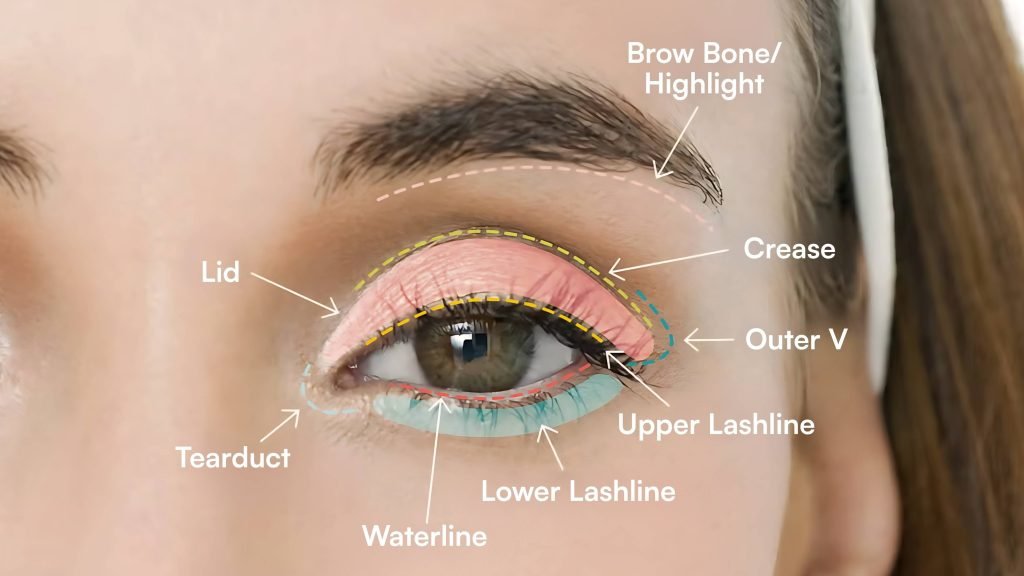
Choose a neutral shade close to your skin tone and apply it all over your eyelid using a flat brush. This base color helps other shades blend more easily. Make sure to cover from your lash line up to the brow bone for an even foundation.
Adding Depth With Crease Colors
Select a slightly darker shade to apply in the crease of your eyelid. Use a fluffy brush and sweep the color back and forth to add dimension and contour your eyes. Concentrate on the outer corner to create a natural shadow effect that makes your eyes appear bigger.
Highlighting The Brow Bone And Inner Corner
Brighten your eyes by applying a light, shimmery shade to the brow bone and inner corner. This draws attention to your eyes and opens them up. A soft shimmer or matte cream works well to lift and refresh your look.
Blending Techniques For A Seamless Look
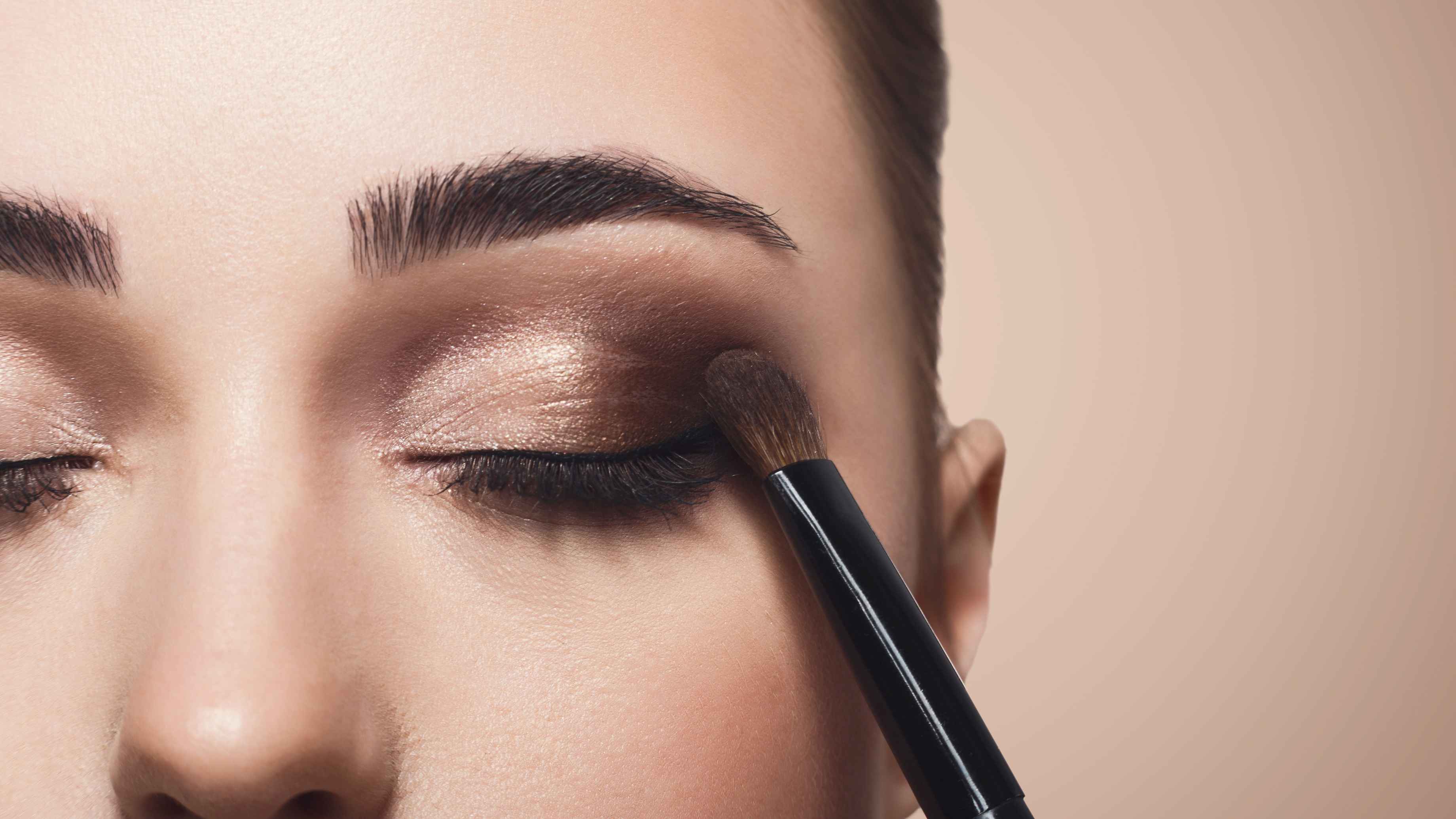
Blending is key to avoid harsh lines and create a smooth transition between colors. Use a clean, fluffy brush in gentle circular motions to soften edges. Don’t rush this step—well-blended eyeshadow looks effortless and polished.

Credit: www.youtube.com
Creating Different Eye Looks
Creating different eye looks with eyeshadow adds variety to your makeup routine. Each style suits different occasions and moods. Experimenting with colors and techniques can enhance your eyes and boost confidence. Below are popular eye looks with easy steps to try.
Natural Daytime Styles
Natural daytime eyeshadow uses soft, neutral shades. Choose light browns, beiges, or soft pinks. Apply a base color over the entire lid. Use a slightly darker shade on the crease for depth. Blend well to avoid harsh lines. This look brightens the eyes without heavy makeup. Perfect for work or casual outings.
Smoky Eye Techniques
Smoky eyes create a dramatic, sultry effect. Start with a dark base color on the lid. Blend it into a medium shade towards the crease. Use black or dark brown near the lash line. Smudge gently for a smoky effect. Highlight the brow bone with a light shade. This style suits evening events and parties.
Bold And Colorful Designs
Bold looks use vibrant colors to make a statement. Pick bright shades like blue, green, or purple. Apply a base color on the lid. Layer a contrasting color on the crease. Use a clean brush to blend softly. Add shimmer or glitter for extra flair. Ideal for festivals, celebrations, or creative expression.
Cut Crease Method
The cut crease defines the eye shape sharply. Start by applying a medium shade in the crease. Use a concealer to carve out the lid area. Apply a lighter or shimmer color on the lid. Blend the edges carefully for a clean line. This technique makes eyes appear larger and more defined. Great for special occasions or photo shoots.
Tips For Long-lasting Eyeshadow
Keeping eyeshadow fresh all day can be a challenge. Oils from the skin and natural creases can make colors fade or smudge quickly. Using the right techniques helps the eyeshadow stay vibrant and neat. Here are simple tips that improve eyeshadow wear time.
Setting With Powder
After applying eye primer or concealer, dust a thin layer of translucent powder over your eyelids. This step creates a smooth base and absorbs excess oils. The powder helps eyeshadow stick better and prevents it from sliding off.
Use a fluffy brush for light coverage. Avoid heavy powder, which can dull the eyeshadow color. Setting powder acts like a barrier, increasing the eyeshadow’s staying power.
Avoiding Creasing And Fallout
Creasing happens when eyeshadow gathers in eyelid folds. To prevent this, apply thin layers of eyeshadow instead of thick coats. Blend each layer well for smooth results.
For fallout, tap off extra eyeshadow from your brush before application. Use a gentle patting motion to press the color onto the lid, not a sweeping one. This reduces powder dropping onto cheeks.
Using an eyeshadow primer also controls oil and helps prevent creasing. Reapply lightly throughout the day if needed to keep colors fresh and crease-free.
Common Mistakes To Avoid
Applying eyeshadow can be tricky for many. Avoiding common mistakes helps create a flawless look. Simple errors can make the makeup appear messy or uneven. Focus on technique and product use to enhance your eyes beautifully.
Over-blending
Blending softens harsh lines and blends colors smoothly. But over-blending removes color intensity and makes eyeshadow look muddy. Blend just enough to soften edges, keeping colors visible and vibrant. Use gentle, small circular motions for best results.
Using Too Much Product
Applying too much eyeshadow causes fallout and uneven patches. It also makes blending harder and the look heavy. Start with a small amount on your brush. Build up color gradually for a natural finish. Tap off excess powder before applying to avoid mess.
Ignoring Eye Shape
Eye shapes vary and affect how eyeshadow looks. Applying shadows without considering your eye shape can hide your natural beauty. Adjust placement and color based on your eye shape. This enhances your eyes and creates a balanced, flattering look.
Credit: www.bebeautiful.in
Frequently Asked Questions
What Tools Do I Need For Applying Eyeshadow?
You need eyeshadow brushes, a primer, and quality eyeshadow palettes. Brushes include blending, flat, and crease brushes. These tools help create smooth, precise application and professional-looking results.
How To Choose Eyeshadow Colors For Beginners?
Pick neutral shades like browns, taupes, and soft pinks. These colors blend easily and suit most skin tones. Start with matte shades before trying shimmer or bold colors.
Should I Use Eyeshadow Primer Before Application?
Yes, primer ensures eyeshadow stays vibrant and lasts longer. It prevents creasing and fading. Apply a thin layer over your eyelids before adding eyeshadow.
How To Blend Eyeshadow For A Natural Look?
Use a clean blending brush to soften harsh lines. Apply shades gradually and blend in small circular motions. Blending creates a seamless, natural gradient effect on your eyelids.
Conclusion
Applying eyeshadow can be simple and fun with practice. Start with a clean eyelid and use smooth strokes. Blend colors well to avoid harsh lines. Choose shades that suit your style and skin tone. Take your time and enjoy the process.
Soon, you will create beautiful eye looks easily. Keep experimenting to find what works best for you. Remember, makeup is about expressing yourself and feeling confident. Try these steps today and brighten your eyes with color.
