
Are you considering stepping up your skincare game with tretinoin but feel unsure about where to start? You’re not alone.
Many people find themselves puzzled when it comes to incorporating this powerful ingredient into their skincare routines. The good news is that adding tretinoin can be simple and incredibly beneficial for your skin when done correctly. Imagine waking up each day to a smoother, clearer, and more youthful complexion.
Sounds enticing, right? This blog post will guide you through the easy steps to seamlessly add tretinoin to your skincare routine, ensuring you get the best results with minimal fuss. Stick around to discover how you can transform your skin and boost your confidence.
Benefits Of Tretinoin
Tretinoin offers a range of powerful benefits that can transform your skin over time. It targets multiple skin concerns, making it a versatile addition to your skincare routine. Understanding these benefits can help you decide how best to use tretinoin for your unique skin needs.
Improving Skin Texture
Tretinoin speeds up skin cell turnover, which helps shed dead cells faster. This process smooths out rough patches and gives your skin a fresher, more even feel. Have you noticed how your skin looks dull or uneven? Tretinoin can help bring back a natural glow by refining the surface.
Reducing Acne And Breakouts
If you struggle with acne, tretinoin can be a game-changer. It unclogs pores by preventing dead skin cells from trapping oil and bacteria. Regular use often leads to fewer breakouts and smaller, less inflamed pimples. How often do you wish your acne cleared up faster? Tretinoin supports clearer skin with consistent application.
Fading Hyperpigmentation
Dark spots and uneven skin tone can be frustrating to manage. Tretinoin helps by speeding up the removal of pigmented cells and promoting new, healthy skin growth. This can gradually lighten sun spots, age spots, and post-inflammatory marks. Imagine waking up to a more balanced complexion over weeks of use.
Boosting Collagen Production
Collagen keeps your skin firm and youthful, but it decreases as you age. Tretinoin stimulates collagen production, which can reduce fine lines and wrinkles. Over time, your skin becomes plumper and more resilient. Would you like to maintain firmer skin without invasive treatments? Tretinoin offers a practical way to support your skin’s structure.
Choosing The Right Tretinoin
Choosing the right tretinoin is a crucial step to make sure your skin benefits without feeling overwhelmed. The variety of options can feel confusing, but knowing what suits your skin type and concerns will make your skincare journey smoother.
Different Strengths Explained
Tretinoin comes in several strengths, typically ranging from 0.01% to 0.1%. Starting with a lower strength, like 0.025%, can help your skin adjust and reduce irritation. If you have stubborn acne or deeper wrinkles, a higher concentration might be more effective but requires careful monitoring.
Think about how your skin usually reacts to new products. Do you get redness easily? If yes, starting low is safer. Your skin’s sensitivity guides your choice more than anything else.
Forms Of Tretinoin Available
You’ll find tretinoin in creams, gels, and microsphere formulations. Creams are generally moisturizing and better for dry or sensitive skin. Gels tend to be lighter and absorb quickly, making them suitable for oily skin types.
Microsphere tretinoin releases the active ingredient slowly, which can mean less irritation over time. Have you noticed how some products feel harsh at first but get easier? This form is designed to help with that.
Consulting A Dermatologist
Talking to a dermatologist can save you from trial and error. They can recommend the right strength and form based on your skin’s needs and history. Plus, they’ll guide you on how to use tretinoin safely alongside your other products.
Don’t hesitate to ask questions about possible side effects or how to handle irritation. Personalized advice often makes a big difference in sticking with tretinoin and seeing results.
Preparing Your Skin
Getting your skin ready before applying tretinoin is crucial for both effectiveness and comfort. If your skin isn’t properly prepped, you might experience unnecessary irritation or dryness. The right preparation helps tretinoin absorb better and reduces the chance of redness or peeling.
Cleansing Techniques
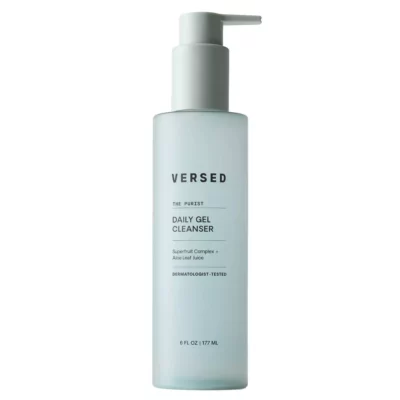
Start with a gentle cleanser that doesn’t strip your skin’s natural oils. Avoid harsh scrubs or exfoliants right before applying tretinoin. I once used a strong cleanser and noticed my skin became red and flaky; switching to a mild, hydrating cleanser made a big difference.
Use lukewarm water to rinse—hot water can dry your skin out and increase irritation. Pat your face dry gently with a soft towel instead of rubbing. This small change keeps your skin barrier intact and ready for tretinoin.
Moisturizing Before Application
Applying moisturizer before tretinoin can help reduce dryness and irritation. Choose a lightweight, non-comedogenic moisturizer that suits your skin type. I usually wait 10-15 minutes after moisturizing to let it absorb before adding tretinoin.
You might wonder, should moisturizer go on before or after tretinoin? Applying it before can create a buffer, making tretinoin less harsh. This approach worked well for me during the early days of tretinoin use when my skin was more sensitive.
Avoiding Irritants
Steer clear of products containing alcohol, fragrances, or strong acids when using tretinoin. These ingredients can increase irritation and dryness. Have you checked your current skincare products for these common irritants?
Also, skip waxing or using abrasive exfoliants on tretinoin nights. They can cause micro-tears and worsen sensitivity. Keeping your routine simple and gentle helps your skin build tolerance and get the best results from tretinoin.
Starting Tretinoin Safely
Starting tretinoin safely is key to enjoying its benefits without overwhelming your skin. It’s a powerful ingredient, but it can cause irritation if you’re not careful. Taking simple precautions helps you build tolerance and keeps your skin calm.
Patch Testing
Before applying tretinoin all over your face, try a patch test. Apply a small amount on a discreet area, like behind your ear or along your jawline.
Wait 24 to 48 hours and watch for redness, itching, or excessive dryness. If your skin reacts badly, it’s a sign to pause or consult a dermatologist.
This quick step can save you from weeks of irritation and frustration.
Gradual Introduction
Jumping straight into daily use can shock your skin. Start slow by applying tretinoin every third or fourth night.
Notice how your skin responds over one to two weeks. If irritation stays minimal, you can increase frequency gradually.
Think of it like training your skin’s tolerance—rushing this process often leads to peeling and discomfort.
Frequency Recommendations
Most people find success using tretinoin 2 to 3 times a week at first. As your skin adjusts, you can work up to nightly application.
Keep in mind, less is more when starting out. Even a pea-sized amount covers your entire face effectively.
Ask yourself: How does my skin feel the morning after? Use that feedback to decide if you need to slow down or can push forward.
Incorporating With Other Products
Adding tretinoin to your skincare routine requires some thought about what other products you use alongside it. Some ingredients work well with tretinoin, helping your skin adjust and stay healthy. Others can cause irritation or reduce tretinoin’s effectiveness. Understanding these combinations can make a big difference in how your skin responds.
Compatible Ingredients
Look for gentle, hydrating ingredients that support your skin barrier while using tretinoin. Ingredients like hyaluronic acid, niacinamide, and ceramides are excellent choices.
- Hyaluronic Acid:It adds moisture without clogging pores, which helps counteract tretinoin’s drying effects.
- Niacinamide:This reduces redness and strengthens the skin, making tretinoin more tolerable.
- Ceramides:They repair and protect the skin barrier, essential when using active treatments.
Have you noticed how your skin feels after adding a moisturizer with these ingredients? It can often feel calmer and more balanced.
Products To Avoid
Some products can cause irritation or interfere with tretinoin’s action. Avoid harsh exfoliants and other strong actives on the same day you apply tretinoin.
- AHAs and BHAs:Using glycolic acid or salicylic acid with tretinoin can lead to excessive peeling and redness.
- Benzoyl Peroxide:This can deactivate tretinoin if applied together and increase dryness.
- Vitamin C:While great for brightening, it’s best to use it at a different time than tretinoin to avoid irritation.
Have you ever mixed strong actives and ended up with irritated skin? Separating these products can save you from that discomfort.
Layering Tips
Apply tretinoin on clean, dry skin to maximize its absorption. Wait at least 20-30 minutes after cleansing before applying tretinoin to reduce irritation.
Follow tretinoin with a gentle moisturizer to lock in hydration. This creates a protective layer that soothes your skin without blocking tretinoin.
- Use tretinoin in the evening.
- Apply moisturizer after tretinoin has absorbed.
- Use sunscreen in the morning to protect your skin, as tretinoin makes it more sensitive to sunlight.
Have you tried adjusting your layering routine to improve comfort? Small changes like these can make a big difference in your skin’s reaction.

Credit: camillestyles.com
Managing Side Effects
Introducing tretinoin to your skincare routine can bring noticeable improvements, but it often comes with side effects that need careful management. Understanding how to handle these effects will help you stay consistent and enjoy the benefits without discomfort. Let’s break down practical ways to manage common issues like dryness, peeling, redness, and sensitivity.
Dealing With Dryness And Peeling
Dryness and peeling are some of the first signs your skin is adjusting to tretinoin. To ease this, apply a rich moisturizer right after cleansing and before tretinoin. This creates a barrier that helps lock in moisture.
If your skin feels tight or flaky, try using tretinoin every other night instead of daily. Many people find this gives their skin time to recover while still seeing progress.
Have you tried using a gentle, fragrance-free moisturizer? It can make a big difference in reducing uncomfortable dryness.
Reducing Redness And Sensitivity
Redness and sensitivity can discourage you from continuing tretinoin. To reduce this, avoid combining tretinoin with other harsh products like exfoliants or alcohol-based toners.
Applying tretinoin on dry skin rather than damp skin can lower irritation. Also, consider using a small pea-sized amount to start.
Remember, your skin’s barrier is fragile during this phase. Using a calming serum with ingredients like niacinamide or aloe vera can soothe irritation effectively.
When To Seek Professional Help
Some side effects may signal that you need expert advice. If you experience severe burning, swelling, or blistering, it’s time to consult a dermatologist.
Persistent redness or peeling lasting more than a few weeks despite adjustments also warrants a professional opinion. Your doctor might suggest a different strength or alternative treatments tailored to your skin.
Asking yourself, “Is my skin improving or worsening?” can guide your decision to seek help. Don’t hesitate to reach out if your skin feels worse instead of better.
Maximizing Results
Maximizing the results of adding tretinoin to your skincare routine requires more than just applying the product. It involves protecting your skin, staying consistent, and tracking your progress to understand what works best for you. Let’s dive into practical ways you can boost the effectiveness of tretinoin while keeping your skin healthy.
Sun Protection Importance
Tretinoin makes your skin more sensitive to the sun, increasing the risk of damage and irritation. Wearing a broad-spectrum sunscreen with at least SPF 30 every day is non-negotiable. Don’t forget to reapply every two hours if you’re outdoors.
Besides sunscreen, consider wearing hats and seeking shade when possible. Protecting your skin helps prevent redness, peeling, and premature aging, ensuring your tretinoin efforts pay off. Have you noticed your skin reacting more during sunny days without protection?
Consistent Routine Habits
Consistency is key to seeing results with tretinoin. Apply it at the same time each night, preferably after cleansing and waiting for your skin to dry for 20 minutes. This reduces irritation and helps tretinoin absorb better.
Skipping nights or overusing tretinoin can cause setbacks. Stick to a gentle moisturizer to soothe your skin and avoid harsh products. How do you remind yourself to keep up with your routine on busy days?
Tracking Skin Progress
Keeping track of your skin’s changes helps you understand how tretinoin is working. Take weekly photos under similar lighting to notice improvements or irritation early on. Journaling your routine and any reactions can reveal helpful patterns.
Tracking allows you to adjust your routine if needed—whether that means using tretinoin less frequently or adding supportive products. What changes have you observed since starting tretinoin, and how have you adapted?

Credit: www.reddit.com
Credit: camillestyles.com
Frequently Asked Questions
How Often Should I Use Tretinoin In My Routine?
Start using tretinoin 2-3 times a week at night. Gradually increase frequency as your skin builds tolerance. Avoid daily use initially to prevent irritation.
Can I Apply Moisturizer With Tretinoin?
Yes, always apply a moisturizer after tretinoin. It helps reduce dryness and irritation. Use a gentle, hydrating moisturizer for best results.
Should I Use Sunscreen With Tretinoin?
Absolutely, daily sunscreen is essential when using tretinoin. It increases skin sensitivity to the sun. Use broad-spectrum SPF 30 or higher every morning.
How Long Does Tretinoin Take To Show Results?
Tretinoin results typically appear after 6 to 12 weeks. Consistent use is key for visible improvements in skin texture and acne.
Conclusion
Adding tretinoin to your skincare takes time and care. Start slowly and watch how your skin reacts. Use gentle products to avoid irritation. Always protect your skin with sunscreen during the day. Be patient; results appear after weeks, not days.
Keep a simple routine and stay consistent. This way, your skin can improve safely and steadily. Small steps lead to better skin health over time.
