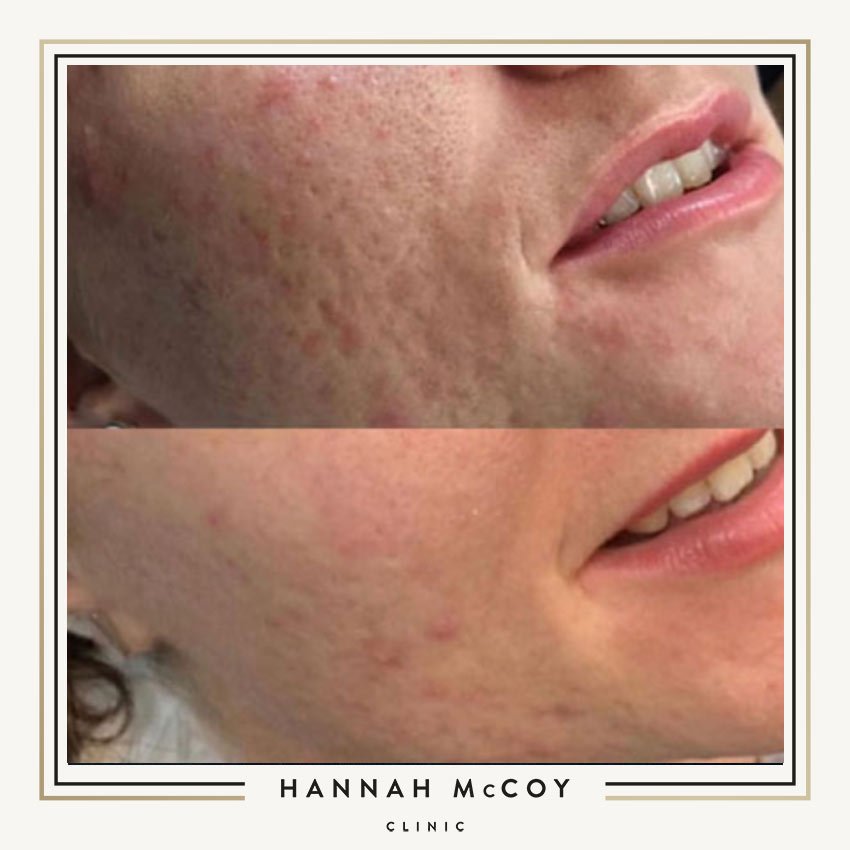
Are acne scars affecting your confidence? You’re not alone.
Many people are exploring microneedling as a promising solution to improve the appearance of their skin. But how many sessions will it take to see real results? This is a common question, and understanding the answer can help you set realistic expectations and plan your skincare journey effectively.
We’ll delve into the factors that influence the number of microneedling sessions you might need. We’ll provide you with clear insights, so you can make informed decisions and move closer to the smooth, clear skin you desire. Keep reading to discover how microneedling can transform your skin and boost your self-esteem.
Microneedling Basics
Understanding the basics of microneedling is essential before deciding how many sessions you might need for acne scars. This treatment has gained popularity due to its ability to improve skin texture and reduce scar visibility. Let’s break down what microneedling really is, how it works on acne scars, and the different devices used during the process.
What Is Microneedling
Microneedling is a minimally invasive cosmetic procedure where tiny needles create small punctures in your skin. These micro-injuries trigger your body’s natural healing response, boosting collagen and elastin production. This helps your skin regenerate and repair itself over time.
Many people notice smoother, firmer skin after a few sessions. But the key is consistency; one treatment rarely delivers dramatic results. Have you ever wondered why some skincare methods take time to show effects?
How It Helps Acne Scars
Acne scars form when the skin heals unevenly after a breakout. Microneedling breaks down old scar tissue and encourages new skin cells to grow. This process gradually reduces the depth and redness of scars.
Unlike creams that only sit on the surface, microneedling works deeper within your skin. You might see improvements such as reduced scar size, smoother texture, and better skin tone. The real question is, how many sessions will your skin need to reach that point?
Types Of Microneedling Devices
There are several microneedling tools, each designed for specific needs and skin types. Common devices include:
- Dermarollers:Handheld rollers with tiny needles, often used at home or in clinics.
- Microneedling Pens:Motorized devices that allow precise control over needle depth and speed.
- Radiofrequency Microneedling:Combines needles with radiofrequency energy to enhance collagen production.
Your choice of device affects the number of sessions and results. For example, pens usually deliver more consistent and deeper treatment than dermarollers. Have you thought about which device suits your skin and lifestyle best?

Credit: www.allor.co.nz
Factors Affecting Session Count
Understanding the number of microneedling sessions needed for acne scars depends on several key factors. These elements shape how your skin responds and how quickly you see results. Let’s break down what influences the session count so you can set realistic expectations.
Scar Severity
The depth and type of your acne scars play a big role in how many treatments you’ll need. Mild scars might improve significantly after just 3 to 4 sessions. But if your scars are deep or widespread, you could require 6 or more sessions to see noticeable change.
Think about your scars honestly—do they sit just below the skin or are they deeper pits? The deeper the scar, the longer it takes for new collagen to rebuild and fill in the area.
Skin Type
Your skin’s natural characteristics also affect healing and results. Oily skin may respond differently than dry or sensitive skin. For example, oily skin might need extra care between sessions to avoid breakouts.
Additionally, darker skin tones require careful treatment to prevent pigmentation changes, which may mean spacing out sessions or fewer treatments overall. Have you noticed how your skin reacts to minor injuries or irritation? That gives clues about how your skin might handle microneedling.
Treatment Area Size
The size of the area being treated influences how many sessions you’ll schedule. Smaller, localized scars often require fewer sessions compared to larger areas like the entire cheeks or forehead. Larger areas need more time to heal and may benefit from multiple targeted sessions.
It’s also practical to consider your schedule and budget here. Tackling a large area all at once might seem faster, but spreading treatments out could give better results and less downtime.
Individual Healing Response
Everyone’s skin heals at a different pace, which affects how quickly you see improvements. Some people notice changes after just a couple of sessions, while others need more time for collagen production to kick in. Your age, overall health, and lifestyle habits like smoking or sun exposure impact healing speed.
Ask yourself: how quickly does your skin bounce back from cuts or irritation? This can hint at how your skin might respond to microneedling and how many sessions you might need to achieve your goals.
Typical Session Recommendations
Microneedling is a popular treatment to reduce acne scars. The number of sessions depends on scar severity and skin type. Consistent treatments lead to better results. Skin needs time to heal between sessions. Most dermatologists suggest spacing sessions 4 to 6 weeks apart. Below are typical session recommendations based on scar severity.
Mild Acne Scars
Mild scars usually need fewer treatments. Around 3 to 4 sessions often show good improvement. The skin texture smooths and minor scars fade.
Moderate Acne Scars
Moderate scars require more attention. Typically, 5 to 6 microneedling sessions are necessary. Each session helps break down scar tissue and promote new collagen.
Severe Acne Scars
Severe scars demand the most treatments. Patients may need 6 to 8 or more sessions. Combining microneedling with other therapies can enhance results. Patience is key for deep scar remodeling.

Credit: www.reddit.com
Session Frequency And Timing
Timing your microneedling sessions correctly is essential for healing and effectiveness. Proper spacing allows your skin to recover and produce new collagen. This recovery period reduces risks like irritation or damage. Following the right schedule helps maximize results on acne scars.
Optimal Time Between Sessions
Most experts suggest waiting 4 to 6 weeks between microneedling sessions. This period gives your skin enough time to heal and rebuild. It also allows collagen to develop gradually. Rushing sessions can cause inflammation and slower progress. Some deeper scars may require longer gaps for proper healing.
Signs To Wait Before Next Session
Look for these signals before scheduling another treatment:
- Redness and swelling have fully faded
- Skin feels normal and not tender
- No signs of infection or irritation
- Peeling or dryness has stopped
Waiting until your skin shows these signs helps avoid complications. It also ensures each session builds on the last one’s progress.
Enhancing Results
Enhancing the results of your microneedling sessions for acne scars involves more than just the procedure itself. Small changes in your approach can make a big difference in how your skin heals and renews. Paying attention to complementary treatments, skincare habits, and lifestyle choices will help you achieve clearer, smoother skin faster.
Combining With Other Treatments
Microneedling works well on its own but pairing it with other treatments can boost its effects. Many people see better results by adding chemical peels or laser therapy, which help break down scar tissue and promote collagen production.
Think about using vitamin C serums or hyaluronic acid right after microneedling. These can enhance skin repair because your skin absorbs them more deeply. Have you tried layering treatments to speed up your scar fading?
Skincare Routine Before And After
Your skin’s condition before microneedling impacts the outcome. Cleanse gently and avoid harsh exfoliants in the days leading up to your session. This reduces irritation and prepares your skin to respond better.
After treatment, focus on hydration and sun protection. Use soothing creams and avoid active ingredients like retinol until your skin fully recovers. This helps prevent inflammation and supports healing.
Lifestyle Tips
Your daily habits play a big role in how well your skin recovers from microneedling. Staying hydrated helps maintain skin elasticity and speeds up repair. Are you drinking enough water each day?
Stress and sleep quality also affect skin health. Try to get enough rest and manage stress to help your body focus on healing. Avoid smoking and limit alcohol, as both can slow down collagen production.

Credit: www.classycosmeticclinic.com
Risks And Side Effects
Microneedling is popular for reducing acne scars, but it’s important to know the risks and side effects before you start. While many people experience minimal issues, some reactions can be uncomfortable or require medical attention. Understanding these risks helps you prepare and make informed decisions about your skin care journey.
Common Reactions
Right after a microneedling session, your skin may look red and feel sensitive. This is similar to a mild sunburn and usually fades within a few days. Some people notice slight swelling or dryness as the skin begins to heal.
Other typical effects include:
- Minor bruising or pinpoint bleeding during treatment
- Temporary itching or tightness as skin regenerates
- Flaking or peeling as dead skin cells shed
These reactions are usually signs that the treatment is working. However, if you experience severe pain or prolonged redness beyond a week, it could indicate irritation or infection.
When To See A Doctor
Knowing when to seek medical advice can prevent complications. If you notice any signs of infection such as pus, increased swelling, or warmth around the treated area, contact your healthcare provider immediately.
Other red flags include:
- Fever or chills after the treatment
- Severe allergic reactions like rash, hives, or difficulty breathing
- Scarring or hyperpigmentation worsening instead of improving
Have you ever had a skin treatment that left unexpected results? It’s crucial to listen to your body and get professional help when something feels off. Your skin’s health is worth careful attention throughout your microneedling sessions.
Choosing A Provider
Choosing the right provider for your microneedling sessions can make a significant difference in how your acne scars heal and improve. You want someone skilled, experienced, and trustworthy. This choice impacts not just your results but your safety and comfort during the process.
Qualifications To Look For
Make sure your provider is licensed and trained specifically in microneedling. Medical professionals like dermatologists, plastic surgeons, or certified aestheticians with specialized training tend to have the right expertise.
Look for credentials such as:
- Medical licenses or certifications
- Training in skin treatments and microneedling techniques
- Experience dealing with acne scars
Checking reviews or before-and-after photos can also reveal their skill level. Would you trust your skin to someone without a solid track record?
Questions To Ask Before Starting
Don’t hesitate to ask your provider about the entire process. Clarify how many sessions they expect you to need, and why.
Some important questions include:
- How many sessions do you recommend for acne scars like mine?
- What results can I realistically expect after these sessions?
- What risks or side effects should I watch for?
- How do you customize treatment for different skin types?
- Do you use any numbing agents or special equipment?
Your provider’s answers will show how much they care about your individual needs. Would you feel confident moving forward if you didn’t get clear, honest answers?
Frequently Asked Questions
How Many Microneedling Sessions For Acne Scars Are Needed?
Most people require 3 to 6 microneedling sessions to see significant improvement in acne scars. Sessions are spaced 4 to 6 weeks apart for optimal skin healing and collagen production.
How Often Should Microneedling Be Done For Acne Scars?
Microneedling sessions are typically scheduled every 4 to 6 weeks. This timing allows the skin to heal and produce collagen between treatments, enhancing scar reduction results.
When Will I See Results From Microneedling Acne Scars?
Visible improvements usually appear after 2 to 3 sessions. Full results develop over several months as collagen rebuilds and scars gradually fade.
Can Microneedling Completely Remove Acne Scars?
Microneedling significantly improves acne scars but may not remove them entirely. It smooths skin texture and reduces scar visibility with consistent treatments.
Conclusion
Microneedling can improve acne scars over time. Most people need several sessions for best results. Usually, three to six treatments work well. The skin heals and looks smoother after each session. Patience is key since results take time to show.
Always follow your doctor’s advice for safe care. Consistency helps your skin become healthier and clearer. Remember, every skin is different and may respond uniquely. Keep realistic expectations and stay committed to the process. Your efforts can lead to noticeable improvement in acne scars.
