How do you take care of your hair so it looks healthy and shines every day? You might think it’s complicated, but small changes can make a big difference.
Imagine running your fingers through soft, strong hair that turns heads wherever you go. You’ll discover simple, effective tips that fit easily into your routine. Ready to unlock the secret to your best hair yet? Keep reading—you’re closer than you think.
Credit: www.vilvahstore.com
Daily Hair Care Habits
Daily hair care habits keep hair healthy and strong. Simple routines make a big difference. Consistency helps your hair stay shiny and soft. Small changes in daily care improve hair texture and scalp health.
Choosing The Right Shampoo
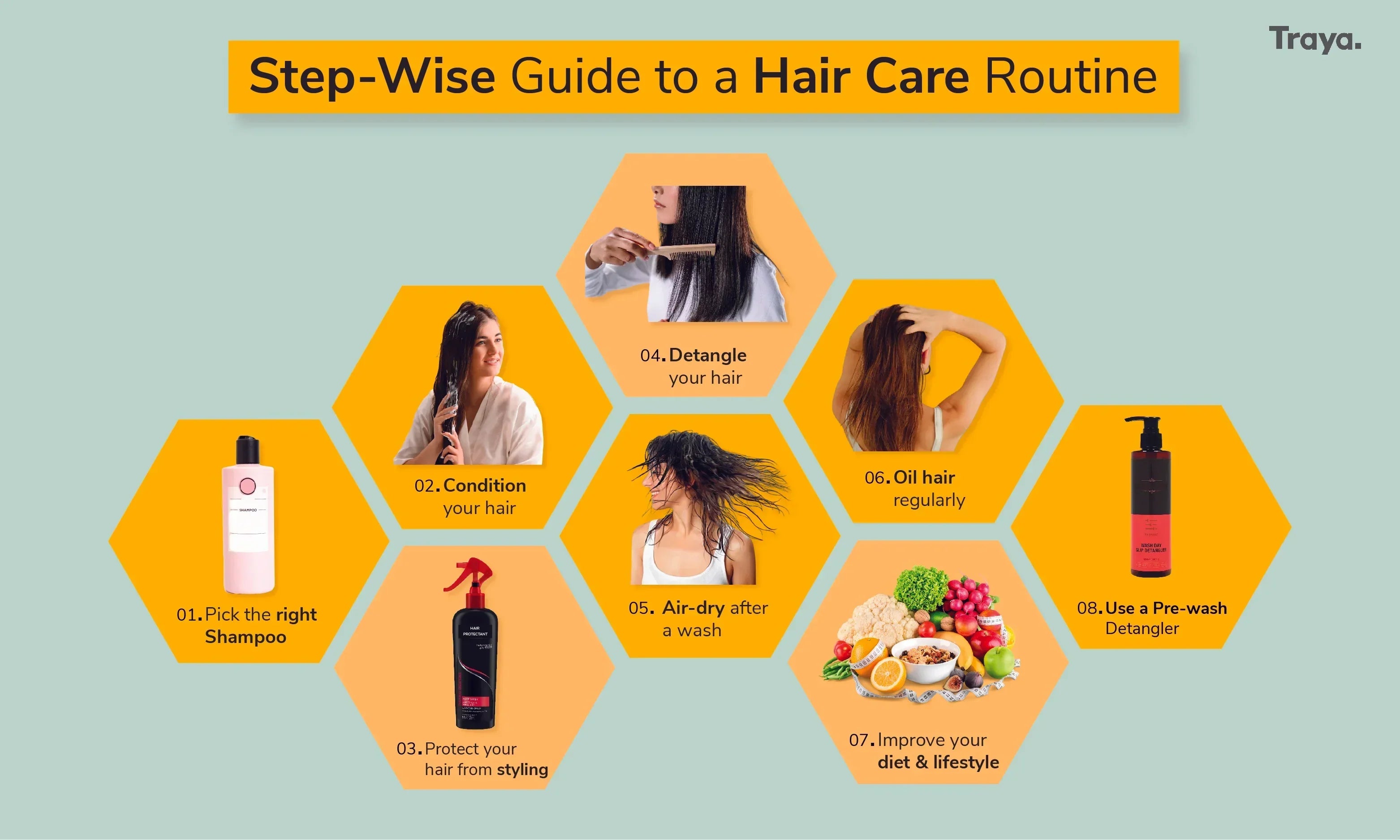
Select a shampoo that matches your hair type. Use gentle formulas for dry or sensitive scalp. For oily hair, choose shampoos that remove excess oil. Avoid shampoos with harsh chemicals like sulfates. Look for natural ingredients that nourish hair and scalp.
Conditioning Techniques
Apply conditioner mainly to hair ends, not roots. Leave it on for a few minutes to absorb. Use a wide-tooth comb to spread conditioner evenly. Rinse thoroughly with cool water to close hair cuticles. Regular conditioning prevents dryness and breakage.
Brushing Tips
Use a brush with soft bristles to avoid damage. Start brushing from hair tips and move upward gently. Avoid brushing wet hair; it breaks more easily. Clean your brush regularly to remove dirt and oils. Brushing daily stimulates scalp and promotes hair growth.
Protecting Hair From Damage
Protecting hair from damage is key to keeping it healthy and strong. Hair faces daily stress from styling, weather, and washing. Taking simple steps can reduce breakage and dryness. These habits help hair stay shiny and smooth over time.
Heat Styling Precautions
Heat tools can cause serious harm to hair strands. Use a heat protectant spray before styling. Choose lower heat settings on curling irons or straighteners. Limit use of heat tools to a few times a week. Let hair air dry when possible to avoid extra heat exposure.
Sun And Environmental Protection
Sun rays, wind, and pollution weaken hair fibers. Wear a hat or scarf during long sun exposure. Apply leave-in conditioners with UV filters for extra defense. Rinse hair after swimming to remove chlorine and salt. Avoid harsh chemicals that strip natural oils from hair.
Avoiding Overwashing
Washing hair too often removes natural oils that protect it. Clean hair 2-3 times a week for most hair types. Use gentle shampoos that suit your scalp and hair texture. Condition hair after every wash to maintain moisture. Overwashing can lead to dryness and scalp irritation.
Nutrition And Hair Health
Nutrition plays a crucial role in maintaining your hair’s health. What you eat directly affects your hair’s strength, shine, and growth rate. Paying attention to the nutrients you consume can make a visible difference in your hair’s condition.
Essential Vitamins And Minerals
Your hair needs specific vitamins and minerals to stay healthy. Vitamin A helps produce the oils that keep your scalp moisturized. Vitamin E boosts blood circulation, promoting hair growth.
Don’t forget biotin, a B vitamin that strengthens hair and prevents breakage. Iron supports oxygen delivery to hair follicles, which is vital for growth. Zinc keeps the oil glands around your hair follicles working properly.
Have you noticed how your hair feels dull or breaks easily? It might be a sign you’re missing these key nutrients.
Hydration Importance
Your hair is mostly water, so staying hydrated matters more than you think. Drinking enough water keeps your hair hydrated from the inside out. This reduces dryness and brittleness.
When you don’t drink enough, your scalp can become dry and flaky. This slows down hair growth and can cause hair loss. Try to drink at least eight glasses of water a day to support your hair’s health.
Foods For Strong Hair
What you put on your plate shows up in your hair. Foods rich in protein like eggs, nuts, and fish provide the building blocks for strong hair strands. Omega-3 fatty acids found in salmon and flaxseeds nourish your scalp and add shine.
Leafy greens such as spinach and kale supply iron and vitamins essential for hair growth. Don’t overlook fruits like berries and oranges, which are packed with antioxidants that protect hair follicles.
- Eggs – rich in protein and biotin
- Salmon – high in omega-3 fatty acids
- Spinach – loaded with iron and vitamin C
- Almonds – provide vitamin E and magnesium
- Sweet potatoes – contain beta-carotene for scalp health
Could improving your diet be the missing step in your hair care routine? Try adding these foods and notice how your hair responds.

Credit: www.lotusbotanicals.com
Hair Treatments And Masks
Hair treatments and masks play a vital role in keeping hair healthy and strong. They help repair damage, add moisture, and improve shine. Using the right treatment can make hair softer and easier to manage. Choosing between natural masks and professional treatments depends on your hair needs and preferences.
Diy Natural Masks
Natural masks use simple ingredients found at home. They nourish hair without harsh chemicals. Common ingredients include honey, yogurt, avocado, and coconut oil. These masks hydrate and repair dry or damaged hair. Applying a natural mask once a week boosts hair health.
- Honey moisturizes and softens hair.
- Avocado adds vitamins and smoothness.
- Yogurt strengthens hair and reduces frizz.
- Coconut oil protects and repairs split ends.
Professional Treatments
Salon treatments offer deeper repair and shine. They use special formulas tailored to hair type. Common treatments include keratin, protein, and deep conditioning. These treatments last longer and improve hair texture. A professional can recommend the best option for your hair.
Frequency And Application Tips
Apply masks based on hair condition. Dry or damaged hair benefits from twice-weekly treatments. Normal hair may only need a mask once every two weeks. Use warm water to rinse masks for better absorption. Always comb hair gently after applying treatments. Avoid applying masks to the scalp unless specified.
Dealing With Common Hair Issues
Dealing with common hair issues can feel like a daily challenge, but understanding the root cause helps you tackle them effectively. From flaky scalp to stubborn frizz, each problem demands a specific approach. Here’s how you can manage these concerns with simple yet effective care routines.
Dandruff Solutions
Dandruff can be embarrassing and uncomfortable, but you don’t have to accept it as normal. Often, it results from a dry scalp or a yeast-like fungus. Try using a gentle anti-dandruff shampoo containing ingredients like zinc pyrithione or ketoconazole.
Massaging your scalp regularly improves blood flow and reduces flakes. Avoid harsh shampoos that strip natural oils, as dryness worsens dandruff. Have you noticed if your scalp gets itchier after using certain products? That might be the trigger.
Managing Hair Fall
Hair fall can be alarming, but it’s often temporary and manageable. Stress, diet, and product buildup are common causes. Make sure you eat protein-rich foods and stay hydrated to support hair strength.
Using a mild shampoo and avoiding excessive heat styling reduces breakage. Consider a scalp massage with oils like rosemary or peppermint to stimulate growth. Are you brushing your hair too harshly? Gentle detangling can prevent unnecessary fall.
Tackling Dry And Frizzy Hair
Dry and frizzy hair happens when moisture escapes your strands faster than it’s replaced. Humidity and heat damage make this worse. Use a moisturizing conditioner and apply leave-in treatments or hair oils to lock in hydration.
Limit washing your hair daily to preserve natural oils. Sleeping on silk pillowcases also reduces friction that causes frizz. What’s your current routine to combat dryness? Sometimes small changes, like swapping shampoos, can make a big difference.
Choosing Suitable Hairstyles
Choosing suitable hairstyles plays a big role in keeping hair healthy. The right style reduces breakage and stress on hair strands. It also helps hair grow stronger and look better over time.
Understanding which hairstyles protect hair and which cause damage is key. Hairstyles that pull or twist hair too tightly can cause problems. Styles that spread out hair’s weight are kinder and safer.
Low-damage Styling Options
Low-damage styles avoid tight pulling and heat stress. Simple ponytails, loose braids, and soft buns keep hair safe. Using fabric scrunchies instead of elastic bands prevents breakage.
- Loose ponytails or buns
- Soft braids without tight pulling
- Twists that do not stress roots
- Using satin or silk accessories
Haircuts For Healthy Growth
Regular trims remove split ends and prevent damage from spreading. Choosing the right haircut helps hair grow evenly. Layered cuts reduce weight and prevent hair from breaking.
- Trim every 6-8 weeks
- Ask for layered cuts for volume
- Avoid very short cuts if hair is weak
- Keep ends healthy and smooth
Protective Styles
Protective styles shield hair from daily wear and tear. They keep ends tucked away and safe from friction. Braids, twists, and buns are common protective styles.
- Box braids or cornrows
- Twists that cover hair ends
- Loose buns or chignons
- Wearing silk scarves at night
Credit: traya.health
Frequently Asked Questions
How Often Should I Wash My Hair For Best Care?
Washing hair 2-3 times a week is ideal for most hair types. It removes dirt without stripping natural oils. Over-washing can cause dryness and damage. Use a gentle shampoo suited to your hair type for best results.
What Are The Best Products For Healthy Hair?
Choose products with natural ingredients like argan oil or aloe vera. Avoid sulfates and parabens as they can dry hair. Use conditioners and leave-in treatments to maintain moisture and shine. Tailor products to your hair’s specific needs for optimal care.
How Can I Prevent Hair Damage Daily?
Limit heat styling tools and always use a heat protectant spray. Avoid tight hairstyles that pull on the scalp. Use a wide-tooth comb on wet hair to reduce breakage. Regular trims help remove split ends and keep hair healthy.
What Diet Supports Strong And Healthy Hair?
Eat a balanced diet rich in vitamins A, C, D, and E. Include proteins, omega-3 fatty acids, and iron for hair strength. Hydrate well to maintain scalp moisture. Nutrient-rich foods promote hair growth and reduce hair fall effectively.
Conclusion
Taking care of your hair is simple and rewarding. Healthy hair starts with gentle washing and conditioning. Nourish it with a balanced diet. Use the right products for your hair type. Trim regularly to prevent split ends. Protect your hair from heat and sun damage.
Stay hydrated and reduce stress for better hair health. Good hair care leads to confidence and happiness. Try these tips and enjoy beautiful hair every day. Your hair deserves the best care you can give. Keep it natural and healthy.
