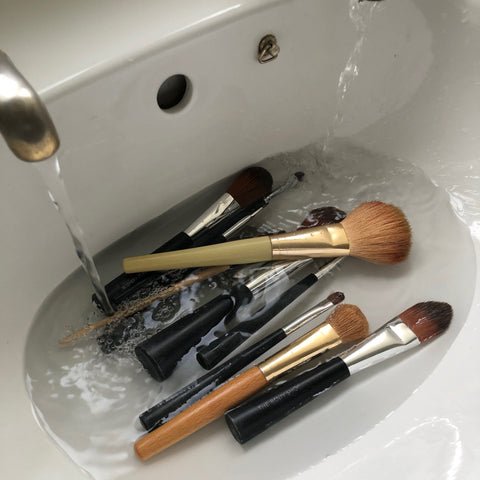
Are your makeup brushes looking a little worse for wear? You might notice that your once flawless makeup application isn’t quite as smooth as it used to be.
This could be due to dirty brushes. Cleaning your makeup brushes regularly is crucial not just for maintaining their longevity, but also for ensuring your skin stays healthy and your makeup looks its best. You may be wondering how to effectively clean these beauty tools without damaging them.
Don’t worry, you’re not alone, and the process is easier than you might think. Dive into this guide, and discover the simple steps to keep your brushes in pristine condition, ensuring every makeup application is a breeze. Your skin—and your brushes—will thank you!

Credit: www.youtube.com
Why Clean Makeup Brushes
Cleaning makeup brushes is essential for healthy skin and great makeup results. Dirt, oil, and old makeup build up on brushes over time. This buildup can cause problems if left uncleaned. Regular cleaning keeps brushes fresh and safe to use. It also helps makeup look smoother and last longer on your skin.
Preventing Skin Issues
Dirty brushes carry bacteria that clog pores. This can lead to acne, redness, and irritation. Cleaning brushes stops bacteria from spreading on your face. It also removes dead skin cells and oils that cause breakouts. Using clean brushes protects your skin and keeps it clear.
Maintaining Brush Quality
Makeup brushes are an investment. Dirt and makeup residue damage bristles over time. Cleaning keeps bristles soft and flexible. This helps brushes last longer and work better. Proper care prevents shedding and keeps brushes in good shape.
Enhancing Makeup Application
Clean brushes pick up and apply makeup evenly. Old makeup on brushes causes patchy and uneven looks. Fresh brushes blend products smoothly and create a flawless finish. Clean tools make makeup look natural and polished every time.
Tools Needed For Cleaning
Cleaning makeup brushes needs a few simple tools. These tools help remove dirt, oil, and makeup from the bristles. Using the right items keeps brushes fresh and safe for your skin. It also helps brushes last longer. Gather these tools before starting the cleaning process.
Brush Cleanser Options
- Specialized brush cleansers made for makeup brushes
- Gentle liquid soaps designed for delicate fabrics
- Baby shampoo as a mild cleaning agent
- Foaming face cleansers with gentle ingredients
Household Alternatives
- Olive oil mixed with dish soap for deep cleaning
- Baking soda paste to remove stubborn stains
- Vinegar diluted with water for disinfecting brushes
- Micellar water for a quick cleanse
Drying Accessories
- Clean towel or microfiber cloth to blot brushes
- Brush drying rack for air drying with shape support
- Silicone mats that hold brushes while drying
- Flat surface with a towel to lay brushes flat
Step-by-step Cleaning Process
Cleaning your makeup brushes properly ensures better skin health and flawless makeup application. The process is simple but requires attention to detail. Let’s break down the steps that will help you maintain your brushes like a pro.
Rinsing Brushes Properly
Start by holding your brush bristles under lukewarm running water. Avoid wetting the handle, as this can loosen the glue over time. Make sure the water flows downward to prevent water from seeping into the ferrule (the metal part holding the bristles).
Do you notice how much residue comes off even before adding any cleanser? This initial rinse removes loose powder and dirt, setting the stage for a deeper clean.
Applying Cleanser
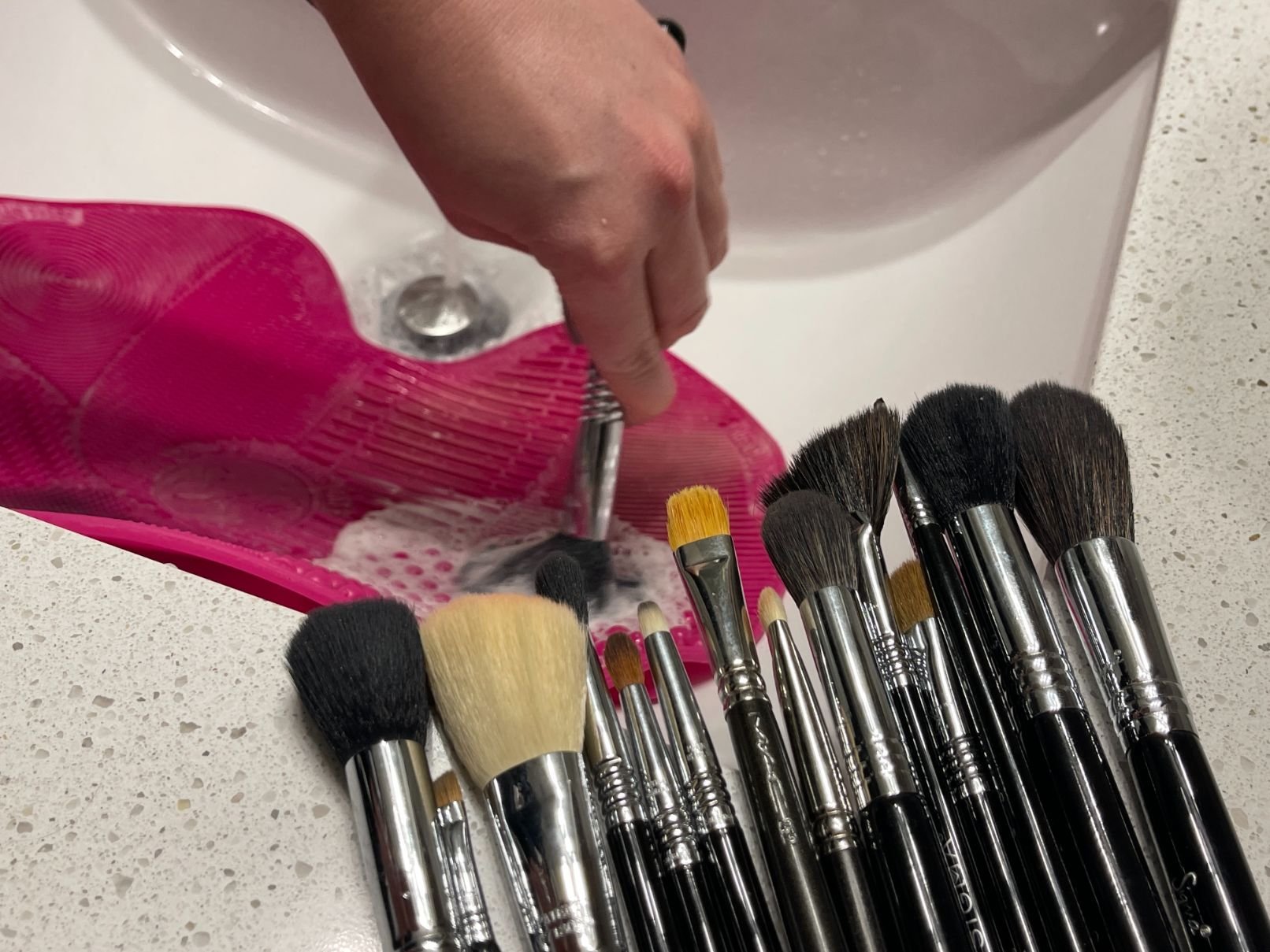
Use a gentle cleanser like baby shampoo, dish soap, or a brush-specific cleaner. Pour a small amount onto your palm or a cleaning mat. Swirl the brush bristles in the cleanser to start breaking down makeup buildup.
I once skipped this step and saw how quickly my brushes got clogged again. Applying the right cleanser is key to extending the life of your brushes and protecting your skin.
Lathering And Rinsing
Work the cleanser into a lather by gently massaging the bristles. Focus on the base of the bristles where most buildup accumulates. Rinse thoroughly with lukewarm water until the water runs clear.
Don’t rush this part. How often do you check if your brush is truly clean? Taking the time here prevents bacteria and oils from lingering.
Drying Techniques
Gently squeeze out excess water with a clean towel. Reshape the brush head to its original form. Lay brushes flat on a towel or hang them off the edge of a counter to dry.
Never dry brushes upright, as water can drip into the handle and cause damage. Have you tried air-drying your brushes overnight? This simple habit keeps them fresh and ready for your next makeup session.

Credit: coachglitter.com
Deep Cleaning Methods
Deep cleaning makeup brushes removes stubborn dirt, oils, and bacteria. It helps keep brushes hygienic and extends their life. Regular deep cleaning improves makeup application and skin health. Different techniques suit various brush types and cleaning needs.
Using Olive Oil And Soap
Olive oil softens brush bristles and breaks down makeup residue. Mix olive oil with gentle soap for effective cleaning. Dip the brush in the mixture, then swirl on a cleaning mat or hand. Rinse under lukewarm water until clear. Repeat if needed and air dry.
Alcohol-based Cleaners
Alcohol-based cleaners kill bacteria and dry brushes quickly. Spray or dip the brush in alcohol solution. Swirl gently to remove makeup and germs. Avoid soaking brushes too long to protect bristles. Let brushes dry completely before use.
Ultrasonic Cleaning Devices
Ultrasonic cleaners use sound waves to clean brushes deeply. Place brushes in the device with water and cleaning solution. The device creates vibrations that remove dirt from bristles. This method is fast and reaches hard-to-clean spots. Rinse brushes and let them dry after cleaning.
Cleaning Frequency Tips
Keeping your makeup brushes clean is essential for healthy skin and flawless makeup. The cleaning frequency depends on how often you use each brush. Regular cleaning prevents bacteria buildup and product buildup. It also keeps your brushes soft and effective. Below are tips for cleaning brushes based on their use.
Daily Use Brushes
Brushes you use every day need frequent cleaning. These brushes touch your skin and makeup products constantly. Dirt and oil build up quickly on them. Clean these brushes at least twice a week. If you have sensitive or acne-prone skin, clean them after each use. This reduces the risk of breakouts and irritation. Use a gentle brush cleanser or mild soap. Rinse thoroughly and let them air dry.
Occasional Use Brushes
Brushes used less often do not need cleaning as frequently. These include brushes for special occasions or specific looks. Clean them every two weeks or once a month. Check for visible dirt or product buildup before cleaning. Deep cleaning occasional brushes helps maintain their shape and performance. Store them properly to avoid dust and contamination between uses.
Common Mistakes To Avoid
Cleansing your makeup brushes properly is essential for flawless application and skin health. However, many people unknowingly make mistakes that damage their brushes or reduce their effectiveness. Avoiding these common errors can save you time, money, and frustration.
Using Hot Water
It might seem like hot water cleans better, but it can actually ruin your brushes. Hot water loosens the glue holding the bristles, causing them to shed or fall out over time.
Stick to lukewarm water instead. It’s gentle enough to protect your brushes but effective enough to remove makeup residue.
Soaking Brushes Too Long
Leaving your brushes soaking for extended periods can cause damage beyond the bristles. The handle and ferrule (the metal part) may loosen or warp with too much water exposure.
Try to keep the soaking time under five minutes and focus on cleaning just the bristles. This helps keep your brushes sturdy and long-lasting.
Drying Upright
Drying your brushes standing upright might seem convenient, but it allows water to seep into the ferrule. This can weaken the glue and encourage bacteria growth inside the brush.
Instead, lay your brushes flat or at a slight angle with bristles pointing down. This helps water drain away and preserves the brush shape.
Maintaining Brushes Between Cleans
Maintaining your makeup brushes between deep cleans keeps them fresh and ready to use. Regular care stops bacteria build-up and extends the life of your brushes. Simple daily habits make a big difference in brush hygiene and performance.
Using Brush Sanitizers
Brush sanitizers help remove germs and makeup residue quickly. Spray the sanitizer on the brush bristles and gently wipe with a clean tissue. This process refreshes brushes without soaking them in water. Choose alcohol-free sanitizers to protect delicate bristles. Use sanitizer after each makeup session to keep brushes clean and safe.
Proper Storage
Store brushes properly to prevent dust and dirt from settling. Keep brushes upright in a cup or holder with bristles facing up. Avoid tossing brushes into bags or drawers where they can get damaged. Use brush guards or covers to maintain shape and cleanliness. A clean storage spot reduces bacteria and keeps brushes ready for use.
Credit: belabeautycollege.com
Frequently Asked Questions
How Often Should I Clean My Makeup Brushes?
You should clean makeup brushes at least once a week. Frequent cleaning prevents bacteria buildup and skin irritation. For brushes used with liquid products, clean after each use to maintain hygiene and brush quality.
What Is The Best Cleanser For Makeup Brushes?
A gentle, brush-specific cleanser or mild soap works best. Avoid harsh detergents that can damage bristles. Natural oils or baby shampoo are also effective and safe for delicate brush fibers.
Can I Use Hot Water To Clean Brushes?
Use lukewarm water instead of hot water. Hot water can loosen the glue holding bristles, causing shedding. Lukewarm water effectively removes makeup without damaging the brush structure.
How Do I Dry Makeup Brushes Properly?
After washing, gently reshape bristles and lay brushes flat to dry. Avoid standing them upright to prevent water from loosening the glue. Drying in a well-ventilated area speeds up the process and keeps brushes in good shape.
Conclusion
Cleaning makeup brushes keeps your skin healthy and your makeup fresh. Dirty brushes can cause breakouts and dull looks. Wash them regularly with gentle soap and warm water. Let them dry fully before using again. This small step saves your skin and improves makeup application.
Make brush cleaning part of your routine. Easy to do. Worth the effort. Your face will thank you.
