Struggling with hormonal acne? You’re not alone.
Many people face the frustrating cycle of breakouts linked to their hormones, and finding the right skincare routine can feel overwhelming. But what if you could discover the secrets to clear, glowing skin? Imagine waking up each morning to a reflection you love, free from the stress of unexpected blemishes.
In this guide, you’ll learn a step-by-step skincare routine tailored specifically for hormonal acne. Whether you’ve tried countless products or are new to skincare, this article is designed to simplify the process and offer solutions that really work. Keep reading, and take the first step toward skin confidence today.
Causes Of Hormonal Acne
Understanding the causes of hormonal acne is key to managing it effectively. Hormonal fluctuations can disrupt your skin’s balance, leading to breakouts that feel hard to control. Let’s break down what actually triggers these changes and why your skin reacts the way it does.
Hormones And Skin Changes
Your hormones play a major role in how your skin behaves. Androgens, which increase during puberty, menstruation, pregnancy, and stress, cause your skin to produce more oil. This excess oil clogs pores and creates a perfect environment for acne-causing bacteria to grow.
I noticed my breakouts worsened right before my period. That’s because hormonal shifts directly affect oil glands, making your skin more prone to inflammation. The tricky part? These changes can happen at any age, not just in your teens.
Common Triggers
Several factors can set off hormonal acne by impacting your hormone levels. Stress is a big one—it spikes cortisol, which in turn raises oil production. Diet also plays a role; foods high in sugar and dairy have been linked to flare-ups.
- Menstrual cycle changes
- Stress and lack of sleep
- Certain medications, including birth control
- High-glycemic foods like sweets and white bread
- Fluctuations during pregnancy or menopause
Have you tracked your lifestyle habits alongside your breakouts? You might find a pattern that helps you anticipate and reduce flare-ups. Understanding these triggers can empower you to adjust your routine and protect your skin better.

Credit: clearstem.com
Key Ingredients To Look For
Choosing the right ingredients is crucial for managing hormonal acne effectively. These ingredients help control oil, clear pores, and reduce inflammation. Using products with proven ingredients supports healthier skin and fewer breakouts.
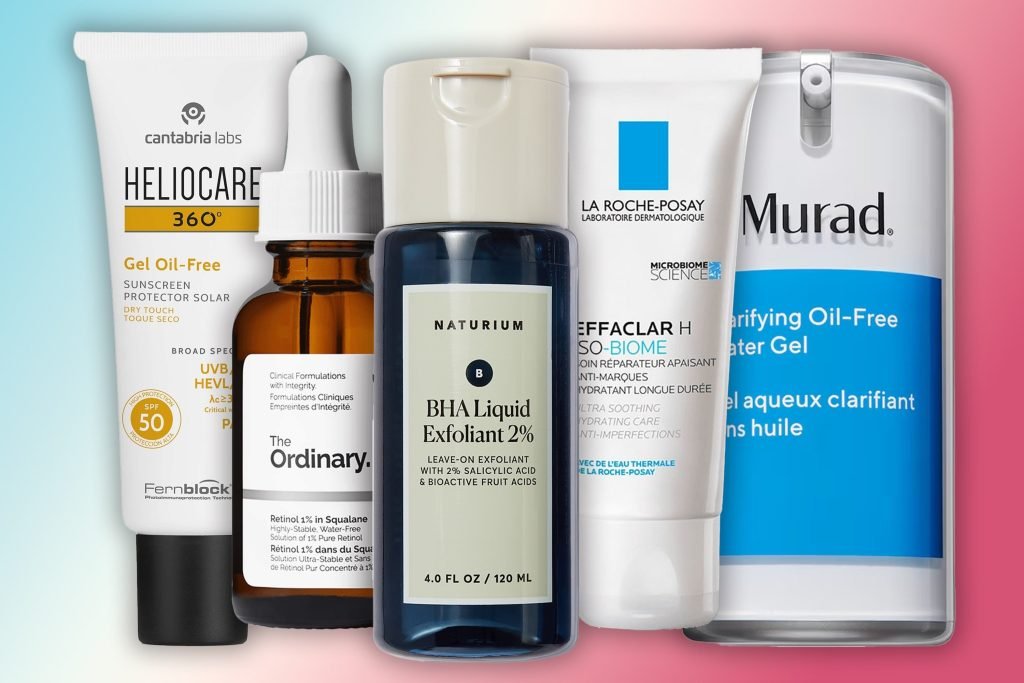
Salicylic Acid Benefits
Salicylic acid is a gentle exfoliant that clears pores. It dissolves dead skin cells and excess oil. This helps prevent clogged pores, a main cause of acne. Salicylic acid also calms redness and swelling.
Role Of Benzoyl Peroxide
Benzoyl peroxide kills acne-causing bacteria on the skin. It reduces inflammation and prevents new pimples from forming. This ingredient works fast to clear existing breakouts and stop future ones.
Retinoids For Skin Renewal
Retinoids boost skin cell turnover. They smooth the skin and reduce acne scars. Retinoids also balance oil production. Using retinoids regularly improves skin texture and clarity.
Natural Alternatives
Natural ingredients can soothe and support acne-prone skin. Tea tree oil fights bacteria and reduces redness. Aloe vera calms irritation and hydrates the skin. Green tea extract protects skin with antioxidants.
Daily Skincare Steps
Daily skincare is key to managing hormonal acne effectively. Following simple, consistent steps helps keep skin calm and clear. Focus on gentle care to avoid irritation and breakouts. Protecting skin from damage supports healing and prevents new acne. A routine tailored to hormonal acne needs balances cleansing, moisturizing, and sun protection.
Gentle Cleansing Techniques
Use a mild cleanser with soothing ingredients. Avoid harsh scrubs and strong soaps that strip natural oils. Cleanse twice a day: morning and night. Use lukewarm water to prevent dryness. Pat skin dry with a soft towel. Avoid rubbing to protect sensitive skin.
Moisturizing Without Clogging Pores
Choose lightweight, non-comedogenic moisturizers. Ingredients like hyaluronic acid hydrate without heaviness. Apply moisturizer on slightly damp skin to lock in moisture. Avoid products with heavy oils or waxes. Moisturizing keeps skin balanced and reduces irritation.
Sun Protection Tips
Use broad-spectrum sunscreen every day, even on cloudy days. Select formulas labeled “non-comedogenic” and “oil-free.” Apply sunscreen 15 minutes before going outside. Reapply every two hours if outdoors for long. Sun protection prevents dark spots and skin damage from acne.
Lifestyle Adjustments
Adjusting daily habits plays a key role in managing hormonal acne. Small changes improve skin health and reduce flare-ups. These lifestyle tweaks support your skincare routine and help balance hormones naturally.
Diet And Hydration
Eating a balanced diet affects skin condition deeply. Focus on whole foods like fruits, vegetables, and lean proteins. Avoid sugary and greasy foods that can trigger acne. Drinking plenty of water keeps skin hydrated and flushes out toxins. Aim for at least eight glasses a day to maintain clear skin.
Stress Management
Stress increases hormone levels that worsen acne. Simple practices like deep breathing and meditation calm the mind. Regular exercise releases feel-good hormones and reduces stress. Spending time outdoors and hobbies help relax your body and mind. Managing stress lowers inflammation and supports clearer skin.
Sleep And Skin Health
Quality sleep is vital for skin repair and hormone balance. Aim for seven to nine hours every night. Lack of sleep causes skin to look dull and worsens acne. Create a calming bedtime routine to improve sleep quality. Good rest helps your skin heal and stay healthy.
When To See A Dermatologist
Knowing when to visit a dermatologist is key in managing hormonal acne. Skincare routines can help mild cases, but some situations need expert care. Early action prevents scarring and worsened symptoms. Watch your skin closely for signs that require a professional.
Signs Of Severe Acne
- Large, painful cysts or nodules under the skin
- Acne that does not improve after several weeks of treatment
- Widespread redness and inflammation
- Scarring or dark spots forming on the skin
- Acne causing emotional distress or low self-esteem
Professional Treatment Options
Dermatologists offer treatments that target severe hormonal acne effectively. They may prescribe:
- Oral medications like antibiotics or hormonal therapy
- Topical treatments stronger than over-the-counter options
- Procedures such as chemical peels or laser therapy
- Advice on lifestyle changes and skincare tailored to your skin type
These treatments reduce inflammation, kill bacteria, and balance hormones. A dermatologist creates a plan to clear acne and protect your skin.

Credit: www.reddit.com

Credit: www.eraorganics.com
Frequently Asked Questions
What Is The Best Skincare Routine For Hormonal Acne?
A good hormonal acne routine includes gentle cleansing, exfoliation, and oil-free moisturizers. Use products with salicylic acid, benzoyl peroxide, or retinoids to reduce breakouts and inflammation. Consistency and avoiding harsh scrubs help maintain skin balance and prevent irritation.
How Does Hormonal Acne Differ From Regular Acne?
Hormonal acne is caused by hormone fluctuations, often during puberty, menstruation, or stress. It usually appears on the lower face, jawline, and chin. Regular acne can be triggered by dirt, oil buildup, or bacteria. Hormonal acne often requires targeted treatments.
Can Diet Affect Hormonal Acne Severity?
Yes, diet impacts hormonal acne. High-glycemic foods and dairy may worsen breakouts. Eating whole, nutrient-rich foods supports skin health. Staying hydrated and reducing sugar intake can help balance hormones and improve acne.
How Long Does It Take To See Results From Hormonal Acne Treatments?
Results vary but typically appear within 4 to 8 weeks of consistent treatment. Some treatments, like retinoids, may take longer. Patience and persistence are key, as skin needs time to heal and adjust.
Conclusion
Hormonal acne needs gentle and consistent care each day. Cleanse your skin softly to remove dirt and oil. Use products that soothe and balance your hormones. Avoid harsh scrubs or too many treatments at once. Patience is key; skin takes time to heal.
Keep a simple routine and watch your skin improve. Healthy habits support clearer, calmer skin over time. Trust the process and stay steady with your care. Your skin will thank you with a brighter, smoother look.