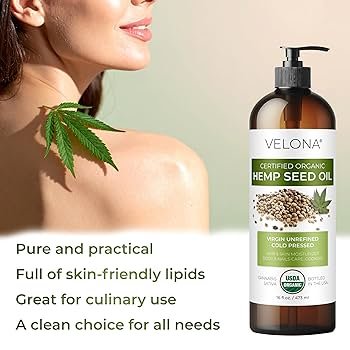
Are you tired of trying countless skincare products without seeing the results you desire? If so, you might want to explore the natural wonders of hemp seed oil for your skin.
Imagine a skincare solution that’s not only effective but also gentle and nourishing. Hemp seed oil could be the answer you’ve been searching for. This powerhouse ingredient is gaining popularity for its ability to hydrate, soothe, and rejuvenate your skin.
But what exactly makes it so special? And how can it transform your skincare routine? Stick around to discover the secrets of hemp seed oil and how it can bring out the best in your skin, leaving you with a radiant and healthy glow.

Credit: www.amazon.com
Benefits Of Hemp Seed Oil For Skin
Hemp seed oil offers many benefits for skin care. It is rich in essential fatty acids and nutrients that support healthy skin. People use it to hydrate skin, reduce inflammation, and balance oil production. Its natural properties also help fight signs of aging and clear acne. Below are some key benefits of hemp seed oil for skin.
Moisturizing And Hydrating Effects
Hemp seed oil deeply moisturizes without clogging pores. It helps keep the skin soft and smooth. The oil locks in moisture, preventing dryness and flakiness. It is light and absorbs quickly, making it ideal for daily use.
Anti-inflammatory Properties
Hemp seed oil reduces redness and soothes irritated skin. It calms inflammation caused by conditions like eczema and psoriasis. Its natural compounds help skin heal faster and feel more comfortable.
Balancing Oily Skin
The oil helps regulate sebum production to prevent excess oiliness. It balances oily skin by signaling the skin to produce less oil. This can reduce shine and improve overall skin texture.
Reducing Acne And Breakouts
Hemp seed oil fights acne by calming inflammation and controlling oil. Its antibacterial properties reduce bacteria on the skin. Regular use can help clear breakouts and prevent new ones from forming.
Anti-aging Benefits
Hemp seed oil contains antioxidants that protect skin from damage. It helps reduce fine lines and wrinkles. The oil improves skin elasticity, making skin look firmer and younger.
Nutritional Profile Of Hemp Seed Oil
Hemp seed oil is more than just a skincare trend; its nutritional profile holds the key to why it works so well for your skin. Packed with essential nutrients, this oil offers a natural boost that supports skin health from the inside out. Understanding its components can help you decide how best to use it for your unique skin needs.
Essential Fatty Acids
Hemp seed oil contains a perfect balance of omega-3 and omega-6 fatty acids, which are crucial for maintaining your skin’s barrier. These fats help keep your skin hydrated and reduce inflammation, which can calm redness and irritation.
Many people overlook how important these fatty acids are until they experience dry or sensitive skin. Adding hemp seed oil to your routine could be what your skin needs to feel soft and resilient again.
Vitamins And Antioxidants
This oil is rich in vitamin E, a powerful antioxidant that protects your skin from damage caused by free radicals. Vitamin E also supports skin repair and helps slow down the appearance of aging signs like wrinkles and fine lines.
Besides vitamin E, hemp seed oil contains other antioxidants that work together to brighten your complexion and keep your skin looking fresh. Do you currently use any products packed with antioxidants? Hemp seed oil might be a natural, effective alternative.
Minerals Supporting Skin Health
Hemp seed oil includes important minerals such as zinc, magnesium, and calcium, which play roles in skin healing and regeneration. Zinc, for example, is known to help control acne and balance oil production.
These minerals contribute to stronger skin that can better defend against environmental stressors. If you struggle with dull or problematic skin, consider how these nutrients could make a difference in your skincare routine.
How To Use Hemp Seed Oil On Skin
Hemp seed oil is gentle and nourishing for the skin. Using it correctly boosts its benefits. A simple routine helps your skin absorb nutrients well.
Choosing The Right Product
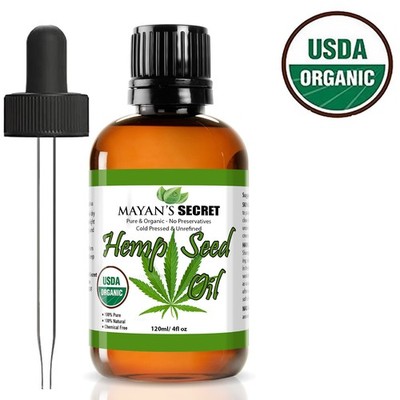
Select pure, cold-pressed hemp seed oil for best results. Avoid products with added chemicals or fragrances. Look for oils labeled organic and non-GMO. Check the color; it should be greenish or golden. Dark glass bottles protect the oil from light damage.
Application Techniques
Start with clean, dry skin to apply hemp seed oil. Use a few drops, warming it between your fingers. Gently massage the oil into your face or body. Patting motions help the skin absorb the oil better. Avoid rubbing too hard to prevent irritation. Use it daily, preferably at night for deep hydration.
Combining With Other Skincare Ingredients
Mix hemp seed oil with gentle moisturizers for extra softness. It blends well with aloe vera gel and jojoba oil. Avoid mixing with strong acids or retinoids to protect skin balance. Layer it after toner and before heavier creams. This helps lock in moisture without clogging pores.

Credit: www.amazon.com
Hemp Seed Oil For Different Skin Types
Hemp seed oil offers unique benefits tailored to different skin types, making it a versatile addition to your skincare routine. Understanding how it interacts with your skin can help you get the best results without irritation or imbalance. Let’s break down how hemp seed oil works for dry, oily, and sensitive skin, so you can decide how to use it effectively.
Dry Skin Care
If your skin feels tight, flaky, or rough, hemp seed oil can be a game-changer. Its rich content of essential fatty acids like omega-3 and omega-6 helps lock in moisture and repair the skin barrier.
Try applying a few drops after cleansing to soothe dryness and add softness. You might find it absorbs quickly without leaving a greasy residue, unlike some heavier oils.
Have you noticed your usual moisturizers aren’t enough? Hemp seed oil could be the gentle boost your dry skin needs to stay hydrated all day.
Oily And Acne-prone Skin
It might sound surprising, but hemp seed oil is non-comedogenic, meaning it won’t clog your pores. Instead, it helps balance sebum production, which can reduce the chances of breakouts.
People with oily skin often avoid oils, but hemp seed oil can calm inflammation and redness, making it ideal for acne-prone skin. Use it as a light moisturizer or mix it with your regular products.
Think about your current routine—is it drying your skin out and causing more oil production? Adding hemp seed oil might help regulate that cycle.
Sensitive Skin Considerations
Sensitive skin demands extra care, and hemp seed oil’s anti-inflammatory properties can provide relief without irritation. It’s gentle enough to use on redness-prone or reactive skin types.
Patch test before fully adding it to your routine, especially if you have allergies or very reactive skin. Applying it sparingly at first can help you gauge how your skin responds.
Have you struggled to find products that soothe without causing flare-ups? Hemp seed oil’s calming effects might offer the balance you’re looking for.
Potential Side Effects And Precautions
Hemp seed oil offers many benefits for the skin, but it’s important to be aware of potential side effects and take precautions. Even natural products can cause reactions depending on your skin type and other factors. Understanding these risks helps you use hemp seed oil safely and effectively.
Allergic Reactions
Some people may experience allergic reactions to hemp seed oil. Symptoms can include redness, itching, swelling, or a rash. If you notice any of these signs, stop using the oil immediately.
Allergies to hemp seed oil are rare but possible, especially if you have a history of plant-based allergies. Have you ever tried a new skincare product only to find it irritated your skin unexpectedly?
Patch Testing Tips
Before applying hemp seed oil all over your face or body, do a patch test. Apply a small amount on a discreet area like your wrist or behind your ear. Wait 24 to 48 hours to see if any reaction occurs.
This simple step can save you from discomfort and skin issues. If no irritation appears, it’s generally safe to proceed with regular use. How often do you test new products before full application?
Interactions With Other Products
Hemp seed oil can interact with other skincare products, especially those with active ingredients like retinoids or acids. Mixing these may cause dryness or increased sensitivity. It’s best to apply hemp seed oil separately or at different times.
Consider how your current skincare routine might change when adding hemp seed oil. Could layering too many products cause more harm than good? Monitoring how your skin responds will guide you in adjusting your regimen for the best results.
Credit: www.ebay.com
Diy Hemp Seed Oil Skincare Recipes
Hemp seed oil is a powerhouse ingredient for skincare, packed with essential fatty acids and antioxidants that nourish and protect your skin. Making your own hemp seed oil skincare products at home lets you control the ingredients and tailor them to your skin’s needs. If you want simple, effective recipes that deliver real results, these easy DIY recipes are perfect for you.
Hydrating Face Mask
This mask deeply moisturizes dry skin and leaves your face feeling soft and refreshed. Mix 1 tablespoon of hemp seed oilwith 2 tablespoons of mashed avocado. Avocado adds extra vitamins and smoothness, while hemp seed oil locks in moisture.
Apply the mixture evenly on your face and leave it for about 15 minutes. Rinse with lukewarm water and pat dry. Feel the difference immediately as your skin drinks in the hydration.
Soothing Body Lotion
Create a calming lotion that soothes irritated or sensitive skin using simple ingredients you might already have. Combine 1/4 cup of hemp seed oil, 1/4 cup of coconut oil, and 1/4 cup of shea butterin a double boiler until melted.
Let it cool slightly, then whip the mixture for a light, fluffy texture. Add a few drops of lavender essential oil for a relaxing scent. This lotion absorbs quickly without leaving grease, perfect for daily use after showers.
Nourishing Lip Balm
Keep your lips soft and protected with a homemade balm. Melt together 1 tablespoon of hemp seed oil, 1 tablespoon of beeswax, and 1 tablespoon of coconut oil. Stir well and pour into small containers.
Let it harden at room temperature. Apply as needed to prevent chapping, especially in cold or dry weather. This balm feels smooth and natural, unlike many store-bought options.
Comparing Hemp Seed Oil With Other Oils
Choosing the right oil for your skin can feel overwhelming with so many options available. Comparing hemp seed oil with other popular oils helps you understand which one fits your skin’s unique needs. Let’s break down how hemp seed oil stacks up against coconut, argan, and jojoba oils.
Hemp Seed Oil Vs. Coconut Oil
Hemp seed oil is lightweight and absorbs quickly, making it ideal for oily and combination skin. Coconut oil, on the other hand, is thicker and can clog pores, especially if your skin is acne-prone.
Hemp seed oil contains a balanced ratio of omega-3 and omega-6 fatty acids, which help reduce inflammation. Coconut oil is rich in saturated fats and has antimicrobial properties but may cause breakouts for some users.
If you want a non-greasy, soothing oil that calms redness, hemp seed oil is a smart choice. Have you noticed coconut oil feeling heavy or sticky on your skin?
Hemp Seed Oil Vs. Argan Oil
Argan oil is famous for its deep moisturizing effects and vitamin E content. Hemp seed oil also nourishes but feels lighter and less oily after application.
Both oils support skin elasticity and hydration, but hemp seed oil has a higher content of polyunsaturated fats, which help regulate oil production. Argan oil might suit dry skin better, while hemp seed oil works well for balancing oily or sensitive skin.
Think about how your skin reacts after using heavier oils—do you prefer something that sinks in quickly without leaving residue?
Hemp Seed Oil Vs. Jojoba Oil
Jojoba oil is unique because it mimics your skin’s natural sebum, helping to balance oil production. Hemp seed oil also regulates moisture but offers more anti-inflammatory benefits due to its fatty acid profile.
Both oils are non-comedogenic and suitable for sensitive skin, but jojoba oil tends to have a waxier texture compared to the silky feel of hemp seed oil. If you struggle with redness or irritation, hemp seed oil’s calming properties may give it an edge.
Which texture feels better on your skin—something waxy like jojoba or light and smooth like hemp seed oil?
Frequently Asked Questions
What Are The Benefits Of Hemp Seed Oil For Skin?
Hemp seed oil deeply moisturizes and nourishes the skin. It balances oil production, reduces inflammation, and soothes irritation. Rich in fatty acids, it promotes healthy, glowing skin without clogging pores.
Is Hemp Seed Oil Good For Acne-prone Skin?
Yes, hemp seed oil helps acne-prone skin by regulating oil production. Its anti-inflammatory properties reduce redness and swelling. It hydrates without clogging pores, making it ideal for sensitive and oily skin types.
How To Use Hemp Seed Oil On Your Face?
Apply a few drops of hemp seed oil onto clean skin. Gently massage it in circular motions until fully absorbed. Use it daily as a moisturizer or mix with your favorite skincare products for enhanced hydration.
Can Hemp Seed Oil Reduce Signs Of Aging?
Hemp seed oil contains antioxidants that fight free radicals. It helps improve skin elasticity and reduces fine lines and wrinkles. Regular use supports youthful, smooth, and firm skin by promoting collagen production.
Conclusion
Hemp seed oil supports healthy and glowing skin. It soothes dryness and helps reduce redness. This oil nourishes skin without clogging pores. Many find it gentle and safe for daily use. Try adding hemp seed oil to your skincare routine.
Feel the difference in softness and hydration. Nature’s simple gift for clearer, calm skin. Worth a spot in your beauty care.