Are you ready to take your makeup game to the next level? Whether you’re a beginner or just looking to refresh your routine, these helpful makeup tips are designed with you in mind.
Imagine achieving a flawless look that highlights your best features, boosts your confidence, and saves you time every day. Keep reading, and you’ll discover simple tricks that can transform your makeup experience—making it easier, more fun, and totally worth it.
Your perfect look is closer than you think!
Prep Your Skin
Preparing your skin is the foundation of any successful makeup look. Without a clean and well-moisturized base, even the best products can look patchy or wear off quickly. Taking a few extra minutes to care for your skin before applying makeup can make a noticeable difference in both appearance and comfort.
Cleansing And Moisturizing
Start with a gentle cleanser that suits your skin type to remove dirt, oil, and leftover makeup. This step helps your makeup go on smoothly and prevents clogged pores.
After cleansing, apply a lightweight moisturizer to hydrate your skin. If your skin feels tight or flaky, makeup can cling unevenly, so moisturizing helps create a smooth canvas.
Think about how your skin feels after cleansing—does it feel clean but dry? If yes, a richer moisturizer might be necessary, especially in colder months.
Priming For Longevity
Using a primer can extend the wear of your makeup and improve its finish. Primers fill in fine lines and pores, creating an even surface for foundation.
Choose a primer based on your skin’s needs: mattifying for oily skin, hydrating for dry skin, or color-correcting to tackle redness. A good primer can also reduce the need for touch-ups throughout the day.
Have you noticed your makeup fading quickly or settling into creases? Adding a primer could solve that problem and keep your look fresh longer.

Credit: artdeco.com
Choose The Right Foundation
Choosing the right foundation can make or break your makeup look. It sets the base for everything else and helps your skin look natural and flawless. Yet, many struggle to find the perfect match or the right formula for their skin type.
Matching Your Skin Tone
Start by testing foundation shades on your jawline, not your hand. The skin on your face and neck usually has a different tone than your hands. This helps you avoid the dreaded mask effect where your face looks disconnected from your body.
Look at your skin in natural light to see the true color. Foundation should disappear seamlessly into your skin, not sit on top or create a line. Ask yourself: does it blend well with both your face and neck?
Consider your undertone—warm, cool, or neutral. A simple way to check is by looking at your veins; greenish veins suggest warm undertones, bluish hints at cool, and a mix means neutral. Choosing a foundation with the right undertone will enhance your natural glow.
Types Of Foundations
Foundations come in many forms, each suited to different skin needs and preferences. Knowing what works for your skin type can save you time and disappointment.
- Liquid Foundation:Great for most skin types, especially normal to dry skin. It offers buildable coverage and blends easily.
- Powder Foundation:Ideal for oily or combination skin. It helps control shine but can be drying if overused.
- Cream Foundation:Provides rich coverage and is perfect if you want to cover imperfections or have dry skin.
- Stick Foundation:Convenient for touch-ups and offers medium to full coverage. It’s great if you prefer a quick application.
- Tinted Moisturizer:Combines hydration and light coverage, perfect for a natural, everyday look.
Think about your daily routine and skin needs. Do you need something long-lasting for a busy day? Or maybe a light formula for a fresh, no-makeup look? Your foundation choice should fit how you live, not just how you want to look.
Concealing Imperfections
Everyone has a few spots or marks they’d rather keep under wraps. Concealing imperfections isn’t about masking your natural beauty—it’s about enhancing your confidence. With the right approach, you can create a flawless look that feels like your skin, just better.
Selecting Concealer Shades
Choosing the right concealer shade is key. Pick a color that matches your skin tone exactly for covering blemishes or dark spots. If you want to brighten under your eyes, select a shade one or two tones lighter than your foundation.
Think about the undertones of your skin. Warm undertones pair well with peach or orange concealers, which neutralize dark circles. Cool undertones benefit from pink or red-based concealers that counteract bluish hues.
Have you ever grabbed the first concealer you saw and wondered why it didn’t blend? Matching shade and undertone can make all the difference between a natural finish and a patchy look.
Effective Application Techniques
Applying concealer with precision helps it blend seamlessly. Use a small brush or your fingertip to tap the product gently onto the area instead of rubbing. This method keeps coverage intact and avoids irritation.
Layering thin amounts builds better coverage than one thick swipe. Start with a light layer, let it set for a few seconds, then add more if needed. This prevents cakiness and keeps the skin looking smooth.
Setting your concealer with a light dusting of translucent powder locks it in place for hours. This step is especially important if you have oily skin or need your makeup to last all day.
Enhance Your Eyes
Bright, well-defined eyes can transform your entire look. Enhancing your eyes draws attention and adds depth to your face. Simple techniques make your eyes appear larger and more awake. Small changes create a big impact.
Perfect Eyebrows
Eyebrows frame your eyes and shape your face. Use a pencil or powder to fill in sparse areas. Follow your natural brow shape for the best result. Brush brows upward to add volume and neatness. Avoid making eyebrows too dark or thick. A clean, well-groomed brow lifts the eyes instantly.
Eyeshadow Tips
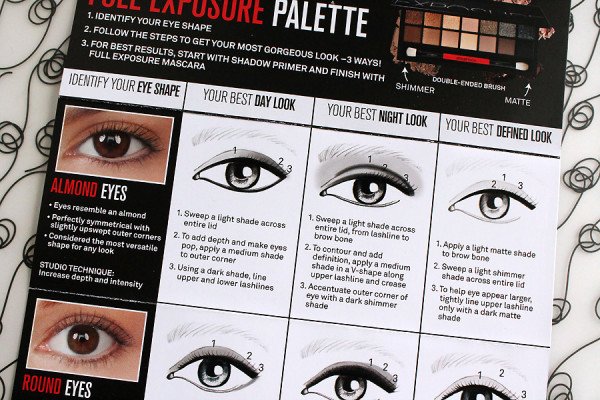
Choose eyeshadow colors that complement your eye color. Light shades on the inner corners brighten tired eyes. Medium shades on the lid add depth and dimension. Dark shades on the crease create a natural shadow. Blend well to avoid harsh lines. Use a matte shade for daytime and shimmer for night.
Eyeliner Styles
Eyeliner defines the shape of your eyes. Tightline the upper lash line to make lashes look thicker. Use a pencil for a soft, natural look. Liquid liner creates sharp, bold lines perfect for special occasions. Try a small wing for a subtle lift. Avoid heavy liner on the lower lid to keep eyes open.
Mascara Tricks
Mascara opens up your eyes and adds drama. Wiggle the wand at the base of lashes for volume. Use an eyelash curler before applying mascara. Apply two coats for fuller lashes, but avoid clumps. Use waterproof mascara to prevent smudging. Focus on the outer lashes for a wide-eyed effect.
Sculpt Your Face
Sculpting your face with makeup enhances your natural features. It adds depth and dimension, making your face look more defined. This technique shapes your face, highlighting your best parts and softening others. Simple steps create a polished, balanced look. Understanding where to apply contour and highlight is key to success.
Contouring Basics
Contouring uses darker shades to create shadows. Apply contour powder or cream under cheekbones, along the jawline, and at the temples. Use a small brush or sponge for precise application. Blend well to avoid harsh lines. This step slims and shapes your face subtly.
Highlighting Areas
Highlighting brightens areas to bring them forward. Use a lighter shade on the tops of cheekbones, the bridge of the nose, and the center of the forehead. A bit on the brow bone and cupid’s bow adds extra glow. Choose a highlighter with a natural finish for a soft shine. Blend carefully for a seamless look.
Choose The Right Blush
Choosing the right blush enhances your natural beauty and brightens your face. It adds a healthy glow and lifts your complexion. The right blush color and placement make your makeup look fresh and balanced.
Finding The Best Shade
Select a blush shade that matches your skin tone for a natural look. Fair skin suits soft pinks and peaches. Medium skin looks great with warm apricot or rose shades. Darker skin tones shine with deep berry or brick red colors.
Test the blush on your jawline or wrist to see how it blends with your skin. Avoid shades that look too bright or too dull. Cream blushes work well for dry skin. Powder blushes suit oily skin better.
Blush Placement Tips
Apply blush where your cheeks naturally flush. Smile gently to find the apples of your cheeks. Sweep the blush from the apples towards your temples for a lifted effect.
Use a light hand and build color slowly. Blend well to avoid harsh lines. For a youthful look, keep the blush centered on the cheeks. For a more sculpted face, apply blush slightly higher and blend outwards.
Lips That Stand Out
Lips are a focal point of any makeup look. Bright, defined lips draw attention and boost confidence. Simple techniques can make lips look fuller and more vibrant. Choosing the right products and application style creates a lasting impression. Here are key tips for lips that truly stand out.
Lip Liner Usage
Lip liner shapes and defines lips for a polished look. It prevents lipstick from bleeding outside the lip line. Choose a liner shade close to your natural lip color or lipstick. Outline the lips carefully, following their natural shape. Fill in the entire lip with liner to help lipstick last longer. Use soft, short strokes for smooth application. Blending the liner inward avoids harsh lines. This step enhances lip color and adds depth.
Long-lasting Lip Colors
Long-lasting lip colors keep lips vibrant throughout the day. Matte formulas often offer better staying power than glosses. Look for liquid lipsticks or stains with good pigmentation. Apply a thin layer and let it dry before adding more. Blot lips with tissue to remove excess product. Avoid touching lips to keep color intact. Reapply lightly after meals to maintain brightness. Proper exfoliation and hydration improve color adhesion.
Credit: www.lemon8-app.com
Set Your Makeup
Setting your makeup helps it last longer and look fresh all day. It stops makeup from smudging or fading quickly. A good setting routine keeps your skin looking smooth and matte without shine. Simple products can make a big difference in your makeup’s staying power.
Using Setting Powder
Setting powder locks your foundation and concealer in place. It absorbs extra oil and reduces shine. Use a small fluffy brush or puff to apply it lightly. Focus on areas prone to oil like the forehead, nose, and chin. Press the powder gently instead of rubbing. This avoids disturbing your base makeup. Choose a translucent powder for a natural finish. Setting powder also helps prevent your makeup from creasing.
Setting Sprays Benefits
Setting sprays keep makeup fresh and hydrated. They form a light, invisible layer over your makeup. This layer protects your look from sweat and humidity. Sprays can reduce powdery or cakey appearance. They help blend all makeup layers together for a smooth finish. Choose sprays with ingredients that suit your skin type. Sprays also add a subtle glow or matte effect depending on the product. A quick mist can refresh your makeup anytime during the day.
Common Mistakes To Avoid
Makeup can enhance your natural beauty, but common mistakes can spoil the look. Avoiding these errors helps achieve a flawless finish. Simple changes improve your makeup routine instantly.
Over-applying Products
Applying too much product can make your face look cakey and heavy. Use small amounts and build up slowly. Less is more for a fresh, natural appearance. Overdoing foundation or powder can clog pores and feel uncomfortable. Blend well to avoid harsh lines or patches.
Ignoring Skin Type
Choosing the wrong products for your skin type causes poor results. Dry skin needs hydrating formulas to avoid flakiness. Oily skin benefits from mattifying products that reduce shine. Sensitive skin requires gentle, fragrance-free options to prevent irritation. Match your makeup to your skin needs for better wear and comfort.

Credit: www.glamour.com
Frequently Asked Questions
What Are The Best Makeup Tips For Beginners?
Start with a clean, moisturized face. Use minimal foundation and build coverage gradually. Practice blending eyeshadows softly. Always remove makeup before bed to keep skin healthy.
How To Make Makeup Last All Day?
Use a primer before foundation. Set makeup with a translucent powder. Opt for long-lasting formulas. Avoid touching your face frequently to prevent smudging.
What Makeup Products Are Essential For A Natural Look?
Choose a lightweight foundation or tinted moisturizer. Use neutral eyeshadows and a soft blush. Apply mascara lightly and finish with a nude lip color for a fresh appearance.
How Can I Prevent Makeup From Clogging Pores?
Cleanse your face thoroughly before applying makeup. Use non-comedogenic and oil-free products. Remove makeup completely every night to maintain clear, healthy skin.
Conclusion
Makeup enhances your natural beauty. These tips make it easier. Choose the right products. Apply them with care. Practice makes perfect. Remember, less is often more. Enjoy the process of getting ready. Feel confident in your look. Makeup should be fun and expressive.
Experiment with colors and styles. Find what suits you best. Share your beauty tips with friends. They might have new ideas too. Always remove makeup before bed. Keep skin fresh and healthy. Embrace your unique beauty every day.
