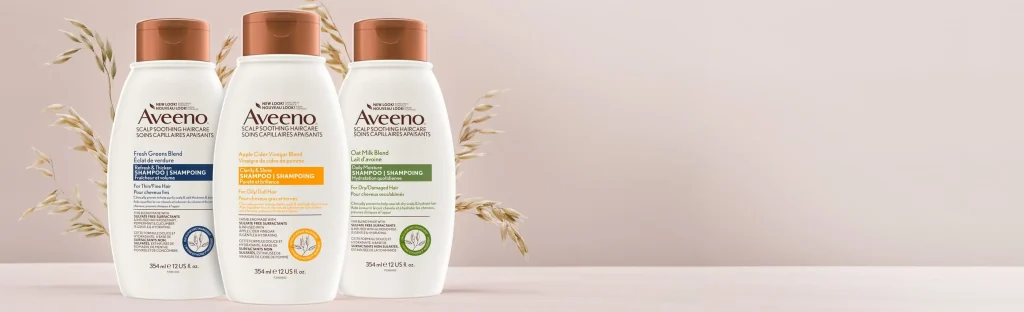
Are you confused about the difference between “haircare” and “hair care”? You’re not alone.
These terms might seem similar, but understanding what they truly mean can change how you treat your hair every day. Imagine having the right knowledge to keep your hair healthy, shiny, and strong without wasting time or money on the wrong products.
This article will clear up the mystery and give you simple, practical tips to improve your hair routine instantly. Keep reading, and discover how a small shift in your haircare approach can make a big difference for your confidence and style.
Haircare Vs Hair Care
Many people wonder about the difference between “haircare” and “hair care.” Both terms relate to looking after your hair, but their usage varies in writing and speech. Understanding these subtle differences helps you use the right term in the right place.
Common Usage And Misconceptions
“Hair care” is a phrase made up of two words. It refers to the actions or products used to keep hair healthy. People often write it separately when talking about routines or advice. For example, “Proper hair care is important.”
“Haircare” is a single word often used as a noun. It usually describes the industry or category related to hair products and services. For example, “The haircare market is growing fast.” Some confuse these terms and use them interchangeably, which can cause slight confusion.
Which Term To Use And When
Use “hair care” when talking about specific actions, tips, or products for maintaining hair. It fits well in general advice and instructions.
Choose “haircare” when referring to brands, product lines, or the business side of hair maintenance. It works better in marketing or industry discussions.
- Talking about shampoo and conditioner: hair care
- Discussing salons and product companies: haircare
- Writing about daily routines: hair care
- Referring to the beauty industry: haircare
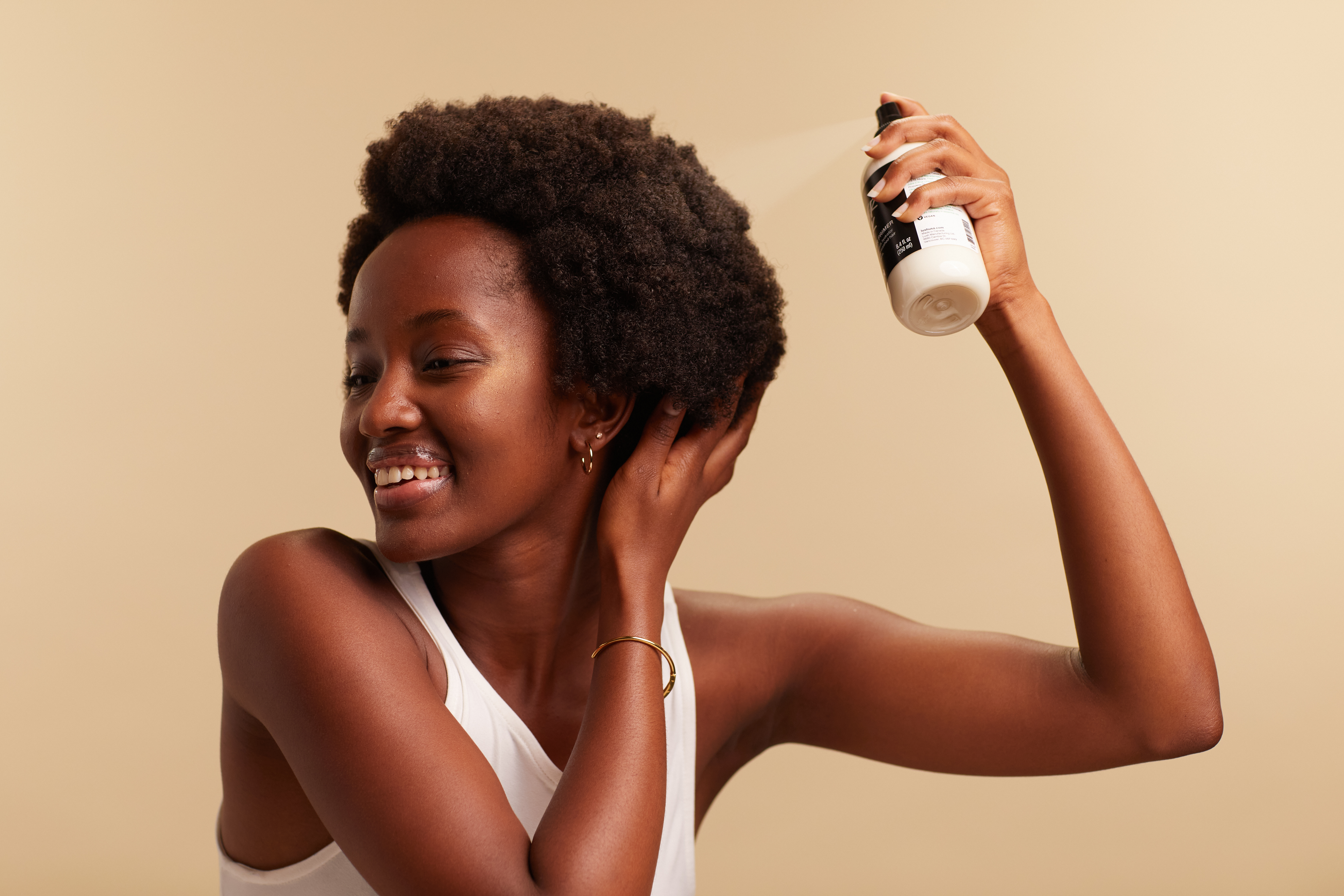
Credit: www.lush.com
Daily Haircare Routine
Maintaining a daily haircare routine keeps hair healthy and vibrant. Simple, consistent habits protect strands from damage. Clean hair feels fresh and looks shiny. A well-planned routine suits all hair types and needs. Follow these easy tips to care for your hair every day.
Cleansing Tips
- Use a gentle shampoo suited for your hair type.
- Wash hair with lukewarm water to avoid dryness.
- Massage scalp softly to remove dirt and oil.
- Rinse thoroughly to avoid shampoo buildup.
- Limit washing to two or three times per week for dry hair.
Conditioning Best Practices
- Apply conditioner mainly on the ends, not the scalp.
- Leave conditioner on for 2-3 minutes before rinsing.
- Use a conditioner that matches your hair’s moisture needs.
- Rinse with cool water to seal hair cuticles.
- Try deep conditioning once a week for extra nourishment.
Brushing Techniques
- Use a wide-tooth comb or soft-bristle brush.
- Start detangling from the ends, working upward gently.
- Brush hair when dry to prevent breakage.
- Avoid over-brushing to protect hair health.
- Clean your brush regularly to remove buildup.
Choosing The Right Products
Choosing the right hair care products is key to keeping hair healthy and strong. Each hair type needs special attention and specific ingredients. Using the wrong product can cause dryness, oiliness, or damage. Understanding your hair’s needs helps you pick products that improve its look and feel.
Shampoos For Different Hair Types
Shampoos vary based on hair texture and scalp condition. For oily hair, use shampoos that control oil and keep the scalp fresh. Dry hair benefits from moisturizing shampoos with gentle ingredients. Curly or textured hair needs shampoos that add hydration and reduce frizz. Sensitive scalps require shampoos without harsh chemicals or fragrances.
Conditioners And Treatments
Conditioners restore moisture and smoothness after shampooing. Choose lightweight conditioners for fine hair to avoid heaviness. Thick or damaged hair needs richer conditioners to repair and nourish. Treatments like masks and serums target specific problems such as split ends or dryness. Regular use of conditioners and treatments keeps hair soft and manageable.
Natural And Diy Options
Natural products offer gentle care without harsh chemicals. Ingredients like coconut oil, aloe vera, and honey nourish hair deeply. DIY masks can be made with kitchen staples like yogurt and avocado. These options suit those who want simple, eco-friendly hair care. Always test natural products on a small area to avoid reactions.
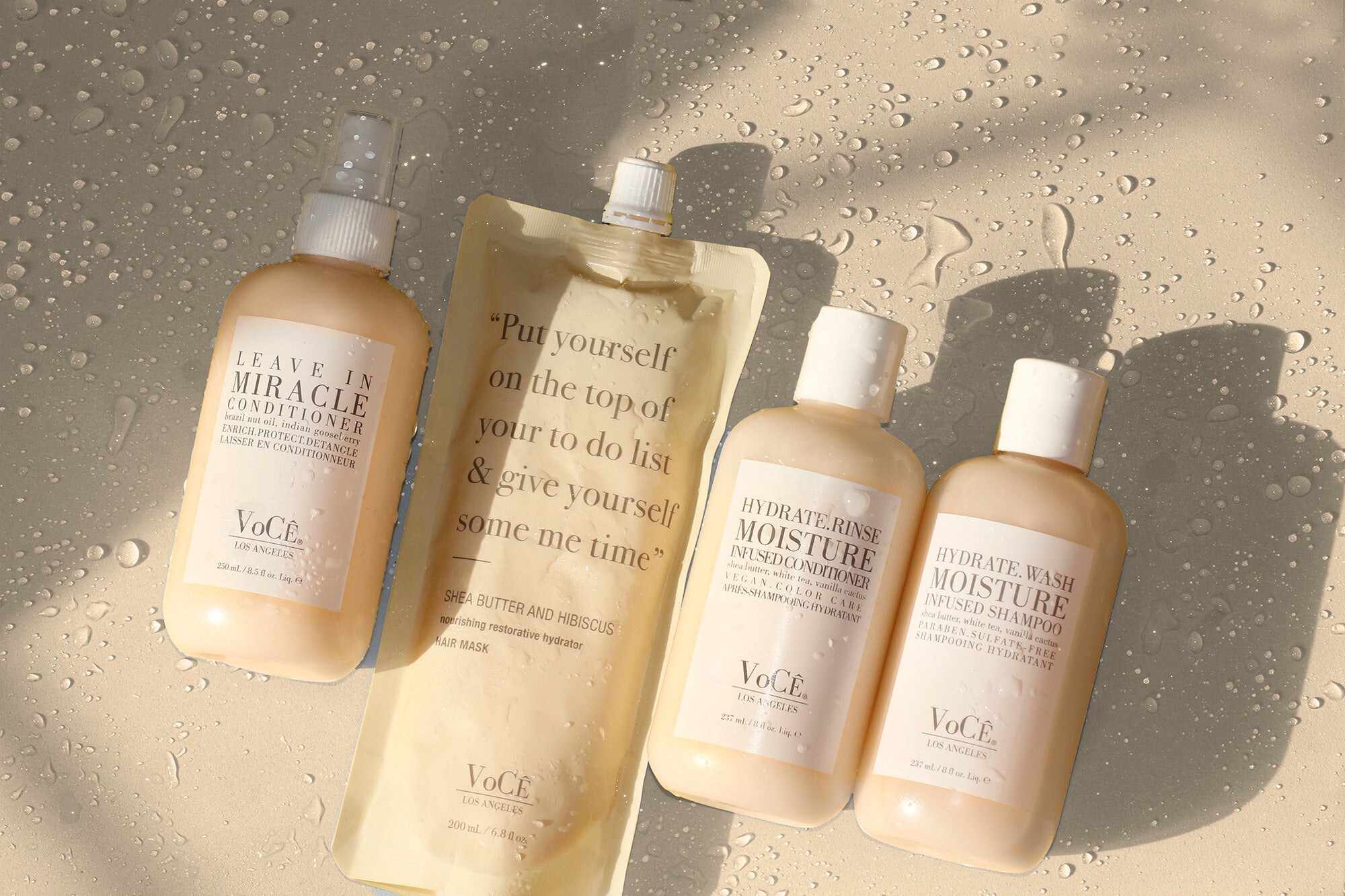
Credit: www.vocehaircare.com
Nutrition And Hair Health
Good nutrition plays a key role in hair health. Hair needs the right nutrients to grow strong and look shiny. Eating a balanced diet supports hair from the inside out. Poor nutrition can lead to dry, weak, or thinning hair. Let’s explore the vitamins, foods, and hydration that help keep hair healthy and vibrant.
Essential Vitamins And Minerals
Vitamins and minerals support hair growth and strength. Some nutrients are especially important:
- Vitamin A:Helps produce oils that keep scalp healthy.
- Vitamin C:Protects hair from damage and aids collagen production.
- Vitamin E:Improves blood flow to the scalp.
- Biotin (Vitamin B7):Supports hair structure and growth.
- Iron:Prevents hair loss by delivering oxygen to hair follicles.
- Zinc:Helps repair hair and keeps oil glands working well.
Foods That Boost Hair Shine
Certain foods can make hair look shiny and healthy. These include:
- Fatty fish:Rich in omega-3 fatty acids that nourish hair.
- Eggs:Full of protein and biotin.
- Spinach:Loaded with iron and vitamins A and C.
- Nuts:Contain vitamin E and healthy fats.
- Sweet potatoes:High in beta-carotene, which converts to vitamin A.
Hydration And Its Role
Water keeps hair hydrated and prevents dryness. Drinking enough water helps hair stay flexible and less prone to breakage. Hydration supports the scalp’s health too. A dry scalp can cause itchiness and flakes. Aim to drink at least eight glasses of water daily for healthy hair.
Protecting Hair From Damage
Protecting hair from damage is key to keeping it healthy and strong. Hair faces many threats daily, including heat, sun, and chemicals. Small habits can make a big difference in avoiding breakage and dryness.
Heat Styling Tips
Heat tools can cause serious damage to hair. Use a heat protectant spray before styling. Keep the temperature low to medium. Avoid using heat every day. Let hair air dry when possible. Use a wide-tooth comb to detangle wet hair gently.
Environmental Factors
Sun, wind, and pollution harm hair over time. Wear a hat or scarf in strong sunlight. Rinse hair after swimming in pools or the ocean. Use moisturizing shampoos and conditioners. Keep hair covered during harsh weather. Avoid exposure to heavy dust and smoke.
Avoiding Overprocessing
Chemical treatments weaken hair structure. Space out coloring, perming, and relaxing sessions. Follow product instructions carefully. Use nourishing masks after treatments. Trim split ends regularly. Choose gentle, sulfate-free products for treated hair.
Home Remedies For Shiny Hair
Shiny hair looks healthy and feels soft to touch. Natural home remedies help enhance shine without harsh chemicals. These treatments nourish hair deeply and improve texture over time.
Oils And Masks
Oils add moisture and smoothness, making hair glossy. Coconut oil, olive oil, and argan oil work well. Warm the oil slightly and massage into the scalp. Leave for 30 minutes or overnight for best results.
Homemade masks using ingredients like honey, yogurt, and avocado boost shine. Honey locks in moisture. Yogurt strengthens hair. Avocado adds natural oils and vitamins.
Herbal Treatments
Herbs like aloe vera, henna, and amla improve hair health naturally. Aloe vera soothes the scalp and adds shine. Henna coats hair strands, giving a natural gloss. Amla is rich in vitamin C and helps prevent dullness.
Use fresh or powdered herbs to make rinses or pastes. Apply and rinse after 20-30 minutes for best effects.
Regular Scalp Care
Healthy scalp is key to shiny hair. Clean the scalp gently to remove buildup. Use mild shampoos or herbal cleansers.
Massage the scalp daily to boost blood flow. This supports hair growth and shine. Avoid tight hairstyles that stress hair roots.
When To See A Professional
Knowing when to see a professional for haircare can save your hair from severe damage. Some hair issues need expert help to restore health and shine. Early attention prevents long-term problems and keeps hair looking its best.
Signs Of Hair Damage
- Hair feels dry and brittle
- Excessive hair breakage or shedding
- Split ends appearing frequently
- Scalp irritation or persistent itching
- Hair losing natural shine and softness
- Changes in hair texture or thickness
Notice these signs early. They indicate your hair needs professional care.
Choosing A Haircare Specialist
Pick a specialist with proper training and experience. Look for certifications or licenses in haircare or trichology. Read reviews from other clients to check their reputation.
Ask about their approach to hair health. A good specialist listens carefully and suggests personalized treatments. Avoid those pushing harsh chemicals or quick fixes.
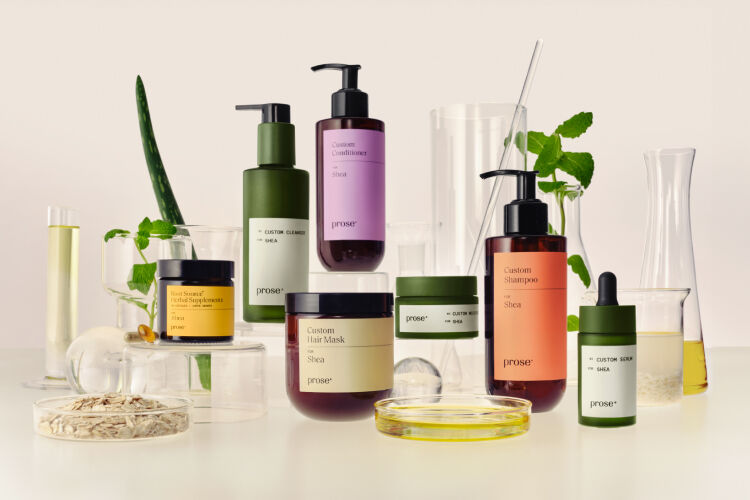
Credit: prose.com
Frequently Asked Questions
What Is The Correct Term: Haircare Or Hair Care?
Both “haircare” and “hair care” are used, but “hair care” is more common. It refers to practices for maintaining healthy hair. “Haircare” is often seen in brand names or informal writing.
Does Haircare Mean The Same As Hair Care?
Yes, both terms mean maintaining hair health. They include washing, conditioning, and styling. The difference is mainly in spelling and usage style.
Why Is Hair Care Important For Healthy Hair?
Hair care prevents damage, breakage, and dryness. It promotes scalp health and hair growth. Regular care keeps hair strong, shiny, and manageable.
Can Haircare Routines Improve Hair Texture?
Yes, consistent hair care improves texture over time. Using suitable products and techniques enhances softness and smoothness. Proper care reduces frizz and split ends.
Conclusion
Choosing between “haircare” or “hair care” can be confusing. Both terms mean the same. They refer to caring for your hair. Consistency is key in writing. Pick one term and stick with it. This helps readability and professionalism. Remember, your hair deserves the best care.
Use products that suit your hair type. Regular hair care keeps your hair healthy. Soft and shiny hair is achievable. Your routine matters. So, stay consistent. Your hair will thank you.
