
Are you considering a hair transplant or have you recently undergone the procedure? Knowing how to care for your new hair is crucial to ensure the best results and protect your investment.
Imagine waking up each day, running your fingers through a fuller head of hair, and feeling that boost of confidence you’ve always wanted. Sounds great, right? But to get there, you need to follow some essential post-transplant care tips. In this guide, we’ll walk you through everything you need to know to keep your new locks healthy and vibrant.
From the first few days of gentle care to long-term maintenance, every step you take matters. Curious about what you should or shouldn’t do? Read on to discover how you can nurture your new hair and achieve the results you’ve dreamed of.
Post-procedure Hygiene
Maintaining proper hygiene after a hair transplant is key for healing and good results. Careful cleaning protects new follicles and prevents infection. It supports the scalp’s recovery and keeps the area healthy.
Follow these hygiene tips to support your scalp after the procedure. Gentle actions help avoid damage to the delicate transplanted hair.
Gentle Washing Techniques
Use lukewarm water and soft hands to wash your scalp. Avoid rubbing or scratching the transplanted area. Instead, gently pat or lightly massage the scalp with fingertips. This reduces irritation and helps keep grafts safe.
Avoiding Direct Water Pressure
Do not let water hit your scalp directly. Strong water pressure can dislodge new hair follicles. Use a cup or a gentle shower head setting. Let water flow softly over your scalp for cleaning.
Using Recommended Shampoos
Choose shampoos suggested by your doctor or clinic. These products are mild and free from harsh chemicals. They cleanse without stripping natural oils or harming new hair. Avoid strong or scented shampoos during early healing.
Managing Swelling And Discomfort
Managing swelling and discomfort after a hair transplant is crucial for a smooth recovery. Swelling can cause tightness and soreness around the forehead and eyes, making you uneasy. Addressing these symptoms early helps you feel better and supports the healing process.
Cold Compress Application
Applying a cold compress can significantly reduce swelling. Use a clean cloth wrapped around an ice pack and gently press it on the forehead and around the eyes for 10-15 minutes at a time.
Make sure not to apply ice directly to the skin to avoid frostbite. You can repeat this every hour during the first 24-48 hours after your procedure.
Pain Relief Options
Over-the-counter pain relievers like ibuprofen or acetaminophen can help ease discomfort. Avoid medications such as aspirin that might increase bleeding.
Always follow your doctor’s advice on dosage and timing to prevent any side effects. If the pain feels intense or unusual, don’t hesitate to contact your healthcare provider.
Elevating The Head
Keeping your head elevated while resting reduces swelling by improving blood circulation. Use extra pillows or a recliner to keep your head above heart level.
This simple change can also minimize discomfort and help you sleep better during the initial recovery days. Have you tried adjusting your sleeping position yet?
Protecting The Transplanted Area
Protecting the transplanted area after a hair transplant is crucial for ensuring the best possible results. This delicate region needs gentle care to avoid damaging the new grafts and to promote healthy healing. Neglecting protection can lead to complications like infection or poor graft survival.
Avoiding Sun Exposure
Direct sunlight can harm the newly transplanted hair follicles. UV rays might cause irritation, redness, or even slow down the healing process. Try to stay indoors or in shaded areas, especially during peak sun hours between 10 a.m. and 4 p.m.
If you must go outside, consider using a loose, breathable hat to shield your scalp. Have you noticed how small actions like avoiding the sun can make a big difference in healing?
Wearing Loose Headgear
Tight hats or caps can rub against the transplanted area and dislodge grafts. Opt for soft, loose-fitting headgear made from natural fabrics that allow your scalp to breathe. This reduces irritation and helps maintain a clean environment for healing.
Remember, comfort is key. If your headgear feels tight or itchy, it’s best to remove it and let your scalp rest.
Limiting Physical Activity
Excessive movement, heavy exercise, or activities that cause sweating can affect the transplanted area negatively. Sweat can irritate the scalp and increase the risk of infection. Try to avoid intense workouts and heavy lifting for at least the first week after your procedure.
Could you swap a high-intensity gym session for a gentle walk? Small adjustments like these help protect your investment in new hair growth.
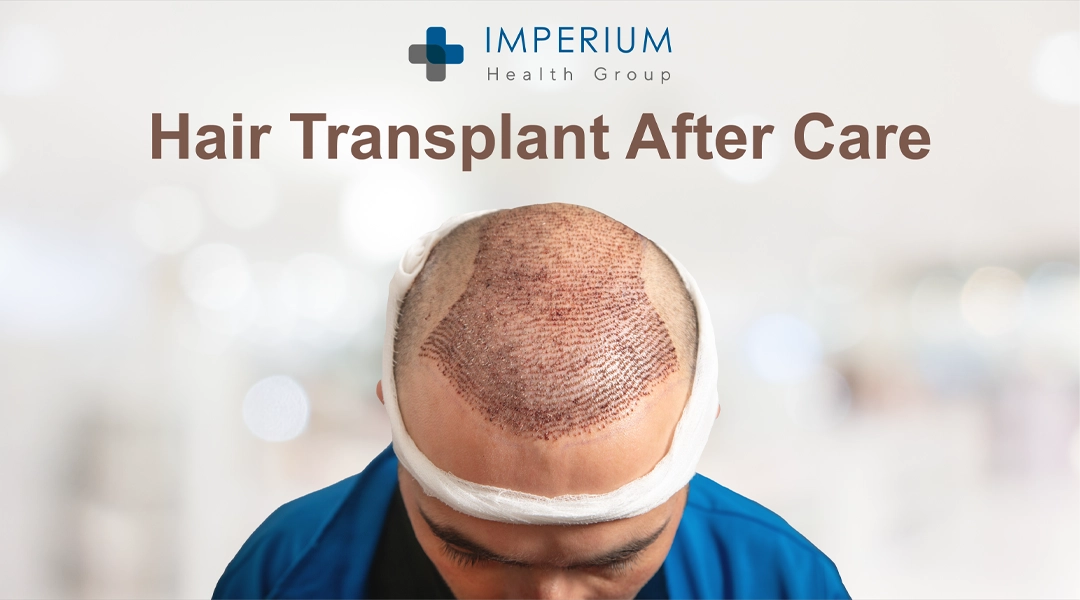
Credit: www.imperiumhealthgroup.com
Nutrition And Hydration
Proper nutrition and hydration play a crucial role in supporting your body’s healing process after a hair transplant. What you eat and drink affects how quickly your scalp recovers and how well new hair follicles take root. Paying attention to these factors can make a noticeable difference in your results.
Foods That Promote Healing
Certain foods provide essential nutrients that speed up tissue repair and reduce inflammation. Focus on eating:
- Protein-rich foods:Chicken, fish, eggs, and beans help rebuild damaged skin and hair follicles.
- Vitamin C sources:Oranges, strawberries, and bell peppers boost collagen production, which strengthens your scalp.
- Iron and zinc:Spinach, lentils, and nuts support healthy blood flow and immune function.
I noticed that after adding more leafy greens and lean protein to my meals, my scalp felt less irritated and healed faster. Have you tried adjusting your diet to improve skin recovery?
Staying Hydrated
Water is essential for healing because it helps transport nutrients to your scalp and flush out toxins. Aim to drink at least 8 glasses of water daily, and more if you’re active or live in a hot climate.
Dehydration can slow down the healing process and make your scalp feel dry or itchy. Keeping a water bottle nearby reminds you to sip regularly throughout the day.
Supplements To Consider
Some supplements can support your recovery, but it’s best to consult your doctor before starting any. Common options include:
- Biotin:Known to strengthen hair and improve its growth rate.
- Vitamin D:Supports hair follicle cycling and overall scalp health.
- Omega-3 fatty acids:Found in fish oil, they reduce inflammation and promote blood circulation.
Remember, supplements work best when paired with a balanced diet and proper hydration. What supplements have you found effective in your healing journey?
Recognizing Warning Signs
After your hair transplant, your scalp will go through a healing process that demands your close attention. Recognizing warning signs early can prevent complications and ensure your recovery stays on track. Being alert to changes that seem unusual helps you act quickly, protecting your investment and health.
Infection Symptoms
Watch out for redness that spreads beyond the transplant area or becomes increasingly intense. Pus or unusual discharge, especially if it smells bad, is a clear sign of infection. Fever and chills paired with scalp discomfort also suggest your body is fighting an infection.
One patient ignored mild redness, thinking it was normal healing, but it quickly worsened into a serious infection. Don’t let this happen to you. Treat every sign seriously and keep your scalp clean to reduce risks.
Unusual Pain Or Swelling
Mild soreness is normal after the procedure, but sharp or throbbing pain is not. Swelling that grows rather than shrinks after a few days should raise alarms. If your scalp feels hot to the touch or if swelling affects your forehead or eyes, take note immediately.
Ask yourself: Is this pain something I expected, or does it feel different from what my doctor described? Trust your instincts—your body often signals when something isn’t right.
When To Contact Your Doctor
Reach out to your doctor if you notice any signs of infection or abnormal pain and swelling. Don’t wait for scheduled check-ups if your symptoms worsen or new issues appear. Early communication can prevent minor problems from becoming major ones.
- Persistent redness or pus
- Increasing pain or swelling
- Fever or flu-like symptoms
- Sudden bleeding or severe itching
Remember, your doctor is your partner in recovery. Promptly sharing concerns can make all the difference in your healing journey.
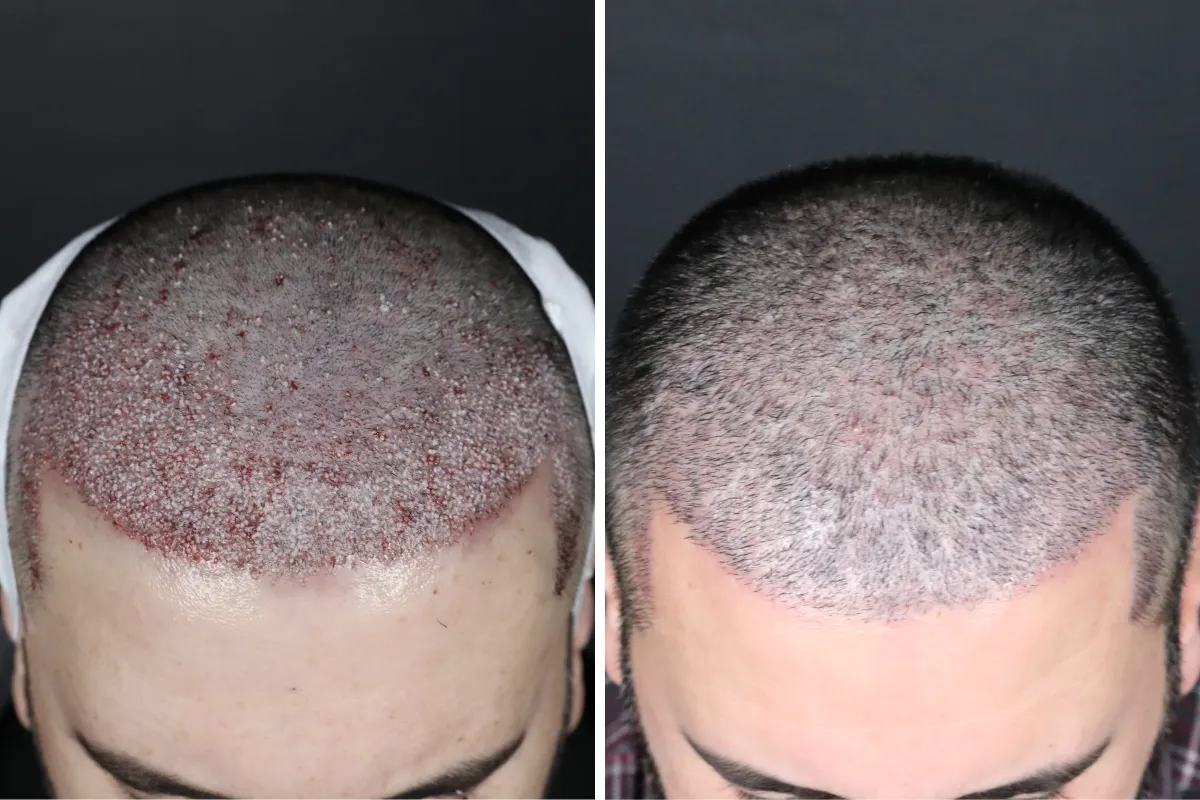
Credit: haircenterofturkey.com
Long-term Hair Care
Long-term hair care plays a vital role after a hair transplant. It helps protect new hair and supports healthy growth. Consistent care keeps the scalp healthy and promotes strong, natural-looking hair. Establishing good habits ensures lasting results and reduces damage risks.
Avoiding Harsh Treatments
Harsh treatments can weaken new hair follicles. Avoid chemical dyes, bleach, and perms for several months. Heat styling tools like straighteners and curling irons can dry out hair. Use gentle hair products with natural ingredients. Protect hair from excessive sun exposure by wearing hats or using sunscreen sprays.
Routine Scalp Care
Healthy scalp supports healthy hair growth. Clean the scalp with mild shampoos to remove dirt and oils. Massage the scalp gently to improve blood circulation. Avoid scratching or rubbing the scalp too hard. Keep the scalp moisturized to prevent dryness and itching. Use recommended oils or serums to nourish hair roots regularly.
Follow-up Appointments
Regular check-ups with your specialist help track progress. Follow-up visits allow doctors to spot any issues early. They can adjust treatments to improve hair health. Share any concerns or changes in hair condition during visits. Stick to the scheduled appointments for the best long-term care results.
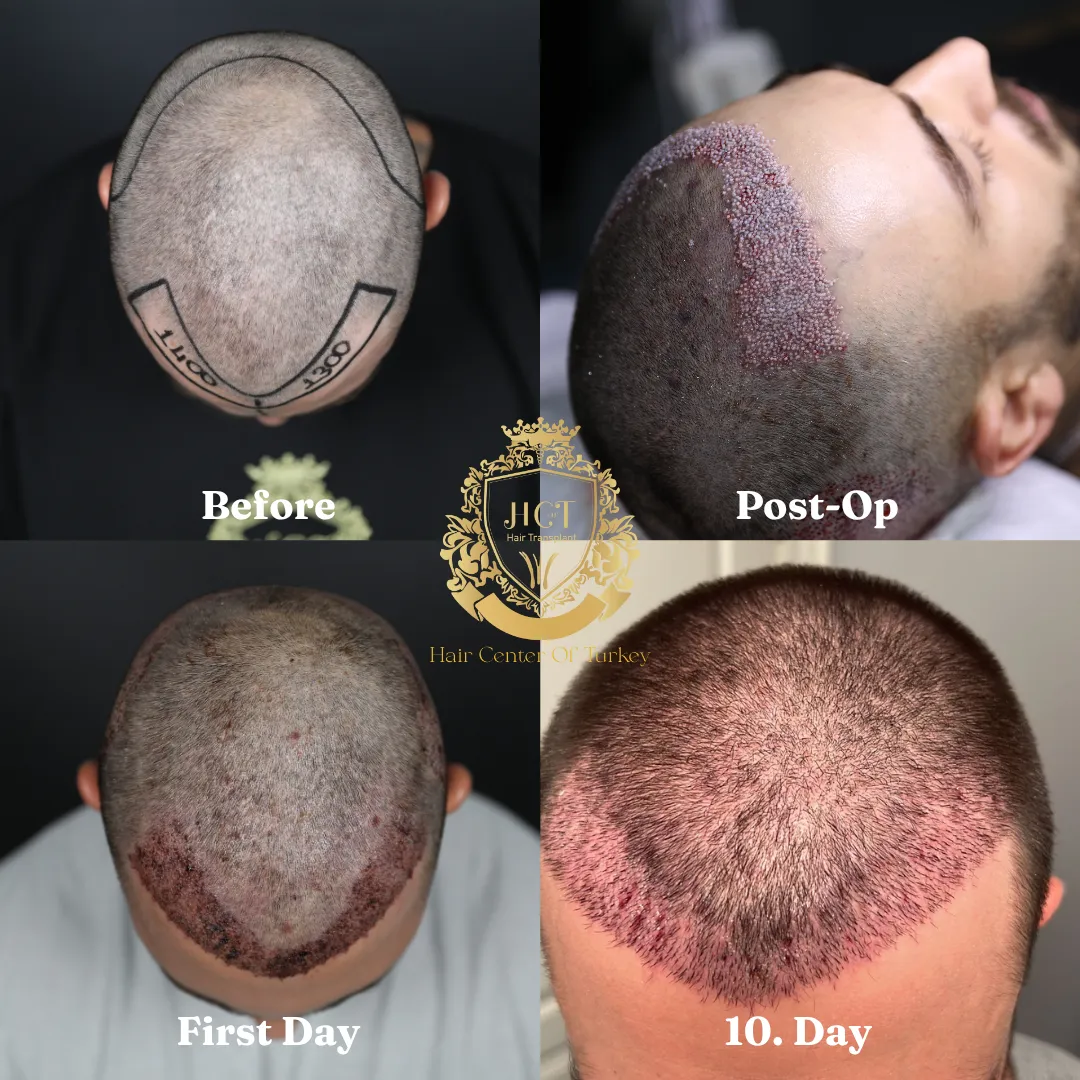
Credit: haircenterofturkey.com
Frequently Asked Questions
How Should I Care For My Scalp After A Hair Transplant?
Keep your scalp clean and avoid touching the grafts. Use mild shampoo after 48 hours. Follow your surgeon’s instructions carefully to prevent infection and promote healing.
When Can I Wash My Hair Post Hair Transplant?
You can wash your hair gently after 48 hours. Use lukewarm water and avoid direct pressure on grafts. Pat dry softly to protect new hair follicles.
What Activities Should I Avoid After A Hair Transplant?
Avoid strenuous exercise, swimming, and sun exposure for at least two weeks. These activities can cause sweating and damage grafts, slowing down the healing process.
How Long Does Redness Last After A Hair Transplant?
Redness typically lasts 7 to 10 days. It gradually fades as your scalp heals. Using recommended ointments can help reduce irritation and speed up recovery.
Conclusion
Caring for your hair after a transplant is very important. Follow the doctor’s advice carefully. Keep your scalp clean and avoid touching the new hair. Rest well and eat healthy foods. Avoid heavy exercise and direct sunlight for some time.
Patience helps; new hair grows slowly. Small steps lead to good results. Take care daily, and your hair will look better soon. Stay calm and positive during the healing process. Your effort matters for lasting success.
