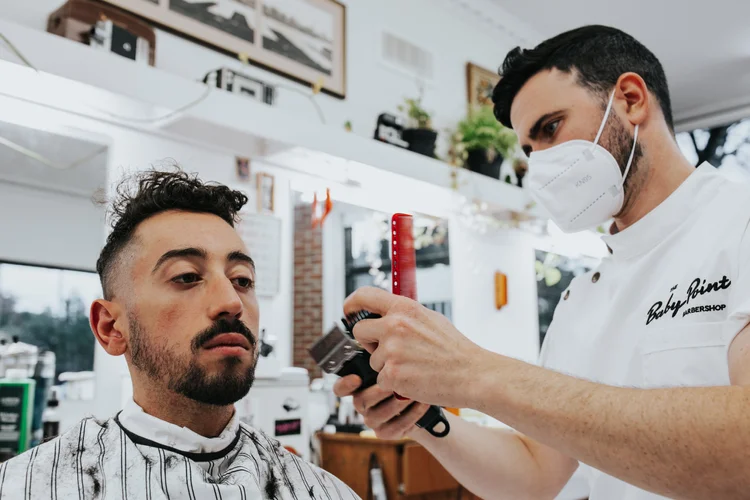
Your hair is one of the first things people notice about you. How you groom it can boost your confidence and change the way others see you.
But knowing how to take care of your hair isn’t always simple. This guide will help you understand the best tips and tricks for hair grooming that fit your style and lifestyle. Keep reading, and you’ll discover easy steps to look sharp and feel great every day.
Choosing The Right Hairstyle
Choosing the right hairstyle is key to good grooming for men. It shapes your overall look and boosts confidence. The best hairstyle suits your face, hair type, and lifestyle. It should feel comfortable and easy to maintain.
Face Shapes And Hairstyles
Different face shapes need different haircuts. Knowing your face shape helps pick the best style. Here are common face shapes and suitable hairstyles:
- Oval:Almost any hairstyle works well.
- Square:Styles with soft edges balance strong jaws.
- Round:Hairstyles adding height and angles help lengthen the face.
- Heart:Styles that add volume near the chin work best.
- Rectangle:Avoid long hair; choose styles that add width.
Trends Vs. Timeless Cuts
Trendy hairstyles change fast. They can look fresh but may not last long. Timeless cuts never go out of style. They suit most occasions and ages. Choosing between trendy and classic depends on your personality and needs.
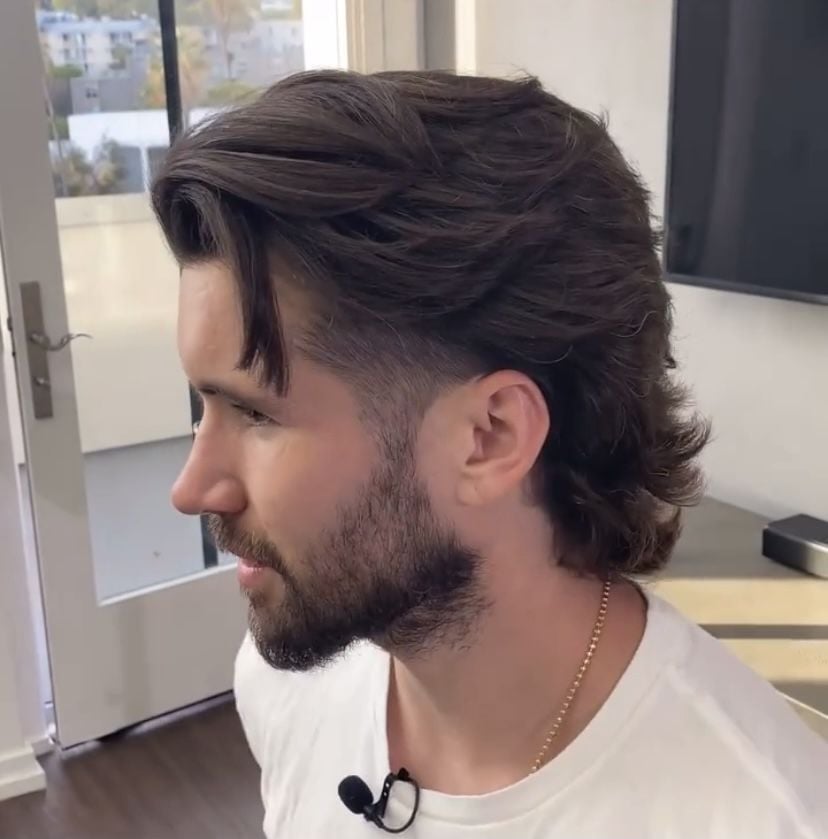
- Trendy: fades, undercuts, textured crops.
- Timeless: crew cuts, side parts, classic taper.
Considering Hair Texture
Hair texture affects how a style looks and holds. Fine hair needs cuts that add volume and shape. Thick hair benefits from thinning or layering. Curly hair requires styles that define curls and reduce bulk. Straight hair suits clean, sharp cuts.
Daily Hair Care Routine
Maintaining a daily hair care routine keeps hair healthy and looking sharp. Simple habits protect your scalp and hair strands from damage. Clean hair feels fresh and helps style better. Each step in your routine plays a key role in overall hair health.
Cleansing And Shampoo Tips
Choose a shampoo that suits your hair type. Avoid shampoos with harsh chemicals that dry out hair. Use lukewarm water to rinse your hair. Hot water can strip natural oils. Apply shampoo gently with fingertips, not nails. Rinse thoroughly to remove all shampoo residue. Avoid washing hair every day to prevent dryness.
Conditioning For Health
Conditioner adds moisture and smoothness to hair. Focus on the ends, where hair is driest. Leave conditioner on for a few minutes before rinsing. Use a lightweight conditioner if hair gets oily fast. Regular conditioning reduces breakage and split ends. It also makes hair easier to comb and style.
Proper Drying Techniques
Pat hair dry with a soft towel instead of rubbing. Rubbing causes frizz and damage to hair cuticles. Let hair air dry whenever possible to avoid heat damage. If using a hairdryer, keep it on low heat. Hold the dryer at least six inches away from hair. Use a wide-tooth comb to detangle wet hair gently.
Styling Products And Tools
Choosing the right styling products and tools can transform your daily grooming routine from ordinary to exceptional. The right products not only hold your style in place but also protect and nourish your hair. Understanding the differences between pomades, waxes, and gels, picking the best combs and brushes, and using heat tools correctly will give you control over your look without damaging your hair.
Pomades, Waxes, And Gels
Pomades offer a shiny finish and flexible hold, perfect for sleek or classic styles. They keep your hair soft and manageable without making it stiff.
Waxes provide a stronger hold with a matte finish, ideal if you want texture and definition that lasts all day. They work well for messy or spiked looks.
Gels give the strongest hold and a wet, glossy appearance. However, they can dry out your hair if overused, so use them sparingly for structured styles.
Have you noticed how your hair reacts differently to each? Experimenting helps you find what fits your lifestyle and hair type best.
Selecting The Right Comb And Brush
Your choice of comb or brush affects both styling and hair health. Wide-tooth combs are gentle and reduce breakage, especially on wet hair.
Fine-tooth combs help create sharp parts and smooth finishes but can cause damage if used roughly.
Brushes with natural bristles distribute oils evenly, adding shine and softness. Synthetic bristles are better for detangling thicker hair.
Consider what style you’re aiming for and your hair type when choosing these tools. Have you ever switched your comb or brush and seen a big difference in your hair’s texture?
Using Heat Tools Safely
Heat styling tools like blow dryers, straighteners, and curling irons can elevate your look but may cause damage if not used carefully.
Always apply a heat protectant spray to shield your hair from high temperatures. This simple step can prevent dryness and split ends.
Keep the temperature moderate—too hot can cause long-term harm, too cool might not style effectively.
Do you pay attention to the heat settings on your tools, or do you just use the highest by default? Adjusting them to your hair type can make a huge difference.
Credit: vagazine.com
Hair Maintenance And Trimming
Maintaining your hair and keeping it well-trimmed plays a crucial role in your overall grooming routine. Regular care helps prevent damage and keeps your style sharp. Whether you rely on a barber or take matters into your own hands, understanding the basics of hair maintenance and trimming can save you time and frustration.
When To Visit The Barber
Timing your barber visits can be tricky but is key to keeping your hair looking fresh. Most men find that every 4 to 6 weeks works well, depending on how fast your hair grows and the style you wear.
Pay attention to how your hair feels and looks. Is it starting to lose shape? Are the edges uneven or the length affecting your style? These are signs it’s time to book an appointment.
Visiting your barber regularly also ensures professional advice tailored to your hair type and style. Have you noticed how a clean cut can boost your confidence instantly?
Diy Trimming Tips
Trimming your hair at home can be a smart way to keep your style in check between barber visits. Start with clean, dry hair and use sharp scissors designed for hair cutting to avoid split ends.
Focus on trimming small amounts at a time. Use a comb to lift sections and trim little by little to prevent mistakes. If you’re unsure, practice on less visible areas first.
- Use mirrors to see the back and sides clearly.
- Trim in natural light to get an accurate view.
- Keep your tools clean and sharp to avoid damage.
How often have you thought about trying a quick trim yourself but hesitated? A steady hand and patience can make all the difference.
Managing Split Ends
Split ends are a common issue that can make your hair look unhealthy and frizzy. Regular trims are the most effective way to get rid of them and promote stronger hair growth.
Besides trimming, use moisturizing shampoos and conditioners to keep your hair hydrated. Avoid excessive heat styling or harsh chemicals that weaken hair strands.
If you spot split ends, don’t wait for your next barber visit. Trim them off carefully or schedule a professional trim soon. What small changes in your routine could prevent split ends from taking over?
Addressing Common Hair Issues
Hair issues can be frustrating, especially when you want to look sharp every day. Knowing how to tackle common problems like thinning, dandruff, and scalp oiliness or dryness can make a huge difference. Let’s break down practical ways to handle these challenges and keep your hair healthy.
Dealing With Thinning Hair
Thinning hair often feels like a losing battle, but small changes can slow it down. Use gentle shampoos that don’t strip your scalp of natural oils. Consider adding a scalp massage to your routine—it boosts blood flow and can encourage hair growth.
Have you tried adjusting your diet? Foods rich in biotin, zinc, and vitamins A and E support hair strength. If you notice sudden or patchy hair loss, it’s smart to see a dermatologist to rule out underlying issues.
Managing Dandruff
Dandruff can be embarrassing, but it’s often manageable with the right approach. Use shampoos containing ingredients like ketoconazole or zinc pyrithione to reduce flakes. Avoid scratching your scalp—it can worsen irritation and increase flaking.
Switching to a moisturizing shampoo can help if your scalp feels dry. Try washing your hair regularly but not excessively—too much washing can strip away natural oils, causing more dandruff. Have you noticed if stress or certain hair products trigger your flakes?
Controlling Oiliness And Dryness
Oily and dry scalps need different care, but both can make your hair look less than its best. If your scalp is oily, use a mild shampoo daily to keep oil under control without over-drying. Avoid heavy conditioners on the roots; apply them only to the ends.
For dry scalp, switch to hydrating shampoos and conditioners with ingredients like aloe vera or coconut oil. You might also find scalp treatments with tea tree oil soothing. How often do you adjust your hair care routine based on the season or your scalp’s condition?

Credit: www.amazon.ca
Healthy Hair Habits
Healthy hair habits build a strong foundation for thick and shiny hair. Simple daily choices impact hair quality. Caring for hair properly prevents breakage and loss. Focus on nutrition, chemical use, and protection from the environment. These areas keep hair healthy and looking great.
Nutrition For Strong Hair
Hair needs proper nutrients to grow thick and strong. Protein is essential as hair is made of keratin, a type of protein. Vitamins like A, C, D, and E support scalp health and hair growth. Iron and zinc prevent hair thinning and loss. Drink plenty of water to keep hair hydrated and shiny.
- Eat lean meats, fish, eggs, and nuts for protein.
- Include fresh fruits and vegetables for vitamins.
- Choose whole grains for healthy minerals.
- Drink at least 8 glasses of water daily.
Avoiding Damage From Chemicals
Chemicals can weaken hair and cause dryness. Avoid frequent use of harsh shampoos with sulfates. Limit hair dye, bleach, and straightening treatments. Use mild products designed for your hair type. Rinse hair well to remove all shampoo and conditioner residues. Regular deep conditioning helps restore moisture lost from chemicals.
Protecting Hair From Environmental Factors
Sun, wind, and pollution harm hair over time. Wear a hat or use a scarf outdoors to shield hair. Use hair products with UV protection. Avoid excessive heat from blow dryers and straighteners. Rinse hair after swimming to remove chlorine and salt. Regular trims remove split ends caused by environmental damage.

Credit: 1821manmade.com
Frequently Asked Questions
What Are The Best Hair Grooming Tips For Men?
Start with regular washing using a mild shampoo. Use conditioner to keep hair soft. Trim hair every 4-6 weeks. Avoid excessive heat styling. Use quality grooming tools for styling. Maintain a healthy diet for hair strength.
How Often Should Men Wash Their Hair?
Men should wash their hair 2-3 times a week. Over-washing can strip natural oils, causing dryness. Adjust frequency based on hair type and lifestyle. Use a gentle shampoo suitable for your scalp condition.
Which Hair Products Are Essential For Men?
Essential products include shampoo, conditioner, and a styling gel or pomade. Choose products based on hair type and desired style. Avoid heavy products that can weigh hair down. Use a heat protectant when using styling tools.
How Can Men Prevent Hair Loss Naturally?
Maintain a balanced diet rich in vitamins and minerals. Avoid excessive stress and harsh hair treatments. Massage the scalp regularly to improve blood flow. Use gentle hair care products to reduce scalp irritation.
Conclusion
Great hair grooming boosts confidence. Simple steps make a big difference. Regular trims maintain neatness. Use quality products for healthy hair. Don’t overlook scalp care. A clean scalp promotes hair health. Experiment with styles. Find what suits you. Personal grooming reflects personality.
Consistency is key. Make grooming a routine. Stay informed about trends. Try new techniques. Seek professional advice if needed. Remember, good grooming shows self-respect. It’s easy with practice. Your hair reflects who you are. Keep it clean, styled, and healthy.
Enjoy the process. Feel good about your hair every day.
