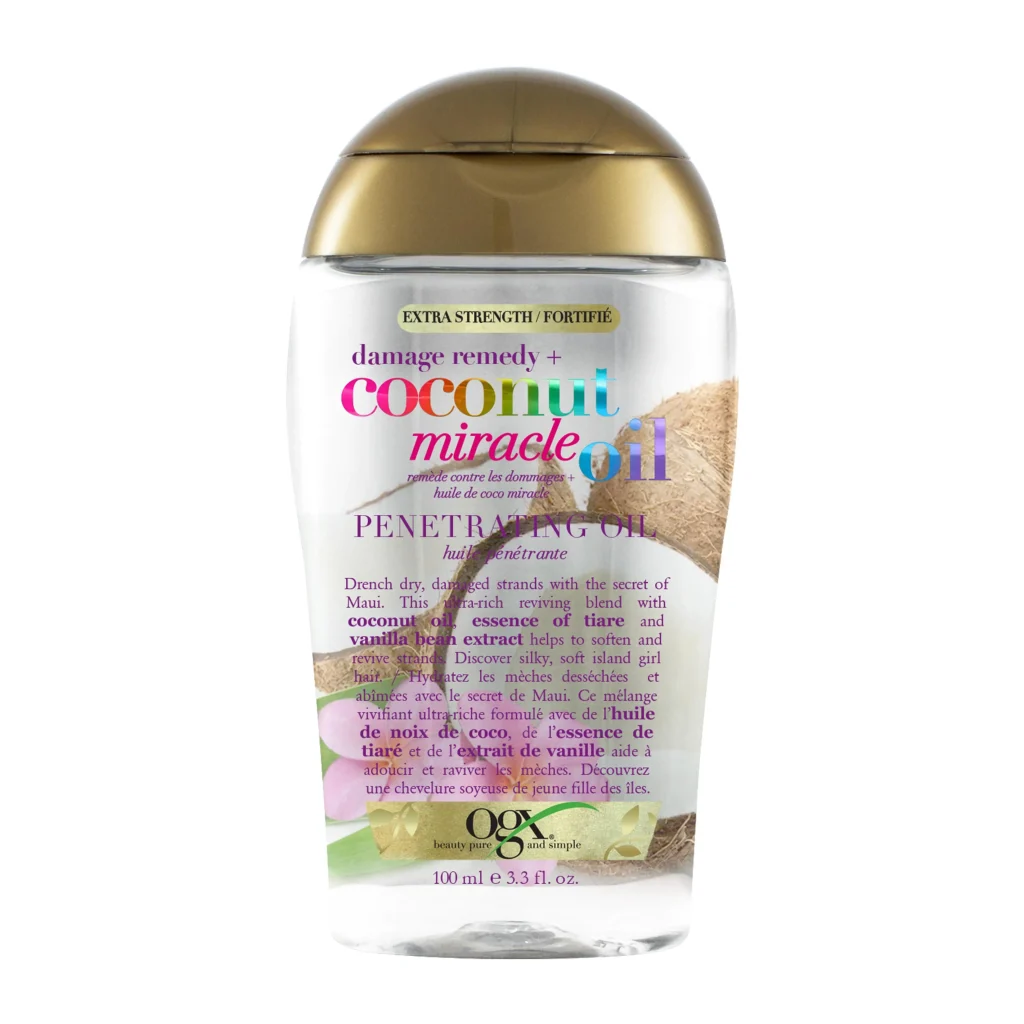
Have you ever wondered why coconut oil has become a staple in hair care routines worldwide? Imagine a simple, natural solution that promises to transform your hair from dull and lifeless to shiny and vibrant.
Coconut oil might just be the game-changer your hair needs. Packed with nourishing properties and an irresistible tropical scent, it offers a myriad of benefits that go beyond mere aesthetics. But how exactly does it work, and why should you consider adding it to your regimen?
You’ll discover the secrets behind coconut oil’s effectiveness and how it can become your go-to solution for healthier, stronger hair. Curious? Keep reading to unveil the magic of coconut oil in hair care and learn how it can help you achieve the luscious locks you’ve always dreamed of.

Credit: www.ostro-organics.com
Benefits Of Coconut Oil For Hair
Coconut oil offers many benefits for hair health. It nourishes, protects, and strengthens hair naturally. This oil contains essential nutrients that improve hair texture and shine. Using coconut oil regularly can transform dry, damaged hair into soft, smooth strands.
Nourishing Hair Follicles
Coconut oil penetrates deep into hair follicles. It supplies vital nutrients like vitamins E and K. These nutrients support healthy hair growth and reduce breakage. Massaging coconut oil into the scalp stimulates blood flow. This helps follicles receive more oxygen and nutrients.
Reducing Protein Loss
Hair is made mostly of protein called keratin. Coconut oil helps reduce protein loss from hair strands. It forms a protective barrier that prevents damage during washing and styling. Regular use keeps hair strong and prevents split ends. This reduces hair fall and improves hair strength.
Moisturizing Dry Scalp
Dry scalp causes itching and flaking. Coconut oil moisturizes the scalp deeply. It soothes irritation and reduces dandruff. The oil’s antimicrobial properties fight scalp infections. This creates a healthy environment for hair to grow.
Promoting Hair Growth
Coconut oil supports faster hair growth. It improves scalp health and nourishes follicles. The oil reduces hair damage and split ends. Healthy scalp and strong hair strands encourage new growth. Using coconut oil regularly can lead to thicker hair over time.

Credit: www.ebay.ca
Choosing The Right Coconut Oil
Choosing the right coconut oil is important for effective hair care. Different types of coconut oil offer various benefits and suit different hair needs. Selecting the proper kind ensures your hair receives the best nourishment.
Understanding the differences between coconut oils helps make a better choice for your hair routine.
Virgin Vs Refined Coconut Oil
Virgin coconut oil is made from fresh coconut meat. It has a natural scent and retains most nutrients. This type is best for deep hair conditioning and shine.
Refined coconut oil comes from dried coconut meat. It is processed to remove impurities and scent. This oil works well for sensitive scalps or light hair care.
Organic And Cold-pressed Options
Organic coconut oil is free from pesticides and chemicals. It ensures purity and safety for hair and scalp.
Cold-pressed coconut oil is extracted without heat. This process keeps more nutrients intact. It is gentle and highly effective for hair repair and moisture.
Packaging And Storage Tips
- Choose dark glass containers to protect oil from light.
- Store coconut oil in a cool, dry place away from heat.
- Avoid plastic containers to prevent chemical leaching.
- Keep the lid tightly closed to maintain freshness.
How To Apply Coconut Oil
Coconut oil is a natural and effective way to nourish your hair. Applying it correctly boosts its benefits. The key is to use the right method for your hair type and needs. Different ways of application can target dryness, damage, or scalp health.
Pre-wash Treatment
Apply coconut oil to dry hair before washing. Warm a small amount in your hands. Spread the oil evenly from roots to ends. Focus on dry or damaged areas. Leave it on for 20-30 minutes. This protects hair from shampoo stripping natural oils. Rinse well and shampoo as usual.
Leave-in Conditioner
Use a tiny amount of coconut oil on damp hair. Rub between your palms to melt it. Lightly run your fingers through the ends. Avoid applying near the scalp to prevent greasiness. This keeps hair soft and frizz-free throughout the day.
Scalp Massage Techniques
Apply coconut oil directly to the scalp. Use your fingertips to massage in small circles. Massage for 5 to 10 minutes to boost blood flow. This helps nourish hair follicles and reduce dryness. Leave the oil for at least 30 minutes or overnight for best results.
Overnight Hair Mask
Generously apply coconut oil to your hair and scalp. Cover hair with a shower cap or towel. Sleep with the oil on to deeply hydrate. Wash hair thoroughly in the morning with shampoo. This method restores moisture and repairs damage while you rest.

Credit: www.amazon.ca
Combining Coconut Oil With Other Ingredients
Combining coconut oil with other natural ingredients can enhance its benefits for your hair. These mixtures can target specific concerns like dryness, dandruff, or lack of shine. Experimenting with simple blends allows you to customize your hair care routine and see what works best for you.
Mixing With Essential Oils
Add a few drops of essential oils like lavender, rosemary, or peppermint to coconut oil for a refreshing scalp treatment. Essential oils can improve circulation and provide a pleasant scent while supporting hair growth. Just remember to do a patch test first to avoid irritation.
Have you noticed how a small change in scent can make your hair care routine more enjoyable? This mix not only smells great but also helps soothe itchy scalps and reduce dandruff.
Blending With Honey And Aloe Vera
Honey and aloe vera are natural moisturizers that blend well with coconut oil to create a nourishing hair mask. Mix equal parts of coconut oil, honey, and aloe vera gel for a hydrating treatment that smooths frizz and adds shine. Apply this to damp hair and leave it on for 20-30 minutes before rinsing.
What if your hair could feel softer and look shinier after one simple homemade mask? This combination works wonders for dry or damaged hair, giving it a healthy boost without harsh chemicals.
Using With Avocado Or Yogurt
Avocado and yogurt add protein and vitamins to coconut oil, making a powerful mix for strengthening hair. Mash half an avocado or mix two tablespoons of yogurt with coconut oil to create a creamy mask. This blend helps repair split ends and nourishes your scalp deeply.
Have you tried using food ingredients in your hair care routine? These natural kitchen staples can save you money and deliver real results, especially if your hair feels weak or brittle.
Common Mistakes To Avoid
Using coconut oil for hair care can be fantastic, but many people make mistakes that reduce its benefits or cause problems. Avoiding these common errors can help you get the most out of your coconut oil treatments without damaging your hair or scalp.
Using Too Much Oil
Applying too much coconut oil can leave your hair looking greasy and heavy. A little goes a long way—start with a small amount, like a teaspoon, and add more only if needed.
Think about how your hair feels after applying oil. Is it weighed down? That’s a sign you used too much. Lightly coating your strands instead of saturating them keeps your hair soft without excess buildup.
Applying On Oily Scalps
If your scalp is naturally oily, adding coconut oil directly to it can make the problem worse. It might clog your pores and lead to irritation or dandruff.
Focus on applying the oil mainly to the mid-lengths and ends of your hair. This approach nourishes dry areas without increasing scalp oiliness. Have you noticed more oiliness after applying coconut oil? Try skipping the scalp next time.
Skipping Proper Washing
Coconut oil is great for deep conditioning, but it needs to be washed out properly. If you don’t shampoo well, residue can build up, making your hair dull and heavy.
Use a gentle shampoo and massage your scalp thoroughly to remove all the oil. Rinse with warm water to ensure no greasy film remains. How long do you spend washing out oil? Spending an extra minute can make a big difference in your hair’s feel and appearance.
Hair Types And Coconut Oil Suitability
Coconut oil suits different hair types in unique ways. It nourishes and protects hair but affects textures differently. Understanding your hair type helps use coconut oil better. This guide explains how coconut oil works for curly, wavy, straight, fine, and thin hair.
For Curly And Wavy Hair
Curly and wavy hair often needs extra moisture and frizz control. Coconut oil penetrates deeply to hydrate curls. It helps reduce dryness and breakage. Use coconut oil as a leave-in treatment or mask. Apply sparingly to avoid weighing curls down. Coconut oil enhances shine and softness in curly hair.
For Straight Hair
Straight hair can benefit from coconut oil’s smoothing effect. It adds shine and reduces frizz by sealing the hair cuticle. Use a small amount to avoid greasy roots. Coconut oil works well as a pre-wash treatment. It protects hair from heat damage caused by styling tools.
For Fine Or Thin Hair
Fine and thin hair is delicate and prone to oil buildup. Use coconut oil very lightly or as a deep conditioning mask. Avoid applying too close to the scalp. Coconut oil strengthens strands and prevents breakage. It can improve hair texture without making it heavy.
Additional Hair Care Tips
Taking care of your hair goes beyond just applying coconut oil. Your daily habits play a huge role in how healthy and vibrant your hair looks. Let’s look at some additional tips that can make a real difference in your hair care routine.
Diet And Hydration
Your hair needs nutrients to grow strong and shiny. Eating foods rich in vitamins like A, C, D, and E, along with proteins and omega-3 fatty acids, supports hair health.
Don’t forget water! Staying hydrated helps keep your scalp moisturized and prevents dryness and breakage.
Have you noticed changes in your hair when your diet changes? Paying attention to what you eat can help you spot what works best for your hair.
Protecting Hair From Heat
Heat styling tools can damage hair, making it dry and brittle. Try to limit their use or set them to lower temperatures to reduce harm.
Before using any heat, applying a heat protectant spray can shield your hair from damage. This simple step can save your strands in the long run.
Do you often skip heat protection? Making it a habit can keep your hair smoother and less prone to split ends.
Regular Trimming And Care
Trimming your hair every 6-8 weeks helps get rid of split ends and keeps your hair looking fresh.
Regular care also includes gentle brushing and avoiding tight hairstyles that pull on your scalp.
Think about how your hair feels after a trim. Doesn’t it seem healthier and easier to manage? Keeping up with trims can save you from bigger hair problems later.
Frequently Asked Questions
What Are The Benefits Of Coconut Oil For Hair Care?
Coconut oil nourishes and strengthens hair from root to tip. It reduces protein loss, prevents breakage, and promotes healthy growth. It also moisturizes the scalp, reduces dandruff, and adds shine to hair.
How Do I Apply Coconut Oil For Best Hair Results?
Warm a small amount of coconut oil and massage it into your scalp and hair. Leave it on for at least 30 minutes or overnight. Then wash with a mild shampoo for deep nourishment and softness.
Can Coconut Oil Help With Dandruff And Scalp Dryness?
Yes, coconut oil has antifungal properties that reduce dandruff. It moisturizes dry scalp, relieves itching, and soothes irritation. Regular use helps maintain a healthy scalp environment.
Is Coconut Oil Suitable For All Hair Types?
Coconut oil works well for most hair types but is best for dry or damaged hair. Those with fine or oily hair should use it sparingly to avoid greasiness.
Conclusion
Coconut oil nourishes hair deeply and keeps it healthy. It helps reduce dryness and split ends naturally. Using it regularly can make hair soft and shiny. Apply it gently to the scalp for best results. Remember, patience is key; results come with time.
Simple care like this can improve hair strength and growth. Give your hair the gentle touch it deserves. Small changes lead to better hair health every day.
