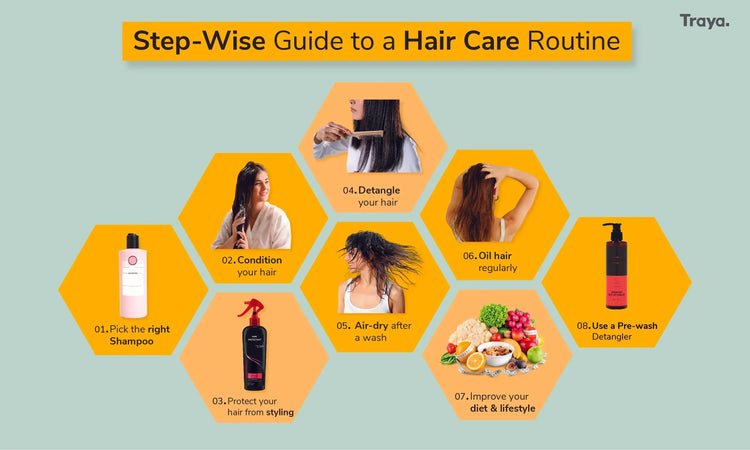
Your hair is one of the first things people notice about you. But keeping it healthy and shiny can feel like a constant challenge.
What if you could unlock simple, effective hair care tips that fit easily into your daily routine? Imagine running your fingers through soft, strong hair every day without spending hours or using expensive products. You’ll discover practical advice that can transform your hair from dull to dazzling.
Ready to give your hair the care it deserves? Let’s dive in.
Credit: britainsbeauty.com
Daily Hair Care Habits
Daily hair care habits build the foundation for healthy, strong hair. Small actions each day protect hair from damage and keep it looking fresh. Consistency is key. Gentle care prevents breakage and dryness.
Simple routines save time and improve hair texture. Focus on four main areas to maintain hair health: shampoo and conditioner choice, washing techniques, detangling, and scalp care. These habits support natural shine and softness.
Choosing The Right Shampoo And Conditioner
Select shampoo and conditioner based on hair type. Use products made for dry, oily, or normal hair. Avoid shampoos with harsh chemicals like sulfates or parabens. These can strip natural oils.
Conditioner adds moisture and smoothness. Apply it mainly to hair ends, not roots. This prevents greasiness and keeps scalp clean. Look for conditioners with natural oils or proteins for extra care.
Proper Washing Techniques
Wet hair with lukewarm water before shampooing. Hot water can dry out hair and scalp. Use a small amount of shampoo and massage gently with fingertips. Avoid using nails, which can irritate the scalp.
Rinse thoroughly to remove all shampoo. Apply conditioner after shampooing and leave it for a few minutes. Rinse conditioner well. Pat hair dry with a soft towel. Avoid rough rubbing.
Detangling Without Damage
Detangle hair when it is damp, not wet or dry. Wet hair breaks easily. Use a wide-tooth comb or a detangling brush. Start at the ends and work your way up slowly.
Do not pull or tug hard. Be patient to avoid hair breakage. Use leave-in conditioner or detangling spray for extra slip. This makes combing easier and protects hair strands.
Scalp Care Essentials
Healthy hair starts with a clean, well-moisturized scalp. Massage scalp gently during washing to improve blood flow. Avoid scratching or using harsh tools.
Use scalp treatments or oils if dryness or flaking occurs. Natural oils like coconut or jojoba help soothe and hydrate. Keep scalp clean by washing regularly but not too often. Twice or thrice a week works for most hair types.
Nutrition And Hair Health
Your hair’s health starts from within. What you eat directly impacts how your hair grows, shines, and resists damage. Nutrition provides the building blocks your hair needs to stay strong and vibrant.
Vitamins And Minerals For Strong Hair
Hair thrives on a variety of vitamins and minerals. Vitamin A helps produce sebum, which keeps your scalp moisturized. Vitamin C supports collagen production, essential for hair structure.
Iron is crucial because it carries oxygen to hair follicles. Without enough iron, hair can become weak and brittle. Zinc aids in repairing damaged hair and supports growth.
Have you ever noticed your hair shedding more when you’re stressed or tired? That’s often linked to nutrient deficiencies. Ensuring you get these key vitamins and minerals can stop unnecessary hair fall.
Hydration And Its Effects
Water makes up a large part of your hair’s composition. Without proper hydration, strands become dry and prone to breakage. Drinking enough water improves elasticity and shine.
If you feel your hair looks dull or frizzy, ask yourself: Are you drinking enough water daily? Hydrated hair is easier to style and less likely to tangle. Even small increases in water intake can show noticeable improvements.
Foods That Promote Hair Growth
Eating specific foods can boost your hair’s growth cycle. Fatty fish like salmon provide omega-3 fatty acids that nourish your scalp. Eggs deliver high-quality protein, essential for hair strength.
Leafy greens such as spinach pack iron and vitamins that fuel hair follicles. Nuts and seeds offer biotin, known to support healthy hair. Including these foods regularly can help you see thicker, healthier hair.
- Salmon and mackerel
- Eggs
- Spinach and kale
- Almonds and walnuts
- Sweet potatoes
What’s one nutrient you might be missing in your diet right now? Adding targeted foods could make a big difference to your hair health.
Styling Tips For Shiny Hair
Achieving shiny hair doesn’t just depend on the products you use—it’s also about how you style your hair every day. The way you handle heat, the tools you pick, and the habits you avoid can all make a huge difference in the shine and health of your hair. Let’s break down some practical styling tips that will help your hair reflect light beautifully and stay vibrant.
Heat Protection Strategies
Heat styling can dull your hair quickly if you don’t protect it properly. Always apply a heat protectant spray or serum before using any hot tools. These products create a barrier that minimizes damage and locks in moisture.
Try to use tools on the lowest effective heat setting. Higher temperatures may style faster but can strip your hair of natural oils, making it look dry and lifeless. Have you ever noticed how your hair feels after using a curling iron on high heat? That’s a sign you need better protection or lower heat.
Best Tools For Styling
Choosing the right tools can boost shine instantly. Ceramic and tourmaline flat irons or curling wands distribute heat evenly and reduce frizz better than metal ones. These materials also help seal the hair cuticle, which is key to a glossy finish.
Invest in a high-quality boar bristle brush. It distributes your scalp’s natural oils through your hair, adding natural shine without extra product. Plus, it’s gentle and reduces breakage compared to plastic brushes.
Avoiding Common Styling Mistakes
One common mistake is over-styling your hair. Constant heat and product buildup weigh hair down and hide its natural shine. Give your hair regular breaks from styling and wash thoroughly to remove residue.
Don’t skip trimming your ends. Split ends travel up the hair shaft, making your hair appear dull and unhealthy. Regular trims keep your hair looking fresh and shiny.
Finally, avoid brushing wet hair aggressively. Wet hair is fragile and prone to breakage. Use a wide-tooth comb gently to detangle, preserving your hair’s smooth surface and shine.

Credit: theradome.com
Natural Remedies And Treatments
Natural remedies and treatments offer a gentle yet effective way to care for your hair without relying on harsh chemicals. These options nourish your scalp and strands, promoting healthier growth and shine. Have you ever wondered if your kitchen holds the secret to your best hair days?
Diy Hair Masks
Creating your own hair masks is simple and rewarding. Ingredients like avocado, honey, and yogurt provide deep moisture and repair damage. Mixing these can transform dry, brittle hair into soft, manageable locks.
Try blending mashed avocado with a tablespoon of honey and a splash of olive oil. Apply this mask for 20 minutes, then rinse thoroughly. You might notice your hair feels smoother and looks more vibrant right away.
Oils For Nourishment
Oils have been used for centuries to keep hair healthy and strong. Coconut oil penetrates the hair shaft, reducing protein loss, while argan oil adds shine and tames frizz. Regular oil massages improve scalp circulation and help with dryness.
Consider warming a small amount of oil before applying it to your scalp and ends. Leave it on for at least an hour or overnight if possible. How often do you give your scalp this kind of focused attention?
Herbal Rinses And Their Benefits
Herbal rinses can soothe your scalp and add natural color or shine. Rosemary rinse stimulates hair growth, chamomile lightens hair gently, and nettle boosts scalp health. These rinses are easy to prepare by steeping herbs in hot water.
After shampooing, pour the cooled herbal infusion over your hair as a final rinse. This step can refresh your hair and scalp without stripping natural oils. What herbal combinations could you experiment with to suit your hair needs?
Managing Hair Issues
Managing hair issues can feel overwhelming, especially when dryness, breakage, or scalp problems keep popping up. But understanding the root cause of these challenges helps you take control and make real changes. Let’s dive into practical ways you can tackle some of the most common hair problems.
Tackling Dryness And Frizz
Dry, frizzy hair often signals that your strands lack moisture. Have you noticed your hair feeling rough or looking dull after washing? That’s a clear sign to boost hydration.
- Switch to a sulfate-free shampoo to avoid stripping natural oils.
- Use a deep conditioning mask once a week to restore moisture.
- Apply a leave-in conditioner or natural oils like argan oil to lock in hydration.
Also, try reducing heat styling. Excessive heat can worsen dryness and frizz quickly. I once cut back on blow-drying and saw my hair transform within weeks—so it’s worth trying.
Handling Hair Breakage
Breakage happens when your hair is weak or stressed. Does your hair break off when you comb or style it? That’s a signal to be gentler and strengthen your strands.
- Use a wide-tooth comb to detangle wet hair carefully.
- Trim split ends regularly to prevent further damage.
- Include protein treatments to rebuild hair strength, but don’t overdo them.
Think about your daily routine—are you tugging at your hair or using harsh hair ties? Small changes like switching to silk scrunchies can reduce breakage significantly.
Solutions For Dandruff And Itchy Scalp
An itchy scalp or flakes can be frustrating and embarrassing. But these symptoms often point to scalp imbalance or buildup.
- Try shampoos containing zinc pyrithione or ketoconazole to target dandruff.
- Massage your scalp gently to improve blood flow and remove dead skin.
- Avoid heavy hair products that can clog your scalp pores.
Have you noticed if stress or diet affects your scalp condition? Sometimes, addressing those areas helps reduce dandruff more than any shampoo. What small scalp care habit can you start today to ease irritation?
Credit: www.thewellnesscorner.com
Seasonal Hair Care
Hair changes with the seasons. Each season brings unique challenges for hair care. Adapting your routine helps keep hair healthy year-round. Seasonal hair care protects hair from damage and dryness. Understanding what your hair needs each season is key to maintaining shine and strength.
Protecting Hair In Summer
Summer sun can dry out hair and cause breakage. UV rays weaken hair strands. Saltwater and chlorine strip natural oils. Wear a hat or scarf to shield hair. Use hair products with UV protection. Rinse hair with fresh water after swimming. Deep condition regularly to restore moisture.
Winter Hair Care Tips
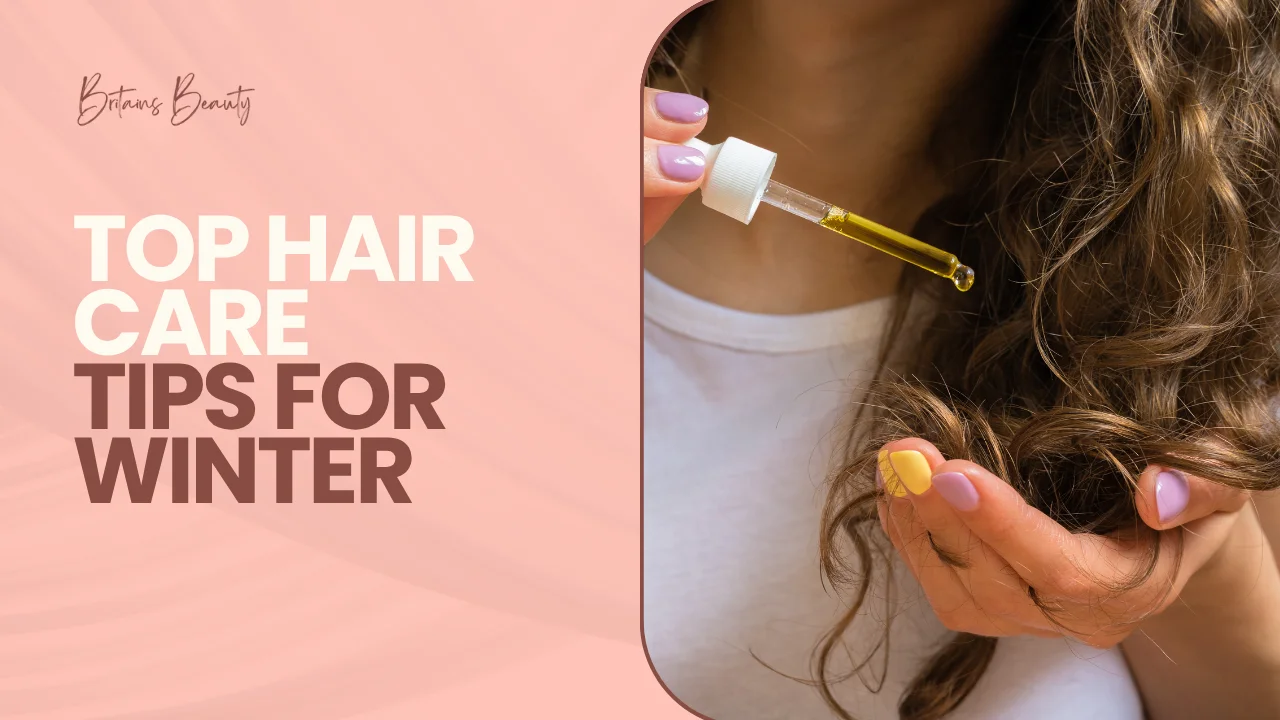
Cold air makes hair dry and brittle. Indoor heating removes moisture from hair. Avoid hot water when washing hair. Use a gentle, moisturizing shampoo and conditioner. Apply leave-in conditioner to lock in hydration. Cover hair with a hat or scarf outdoors. Massage scalp to boost circulation and hair growth.
Adjusting Routine For Humidity
High humidity causes frizz and limp hair. Use anti-frizz serums or light oils to tame hair. Avoid heavy products that weigh hair down. Wash hair less often to maintain natural oils. Opt for hairstyles that control volume and keep hair neat. Dry hair completely before going outside to reduce frizz.
Frequently Asked Questions
What Are The Best Daily Hair Care Tips?
Daily hair care includes gentle washing, using conditioner, and avoiding heat styling. Brush hair softly to prevent breakage. Protect hair from sun damage with hats or sprays.
How Often Should I Wash My Hair?
Washing frequency depends on hair type. Oily hair may need washing every day. Dry hair benefits from washing 2-3 times weekly to retain natural oils.
Which Foods Promote Healthy Hair Growth?
Foods rich in protein, vitamins A, C, D, and E, iron, and omega-3 fatty acids support hair growth. Include eggs, nuts, leafy greens, and fish in your diet.
Can Natural Oils Improve Hair Health?
Yes, natural oils like coconut, argan, and jojoba nourish and moisturize hair. They help reduce frizz, add shine, and protect from damage when used properly.
Conclusion
Healthy hair needs consistent care and attention. Follow these tips to improve hair health. Regular washing keeps the scalp clean. Avoid harsh chemicals and heat styling tools. Protect your hair from sun damage. Choose the right products for your hair type.
A balanced diet supports hair growth. Stay hydrated for better hair texture. Trim regularly to avoid split ends. Consider natural remedies for added shine. With dedication, these steps help maintain beautiful hair. Remember, patience is key. Consistent care leads to lasting results.
Stay committed, and enjoy healthier, stronger hair.
