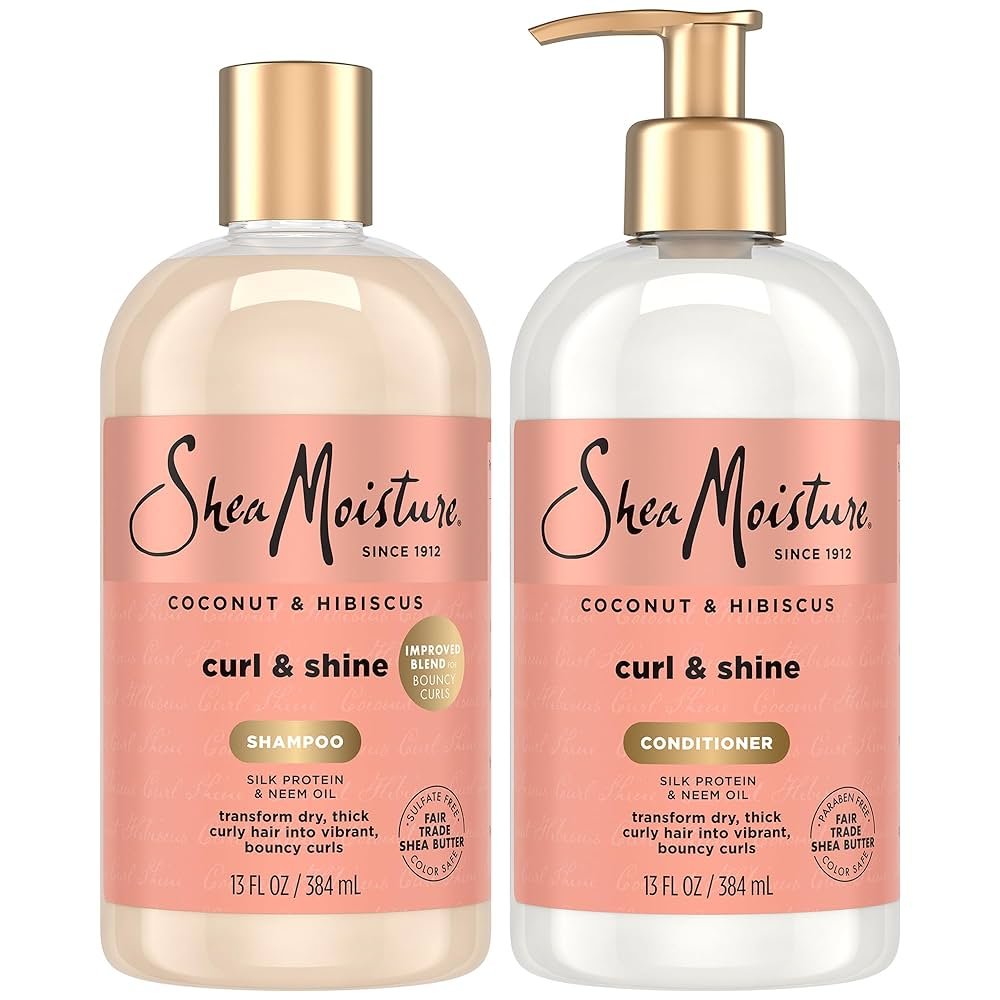
Are you tired of sifting through countless shampoo options, only to find that none of them truly meet your hair care needs? You’re not alone.
Choosing the right shampoo can feel overwhelming, especially with so many products promising miraculous results. But what if you could discover a shampoo that not only cleanses but also nourishes and strengthens your hair, giving you the luscious locks you’ve always dreamed of?
We’ll dive deep into the world of hair care shampoos, uncovering the secrets to selecting the perfect one for your unique hair type. Stick around, because by the end, you’ll be equipped with the knowledge to transform your hair care routine and elevate your hair health to new heights.
Choosing The Right Shampoo
Choosing the right shampoo can make a huge difference in the health and appearance of your hair. It’s not just about picking a pretty bottle or a nice scent. Your hair needs specific care based on its type and condition, and the ingredients in your shampoo play a key role in that.
Hair Type Considerations
Understanding your hair type is the first step. Is your hair oily, dry, curly, or straight? Each type has unique needs.
- Oily Hair:Look for shampoos that control oil without stripping too much moisture.
- Dry Hair:Choose moisturizing shampoos with nourishing oils and hydrating ingredients.
- Curly Hair:Go for gentle, sulfate-free shampoos that maintain natural curls and prevent frizz.
- Color-Treated Hair:Use shampoos designed to protect color and prevent fading.
Have you ever noticed your hair feeling heavier or more brittle after switching shampoos? That’s often a sign your hair type and shampoo aren’t a good match.
Ingredients To Look For
Good shampoos contain ingredients that support your hair’s health. Here are some to watch out for:
- Aloe Vera:Soothes the scalp and adds moisture.
- Argan Oil:Provides shine and repairs damage.
- Keratin:Strengthens hair strands and reduces breakage.
- Biotin:Supports hair growth and thickness.
- Natural Extracts:Chamomile, green tea, or rosemary can calm irritation and improve scalp health.
Have you ever felt a shampoo truly nourish your hair after just a few uses? That’s often because of these beneficial ingredients working behind the scenes.
Ingredients To Avoid
Some shampoo ingredients do more harm than good. Avoiding them can protect your hair and scalp.
- Sulfates (SLS, SLES):These harsh detergents strip natural oils, causing dryness and irritation.
- Parabens:Used as preservatives, they may disrupt hormone balance and irritate sensitive skin.
- Silicones:While they add shine, they can build up and weigh hair down over time.
- Alcohols:Some types dry out hair, especially if your hair is already brittle.
Does your scalp ever feel itchy or your hair look dull despite washing regularly? It might be time to check your shampoo’s ingredient list for these offenders.
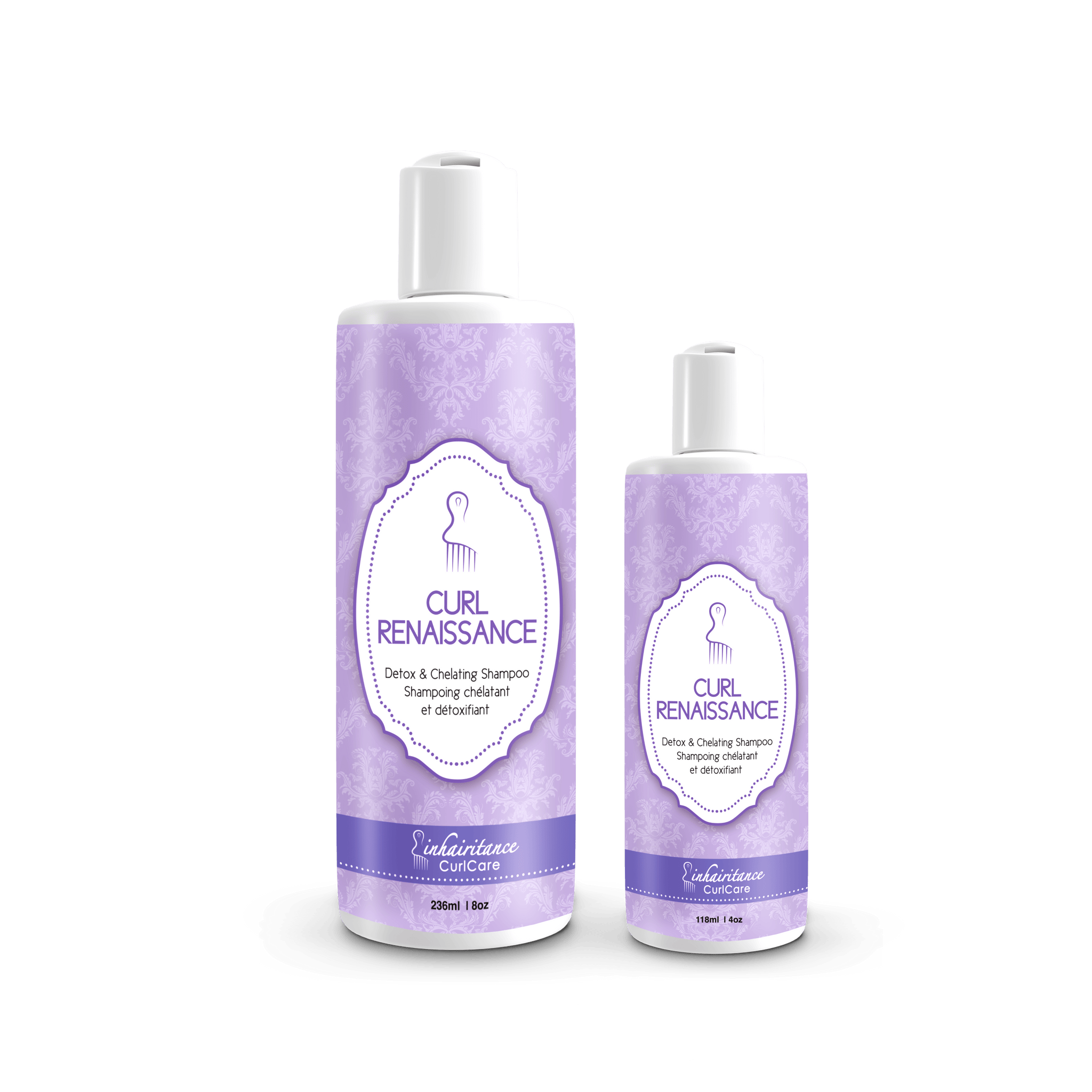
Credit: inhairitance.ca
Benefits Of Using Shampoo
Using shampoo regularly offers many benefits for your hair and scalp. It helps keep hair clean and healthy. Shampoo also improves hair’s look and feel. It supports hair growth and maintains scalp health. Here are some key benefits of using shampoo.
Cleansing And Scalp Health
Shampoo removes dirt, oil, and sweat from hair and scalp. It clears away dead skin cells that can clog pores. A clean scalp reduces itching and flaking. Proper cleansing helps prevent dandruff and other scalp problems. Healthy scalp means healthier hair roots and less hair fall.
Enhancing Hair Shine
Shampoo smooths the hair cuticle, making hair reflect light better. This adds natural shine and brightness. Clean hair looks soft and vibrant. Some shampoos contain ingredients that nourish hair strands. They help reduce frizz and dryness, improving hair texture.
Promoting Hair Growth
Shampoo improves blood circulation in the scalp. This brings more nutrients to hair follicles. Strong follicles grow healthier and thicker hair. Certain shampoos include vitamins and minerals to support growth. Regular washing keeps hair roots clean and ready to grow.
Common Shampoo Types
Choosing the right shampoo can feel overwhelming with so many options on the market. Each type targets specific hair needs, so understanding the common shampoo types helps you pick what suits your hair best. Let’s break down the main categories to make your next shampoo choice easier and more effective.
Moisturizing Shampoos
Moisturizing shampoos are designed to hydrate dry, brittle hair. They often contain ingredients like aloe vera, glycerin, and oils to add moisture without weighing your hair down.
If your hair feels rough or prone to breakage, these shampoos can restore softness and shine. Have you noticed your hair becoming dull or straw-like after frequent washing? Switching to a moisturizing formula might be the solution.
Volumizing Shampoos
Volumizing shampoos give your hair a fuller, thicker appearance. They work by adding lightweight ingredients that lift the roots and create body.
People with fine or limp hair often find these shampoos helpful for boosting confidence in their hairstyle. If your hair looks flat by midday, a volumizing shampoo can add that much-needed bounce.
Clarifying Shampoos
Clarifying shampoos remove buildup from styling products, hard water, and oils. They give your scalp a deep clean, making your hair feel fresh and light.
However, they can be drying if used too often, so limit use to once a week or as needed. Ever felt like your regular shampoo isn’t enough to clean your hair? A clarifying shampoo might reset your scalp’s health.
Color-safe Shampoos
Color-safe shampoos protect hair dye from fading and damage. They are free of harsh sulfates that strip color and often include UV filters and antioxidants.
If you want your color to last longer and keep hair healthy, these shampoos are essential. Have you struggled with vibrant hair losing its luster too quickly? Using a color-safe shampoo can make a noticeable difference.

Credit: www.walmart.ca
How To Shampoo Properly
Shampooing is more than just wetting hair and applying soap. Proper shampooing cleans the scalp and hair effectively without causing damage. It helps maintain healthy hair and scalp by removing dirt, oil, and buildup gently.
Frequency And Amount
Wash hair based on your scalp’s oiliness and lifestyle. For oily scalps, shampoo every day or every other day works. Dry or sensitive scalps need less frequent washing, about two to three times weekly.
Use a small amount of shampoo. Usually, a coin-sized drop is enough for medium-length hair. Too much shampoo can strip natural oils and cause dryness.
Technique For Application
Start by wetting hair thoroughly with warm water. Apply shampoo to your scalp, not the hair ends. Gently massage the scalp with fingertips in small circles. This stimulates blood flow and helps clean dirt and oil.
Avoid using nails or harsh scrubbing. Work the shampoo down the hair shaft lightly. This prevents tangling and breakage.
Rinsing Tips
Rinse hair well with lukewarm water. Make sure no shampoo remains on the scalp or strands. Leftover shampoo can cause irritation and buildup.
Use cool water at the end to close hair cuticles. This makes hair smoother and shinier. Always rinse gently to avoid tangles and damage.
Shampoo Myths And Facts
Many people have questions about shampoo and its effects on hair health. Some ideas about shampoo can confuse or mislead. Let’s clear up common myths and provide facts that help with better hair care choices.
Does Frequent Washing Damage Hair?
Frequent washing does not always harm hair. It depends on hair type and shampoo used. For oily hair, daily washing can keep scalp clean. Dry hair may need washing less often to avoid dryness. Use gentle shampoo to protect natural oils. Rinsing well helps prevent buildup and irritation.
Sulfate-free Shampoo Necessity
Sulfates clean hair but can be harsh for sensitive scalps. Sulfate-free shampoos are milder and less drying. Not everyone needs sulfate-free shampoo. People with curly or dry hair benefit most. Choose based on hair condition, not just trends. Read labels and test products for best results.
Clarifying Shampoo Usage
Clarifying shampoo removes buildup from hair products and minerals. Use it once every one or two weeks. Overuse can strip natural oils and cause dryness. Clarifying shampoo is not for daily use. It helps reset hair before deep conditioning. Follow with a nourishing conditioner for softness.
Diy And Natural Shampoos
Making your own shampoo at home can be a rewarding way to take control of what touches your hair. DIY and natural shampoos let you avoid harsh chemicals and customize ingredients to suit your hair type. Have you ever wondered what simple kitchen staples can clean your hair just as well as store-bought products?
Common Natural Ingredients
Natural shampoos often rely on gentle, plant-based ingredients that cleanse without stripping moisture. Here are some popular choices:
- Aloe Vera:Soothes the scalp and adds hydration.
- Coconut Oil:Nourishes and helps reduce frizz.
- Baking Soda:Acts as a mild cleanser but should be used sparingly.
- Apple Cider Vinegar:Balances scalp pH and adds shine.
- Castile Soap:A gentle, vegetable-based soap that forms the shampoo base.
- Essential Oils:Add fragrance and can target specific scalp issues, like tea tree for dandruff.
Have you tried any of these in your hair routine yet?
Homemade Shampoo Recipes
You can whip up shampoo with just a few ingredients you probably have at home. Here’s a simple recipe that worked well for me:
- 1/4 cup liquid castile soap
- 1/4 cup water
- 1 tablespoon coconut oil
- 10 drops lavender essential oil
Mix all ingredients in a bottle and shake before each use. This shampoo cleans gently and leaves a fresh scent.
Another option is a baking soda rinse: dissolve 1 tablespoon of baking soda in 1 cup of water and use it as a shampoo alternative. Follow up with an apple cider vinegar rinse for softness.
Benefits And Drawbacks
Using natural shampoos offers clear benefits like fewer chemicals and better scalp health. You might notice less irritation and softer hair over time.
However, there are challenges. Homemade shampoos usually lack preservatives, so they don’t last long. Also, some ingredients like baking soda can be too harsh if used too often.
Would you be willing to experiment with your hair care routine knowing these pros and cons? Sometimes, patience is key while your hair adjusts to a new regimen.
Maintaining Healthy Hair Beyond Shampoo
Maintaining healthy hair requires more than just shampooing. Shampoo cleans the scalp and hair but does not provide all the care hair needs. Proper hair care involves conditioning, good nutrition, and protecting hair from damage. These steps help keep hair strong, shiny, and smooth over time.
Conditioning And Treatments
Conditioners restore moisture lost during shampooing. They make hair soft and easier to manage. Use a conditioner suited for your hair type. Deep treatments and hair masks repair damage and add strength. Apply treatments once or twice a week for best results.
Diet And Hydration
Healthy hair starts from within. A balanced diet supports hair growth and strength. Include foods rich in vitamins A, C, D, and E. Protein, iron, and omega-3 fatty acids also help hair stay healthy. Drink plenty of water to keep hair hydrated and prevent dryness.
Avoiding Heat And Chemical Damage
Heat styling tools cause hair to dry and break. Limit use of flat irons, curling irons, and blow dryers. Use heat protectant sprays before styling. Chemical treatments like coloring and perming weaken hair strands. Choose gentle options and give hair time to recover between treatments.

Credit: marcanthony.com
Frequently Asked Questions
What Ingredients Should I Look For In Hair Care Shampoo?
Look for shampoos with natural oils, vitamins, and proteins. Ingredients like argan oil, biotin, and keratin nourish hair deeply. Avoid sulfates and parabens to prevent dryness and irritation. Choose formulas suited to your hair type for best results.
How Often Should I Use Hair Care Shampoo?
Use shampoo 2 to 3 times a week for most hair types. Over-washing can strip natural oils, causing dryness. Adjust frequency based on your scalp’s oiliness and lifestyle. Always follow with a conditioner to maintain moisture balance.
Can Hair Care Shampoo Help With Dandruff?
Yes, anti-dandruff shampoos contain active ingredients like zinc pyrithione or ketoconazole. These fight fungi and reduce scalp itching and flaking. Regular use can control dandruff and improve scalp health. Consult a dermatologist for persistent scalp issues.
Is It Necessary To Use Conditioner After Shampoo?
Yes, conditioner restores moisture and smooths hair after shampooing. It helps detangle hair and reduces breakage. Conditioner also protects hair from environmental damage. Use a conditioner suitable for your hair type for optimal care.
Conclusion
Choosing the right shampoo helps keep hair clean and healthy. It protects hair from damage and adds shine. Regular washing with a good shampoo supports scalp care. Simple steps lead to stronger, softer hair over time. Remember, gentle products work best for daily use.
Healthy hair starts with what you put on it. Make your hair care routine easy and effective. Keep your hair fresh, smooth, and manageable every day.
