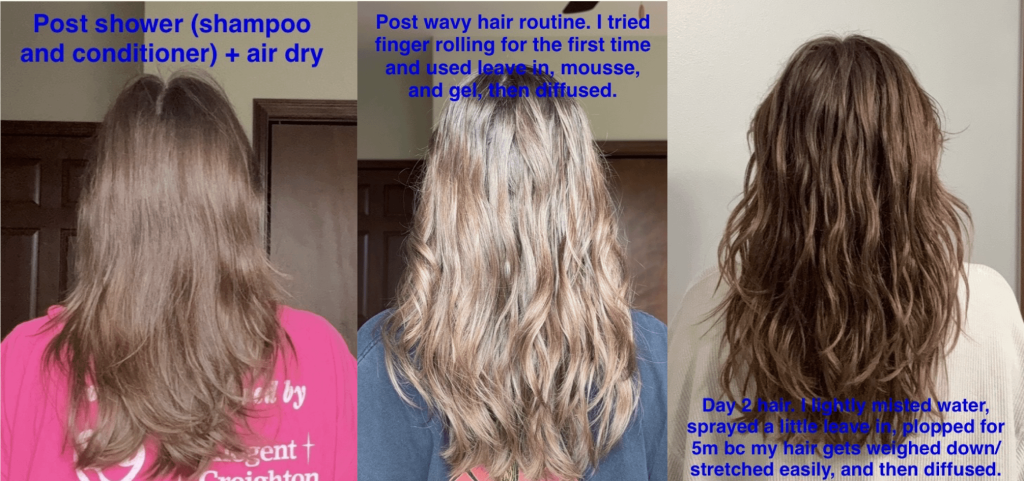
Are you tired of battling frizz and unruly waves every morning? If managing your wavy hair feels like a daily struggle, you’re not alone.
Finding the right hair care routine can feel like a never-ending quest, but imagine waking up to beautifully defined, soft waves that turn heads everywhere you go. Sounds dreamy, right? Well, it’s time to turn that dream into reality. In this guide, you’ll discover simple yet effective steps tailored just for your wavy locks.
Whether you’re seeking to enhance your natural texture or reduce unwanted frizz, this routine will transform your hair game. Ready to unlock the secrets to stunning waves every day? Keep reading to find out how.

Credit: m.youtube.com
Choosing The Right Shampoo And Conditioner
Choosing the right shampoo and conditioner is key to keeping your wavy hair healthy and vibrant. The products you select can either enhance your natural waves or weigh them down. Understanding what ingredients work best for your hair texture helps you maintain bounce and shine without frustration.
Sulfate-free Options
Sulfates strip oils from your scalp and hair, which can leave waves dry and frizzy. Opting for sulfate-free shampoos keeps your natural moisture intact. You might notice your waves feel softer and more defined after switching to these gentler formulas.
Look for products labeled as “sulfate-free” and check the ingredient list for sodium lauryl sulfate or sodium laureth sulfate. These ingredients can be harsh, especially if your scalp is sensitive or your hair is color-treated. Have you tried going sulfate-free and seen a difference in your wave pattern?
Moisturizing Formulas
Wavy hair often needs extra moisture to prevent dryness and breakage. Shampoos and conditioners with hydrating ingredients like aloe vera, coconut oil, or shea butter can nourish your strands deeply. These ingredients help your waves stay soft and elastic.
Choose products that specifically mention hydration or moisture on the label. Applying conditioner mainly to your mid-lengths and ends prevents your roots from getting greasy while still giving waves the moisture they need. What moisturizing ingredients have worked best for your hair?
Products For Frizz Control
Frizz can be a constant battle with wavy hair, especially in humid weather. Shampoos and conditioners designed for frizz control often contain smoothing agents like argan oil or silk proteins. These ingredients seal the hair cuticle and reduce flyaways.
Try products that promise anti-frizz benefits to see if your waves stay calmer throughout the day. Pairing these with a leave-in serum can boost the effect. How do you currently tackle frizz, and have you found certain ingredients more effective?
Washing Techniques For Wavy Hair
Washing wavy hair needs care to keep its natural texture and shine. Using the right techniques helps avoid dryness and frizz. Proper washing protects the waves and supports hair health.
Optimal Washing Frequency
Wavy hair does not need daily washing. Washing every 2 to 3 days keeps natural oils balanced. Too much washing removes oils, causing dryness. Less frequent washing helps maintain moisture and wave pattern.
Water Temperature Tips
Use lukewarm water for washing. Hot water can dry out hair and scalp. Cold water helps close hair cuticles, adding shine. Lukewarm water cleans well without stripping moisture.
Gentle Scalp Massage
Massage the scalp softly with fingertips during shampooing. This improves blood flow and loosens dirt. Avoid scratching or using nails to prevent irritation. A gentle massage supports healthy hair growth.
Detangling Without Damage
Detangling wavy hair without causing damage can feel like a tricky balance. You want to smooth out knots and tangles but avoid pulling or breaking your strands. The right approach can keep your waves healthy, bouncy, and frizz-free.
Best Tools For Wavy Hair
Choosing the right tools makes a huge difference. Wide-tooth combs are gentle and help separate strands without tugging. Avoid fine-tooth combs or brushes with stiff bristles, as they can cause breakage.
Some people swear by finger detangling because it gives you more control. You can feel where the knots are and gently work them out. Have you tried a detangling spray? It can soften your hair and make combing easier.
Detangling While Wet Vs Dry
Many find detangling wet hair easier because it’s softer and more pliable. However, wet hair is also more fragile, so you need to be extra gentle. Use conditioner or a leave-in treatment to add slip and reduce friction.
Detangling dry hair can prevent breakage if you’re careful. Use your fingers or a wide-tooth comb and start at the ends, slowly working your way up. Which method feels better for your waves—wet or dry detangling?
Avoiding Breakage
Breakage often happens when hair is pulled too hard or combed too quickly. Take your time and work through tangles patiently. Hold sections of hair close to the roots to reduce stress on the scalp and strands.
Try not to detangle right after washing if your hair is soaking wet. Gently towel-dry or air-dry a bit first. Using products with moisturizing ingredients can also strengthen your hair and protect it from damage.
Credit: www.vilvahstore.com
Drying Methods That Enhance Waves
Drying wavy hair properly can make waves look lively and defined. Choosing the right drying method helps keep waves soft and frizz-free. It also reduces damage and maintains natural shine. Below are effective ways to dry wavy hair that enhance its beauty.
Air Drying Benefits
Air drying is gentle on wavy hair. It avoids heat stress and keeps hair healthy. This method preserves natural wave patterns well. Hair dries slowly, reducing frizz and flyaways. Air drying also keeps moisture inside the strands. It is the best way to maintain soft, bouncy waves.
Diffuser Use
A diffuser spreads air evenly during blow drying. It helps dry waves without breaking their shape. Using low heat with a diffuser prevents damage. This tool adds volume and lifts roots gently. It also reduces drying time compared to air drying. Diffusers make waves look fuller and more defined.
Avoiding Heat Damage
Heat can harm wavy hair’s texture and health. Use heat protectant sprays before any heat styling. Keep blow dryer settings on low or medium heat. Limit the use of straighteners and curling irons. Overheating causes dryness, breakage, and dullness. Protect hair by drying gently and using heat tools sparingly.
Styling Products For Defined Waves
Choosing the right styling products helps keep wavy hair looking fresh and defined. The right products enhance natural waves without weighing hair down. They provide hold, shine, and texture for a soft, bouncy look. Understanding different product types allows for better wave control and styling options.
Lightweight Mousses And Gels
Lightweight mousses add volume and gentle hold to waves. They keep hair soft and prevent crunchiness. Gels give stronger hold and help define curls without stiffness. Both work well on damp hair before air drying or diffusing. Use a small amount to avoid heaviness.
Leave-in Conditioners
Leave-in conditioners hydrate wavy hair throughout the day. They reduce frizz and add softness without buildup. These products keep waves smooth and manageable. Apply evenly on damp hair for best results. Choose formulas made for wavy or curly hair types.
Sea Salt Sprays
Sea salt sprays create natural texture and enhance beachy waves. They add volume and a matte finish. Use on damp or dry hair for a tousled look. Avoid overuse to prevent dryness. Spray lightly and scrunch hair for effortless waves.

Credit: www.youtube.com
Nighttime Care For Waves
Taking care of your wavy hair at night is just as important as your daytime routine. Nighttime care helps preserve your waves’ natural texture and prevents frizz, breakage, and dryness. Small adjustments before bedtime can make a big difference in how your waves look and feel the next day.
Protective Hairstyles
Try loose braids or a gentle twist to keep your waves intact overnight. These styles reduce friction and tangling without flattening your natural wave pattern. Avoid tight ponytails or buns that can cause breakage or create unwanted dents in your hair.
Have you noticed how your waves tend to lose shape by morning? Protective hairstyles can help maintain bounce and definition, so you wake up with hair that’s ready to style.
Silk And Satin Pillowcases
Switching to silk or satin pillowcases can dramatically improve your hair’s health. These smooth fabrics reduce friction, preventing frizz and split ends while keeping moisture locked in. Cotton pillowcases, on the other hand, can cause dryness and disrupt your wave pattern.
Think about the last time your hair felt rough or tangled in the morning—your pillowcase might be the culprit. Investing in silk or satin is a simple change that protects your waves effortlessly as you sleep.
Nighttime Moisturizing
Before bed, apply a lightweight leave-in conditioner or natural oil to your damp or dry hair. Focus on the mid-lengths and ends where waves tend to be driest and most prone to damage. This step keeps your waves hydrated and soft, reducing morning frizz and making styling easier.
Are you skipping nighttime moisturizing because you think it’s time-consuming? Even a quick application can keep your waves nourished and ready for the day ahead.
Weekly Deep Conditioning And Treatments
Weekly deep conditioning and treatments restore moisture and strength to wavy hair. These sessions repair damage from styling and environmental stress. They also improve hair texture and shine. Making time for these treatments keeps waves soft and manageable.
Hydrating Masks
Hydrating masks bring essential moisture to dry waves. Use a rich, creamy mask and apply it from roots to ends. Leave it on for 15 to 30 minutes. This helps soften hair and reduce frizz. Choose masks with ingredients like aloe vera, shea butter, or coconut oil.
Protein Treatments
Protein treatments strengthen hair strands and prevent breakage. They rebuild weak areas caused by heat or chemical damage. Use protein treatments once every two weeks or as needed. Avoid overuse to prevent hair stiffness. Look for treatments with keratin, collagen, or silk proteins.
Scalp Care
A healthy scalp supports strong, shiny waves. Gently massage scalp with oils like jojoba or tea tree. This improves blood flow and removes buildup. Use scalp scrubs or exfoliators once a week to clear dead skin. Keeping the scalp clean helps hair grow healthier.
Avoiding Common Mistakes
A good hair care routine for wavy hair avoids common mistakes that harm your waves. Many people unknowingly damage their hair by overwashing or using the wrong products. Small changes can protect your natural texture and keep your hair healthy. Understanding what to avoid helps maintain soft, defined waves every day.
Overwashing
Washing wavy hair too often strips natural oils. These oils keep hair moisturized and shiny. Overwashing causes dryness and frizz. Limit shampoo to two or three times a week. Use gentle cleansers that do not remove too much oil. This keeps waves soft and hydrated.
Using Heavy Products
Heavy creams and oils weigh down wavy hair. This makes waves lose bounce and volume. Choose lightweight gels or mousses instead. They define waves without making hair greasy. Apply products sparingly, focusing on mid-lengths and ends. This prevents buildup and keeps hair lively.
Heat Styling Overuse
Frequent heat styling damages wavy hair’s natural pattern. High heat breaks hair strands and causes frizz. Use heat tools only on low settings. Always apply a heat protectant spray before styling. Try air drying or diffusing to keep waves intact. Your hair stays healthier and looks natural longer.
Frequently Asked Questions
How Often Should I Wash Wavy Hair?
Wavy hair benefits from washing every 2-3 days. This frequency maintains natural oils and prevents dryness. Over-washing can cause frizz and damage. Use a gentle shampoo suited for wavy hair to keep waves defined and healthy.
What Products Work Best For Wavy Hair Care?
Lightweight, sulfate-free shampoos and conditioners work best. Use curl-enhancing creams or mousses to define waves. Avoid heavy oils that weigh hair down. Look for products with moisturizing ingredients like aloe vera or coconut oil for hydration.
How Can I Reduce Frizz In Wavy Hair?
Use a wide-tooth comb to detangle hair gently. Apply anti-frizz serums or leave-in conditioners. Avoid heat styling tools that cause damage. Air-dry hair or use a diffuser on low heat. Regular deep conditioning helps maintain smooth, frizz-free waves.
Is It Necessary To Use A Diffuser For Wavy Hair?
A diffuser enhances natural wave patterns and reduces frizz. It distributes heat evenly, preventing hot spots and damage. Using a diffuser on low heat preserves wave shape. It’s a gentle drying method ideal for wavy hair types.
Conclusion
Caring for wavy hair takes patience and the right steps. Use gentle shampoo and conditioner made for waves. Avoid heavy products that weigh hair down. Regularly detangle with fingers or a wide comb. Let hair air dry to keep natural texture.
Protect hair from heat and harsh weather. Healthy hair looks shiny and feels soft. Stick to a simple routine and watch waves thrive. Your wavy hair deserves daily love and care. Small changes can make a big difference. Enjoy your beautiful, natural waves every day.
