
Are you tired of guessing what your hair really needs? What if a simple quiz could reveal the perfect care routine tailored just for you?
Your hair is unique, and understanding it can transform your daily routine from frustrating to fabulous. This Hair Care Quiz is designed to help you discover the secrets to healthier, shinier, and stronger hair. Keep reading, and you’ll unlock personalized tips that make every day a great hair day.
Ready to find out what your hair is craving? Let’s get started!
Hair Type Basics
Understanding your hair type is the first step toward effective hair care. Knowing the basics about your hair texture, porosity, and scalp condition helps you choose the right products and routines. This knowledge saves you time and frustration by targeting what your hair truly needs.
Identifying Your Hair Texture
Hair texture is about the shape and size of your hair strands. You might have straight, wavy, curly, or coily hair. Each texture reacts differently to products and styling methods.
Try this simple test: take a small strand and feel it. Is it fine and silky, medium and smooth, or coarse and thick? Fine hair can get weighed down easily, while coarse hair often holds styles longer but may need more moisture.
Understanding Hair Porosity
Hair porosity tells you how well your hair absorbs and retains moisture. Low porosity hair resists water and product absorption, while high porosity hair absorbs quickly but loses moisture fast.
To check your porosity, drop a strand in water. If it floats, your hair has low porosity. If it sinks quickly, your hair has high porosity. Medium porosity hair will float briefly before sinking.
Knowing this helps you pick the right moisturizers and treatments. For example, lightweight oils work better for low porosity hair, while heavier creams suit high porosity strands.
Recognizing Scalp Conditions
Your scalp health greatly affects your hair’s appearance and growth. Common scalp conditions include dryness, oiliness, dandruff, and sensitivity.
Ask yourself: Does your scalp feel itchy or tight? Is there flaking or excessive oil? These signs tell you what kind of shampoo or treatment your scalp needs.
For instance, if your scalp is oily, using a gentle clarifying shampoo can prevent buildup. If it’s dry, a moisturizing shampoo or scalp oil might be the answer.
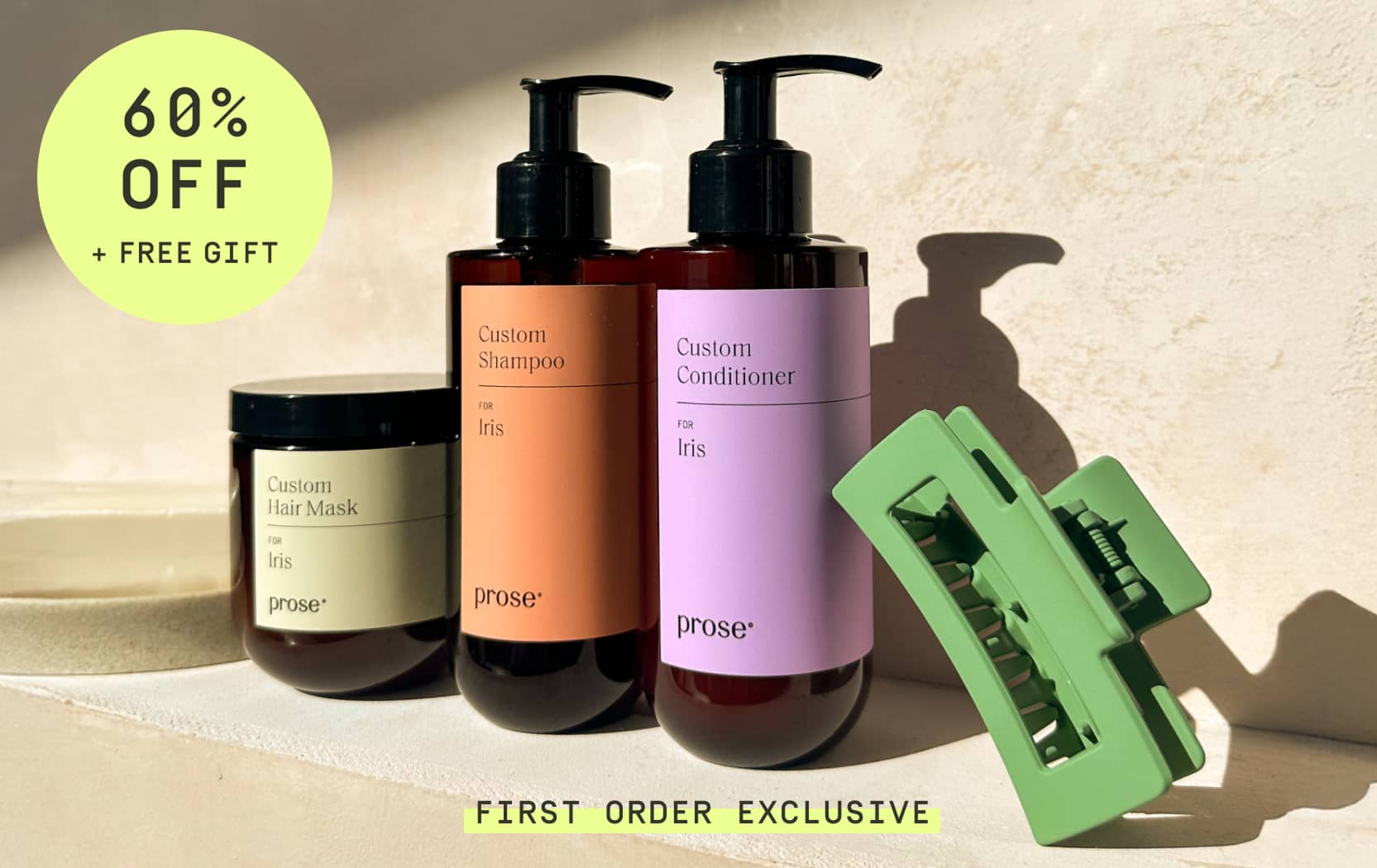
Credit: prose.com
Common Hair Concerns
Hair issues affect many people. Knowing common hair concerns helps you find the right care. Different hair types face unique challenges. Understanding these problems guides better hair routines and product choices.
Dealing With Dryness
Dry hair feels rough and looks dull. It breaks easily and lacks shine. Causes include cold weather, harsh shampoos, and heat styling. Use moisturizing shampoos and conditioners. Oils like coconut or argan help lock in moisture. Avoid washing hair too often to keep natural oils.
Managing Oiliness
Oily hair looks greasy and flat. Overactive scalp glands produce excess oil. Washing hair daily with gentle shampoo controls oil. Avoid heavy conditioners near the scalp. Use dry shampoo to absorb extra oil between washes. Keep hands off hair to reduce oil transfer.
Tackling Hair Loss
Hair loss causes worry for many. Stress, diet, and genetics play a role. Gentle hair care reduces breakage. Avoid tight hairstyles and harsh treatments. A balanced diet supports healthy hair growth. Consult a dermatologist for persistent or severe loss.
Handling Frizz And Damage
Frizzy hair looks uncontrolled and rough. Damage comes from heat, chemicals, and weather. Use heat protectants before styling. Deep conditioning treatments restore moisture and smoothness. Avoid over-brushing and harsh towels. Sleep on silk pillowcases to reduce friction.
Choosing The Right Products
Choosing the right hair care products can feel overwhelming with so many options on the market. But the key is understanding your hair type and what it truly needs. When you match products to your hair’s unique characteristics, you’ll notice better results and less frustration.
Shampoos And Conditioners
Picking the right shampoo and conditioner is essential for maintaining healthy hair. If your hair feels dry or brittle, look for moisturizing formulas with ingredients like argan oil or shea butter. On the other hand, if your scalp gets oily quickly, a lightweight, balancing shampoo can help control excess oil without stripping moisture.
Consider sulfate-free shampoos if your scalp is sensitive or if you have color-treated hair. They clean gently without causing irritation or fading color. Don’t overlook conditioners—they should complement your shampoo by adding softness and detangling power.
Styling Products
Styling products can either enhance your look or weigh your hair down. Ask yourself what style you want to achieve before choosing between gels, mousses, or creams. For example, a lightweight mousse adds volume without stiffness, while a serum tames frizz and adds shine.
Always check the ingredient list for alcohols, which can dry out your hair. You might find that a simple leave-in conditioner works better than heavy sprays or gels. What styling product have you tried that didn’t work as expected, and why do you think that happened?
Treatments And Masks
Treatments and masks offer deep nourishment and repair. If your hair feels damaged from heat or coloring, a weekly protein mask can strengthen strands. For extra hydration, opt for masks with natural oils like coconut or jojoba.
Don’t use these products too often; overdoing it can cause buildup and weigh your hair down. Try to observe how your hair responds after each treatment and adjust frequency accordingly. Have you noticed a difference when you switched to a targeted hair mask?
Daily Hair Care Tips
Daily hair care makes a big difference in hair health and look. Small changes in habits can keep hair strong and shiny. Knowing the right steps helps avoid damage and dryness. Here are easy tips to follow every day for better hair.
Washing Frequency
Washing hair too often can dry it out. Washing too little can cause buildup and oiliness. Find a balance based on hair type and lifestyle.
- Oily hair may need washing every day or every other day.
- Dry hair benefits from washing only two to three times a week.
- Use gentle shampoos to protect natural oils.
Brushing Techniques
Brushing spreads natural oils and removes dirt. Use a wide-tooth comb or soft brush to avoid breakage. Start brushing from the ends and work up slowly.
- Brush hair gently to prevent pulling.
- Avoid brushing wet hair since it is fragile then.
- Brush regularly to keep hair smooth and tangle-free.
Protecting Hair From Heat
Heat styling tools can cause damage if not used carefully. Always use a heat protectant spray before styling. Keep heat settings low to medium to reduce harm.
- Limit use of flat irons, curling irons, and blow dryers.
- Try air drying hair when possible.
- Give hair breaks from heat styling to recover.
Lifestyle Factors
Lifestyle factors play a significant role in the health of your hair. How you eat, manage stress, and sleep can all impact your hair’s strength and growth. Understanding these elements can help you make better choices for your hair care routine.
Nutrition And Hair Health
Your hair needs specific nutrients to stay strong and grow. Proteins, vitamins like A, C, D, and E, and minerals such as iron and zinc are essential. If your diet lacks these, your hair might become dry, brittle, or thin.
Adding foods rich in these nutrients can improve your hair’s condition. Think about including eggs, nuts, leafy greens, and fish in your meals. Have you noticed a change in your hair after adjusting your diet?
Impact Of Stress
Stress doesn’t just affect your mind; it can affect your hair too. High stress levels may lead to hair shedding or slow down new hair growth. This happens because stress can disrupt your hair’s natural growth cycle.
Finding ways to relax, like meditation or light exercise, can help reduce stress. Have you ever felt your hair thinning during a stressful period? That’s your body telling you it needs attention.
Sleep And Hair Growth
Good sleep is more important for your hair than you might think. During deep sleep, your body repairs cells and stimulates hair growth. Poor sleep can lead to dull and weak hair over time.
Try to get 7-9 hours of quality sleep each night. Notice how your hair responds when you prioritize rest? It often looks shinier and feels healthier.

Credit: www.youtube.com
Customizing Your Routine
Customizing your hair care routine is essential to keep your hair healthy and vibrant. No single routine fits everyone, as your hair changes with the seasons, your goals, and even your age. Understanding these factors allows you to make smart adjustments and see real results.
Adjusting For Seasonal Changes
Your hair reacts differently to summer heat, winter dryness, and spring humidity. In winter, adding a deep conditioner or oil treatment helps combat dryness caused by indoor heating. Summer calls for lightweight products that protect against sun damage and prevent frizz.
Have you noticed your scalp getting oilier or drier depending on the season? This can guide you to switch shampoos or change how often you wash your hair. Paying attention to these subtle shifts keeps your hair balanced all year round.
Incorporating Hair Goals
Are you aiming for more volume, shine, or length? Your routine should reflect these goals with targeted products and treatments. For example, if you want to boost shine, adding a serum or glossing spray might make a noticeable difference.
Setting clear goals helps avoid wasting time on products that don’t serve your needs. Think about what your hair lacks right now and choose ingredients that address those issues. This focused approach turns your routine into a powerful tool.
Routine For Different Ages
Your hair changes as you age, so your routine must evolve too. Younger hair often tolerates frequent washing and styling, but mature hair benefits from gentler care and hydration. Adding scalp massages or treatments for thinning hair can support health at any age.
Are you paying attention to how your hair behaves differently today compared to five years ago? Adjusting your routine with age means respecting those changes instead of fighting them. This mindset helps you maintain your hair’s best condition through every stage of life.

Credit: goldielocks.com
Frequently Asked Questions
What Is The Best Way To Determine My Hair Type?
To determine your hair type, observe its texture, porosity, and curl pattern. Use a hair care quiz to get personalized tips for your hair care routine. Knowing your hair type helps choose the right products and treatments for healthier hair.
How Often Should I Wash My Hair For Best Results?
Washing frequency depends on your hair type and scalp condition. Generally, oily hair needs washing every 1-2 days, while dry hair benefits from washing every 3-4 days. A hair care quiz can help personalize your washing schedule for optimal hair health.
Can A Hair Care Quiz Improve My Hair Health?
Yes, a hair care quiz identifies your hair needs and suggests suitable products. It helps avoid damage by recommending the right shampoo, conditioner, and treatments. Personalized advice ensures better hair care and overall hair health improvement.
What Ingredients Should I Avoid In Hair Care Products?
Avoid sulfates, parabens, and alcohol in hair care products as they can dry and damage hair. Choose products with natural oils and gentle cleansers. A hair care quiz can guide you in selecting safe and effective ingredients for your hair type.
Conclusion
Taking the hair care quiz boosts your knowledge. It’s fun and simple. You now know more about your hair type. And what it needs. Use this knowledge daily. It helps in choosing the right products. Keeps hair healthy and shiny.
Share these insights with friends. Encourage them to take the quiz too. Everyone deserves great hair days. Enjoy the benefits of informed hair care choices. Stay curious and keep learning. Your hair will thank you.
