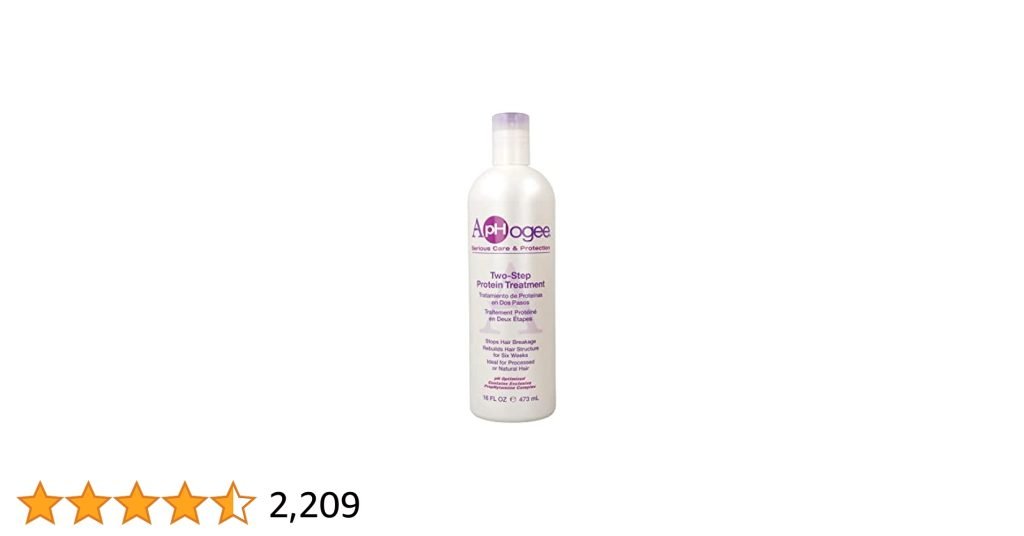
Are you tired of dull, dry hair that just won’t bounce back? Your hair needs more than just shampoo and conditioner—it needs a protein boost to stay strong and healthy.
A Hair Care Protein Treatment can be the game-changer your hair has been craving. Imagine turning lifeless strands into shiny, resilient locks that feel soft to the touch. You’ll discover how protein treatments work, why they are essential for your hair’s health, and simple ways to bring your hair back to life.
Ready to unlock the secret to stronger, smoother hair? Keep reading—you won’t want to miss this.
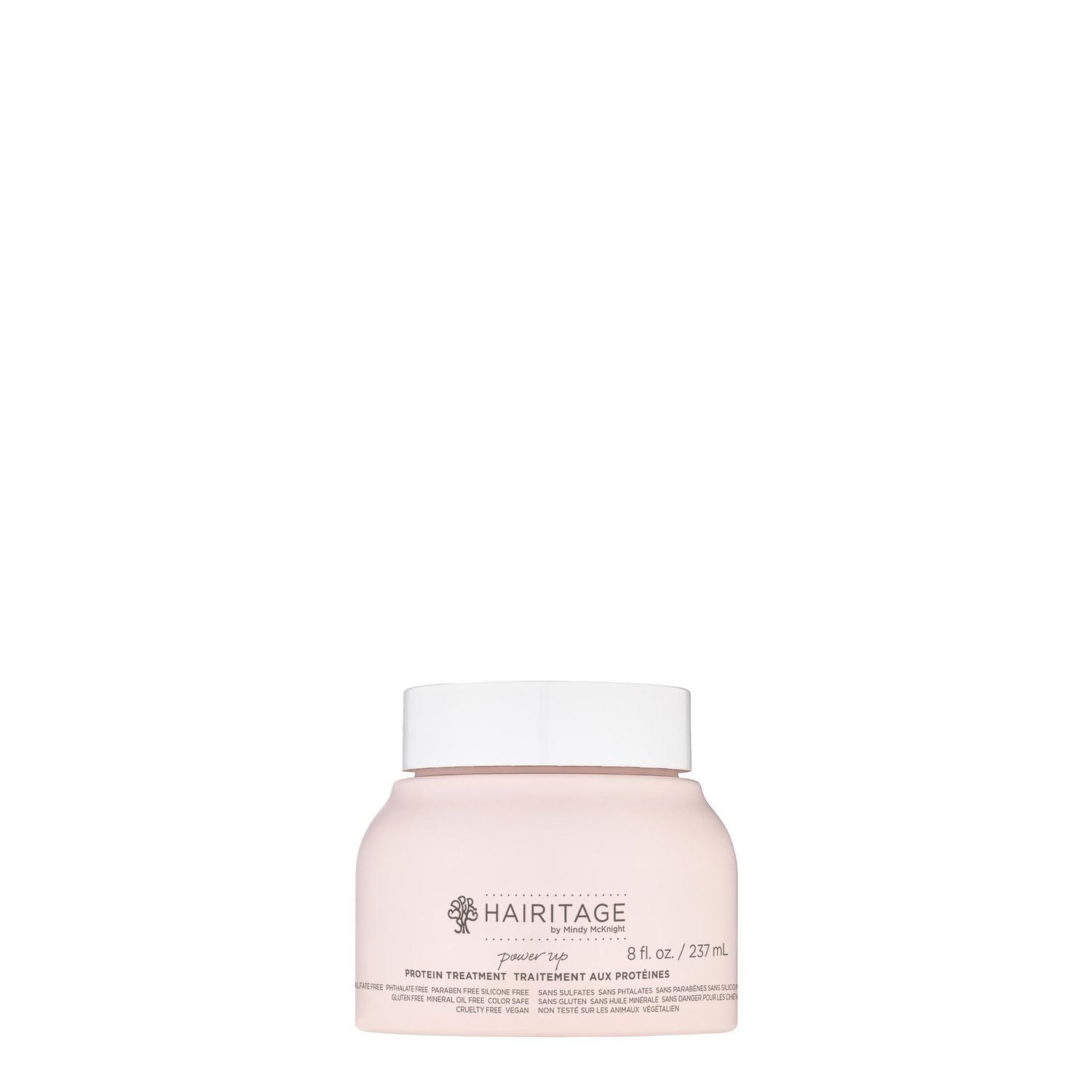
Credit: www.walmart.ca
Why Protein Matters For Hair
Protein plays a key role in keeping hair strong and healthy. Hair strands are mostly made of a protein called keratin. Without enough protein, hair becomes weak and breaks easily. Understanding why protein matters helps in choosing the right hair care treatments.
Role Of Protein In Hair Structure
Hair is made up of keratin protein fibers. These fibers form the hair shaft and protect it from damage. Protein keeps hair flexible and gives it strength. It also helps hair maintain its shape and shine. Without enough protein, hair can become limp and dull.
Signs Of Protein Deficiency
- Hair feels weak and breaks easily
- Excessive hair shedding or thinning
- Hair looks dry and brittle
- Loss of natural shine and softness
- Hair feels mushy or overly stretchy when wet
Benefits Of Protein Treatments
Protein treatments restore lost protein in hair strands. They strengthen hair and reduce breakage. Treatments improve hair texture and add smoothness. Hair gains more volume and looks healthier. Regular protein care supports hair growth and resilience.
Types Of Protein Treatments
Protein treatments come in various forms, each designed to target specific hair needs. Understanding the types of protein treatments helps you choose the one that fits your hair condition and goals. Let’s look at some popular options and how they work to strengthen and improve your hair.
Keratin Treatments
Keratin treatments add a smooth protein layer to your hair, reducing frizz and enhancing shine. They work well if your hair feels rough or looks dull after heat styling or chemical processes. I noticed my hair became silkier and more manageable after just one session, making daily styling easier.
These treatments often last several weeks and can be done at a salon or with at-home kits. Keep in mind, they sometimes contain formaldehyde or similar chemicals, so check product ingredients if you prefer a natural approach.
Collagen Infusions
Collagen infusions boost your hair’s elasticity and strength by replenishing its natural collagen. This is especially helpful if your hair breaks easily or feels weak. You might see your hair bounce back with more volume and less breakage after using a collagen-based product.
Many collagen treatments come as serums or masks that you can apply regularly. They work best when combined with a good moisturizing routine to keep your hair flexible and healthy.
Hydrolyzed Protein Masks
Hydrolyzed protein masks contain proteins broken down into smaller pieces, allowing deeper penetration into the hair shaft. This helps repair damage from within rather than just coating the surface. If your hair feels brittle or has split ends, these masks can offer noticeable repair.
Applying these masks once a week can improve hair texture and reduce breakage over time. You might find your hair feels stronger and looks shinier after consistent use.
Choosing The Right Treatment
Choosing the right protein treatment is essential for getting the results you want without causing further damage. Not every treatment works for every hair type or condition. Understanding your hair’s unique needs can save you time and frustration.
Hair Type Considerations
Your hair type plays a major role in picking the best protein treatment. Fine hair usually needs a lighter formula to avoid weighing it down. Thick or coarse hair can handle richer, more intensive treatments.
If your hair is curly or wavy, look for treatments that also provide moisture along with protein. Straight hair often benefits from strengthening treatments that add shine and smoothness. Have you noticed how your hair feels after different products? That’s a great clue to what it needs.
Damage Level Assessment
Assessing how damaged your hair is will guide how strong your protein treatment should be. Light damage from occasional heat styling calls for mild protein boosts. Severe damage, like breakage or chemical treatments, requires deeper, more reconstructive treatments.
Ask yourself: Is your hair breaking or just lacking shine? Are split ends a problem? These questions help you avoid overloading your hair with protein, which can cause stiffness and brittleness.
Ingredients To Look For
Check the ingredient list before buying any treatment. Key proteins like keratin, collagen, and silk amino acids support hair structure. Ingredients like hydrolyzed wheat or soy protein penetrate the hair shaft for better repair.
Also look for moisturizing agents such as glycerin or natural oils, which balance the protein and keep your hair soft. Avoid treatments with too many harsh chemicals or heavy silicones that can block absorption. What ingredients have worked best for your hair in the past?
How To Apply Protein Treatments
Applying a protein treatment correctly helps restore your hair’s strength and shine. It repairs damage caused by heat, chemicals, and styling. Proper application ensures the treatment works deeply and evenly. Follow simple steps for the best results.
Preparation Steps
- Start with clean hair. Wash with a gentle shampoo.
- Towel dry hair until damp, not dripping wet.
- Use a wide-tooth comb to remove knots and tangles.
- Wear old clothes or use a cape to avoid stains.
- Gather all materials: protein treatment, applicator brush, gloves, and plastic cap.
Application Techniques
- Divide hair into small sections for even coverage.
- Use the applicator brush to apply protein treatment from roots to ends.
- Massage gently to help product absorb into hair fibers.
- Focus on damaged or weak areas for extra care.
- Cover hair with a plastic cap to retain heat and moisture.
Post-treatment Care
- Leave treatment on for the recommended time on the package.
- Rinse hair thoroughly with cool or lukewarm water.
- Avoid shampooing immediately after treatment to preserve proteins.
- Apply a light conditioner if hair feels dry.
- Let hair air dry or use a cool blow dryer setting.
Frequency And Maintenance
Knowing how often to use protein treatments and how to maintain the balance with moisture is key to keeping your hair healthy and strong. Too little protein won’t repair damage effectively, but too much can cause brittleness. Finding the right rhythm for your hair type and condition helps you avoid common pitfalls and enjoy smooth, resilient strands.
How Often To Use Protein Treatments
Most people benefit from a protein treatment every 4 to 6 weeks. If your hair is severely damaged or chemically treated, you might need it every 2 to 3 weeks at first. Pay attention to how your hair responds—if it feels stiff or dry after treatment, you might be overdoing it.
Think about your hair’s current state. Is it breaking easily or lacking shine? Protein can help rebuild those weak spots. But if your hair is already strong, using protein treatments too often can make it harder and more prone to breakage.
Balancing Protein And Moisture
Protein and moisture must work together. Protein rebuilds the structure, while moisture keeps hair flexible. Without enough moisture, protein-treated hair can feel dry and brittle.
Try alternating protein treatments with deep moisturizing masks. For example, if you use a protein mask one week, follow up with a hydrating mask the next. This balance keeps hair strong and soft at the same time.
Avoiding Protein Overload
Protein overload happens when your hair receives too much protein, making it hard and straw-like. You might notice your hair feels rough or snaps easily. This is a sign to cut back on protein treatments and focus on hydration.
Listen to your hair’s texture and elasticity. If it resists stretching or feels brittle, it’s time to pause protein treatments. Adjust your routine by adding more moisturizing products until your hair regains softness and bounce.

Credit: www.ebay.ca
Diy Protein Treatment Recipes
Protein treatments help strengthen and repair damaged hair. They fill in gaps in the hair shaft, making strands stronger and less prone to breakage. Many store-bought treatments contain chemicals that may not suit all hair types.
DIY protein treatments use natural ingredients that nourish hair deeply. These recipes are easy to make at home using common kitchen items. They offer a gentle yet effective way to boost hair health.
Egg And Yogurt Mask
Eggs are rich in protein and help rebuild hair structure. Yogurt adds moisture and smoothness. Mix one egg with two tablespoons of plain yogurt until smooth. Apply the mixture to damp hair. Leave it on for 20 minutes, then rinse with cool water. This mask improves hair strength and shine.
Avocado And Protein Powder Mix
Avocado contains vitamins and healthy fats that nourish hair. Protein powder adds extra protein to repair strands. Mash half an avocado and mix with one tablespoon of protein powder. Apply the blend evenly through hair. Let it sit for 25 minutes before washing out. This treatment softens and strengthens hair.
Coconut Milk And Honey Blend
Coconut milk is rich in proteins and fats that restore hair health. Honey adds moisture and helps retain softness. Combine half a cup of coconut milk with two tablespoons of honey. Apply the blend from roots to tips. Cover with a shower cap and wait 30 minutes. Rinse thoroughly with lukewarm water. This blend boosts hair elasticity and smoothness.
Common Mistakes To Avoid
Protein treatments can transform your hair, making it stronger and healthier. But using them incorrectly can cause more harm than good. Avoiding common mistakes ensures your hair gets the benefits without the damage.
Overusing Protein Treatments
Applying protein treatments too often can make your hair stiff and brittle. Your hair only needs protein once every 2-4 weeks, depending on its condition. If you notice your hair feels dry or breaks easily after treatment, it’s a sign you’re using too much protein.
Have you ever felt your hair snapping after a protein treatment? That’s a clear warning to cut back. Balance is key—don’t let protein overload weigh your hair down.
Ignoring Hair’s Moisture Needs
Protein strengthens hair, but moisture keeps it flexible and soft. Skipping moisturizing treatments after protein can leave your hair dry and prone to breakage. Always follow protein treatments with a good conditioner or deep moisturizing mask.
Ask yourself: Is your hair feeling rough or brittle despite protein treatments? It might be begging for hydration. Moisture and protein work best together—never neglect one.
Using Harsh Chemicals
Many protein treatments contain strong chemicals that can irritate your scalp or damage hair if misused. Avoid combining protein treatments with harsh coloring or bleaching on the same day. This can overload your hair with stress and cause breakage.
Pay attention to ingredient lists and choose gentle, natural protein treatments when possible. Have you checked what’s in your product lately? Harsh chemicals might be sabotaging your hair care efforts.

Credit: www.ebay.ca
Boosting Treatment Results
Boosting the results of a hair care protein treatment requires more than just applying the product. Maintaining the health of your hair before and after treatment is key. Small changes in your routine can help your hair absorb protein better and stay strong longer.
Complementary Hair Care Products
Use shampoos and conditioners made for protein-treated hair. These products support the treatment’s effects. Look for labels mentioning protein or repair. Avoid harsh sulfates that strip moisture. Leave-in conditioners and serums can add extra protection. They keep hair smooth and reduce breakage.
Diet And Supplements
Healthy hair starts from the inside. Eat foods rich in protein like eggs, fish, and beans. Vitamins like biotin, vitamin E, and zinc help hair grow strong. Drinking enough water keeps hair hydrated. Supplements can fill nutrient gaps. Always consult a doctor before starting new supplements.
Protective Hairstyles
Choose hairstyles that reduce hair stress. Braids, buns, and twists protect hair ends. Avoid tight hairstyles that pull on the scalp. Use soft hair ties to prevent breakage. Protective styles reduce damage from friction and weather. They help maintain protein treatment results longer.
Frequently Asked Questions
What Is A Hair Care Protein Treatment?
A hair care protein treatment strengthens hair by replenishing lost proteins. It repairs damage and reduces breakage. It improves hair texture and adds shine. This treatment is ideal for weak or chemically treated hair.
How Often Should I Use Protein Treatments?
Use protein treatments once every 2 to 4 weeks. Overuse can cause hair stiffness or dryness. Adjust frequency based on hair condition and type. Always follow product instructions for best results.
Can Protein Treatments Fix Damaged Hair?
Yes, protein treatments help repair damaged hair by filling gaps. They restore hair strength and elasticity. However, severe damage may need professional care alongside treatments.
Are Protein Treatments Suitable For All Hair Types?
Protein treatments work for most hair types but vary in strength. Fine hair needs lighter treatments, while coarse hair benefits from stronger formulas. Choose products tailored to your hair type for optimal results.
Conclusion
Protein treatments can greatly improve hair health. They help repair damage and strengthen strands. Regular use leads to softer, shinier, and more resilient hair. Choose the right treatment for your hair type. Follow the instructions carefully for best results. Keep a balanced hair care routine.
Combine with moisturizing products for optimal effects. Healthy hair boosts confidence and enhances your look. Start incorporating protein treatments today. Enjoy the benefits of stronger, healthier hair. Your hair will thank you for the care. Stay consistent and watch your hair transform over time.
