Are split ends making your hair look dull and damaged? You’re not alone, and the good news is, you don’t have to live with them.
The right hair care products can protect your strands, repair damage, and keep your hair looking healthy and vibrant. You’ll discover which products work best to fight split ends and how to use them effectively. Keep reading to unlock the secret to smoother, stronger hair you’ll love to show off.

Credit: www.amazon.ca
Causes Of Split Ends
Split ends can be frustrating and stubborn, often making your hair look unhealthy no matter how often you wash or style it. To tackle split ends effectively, you need to understand what causes them. Knowing the root of the problem helps you choose the right hair care products and habits that protect your hair.
Environmental Damage
Sun exposure, wind, and pollution can wear down your hair’s outer layer. Over time, these elements dry out your strands, making them brittle and prone to splitting.
Have you noticed how your hair feels rougher after a day in the sun? That’s your hair getting damaged at a microscopic level. Using products with UV protection can help shield your hair from this kind of damage.
Heat Styling Effects
Regular use of flat irons, curling wands, and blow dryers strips moisture from your hair. This leaves your ends dry and vulnerable to breaking.
If you love styling your hair with heat, ask yourself: Are you using a heat protectant? Skipping this step is a common mistake that speeds up split end formation. Lower heat settings and less frequent styling can also make a big difference.
Chemical Treatments
Hair coloring, bleaching, and perming change the natural structure of your hair. These chemicals break down the hair’s protective outer layer, causing damage that shows up as split ends.
It’s tempting to refresh your look often, but how often are you giving your hair a break between treatments? Conditioning treatments and protein masks can restore strength but avoiding excessive chemical use is key.
Mechanical Stress
Brushing your hair roughly, using tight hair ties, or towel drying aggressively can pull and twist your strands. This mechanical stress weakens the hair and leads to split ends.
Think about your daily routine: Are you gentle with your hair when it’s wet and fragile? Switching to wide-tooth combs and soft hair ties can reduce breakage and keep your ends healthier longer.
Key Ingredients To Look For
Choosing the right hair care products for split ends means understanding their ingredients. Some ingredients help repair damage. Others protect hair from breaking. Knowing these key elements guides you to healthier hair. Focus on what nourishes, strengthens, and seals your strands.
Moisturizing Agents
Moisturizers add water to dry, brittle hair. They soften strands and reduce breakage. Common moisturizing agents include:
- Glycerin – attracts moisture from the air
- Aloe vera – soothes and hydrates
- Panthenol (Vitamin B5) – improves softness and shine
These ingredients keep hair flexible and less prone to split ends.
Proteins And Amino Acids
Proteins rebuild damaged hair structure. They fill gaps in weakened strands. Amino acids are the building blocks of protein. Look for:
- Keratin – strengthens and repairs hair
- Hydrolyzed silk or wheat protein – adds smoothness
- Arginine – supports hair growth and strength
These ingredients restore hair’s natural strength and resilience.
Natural Oils
Natural oils nourish and seal hair cuticles. They prevent moisture loss and add shine. Popular oils include:
- Argan oil – rich in antioxidants and vitamin E
- Coconut oil – penetrates deeply for strong hydration
- Jojoba oil – balances scalp oils and softens hair
Oils help smooth split ends and protect hair from damage.
Silicones And Polymers
Silicones coat hair strands, creating a smooth surface. They protect against friction and moisture loss. Common silicones are:
- Dimethicone – adds shine and reduces frizz
- Cyclopentasiloxane – lightweight and silky feel
- Amodimethicone – targets damaged areas for repair
Polymers form a flexible shield that keeps hair intact longer.
Top Shampoos For Split Ends
Choosing the right shampoo is key to managing split ends effectively. The best shampoos for split ends work by repairing damage and preventing further breakage. They also keep hair soft and smooth, making split ends less noticeable. Here are some top shampoo categories that help keep split ends under control.
Sulfate-free Options
Sulfate-free shampoos clean hair gently without stripping natural oils. They reduce dryness, a major cause of split ends. These shampoos help maintain moisture and protect hair strands.
- Suitable for sensitive scalps
- Preserve hair’s natural strength
- Reduce frizz and breakage
Strengthening Formulas
Shampoos with strengthening ingredients repair damaged hair. They contain proteins and vitamins that rebuild hair structure. These formulas make hair more resilient to split ends.
- Contain keratin or collagen
- Help seal hair cuticles
- Improve hair elasticity and shine
Hydrating Shampoos
Hydrating shampoos add moisture to dry, brittle hair. They soften hair and reduce roughness that leads to splits. Hydration boosts hair health and prevents further damage.
- Include ingredients like aloe vera and glycerin
- Keep hair smooth and manageable
- Restore natural softness and shine
Best Conditioners To Repair Damage
Choosing the right conditioner can make a big difference if you’re battling split ends. The best conditioners to repair damage don’t just moisturize; they strengthen and rebuild your hair’s structure. Understanding which type suits your hair’s needs helps you target split ends effectively and keep your locks healthy.
Deep Conditioning Treatments
Deep conditioning treatments provide intense moisture and nourishment. They penetrate hair strands to restore softness and reduce breakage. Using a deep conditioner once a week can revive dry, brittle ends and make your hair easier to manage.
Look for products containing ingredients like shea butter, argan oil, or coconut oil. These help seal the hair cuticle, preventing further splitting. Have you noticed how your hair feels after a deep treatment? The difference is often immediate and noticeable.
Leave-in Conditioners
Leave-in conditioners offer continuous hydration throughout the day. Unlike rinse-out conditioners, they stay on your hair to protect against environmental damage and dryness. Applying a lightweight leave-in conditioner can reduce frizz and smooth split ends.
Choose formulas with vitamins and antioxidants to shield your hair. If you style your hair with heat tools, a leave-in conditioner with heat protection is a smart choice. How often do you refresh your hair’s moisture during the day?
Protein-infused Conditioners
Protein-infused conditioners help repair the structural damage that causes split ends. Proteins like keratin and collagen fill in gaps in the hair shaft, making strands stronger and less prone to breaking. These conditioners are especially beneficial if your hair is chemically treated or heat damaged.
Use protein conditioners regularly but not too often, as too much protein can cause stiffness. Look for a balance of protein and moisture in the product. Have you ever tried a protein treatment and noticed your hair felt thicker or more resilient afterward?
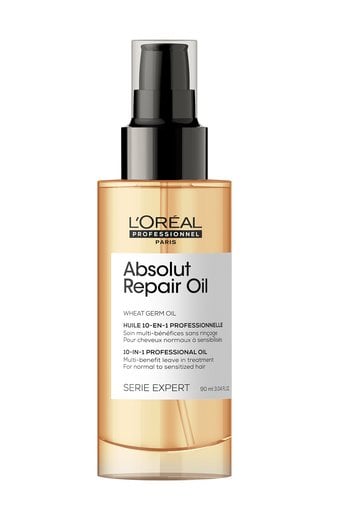
Serums And Oils For Split Ends
Serums and oils play a vital role in treating split ends. They nourish hair strands deeply and create a smooth barrier. This protects hair from further damage and dryness. Regular use helps hair look healthier and feel softer. Many products are designed to target split ends specifically. Choosing the right serum or oil can improve hair texture and shine.
Argan And Coconut Oils
Argan oil is rich in vitamin E and fatty acids. It moisturizes hair and repairs split ends effectively. Coconut oil penetrates the hair shaft easily. It strengthens and reduces protein loss. Both oils help reduce frizz and add shine. Use them on damp or dry hair for best results.
Silicone-based Serums
Silicone serums coat hair strands with a thin layer. This seals split ends and smooths rough hair. They add shine without weighing hair down. These serums protect hair from heat and pollution. Apply a small amount to ends for a sleek finish.
Lightweight Formulas
Lightweight oils and serums absorb quickly into hair. They do not leave greasy residue or buildup. These formulas suit fine or thin hair types well. They keep hair soft without heaviness. Look for products labeled non-greasy or fast-absorbing for daily use.
Credit: www.lorealprofessionnel.ca
Hair Masks And Treatments
Hair masks and treatments play a crucial role in healing split ends and restoring your hair’s health. These concentrated formulas work deep within the hair shaft to repair damage, nourish strands, and prevent further breakage. Using the right mask or treatment consistently can transform brittle ends into smooth, strong tips you’ll love to show off.
Weekly Repair Masks
Using a weekly repair mask can make a noticeable difference in how your split ends look and feel. Look for masks rich in proteins and moisturizing ingredients like keratin, argan oil, or shea butter. These components help strengthen fragile hair and seal the cuticle.
Apply the mask after shampooing, focusing on the ends. Let it sit for 10 to 20 minutes before rinsing thoroughly. How much time do you spend repairing your hair compared to styling it? Giving your ends this kind of care weekly can prevent damage from piling up.
Diy Natural Masks
Natural ingredients from your kitchen can offer affordable and effective solutions for split ends. Ingredients like honey, coconut oil, avocado, and yogurt provide deep hydration and nourishment without harsh chemicals.
Try mixing one ripe avocado with a tablespoon of coconut oil and a teaspoon of honey for a hydrating mask. Leave it on your hair for 30 minutes, then rinse well. Have you experimented with natural masks before? You might find your hair responds better to simple, pure ingredients than commercial products.
Salon-grade Treatments
Salon-grade treatments offer intensive care that targets split ends with professional precision. Treatments such as Olaplex, keratin smoothing, or deep conditioning glosses rebuild hair bonds and smooth damaged cuticles.
These treatments often provide longer-lasting results than home care. Visiting a salon for these options can be an investment in your hair’s future. When was the last time you treated your hair to professional care, and did you notice a difference afterward?
Daily Hair Care Tips
Taking care of split ends requires consistent daily habits that protect and nourish your hair. Small changes in how you handle your hair every day can make a big difference in reducing damage. These tips focus on simple, practical actions you can start right now to keep your ends healthier and prevent further splitting.
Gentle Brushing Techniques
Brushing your hair gently is crucial to avoid pulling and breaking strands. Use a wide-tooth comb or a brush with soft bristles to detangle, especially when your hair is wet and more fragile.
Start brushing from the ends and work your way up to the roots. This method reduces tugging and helps prevent split ends from forming.
Have you noticed how rough brushing can leave your hair frizzy and damaged? Treat your hair like a delicate fabric, and it will respond with less breakage.
Heat Protection Practices
Using heat styling tools without protection accelerates split end formation. Always apply a heat protectant spray or serum before blow-drying, straightening, or curling.
Try to limit heat styling to a few times a week. When you do use heat, keep the temperature moderate to avoid unnecessary damage.
Think about how your hair feels after a day of heat styling—does it feel dry or brittle? Protecting your hair can maintain its natural moisture and strength.
Regular Trimming
Trimming your hair regularly is the most effective way to get rid of split ends. Even a small trim every 6-8 weeks can prevent splits from traveling up the hair shaft.
You don’t need to lose length to keep your hair healthy; just trimming the damaged ends will keep your hair looking fresh and strong.
Ask yourself: when was the last time you trimmed your hair? Waiting too long could mean more damage and harder repairs down the line.
Credit: us.lorealprofessionnel.com
Choosing Products For Your Hair Type
Choosing the right hair care products depends on your hair type. Each hair type needs specific ingredients to fight split ends. Using products made for your hair keeps it healthy and strong.
Fine Hair Solutions
Fine hair is light and delicate. Heavy products can weigh it down and cause greasiness. Look for lightweight shampoos and conditioners. These should add volume without oiliness.
- Choose products labeled “volumizing” or “lightweight.”
- Use serums or sprays sparingly to avoid buildup.
- Look for ingredients like panthenol and proteins to strengthen strands.
Curly Hair Care
Curly hair is prone to dryness and breakage. Moisture-rich products help keep curls soft and reduce split ends. Creams and leave-in conditioners work best.
- Use sulfate-free shampoos to avoid stripping natural oils.
- Choose products with shea butter or coconut oil for hydration.
- Apply anti-frizz serums to smooth and protect curls.
Thick And Coarse Hair
Thick hair needs intense moisture and nourishment. Heavy creams and oils help tame frizz and seal split ends. Look for rich formulas that soften strands.
- Select deep conditioners and hair masks for extra care.
- Use products with argan oil or jojoba oil for shine.
- Apply leave-in treatments to protect hair from damage.
Frequently Asked Questions
What Are The Best Products For Split Ends?
The best products for split ends include nourishing shampoos, conditioners, and leave-in treatments. Look for ingredients like keratin, argan oil, and biotin. These help strengthen hair, reduce breakage, and seal split ends. Regular use improves hair health and minimizes further damage effectively.
How Do Hair Serums Help With Split Ends?
Hair serums coat the hair strands, sealing split ends and preventing further splitting. They add shine and reduce frizz, making hair smoother. Serums with silicone or natural oils create a protective barrier against heat and environmental damage, improving hair texture and appearance instantly.
Can Leave-in Conditioners Repair Split Ends?
Leave-in conditioners hydrate and strengthen hair strands, reducing the appearance of split ends. While they don’t permanently repair splits, they prevent further damage and improve manageability. Using them regularly helps maintain moisture, making hair softer and less prone to breakage.
Are Natural Oils Effective For Treating Split Ends?
Yes, natural oils like coconut, argan, and jojoba deeply nourish hair, preventing split ends. They strengthen hair fibers and add moisture, reducing dryness and brittleness. Regular oil treatments improve hair elasticity, making strands less likely to break or split over time.
Conclusion
Caring for split ends doesn’t have to be hard. Choose the right products. Regular trims help manage split ends. Avoid excessive heat and chemicals. Natural oils can nourish your hair. Consistent care keeps hair healthier. Healthier hair means fewer split ends.
Many products target split ends specifically. Read labels carefully before buying. Always follow instructions on hair care products. Your hair deserves the best care possible. Small changes make a big difference. Keep your hair strong and vibrant.