Have you ever run your fingers through your hair only to find it feeling brittle, rough, or lifeless? Damaged hair is a common struggle, and you’re certainly not alone in seeking a solution.
The good news is, the right hair care products can breathe life back into your locks, restoring their shine and vitality. Imagine stepping out with hair that not only looks healthy but feels incredible to the touch. In this guide, we’ll uncover the essential products that can transform your damaged hair into a crowning glory you’ll be proud to show off.
Ready to discover the secret to lush, resilient hair? Let’s dive in!
Causes Of Hair Damage
Hair damage occurs from many common habits and environmental factors. Understanding these causes helps protect and restore hair health. Damage weakens hair, making it dry, brittle, and prone to breakage.
Damage builds up over time. Even small daily actions affect hair condition. Knowing the main causes guides better hair care choices.
Heat Styling Effects
Heat tools like flat irons and curling wands dry out hair. High temperatures break down hair’s natural protein. This causes split ends and rough texture. Frequent heat styling removes moisture and weakens hair strands. Using heat protectants reduces damage but does not eliminate it.
Chemical Treatments
Hair coloring, perming, and relaxing use strong chemicals. These chemicals strip hair’s natural oils and proteins. This leaves hair fragile and prone to breakage. Overlapping treatments increase damage risk. Chemicals can also irritate the scalp, causing dryness and flaking.
Environmental Factors
Sun exposure dries hair and fades color. Wind tangles hair and causes breakage. Pollution deposits dirt and toxins on hair strands. Chlorine and saltwater strip moisture from hair. These factors weaken hair structure and cause dullness. Wearing hats or using protective sprays helps shield hair.
Mechanical Stress
Brushing or combing hair too hard causes breakage. Tight hairstyles pull on hair roots and damage follicles. Using rough towels to dry hair roughens the cuticle layer. Sleeping on coarse fabric can also cause friction damage. Gentle handling and soft materials protect hair integrity.
Key Ingredients For Repair
Choosing the right ingredients helps heal damaged hair effectively. These elements rebuild and nourish hair from inside. They protect strands and restore strength and shine.
Proteins And Keratin
Proteins are the building blocks of hair. Keratin, a key protein, fills in damaged areas. It strengthens weak strands and reduces breakage. Hydrolyzed proteins penetrate deep to repair hair structure.
Moisturizing Agents
Moisture keeps hair soft and flexible. Ingredients like glycerin and panthenol attract water to hair. They prevent dryness and improve elasticity. Well-moisturized hair resists damage better.
Antioxidants And Vitamins
Antioxidants protect hair from harmful free radicals. Vitamins such as E and C support scalp health. They boost hair growth and repair damaged follicles. These nutrients maintain hair’s natural glow.
Natural Oils And Butters
Oils like argan, coconut, and jojoba deeply nourish hair. They seal moisture and add shine. Butters such as shea butter soften and protect strands. These natural ingredients reduce frizz and split ends.
Best Shampoos For Damaged Hair
Choosing the best shampoo for damaged hair is essential for restoring strength and shine. Damaged hair needs gentle care and targeted ingredients. The right shampoo can protect hair from further breakage and dryness. It also helps repair and nourish each strand deeply.
Sulfate-free Options
Sulfate-free shampoos clean hair without stripping natural oils. These shampoos avoid harsh foaming agents that can worsen damage. They keep hair soft and reduce scalp irritation. Ideal for fragile hair, sulfate-free options help maintain moisture balance.
Protein-infused Formulas
Protein-infused shampoos rebuild hair structure by filling in weak spots. Proteins like keratin and collagen strengthen strands and reduce breakage. These shampoos improve elasticity and smoothness. They repair damage caused by heat, chemicals, and styling.
Hydrating Shampoos
Hydrating shampoos add moisture to dry, brittle hair. They contain ingredients like aloe vera and glycerin that soothe and soften. These shampoos help prevent split ends and frizz. Consistent use leaves hair feeling silky and nourished.

Credit: innovist.com
Top Conditioners To Restore Health
Choosing the right conditioner can make a huge difference in bringing damaged hair back to life. The best conditioners don’t just add softness; they rebuild strength and protect your strands from future harm. Whether your hair is dry, brittle, or tangled, there’s a type of conditioner designed to target your specific needs and help you regain healthy, manageable hair.
Deep Conditioning Treatments
Deep conditioning treatments are like a power boost for your hair. They penetrate beyond the surface, delivering intense moisture and repairing damage from within.
Look for ingredients like keratin, argan oil, and shea butter that restore elasticity and reduce breakage. Applying these treatments once a week can significantly improve your hair’s texture and shine.
Have you noticed how your hair feels after a deep treatment? That smoothness and bounce come from real nourishment, not just surface-level moisture.
Leave-in Conditioners
Leave-in conditioners provide continuous protection throughout the day. Unlike rinse-out conditioners, they stay on your hair, preventing dryness and frizz.
Choose lightweight formulas with proteins and vitamins that strengthen strands without weighing them down. They’re perfect if your hair faces daily heat styling or environmental stress.
What if you treated your hair to hydration that lasts all day? Leave-in conditioners can be your secret weapon for maintaining softness and control.
Detangling Formulas
Damaged hair often means dealing with knots and tangles that cause breakage. Detangling conditioners make combing easier and protect your hair from pulling and snapping.
Look for products enriched with slippery ingredients like silicone or natural oils that help your brush glide through effortlessly. Using these after washing reduces hair loss and keeps your strands intact.
Have you ever felt frustrated by how much hair breaks when you try to detangle? The right formula can turn that painful routine into a gentle, damage-free experience.
Effective Hair Masks And Treatments
Effective hair masks and treatments can transform damaged hair by providing deep nourishment and repair. These products work by penetrating the hair shaft to restore moisture, strengthen strands, and reduce breakage. Choosing the right mask or treatment depends on your hair type and the level of damage you’re dealing with.
Weekly Repair Masks
Using a repair mask once a week can boost your hair’s health significantly. These masks often contain ingredients like keratin, argan oil, and shea butter that rebuild and seal the hair cuticle. Have you noticed how your hair feels softer and more manageable after a single treatment? That’s the power of consistent weekly care.
Look for masks labeled “deep repair” or “intense hydration” and apply them on damp hair. Leave the mask on for 15 to 30 minutes to allow the nutrients to absorb fully. Rinse thoroughly, and you’ll often see less frizz and fewer split ends over time.
Overnight Treatments
Overnight treatments offer a more intensive repair by letting nourishing ingredients work while you sleep. Oils like coconut, jojoba, or castor oil are excellent for overnight use because they deeply hydrate and protect. Have you tried sleeping with a silk scarf or bonnet to lock in the treatment and prevent breakage?
Apply the treatment evenly through your hair, focusing on damaged ends. Wrap your hair loosely and wash it out in the morning for soft, revitalized strands. This method is ideal if your hair feels extremely dry or brittle and needs extra attention without daily effort.
Diy Hair Masks
Making your own hair masks at home allows you to control the ingredients and avoid harsh chemicals. Simple kitchen staples like avocado, honey, yogurt, and olive oil offer surprising repair benefits. Have you ever mixed a mask that left your hair shiny and smooth without spending a dime?
- Avocado and honey:Mash one ripe avocado and mix with two tablespoons of honey for deep moisture.
- Yogurt and olive oil:Combine half a cup of plain yogurt with two tablespoons of olive oil to strengthen and soften hair.
- Banana and coconut oil:Blend one banana with a tablespoon of coconut oil to add elasticity and shine.
Apply your DIY mask to clean, damp hair and leave it on for 20 to 30 minutes. Rinse with lukewarm water and shampoo as usual. These natural treatments can be a refreshing alternative if you prefer gentle and affordable hair care solutions.
Serums And Oils For Damage Control
Serums and oils offer targeted care for damaged hair. They form a protective layer on each strand. This helps reduce breakage and dryness. These products also add shine and smoothness. Using the right serum or oil can restore hair health over time.
Heat Protection Serums
Heat protection serums shield hair from high temperatures. They create a barrier that stops heat damage. These serums are lightweight and easy to apply. Apply before styling with tools like straighteners or curling irons. They prevent moisture loss and reduce split ends.
Nourishing Hair Oils
Nourishing oils deeply hydrate and repair damaged hair. Common oils include argan, coconut, and jojoba. These oils strengthen hair and improve elasticity. They also soothe dry scalp and reduce flakiness. Use a few drops on damp or dry hair for best results.
Frizz Control Solutions
Frizz control serums and oils tame flyaways and smooth hair surface. They lock in moisture and keep hair soft all day. Ideal for humid or dry environments where frizz is common. These solutions make hair easier to manage and style.
Tips For Choosing Hair Care Products
Choosing the right hair care products is key for damaged hair. Picking the best ones helps restore and protect your hair. Focus on ingredients and how they match your hair type. Avoid products that could harm your hair further.
Reading Labels Carefully
Check the product label for key ingredients. Look for nourishing oils, proteins, and vitamins. Avoid unclear or overly complex terms. Labels reveal if a product is gentle or harsh. Choose products with clear, natural ingredients.
Matching Products To Hair Type
Understand your hair type before buying products. Fine hair needs lightweight formulas. Thick hair benefits from richer, moisturizing products. Dry hair requires deep hydration and repair. Using the right product type improves results.
Avoiding Harmful Ingredients
Stay away from sulfates and parabens. These can strip moisture and cause damage. Avoid alcohols that dry out your hair. Harsh chemicals weaken hair strands over time. Choose products with safe, mild ingredients for better care.

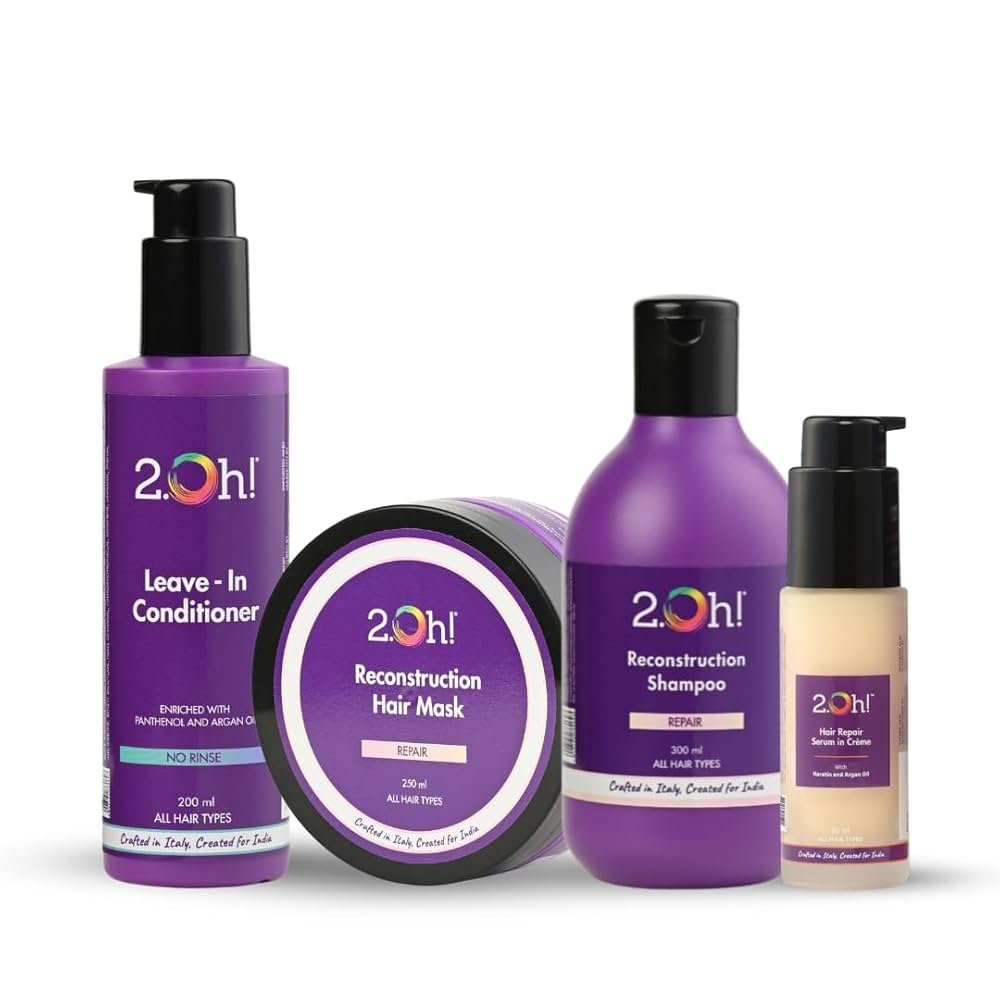
Credit: www.amazon.in
Maintaining Healthy Hair Post-repair
Repairing damaged hair is just the beginning of your journey to healthy, vibrant locks. Maintaining that repair requires daily care and smart choices that protect your hair from further harm. What you do after treatment can make all the difference in keeping your hair strong and shiny.
Gentle Styling Practices
Harsh styling can undo all the good work of hair repair. Avoid tight hairstyles like ponytails or buns that pull on your strands and cause breakage. Instead, opt for loose styles and use soft hair ties that don’t snag or stress your hair.
Heat tools like straighteners and curling irons should be used sparingly. When you do use them, always apply a heat protectant spray. This small step can prevent heat damage and keep your hair looking smooth.
Regular Trims
Trimming your hair regularly removes split ends before they travel up the hair shaft and cause more damage. Even if you’re growing your hair out, getting a trim every 6-8 weeks can keep it healthy and neat.
Think of trims as a way to refresh your hair’s appearance and maintain the benefits of repair treatments. Skipping trims often leads to increased breakage and dullness.
Balanced Diet And Hydration
Your hair’s health reflects what you put into your body. Eating a diet rich in vitamins like A, C, D, and E, along with minerals such as zinc and iron, helps strengthen hair from within.
Hydration is just as important. Drinking enough water supports scalp health and keeps hair strands hydrated, reducing dryness and brittleness. How much water do you drink daily to support your hair’s recovery?
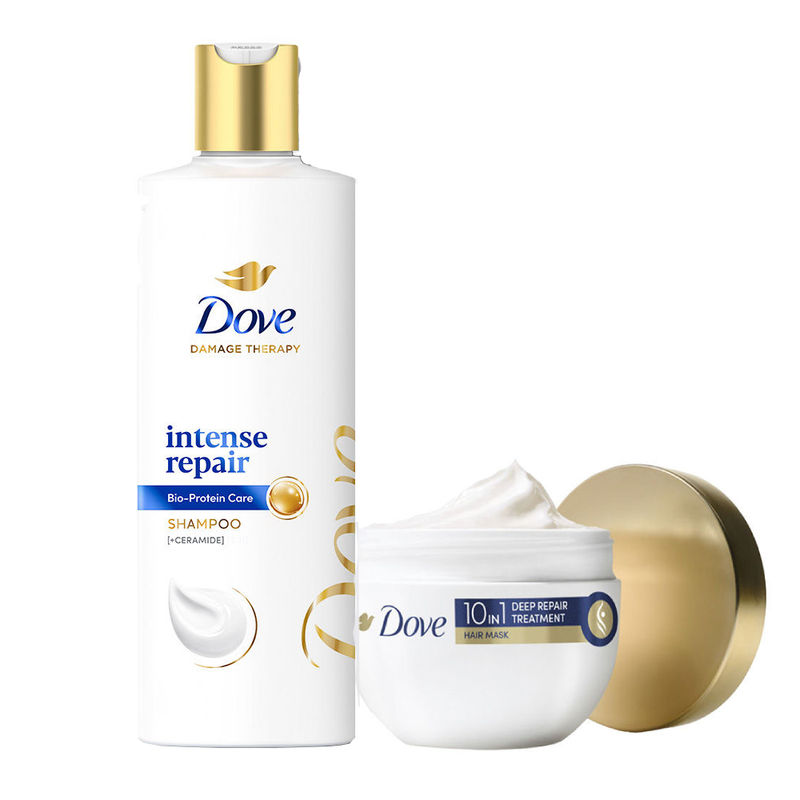
Credit: www.nykaa.com
Frequently Asked Questions
What Are The Best Ingredients For Damaged Hair Products?
Look for products with keratin, argan oil, and biotin. These ingredients strengthen, hydrate, and repair damaged hair effectively. Avoid harsh sulfates that can worsen damage.
How Often Should I Use Hair Care Products For Damage?
Use nourishing masks or deep conditioners once or twice a week. Daily use of gentle shampoos and leave-in conditioners helps maintain hair health without overloading it.
Can Damaged Hair Products Prevent Future Hair Breakage?
Yes, quality products with strengthening ingredients can reduce breakage. Consistent use restores hair strength and improves elasticity, preventing further damage.
Are Natural Hair Care Products Effective For Damaged Hair?
Natural products with oils and plant extracts can nourish and repair hair. They are gentle and reduce chemical exposure, making them suitable for sensitive scalps.
Conclusion
Damaged hair needs gentle care and the right products. Choose shampoos and conditioners made for repair. Use masks and oils to add moisture and strength. Avoid harsh chemicals and heat styling as much as possible. Regular care helps hair look healthier and feel softer.
Small changes in your routine bring big improvements over time. Take care of your hair daily for lasting results. Healthy hair is possible with patience and the right products.