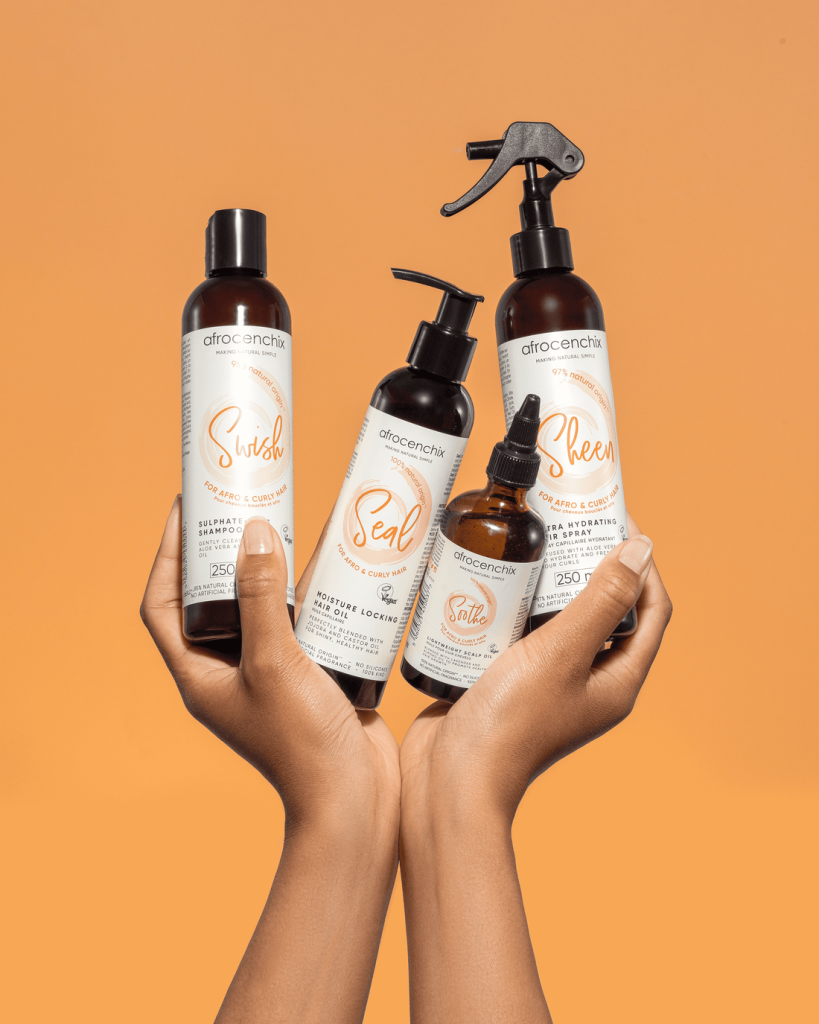
Are you struggling to find the right hair care products for your Afro hair? You’re not alone.
Afro hair has unique needs that require special attention and the perfect products to keep it healthy, moisturized, and strong. Imagine running your fingers through soft, well-nourished curls every day without worrying about dryness or breakage. You’ll discover the best products designed specifically for Afro hair, helping you unlock your hair’s true potential.
Keep reading to transform your hair care routine and feel confident in your natural beauty.

Credit: www.entyce.ca
Unique Needs Of Afro Hair
Afro hair has distinct qualities that require special attention and care. Understanding its unique needs helps you choose the right products and routines to keep your hair healthy and vibrant. Let’s dive into what makes Afro hair special and the challenges it often faces.
Hair Texture Characteristics
Afro hair is naturally curly or coily, often with tight curls that form a beautiful, dense pattern. This texture tends to be drier than other hair types because natural oils have a harder time traveling down the twists and turns of the hair strands.
The strands can vary from fine to coarse, and curls may range from loose waves to very tight coils. This diversity means you need to pay close attention to what your hair responds to—what works for one person might not work for another.
Common Challenges Faced
Dryness is a major challenge for Afro hair. Because the scalp oils don’t spread easily, the hair can become brittle and prone to breakage. Have you noticed how your hair feels after washing? It might feel rough or tangled, signaling a need for extra moisture.
Another issue is shrinkage—your hair may look much shorter than it actually is because the curls coil up tightly. This can make styling tricky and sometimes frustrating.
Products that contain harsh sulfates or alcohols can strip moisture away, making these problems worse. Look for gentle cleansers and heavy moisturizers like shea butter or coconut oil to keep your hair nourished.

Credit: www.amazon.com
Key Ingredients For Moisture
Keeping afro hair moisturized can feel like a constant challenge, but understanding which ingredients work best can make a big difference. Moisture is the foundation of healthy afro hair, and the right products must include ingredients that nourish deeply and lock in hydration. Let’s look at key ingredients that help maintain moisture effectively.
Natural Oils And Butters
Natural oils and butters are essential for sealing moisture into afro hair. These ingredients create a protective barrier that stops water from escaping, keeping your hair soft and manageable.
- Shea Butter:Rich in vitamins and fatty acids, it deeply nourishes and adds softness without weighing hair down.
- Coconut Oil:Penetrates the hair shaft to reduce protein loss, which keeps hair strong and hydrated.
- Jojoba Oil:Closely mimics natural scalp oils, balancing moisture without leaving a greasy feel.
- Castor Oil:Thick and heavy, it’s perfect for thick, coarse hair that needs extra sealing.
Have you noticed how certain oils make your hair feel heavy while others leave it light? Matching the right oil or butter to your hair type changes everything.
Humectants That Retain Water
Humectants attract water from the environment and pull it into your hair strands. They are crucial for maintaining moisture, especially in dry climates.
- Glycerin:A popular humectant that draws moisture from the air, helping to keep hair hydrated throughout the day.
- Aloe Vera:Contains natural sugars and enzymes that moisturize and soothe the scalp.
- Honey:Acts as a natural humectant and provides a slight antibacterial benefit.
But what happens when the air is dry and humectants pull moisture out of your hair instead? It’s important to combine humectants with oils or butters to lock that moisture in.
Choosing The Right Shampoo
Choosing the right shampoo is key to keeping Afro hair healthy and vibrant. This hair type needs gentle care to avoid dryness and breakage. Selecting a shampoo that cleanses without stripping natural oils makes a big difference. Understanding the ingredients and shampoo types helps maintain moisture and softness.
Sulfate-free Options
Sulfates can dry out Afro hair by removing natural oils. Sulfate-free shampoos clean hair gently and keep moisture locked in. These shampoos reduce irritation and maintain the scalp’s natural balance. Many sulfate-free products also contain nourishing ingredients like shea butter or coconut oil. Using sulfate-free shampoo helps prevent dryness and frizz.
Clarifying Vs. Moisturizing
Clarifying shampoos remove buildup from styling products and oils. They are good for occasional deep cleaning but can be drying. Use clarifying shampoo once or twice a month to refresh the scalp. Moisturizing shampoos focus on adding hydration to dry hair strands. They usually contain oils, butters, and humectants that soften hair. Choose moisturizing shampoo for regular use to keep hair smooth and manageable.
Best Conditioners For Hydration
Hydration is key to keeping Afro hair healthy and vibrant. The right conditioner can make all the difference in locking in moisture and preventing dryness. Choosing conditioners designed specifically for Afro hair ensures your curls stay soft, defined, and strong.
Deep Conditioning Treatments
Deep conditioners provide intense moisture by penetrating the hair shaft. They repair damage and restore elasticity, especially if your hair feels brittle or breaks easily. Try using a deep conditioner once a week to see noticeable improvements.
Look for products with natural oils like shea butter, coconut oil, or avocado oil. These ingredients nourish your hair deeply without weighing it down. If you’ve ever felt your hair snap after combing, deep conditioning can help reduce that breakage.
Leave-in Conditioners
Leave-in conditioners keep your hair hydrated throughout the day without rinsing out. They are perfect for maintaining moisture between washes and protecting your hair from environmental stress. Applying a small amount on damp hair can make your curls bounce back to life.
Choose lightweight formulas that provide slip to detangle easily. Products with aloe vera or glycerin attract moisture and keep your hair soft. Have you noticed how easier styling becomes with a good leave-in conditioner?
Styling Products That Promote Growth
Styling products can do more than just shape your Afro hair—they can actually help it grow stronger and healthier. Choosing the right products means you’re not just styling but also nourishing your scalp and strands. Let’s look at how certain oils and protective aids support growth while keeping your hair looking fabulous.
Growth-enhancing Oils
Oils like castor, jojoba, and peppermint are known for boosting hair growth. Castor oil is thick and rich in ricinoleic acid, which improves blood circulation to your scalp. This helps your hair follicles get the nutrients they need to grow.
Jojoba oil mimics your scalp’s natural oils, balancing moisture without clogging pores. Adding a few drops of peppermint oil can create a cooling sensation that stimulates the scalp and encourages growth. Have you tried mixing these oils to find your perfect blend?
- Apply oils directly to your scalp before styling.
- Massage gently for 5 minutes to increase blood flow.
- Use oils as a finishing touch to seal moisture in your hair.
Protective Styling Aids
Products like edge control gels and styling creams can protect your hair from breakage while supporting growth. Look for those with ingredients like shea butter, aloe vera, and vitamin E—they soothe your scalp and reduce damage.
Protective styles such as twists or braids combined with these aids reduce manipulation and stress on your hair. This means less breakage and more length retention. Are you using styling products that shield your hair rather than harm it?
- Choose non-flaky gels to avoid buildup.
- Use creams that add moisture and hold without stiffness.
- Refresh your protective styles with a light mist of water and a bit of cream.
Diy Hair Masks And Remedies
DIY hair masks and remedies are a natural way to nourish Afro hair. They use simple, everyday ingredients to boost moisture and strength. These treatments help keep hair soft, healthy, and manageable. Making your own masks allows control over what goes on your hair. It avoids harsh chemicals found in some store products. Plus, it saves money and is easy to do at home.
Homemade Moisturizing Masks
Moisturizing masks hydrate dry, curly Afro hair deeply. Natural ingredients lock in moisture and reduce breakage. Use foods like avocado, honey, and coconut oil for rich, creamy masks.
- Avocado and Honey Mask:Mash one ripe avocado and mix with two tablespoons of honey. Apply to hair, leave for 30 minutes, then rinse well.
- Coconut Oil and Banana Mask:Blend one banana with two tablespoons of coconut oil. Spread the mix on hair and scalp. Cover with a shower cap for 20 minutes before washing out.
- Yogurt and Olive Oil Mask:Combine half a cup of yogurt with one tablespoon of olive oil. This mask softens hair and adds shine. Rinse after 25 minutes.
These masks restore moisture and make curls bounce back. Use once a week for best results.
Scalp Stimulation Techniques
Healthy scalp means healthy hair growth. Stimulating the scalp improves blood flow and encourages hair follicles to grow strong. Try these simple techniques regularly.
- Finger Massage:Use fingertips to gently massage the scalp in circular motions for five minutes daily. This reduces tension and boosts circulation.
- Hot Oil Treatment:Warm natural oils like castor or jojoba. Apply to the scalp and massage for 10 minutes. Cover with a warm towel for better absorption.
- Scalp Brushing:Use a soft-bristle brush to lightly brush the scalp. This removes dead skin and stimulates follicles.
Consistent scalp care supports stronger, thicker hair over time. Incorporate these habits into your routine for healthier Afro hair.
Daily Hair Care Routine Tips
Maintaining healthy Afro hair needs a consistent daily routine. The right habits keep hair strong and vibrant. Small changes in care make a big difference over time.
Focus on keeping hair hydrated and handling it gently. These practices help reduce breakage and dryness. Healthy hair shows more shine and elasticity.
Moisture Retention Strategies
Afro hair tends to be dry and needs extra moisture. Use water-based leave-in conditioners daily. Seal moisture with natural oils like jojoba or shea butter.
- Spray hair lightly with water or a hydrating mist.
- Apply a leave-in conditioner to damp hair.
- Seal with oil to lock in moisture.
- Wear protective styles to reduce moisture loss.
- Sleep with a satin or silk scarf or pillowcase.
Gentle Handling Practices
Afro hair is delicate and breaks easily. Handle hair softly to avoid damage. Avoid rough brushing or combing.
- Use wide-tooth combs or fingers to detangle.
- Start detangling from the ends and work upward.
- Do not tug or pull hard on knots.
- Limit the use of heat styling tools.
- Choose gentle, sulfate-free shampoos to prevent dryness.
Avoiding Common Product Mistakes
Choosing the right hair care products for Afro hair is crucial, but equally important is knowing how to avoid common mistakes that can harm your hair and scalp. Many people focus only on product selection without realizing that how you use these products can make a big difference. Let’s look at some common pitfalls you can easily avoid to keep your hair healthy and thriving.
Overuse Of Harsh Chemicals
Many products for Afro hair contain strong chemicals like sulfates, parabens, and alcohols that can strip natural oils. Using these products too often can leave your hair dry, brittle, and prone to breakage.
Ask yourself: Are you reaching for a clarifying shampoo every day? If yes, it might be time to cut back. Instead, try gentler, sulfate-free shampoos that cleanse without removing moisture.
Remember, less is more when it comes to chemical exposure. Your hair needs time to recover and retain its natural oils for softness and strength.
Ignoring Scalp Health
Your scalp is the foundation of healthy hair growth. Ignoring its condition can lead to issues like dryness, itchiness, and even hair loss.
Do you regularly massage your scalp or use products designed to nourish it? If not, incorporating scalp care can improve circulation and promote hair growth.
Consider using natural oils like jojoba or tea tree oil to soothe and moisturize your scalp. Healthy hair starts with a healthy scalp, so don’t overlook this essential step.

Credit: afrocenchix.com
Frequently Asked Questions
What Are The Best Ingredients For Afro Hair Products?
Look for natural oils like shea butter, coconut oil, and argan oil. These nourish and moisturize tightly coiled hair effectively. Avoid harsh sulfates that can dry out Afro hair and cause breakage.
How Often Should I Wash Afro Hair?
Wash Afro hair once a week or every two weeks to retain moisture. Over-washing strips natural oils, leading to dryness and frizz. Use gentle, sulfate-free shampoos designed specifically for textured hair.
Which Products Prevent Breakage In Afro Hair?
Use moisturizing conditioners and leave-in treatments rich in proteins and oils. These strengthen hair strands and reduce breakage. Avoid heavy products that cause buildup and weigh hair down.
Can Afro Hair Products Promote Hair Growth?
Yes, products with castor oil, peppermint oil, and biotin support scalp health and stimulate growth. Consistent moisturizing and scalp massage improve blood circulation, encouraging healthier hair growth.
Conclusion
Caring for Afro hair needs the right products. Choose ones that hydrate well. Focus on natural ingredients to keep your hair healthy. Sulfate-free shampoos help maintain moisture. Deep conditioners add extra nourishment. Oils like coconut and argan seal in moisture.
Always check the product labels for best results. Consistent care makes a big difference. Embrace your natural hair texture with confidence. Celebrate your unique style and beauty. Proper hair care boosts self-esteem and hair health. Enjoy the journey to vibrant, beautiful Afro hair.
