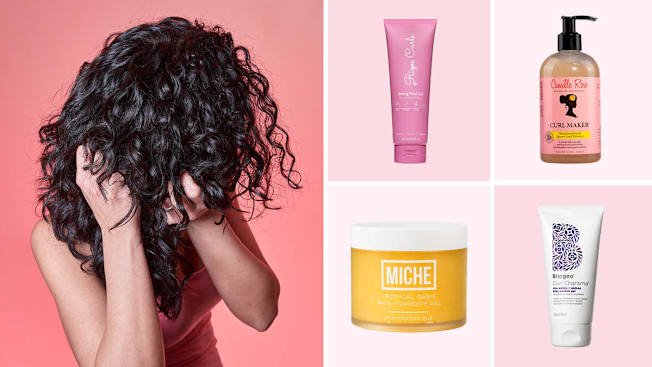
Are you tired of battling with your wavy, frizzy hair every morning? You’re not alone.
Many people with wavy locks struggle to find the right balance between curls and frizz. You might feel like your hair has a mind of its own, causing endless frustration. But what if there was a way to transform your hair from chaotic to fabulous?
Imagine running your fingers through soft, manageable waves that look effortlessly stunning. In this guide, we’re diving into the secrets of hair care for wavy, frizzy hair, offering you tips and tricks that can truly make a difference. Stick around and discover how you can tame the frizz and love your waves.
Challenges Of Wavy Frizzy Hair
Wavy frizzy hair often feels hard to manage. Its natural texture makes it prone to dryness and roughness. Many struggle with keeping it smooth and shiny. This type of hair needs special care and attention. Understanding the challenges helps in choosing the right products and routines.
Common Causes Of Frizz
Frizz happens when hair loses moisture. Damaged cuticles let humidity in, causing hair to swell. Heat styling tools can dry out hair. Overwashing strips natural oils that keep hair smooth. Using harsh shampoos and not conditioning enough adds to frizz. Rough towel drying can break hair strands and increase frizz.
Impact Of Weather And Humidity
Weather changes affect wavy frizzy hair a lot. Humidity makes hair absorb water from the air. This causes strands to swell and become frizzy. Cold weather can dry out hair, making it brittle and rough. Wind tangles hair and breaks strands. Sun exposure damages hair cuticles, increasing frizz and dryness.
Choosing The Right Shampoo And Conditioner
Choosing the right shampoo and conditioner plays a key role in managing wavy, frizzy hair. The correct products can hydrate your hair and reduce unwanted frizz. They also help maintain the natural wave pattern and keep your hair soft and smooth.
Wavy hair needs gentle cleansing without stripping natural oils. Conditioners should add moisture without weighing hair down. Selecting products tailored for your hair type improves its overall health and look.
Sulfate-free Options
Sulfate-free shampoos cleanse hair without harsh chemicals. Sulfates can dry out hair and scalp, causing more frizz. These gentle formulas protect natural oils and keep waves defined.
- Prevent scalp dryness
- Reduce hair breakage
- Maintain moisture balance
- Suitable for frequent washing
Choosing sulfate-free options helps your hair stay soft and manageable.
Moisturizing Ingredients To Look For
Moisture is essential for controlling frizz and enhancing waves. Ingredients like glycerin, aloe vera, and shea butter hydrate hair deeply. They smooth the hair cuticle and add shine.
- Glycerin attracts moisture from the air
- Aloe vera soothes the scalp and nourishes hair
- Shea butter adds rich hydration and softness
- Natural oils like argan or coconut oil seal moisture
Pick conditioners with these ingredients to keep waves hydrated and frizz-free.
Effective Hair Washing Techniques
Effective hair washing techniques can transform your wavy, frizzy hair care routine. The way you wash your hair impacts moisture retention and frizz control more than you might expect. Small changes in your approach can make a big difference in how your waves look and feel after each wash.
Proper Water Temperature
Using the right water temperature is crucial for managing frizz and protecting your waves. Hot water strips away natural oils, leaving your hair dry and more prone to frizz. Lukewarm water helps cleanse your scalp without removing moisture, while a final rinse with cool water can seal the hair cuticles.
Try adjusting your shower temperature and notice how your hair responds. Does your frizz reduce when you avoid hot water? This simple change can create smoother, shinier waves over time.
Gentle Scalp Massage
Massaging your scalp gently during washing stimulates blood flow and promotes healthy hair growth. Use your fingertips in small, circular motions rather than your nails to avoid irritation. This technique helps distribute shampoo evenly and cleanses your scalp without stripping moisture.
I once struggled with itchy, dry scalp until I started massaging gently while washing. It not only soothed my scalp but also made my hair softer and less frizzy. Have you ever tried this? It might be the key to improving your hair’s texture.
:max_bytes(150000):strip_icc()/ins-frizzy-hair-tout-francesca-krempa-598142d292b34020b680ad192c498b2b.jpeg)
Credit: www.instyle.com
Deep Conditioning And Treatments
Deep conditioning and treatments are essential for wavy, frizzy hair. These help restore moisture and smoothness. Regular care strengthens hair strands and reduces frizz. A good deep conditioning routine improves hair texture and shine.
Weekly Masks For Hydration
Use a weekly hair mask to boost hydration. Masks penetrate deeper than regular conditioners. They repair dry, damaged hair from inside.
- Apply the mask after shampooing on damp hair.
- Focus on mid-lengths and ends where hair is driest.
- Leave the mask on for 15-30 minutes.
- Rinse thoroughly with cool water to seal the cuticle.
Consistent use helps hair stay soft and manageable. It reduces the rough texture that causes frizz.
Diy Natural Remedies
Natural ingredients can deeply nourish wavy, frizzy hair. These remedies are gentle and free from harsh chemicals.
- Avocado and honey mask:Mash avocado and mix with honey. Apply to hair for 20 minutes before rinsing.
- Coconut oil treatment:Warm coconut oil and massage into scalp and hair. Leave for 30 minutes then wash.
- Aloe vera gel:Apply pure aloe vera gel to damp hair. It hydrates and calms frizz.
Natural treatments improve moisture balance and add shine. They keep wavy hair soft without weighing it down.
Styling Tips To Reduce Frizz
Frizz can make wavy hair look dry and messy. Styling helps control frizz and keeps waves smooth. Using the right products and tools makes a big difference. Simple steps can protect hair and enhance natural waves.
Using Leave-in Conditioners
Leave-in conditioners add moisture and reduce frizz all day. They create a light barrier that locks in hydration. Apply a small amount on damp hair from mid-length to ends.
- Choose a product with natural oils or silicone for smoothness.
- Comb through hair gently to spread the conditioner evenly.
- Focus on dry or rough areas to tame frizz quickly.
Leave-in conditioners soften hair without weighing it down. They prepare hair for styling and protect from environmental damage.
Heat Protection Strategies
Heat styling tools can cause frizz if used without protection. Heat protectants shield hair from damage and moisture loss. Spray or cream protectants form a barrier against high temperatures.
- Always apply heat protectant before blow-drying or straightening.
- Use tools with adjustable heat settings to avoid extreme heat.
- Keep hair dry or slightly damp for better heat absorption.
Heat protection keeps hair smooth and healthy. It helps maintain waves while preventing breakage and frizz.
Best Tools For Wavy Hair
Choosing the right tools can make all the difference in managing your wavy, frizzy hair. The right comb or drying method helps maintain your natural wave pattern while reducing frizz and breakage. Let’s look at some of the best tools that can help you care for your hair effectively.
Wide-tooth Combs
Wide-tooth combs are a game changer for wavy hair. Their spaced-out teeth gently detangle your hair without pulling or causing breakage. Unlike brushes or fine-tooth combs, they prevent disrupting your natural waves and reduce frizz.
Try combing your hair right after you wash it, while it’s still wet and conditioned. This helps to evenly distribute product and smooth your strands. Do you notice how your waves stay intact and look more defined?
Diffusers And Air Drying
Diffusers are excellent tools for drying wavy hair without disturbing the wave pattern or causing frizz. They spread the heat over a larger area, which helps your waves dry naturally and keeps them bouncy.
If you prefer air drying, try gently scrunching your hair with a microfiber towel or a soft cotton t-shirt instead of rubbing it. This reduces friction and frizz while encouraging natural waves.
Have you tried switching from a regular hairdryer to a diffuser? You might find your waves look softer and less frizzy with less effort.
Daily Hair Care Habits
Daily hair care habits shape the health and look of wavy, frizzy hair. Small changes in routine help reduce frizz and keep waves soft. Consistency matters. Simple practices protect hair from damage and dryness every day.
Avoiding Over-brushing
Brushing wavy, frizzy hair too much causes breakage and frizz. Hair is more fragile when dry. Limit brushing to gentle detangling after washing. Use a wide-tooth comb or fingers for best results.
Brush hair only when necessary. Avoid brushing when hair is dry and rough. Over-brushing disrupts natural wave patterns. It also increases static and flyaways.
Nighttime Hair Protection
Protect hair during sleep to reduce frizz and tangles. Use a silk or satin pillowcase to lower friction. Cotton pillowcases cause dryness and breakage.
Try loose braids or buns to keep waves intact. Avoid tight hairstyles that pull hair. Cover hair with a silk scarf for extra care. Nighttime protection helps hair stay smooth and hydrated.

Credit: www.youtube.com
Diet And Lifestyle For Healthy Hair
Diet and lifestyle play a crucial role in managing wavy, frizzy hair. What you eat and how you handle daily stress can directly affect your hair’s texture and shine. Paying attention to these factors can make a visible difference in keeping your hair smooth and healthy.
Hydration And Nutrition
Water is your hair’s best friend. Drinking enough water keeps your hair strands hydrated from the inside out, reducing frizz and brittleness. Aim for at least 8 glasses a day to maintain moisture balance.
Nutrition matters just as much as hydration. Foods rich in vitamins A, C, D, and E, along with minerals like zinc and iron, support healthy hair growth and shine. Adding nuts, seeds, leafy greens, and fatty fish to your meals can strengthen your hair’s natural structure.
Have you noticed your hair feels drier when you skip meals or eat junk food? That’s your body signaling it needs better fuel. Try keeping a balanced diet with plenty of fresh fruits and vegetables to nourish your hair effectively.
Stress Management Tips
Stress can wreak havoc on your hair’s health, causing breakage and increased frizz. Finding simple ways to reduce stress can improve your hair’s condition significantly.
- Practice deep breathing or meditation for a few minutes daily.
- Engage in regular physical activity like walking or yoga to release tension.
- Prioritize sleep to give your body and hair time to repair.
Have you ever noticed more hair falling out after a stressful week? Managing stress isn’t just good for your mind; it’s essential for your hair. Small lifestyle changes can help you maintain calm and keep your waves smooth and lively.

Credit: ca.curlsmith.com
Frequently Asked Questions
How Can I Reduce Frizz In Wavy Hair Daily?
To reduce frizz, use a sulfate-free shampoo and conditioner. Apply a leave-in conditioner or anti-frizz serum. Avoid heat styling and use a microfiber towel to dry hair gently. Regular deep conditioning treatments also help maintain moisture and smoothness.
What Products Work Best For Wavy Frizzy Hair?
Look for moisturizing shampoos and conditioners with natural oils like argan or coconut oil. Use lightweight leave-in conditioners and styling creams designed for frizz control. Avoid heavy products that weigh hair down. Always choose products labeled for wavy or curly hair types.
How Often Should I Wash Wavy Frizzy Hair?
Wash wavy frizzy hair 2-3 times per week to prevent dryness. Over-washing removes natural oils, increasing frizz. Use dry shampoo between washes if needed. Focus on scalp cleansing while being gentle on hair strands to maintain hydration.
Can Heat Styling Damage Wavy Frizzy Hair?
Yes, excessive heat styling damages hair cuticles and increases frizz. Always use a heat protectant before styling. Limit heat tools like straighteners or curling irons to reduce dryness and breakage. Opt for air-drying or low-heat settings when possible.
Conclusion
Healthy wavy hair needs gentle care and good habits. Use mild shampoos and avoid hot water. Comb hair softly to stop breakage and frizz. Moisturize often with natural oils or conditioners. Trim split ends regularly to keep waves smooth. Protect hair from sun and harsh weather.
Patience and consistency bring the best results. Your waves can look shiny and lively every day. Simple steps make hair care easy and effective. Keep trying, and enjoy your beautiful wavy hair!
