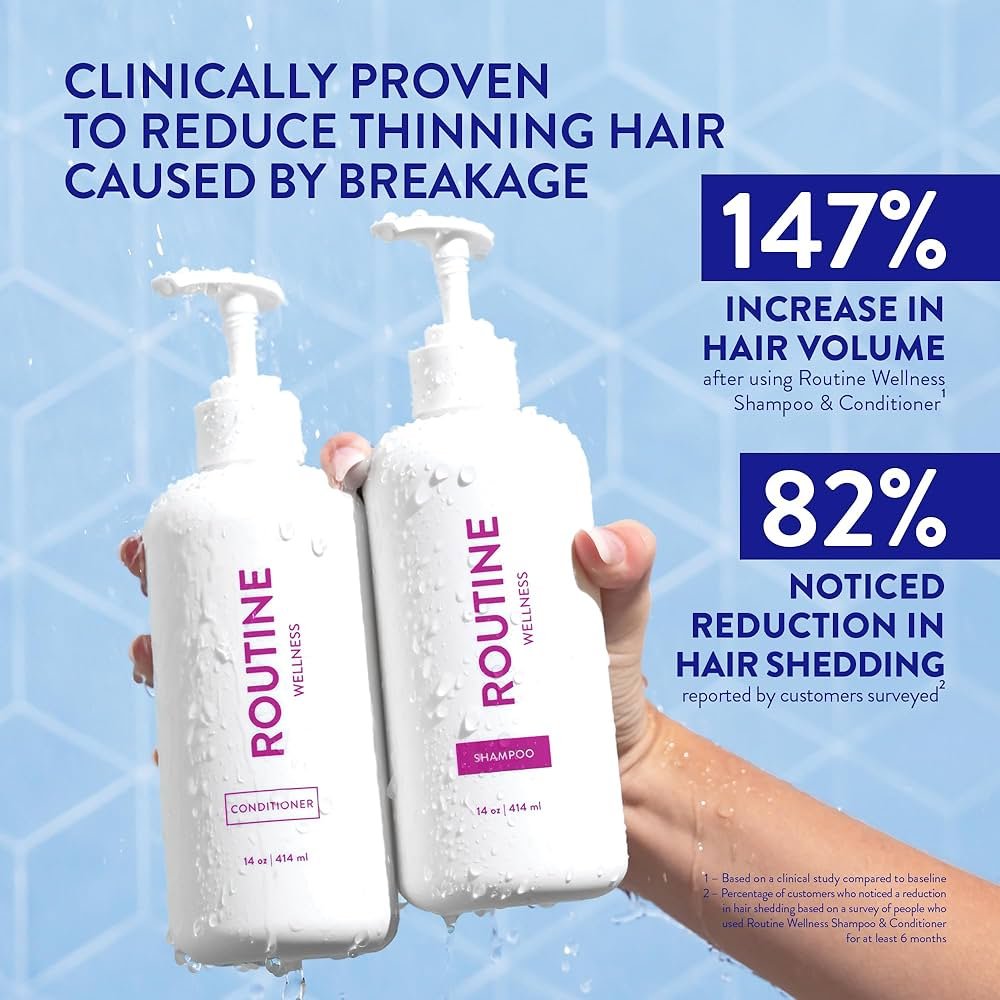
Are you noticing more hair in your brush or on the shower floor? Thinning hair can be a distressing experience, leaving you feeling self-conscious about your appearance.
You’re not alone, and the good news is that there are effective ways to care for your thinning hair. Imagine running your fingers through fuller, healthier locks without worrying about breakage or loss. In this guide, you’ll discover simple yet powerful hair care tips that can make a real difference.
From choosing the right products to adopting healthier habits, every step you take brings you closer to the luscious hair you desire. Stay with us, and let’s transform your hair care routine together.

Credit: www.amazon.com
Causes Of Thinning Hair
Thinning hair affects many people and can start at any age. Understanding the causes helps in managing it better. Hair loss happens due to various reasons, often linked to health and lifestyle. Identifying the root cause is the first step toward effective care.
Genetic Factors
Genes play a major role in hair thinning. If family members have thinning hair, the chance increases. This type of hair loss is called androgenetic alopecia. It affects both men and women. Hair follicles shrink over time, producing thinner strands.
Hormonal Changes
Hormones strongly influence hair growth. Changes during pregnancy, menopause, or thyroid problems can cause thinning. Hormonal imbalances disrupt the hair growth cycle. This leads to more hair falling out than usual. Balancing hormones can help reduce hair loss.
Nutritional Deficiencies
Hair needs vitamins and minerals to stay healthy. Lack of iron, vitamin D, or protein can weaken hair. Poor nutrition slows hair growth and causes shedding. Eating a balanced diet supports hair strength. Supplements may help if dietary intake is low.
Stress And Lifestyle
Stress affects the body’s ability to grow hair. High stress levels can trigger sudden hair loss. Poor sleep, smoking, and lack of exercise add to the problem. A healthy lifestyle improves hair health. Managing stress helps maintain thicker hair.
Choosing The Right Products
Choosing the right products can make a significant difference in managing thinning hair. The goal is to strengthen your strands without weighing them down or causing further damage. Picking products tailored to your hair’s unique needs will help you see better volume and health over time.
Volumizing Shampoos And Conditioners
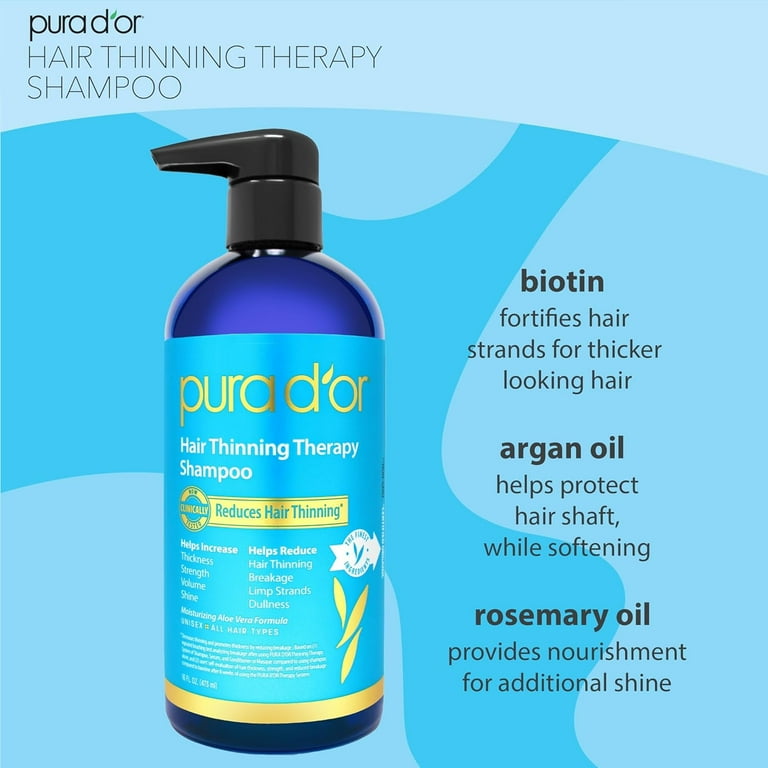
Volumizing shampoos and conditioners add body and lift to fine, thinning hair. Look for formulas that mention “lightweight” or “volume-boosting” on the label. These products usually contain ingredients like biotin, keratin, or panthenol, which help thicken each strand.
Remember, using a conditioner designed for volume is just as important as the shampoo. Heavy conditioners can weigh hair down, making thinning more noticeable. Try applying conditioner mainly to the ends to avoid buildup at the roots.
Avoiding Harsh Chemicals
Harsh chemicals like sulfates, parabens, and alcohols can strip natural oils and weaken hair strands. Many people overlook this and use popular shampoos that actually harm their thinning hair. Check product labels carefully to avoid these ingredients.
You might be surprised how much gentler your hair feels when you switch to sulfate-free and paraben-free options. These products help maintain your scalp’s natural balance, creating a healthier environment for hair growth.
Hair Serums And Treatments
Hair serums and treatments can offer targeted benefits for thinning hair by nourishing the scalp and strengthening strands. Ingredients like caffeine, niacinamide, and peptides can stimulate blood flow and encourage healthier hair follicles.
Applying a serum after washing your hair can reduce breakage and add shine without heaviness. Have you tried scalp massages with your serum? This simple act can boost absorption and improve scalp health.
Effective Hair Care Routine
Building an effective hair care routine for thinning hair requires more than just picking the right products. It’s about how you treat your hair every day to protect what you have and encourage healthy growth. Small changes in your daily habits can make a big difference in the strength and appearance of your hair.
Gentle Washing Techniques
Harsh washing can strip your scalp of natural oils, making thinning hair even more fragile. Use lukewarm water instead of hot, and choose a shampoo designed for delicate or thinning hair. Avoid vigorous scrubbing; instead, massage your scalp gently with your fingertips to clean without causing damage.
Have you noticed how often you wash your hair? Too frequent washing might do more harm than good by drying out your scalp. Try spacing out washes to every other day or even less if possible.
Proper Conditioning
Conditioning is crucial but many people with thinning hair avoid it, fearing it will weigh hair down. That’s a myth. Use a lightweight conditioner focused on hydration and volume. Apply it mainly to the ends rather than the roots to keep your scalp clear and prevent buildup.
Think about your conditioner’s ingredients. Look for those with biotin, keratin, or natural oils—they help strengthen and protect hair strands. Have you ever checked the label for harmful silicones or sulfates? These can build up and cause more breakage over time.
Scalp Massage Benefits
Massaging your scalp improves blood circulation, which can promote healthier hair growth. Spending just 5 minutes daily can increase nutrient delivery to hair follicles and relieve tension that might be affecting hair health. Use gentle, circular motions with your fingertips—not nails—to avoid irritation.
Adding a few drops of essential oils like rosemary or peppermint to your massage can enhance the effect. Have you tried scalp massage yet? It’s a simple step, but many find it refreshing and relaxing, turning hair care into a moment of self-care.
Credit: www.walmart.com
Styling Tips To Add Volume
Styling thinning hair can feel like a challenge, but with the right techniques, you can easily add volume and boost your confidence. Small changes in how you treat and style your hair can create a noticeable lift and fullness. Let’s explore some practical tips that make your hair look thicker and more vibrant every day.
Using Lightweight Products
Heavy products can weigh your hair down, making it look even thinner. Choose lightweight mousses, sprays, or foams designed to add volume without residue.
Look for terms like “volumizing,” “weightless,” or “lift” on product labels. Applying a small amount to damp hair at the roots can give your strands a natural boost.
Have you tried switching from gels to mousses? Many find mousses better for maintaining bounce and preventing flatness throughout the day.
Blow-drying For Lift
Blow-drying your hair upside down is a simple trick to add instant volume. It forces the roots away from the scalp, creating lift and body.
Use a round brush to gently lift sections of hair as you dry, directing airflow from the roots to the ends. This technique supports lasting volume and shape.
Remember to use a heat protectant spray to avoid damage while styling. Are you paying attention to the direction of airflow? Small adjustments can make a big difference.
Best Haircuts For Thin Hair
Choosing the right haircut can dramatically improve the look of thinning hair. Layers add movement and texture, preventing hair from lying flat.
Short to medium-length cuts often work best by reducing weight and enhancing natural volume. Avoid very long hair, as it can pull strands down, making hair look thinner.
Talk to your stylist about cuts that create fullness around the crown and sides. Which styles have you noticed that make your hair feel thicker?
Diet And Supplements
Diet and supplements play a key role in managing thinning hair. Eating right can nourish hair follicles and support healthy growth. Supplements can fill nutritional gaps and boost hair strength.
Focus on foods and nutrients that improve hair health from within. Consistent care through diet helps maintain thicker, fuller hair over time.
Foods That Promote Hair Growth
- Salmon: Rich in omega-3 fatty acids that nourish scalp.
- Spinach: Contains iron and vitamins A and C for hair strength.
- Eggs: High in protein and biotin, essential for hair growth.
- Nuts: Provide zinc, vitamin E, and healthy fats.
- Sweet potatoes: Loaded with beta-carotene, supporting scalp health.
- Beans: Excellent source of protein, iron, and zinc.
Essential Vitamins And Minerals
| Vitamin/Mineral | Role in Hair Care | Sources |
|---|---|---|
| Biotin (Vitamin B7) | Strengthens hair and promotes growth | Eggs, nuts, whole grains |
| Vitamin D | Stimulates new hair follicles | Sunlight, fortified dairy, fatty fish |
| Iron | Prevents hair loss by improving oxygen delivery | Spinach, red meat, lentils |
| Zinc | Supports hair tissue growth and repair | Shellfish, seeds, nuts |
| Vitamin E | Protects hair from oxidative stress | Almonds, spinach, avocado |
Supplements To Consider
- Biotin supplements can boost hair strength and growth.
- Fish oil capsules provide omega-3 fatty acids for scalp health.
- Multivitamins with iron, zinc, and vitamins A, C, D, and E.
- Collagen supplements may improve hair texture and thickness.
- Consult a healthcare provider before starting any supplement.
Medical Treatments And Solutions
Medical treatments offer targeted solutions for thinning hair that can make a real difference. These treatments often involve scientifically backed methods designed to slow hair loss, stimulate growth, or both. Understanding your options can help you choose what fits your lifestyle and hair goals best.
Topical Treatments
Topical treatments like minoxidil are widely used to treat thinning hair. Applied directly to the scalp, they can improve blood flow and stimulate hair follicles.
Minoxidil is available over the counter in various strengths. Many people see noticeable results within a few months, but consistent use is key.
Side effects are generally mild but can include scalp irritation. Have you ever tried a topical product and noticed changes in your hair texture or growth?
Laser Therapy
Laser therapy uses low-level lasers to stimulate hair follicles and increase hair density. It’s a non-invasive option that some find effective for mild to moderate thinning.
Devices for home use or professional treatments in clinics can be options, depending on your preference and budget. Many users report thicker, healthier hair after regular sessions.
Laser therapy requires patience; results often take several months to appear. Would you consider investing time in a treatment that gradually improves your hair’s health?
When To See A Specialist
If your thinning worsens despite treatments, consulting a dermatologist or trichologist can provide tailored advice. Specialists can diagnose underlying causes such as hormonal imbalances or scalp conditions.
They may recommend prescription medications, advanced therapies, or even hair transplant options. Early intervention often leads to better outcomes, so don’t wait too long to get professional guidance.
Have you thought about what might be causing your hair to thin and how a specialist could help uncover the root issue?

Credit: www.amazon.com
Frequently Asked Questions
What Causes Hair Thinning And How To Prevent It?
Hair thinning often results from genetics, stress, or poor diet. Prevent it by eating balanced meals, reducing stress, and using gentle hair products. Regular scalp massages can also boost circulation and promote hair growth.
Which Hair Care Products Help With Thinning Hair?
Look for products containing biotin, keratin, or caffeine. These ingredients strengthen hair and stimulate follicles. Avoid heavy oils or sulfates that can weigh hair down or cause scalp irritation.
How Often Should I Wash Thinning Hair?
Wash thinning hair 2-3 times a week to avoid stripping natural oils. Use a mild shampoo and conditioner designed for fine or thinning hair to maintain scalp health and hair strength.
Can Diet Improve Thinning Hair Condition?
Yes, a diet rich in vitamins A, C, D, E, zinc, and omega-3 fatty acids supports hair health. Proper nutrition strengthens hair follicles and can reduce hair loss over time.
Conclusion
Caring for thinning hair takes time and gentle effort. Choose mild shampoos and avoid harsh treatments. Eating healthy foods supports hair growth naturally. Regular scalp massages can boost blood flow. Stay patient; results do not appear overnight. Small daily habits make a big difference.
Keep your hair care routine simple and consistent. Remember, healthy hair starts with good care.
