If you love swimming, you know how refreshing it feels to dive into the water. But have you noticed your hair becoming dry, brittle, or even greenish after a swim?
That’s a common problem many swimmers face. Your hair needs special care to stay healthy and strong despite constant exposure to chlorine and saltwater. You’ll discover simple, effective tips to protect and nourish your hair before and after every swim.
Keep reading to find out how you can enjoy your time in the pool without damaging your hair.

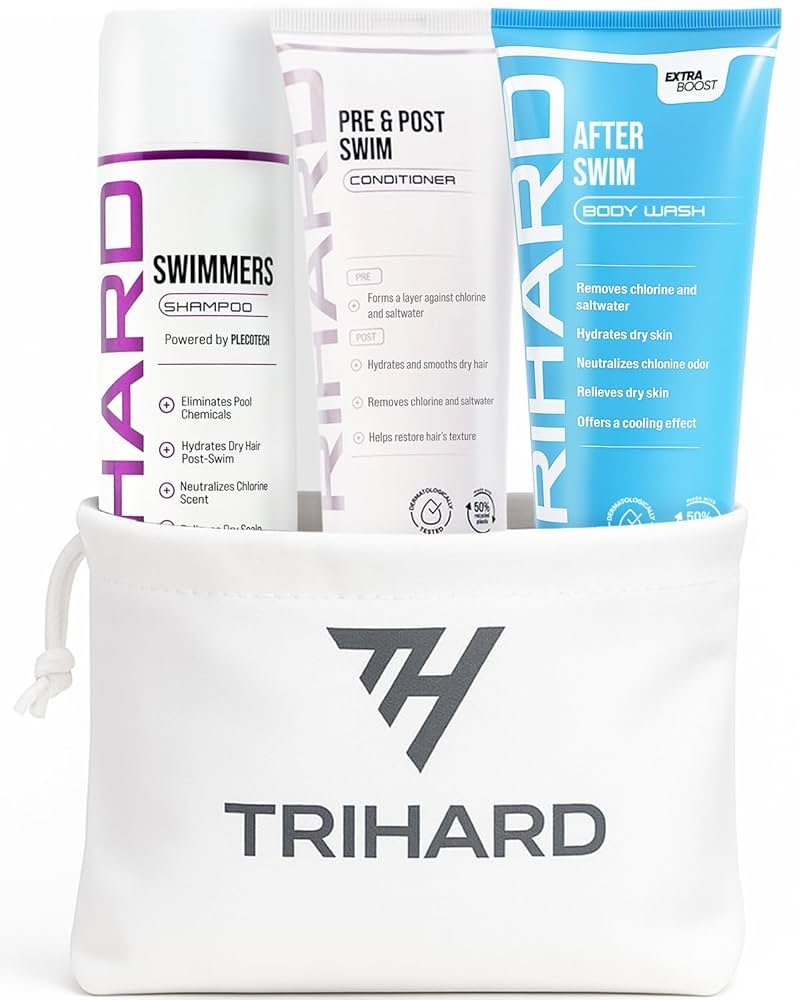
Credit: www.amazon.com
Effects Of Swimming On Hair
Swimming is a fantastic way to stay fit and have fun, but it can take a toll on your hair. Understanding how water and other elements affect your hair helps you protect it better. Let’s look closely at the main factors that impact your hair during swimming sessions.
Chlorine Damage
Chlorine is a common disinfectant in pools, but it can strip your hair of its natural oils. This leaves hair dry, brittle, and prone to breakage. You might notice your hair turning a greenish tint, especially if it’s light-colored.
Have you ever felt your hair becoming rough after a swim? That’s chlorine robbing moisture from your strands. To fight this, wet your hair with clean water before swimming and use a swim cap. Applying a leave-in conditioner can create a barrier against chlorine.
Saltwater Impact
Saltwater from the ocean can be both refreshing and damaging. Salt pulls moisture out from your hair, causing it to feel dry and tangled. Over time, this can weaken your hair and make it more likely to snap.
If you love ocean swims, rinsing your hair immediately afterward is crucial. Use a gentle shampoo and a deep conditioner to restore hydration. You might also try braiding your hair to reduce tangling during your swim.
Sun Exposure Risks
Swimming outdoors means your hair is exposed to the sun’s UV rays, which can fade color and weaken hair strands. The sun can also dry out your scalp, leading to itchiness and flakiness.
Have you noticed your hair feeling straw-like after a day in the sun? That’s UV damage at work. Wearing a hat when you’re not in the water or applying hair products with UV protection can shield your hair from sun damage.
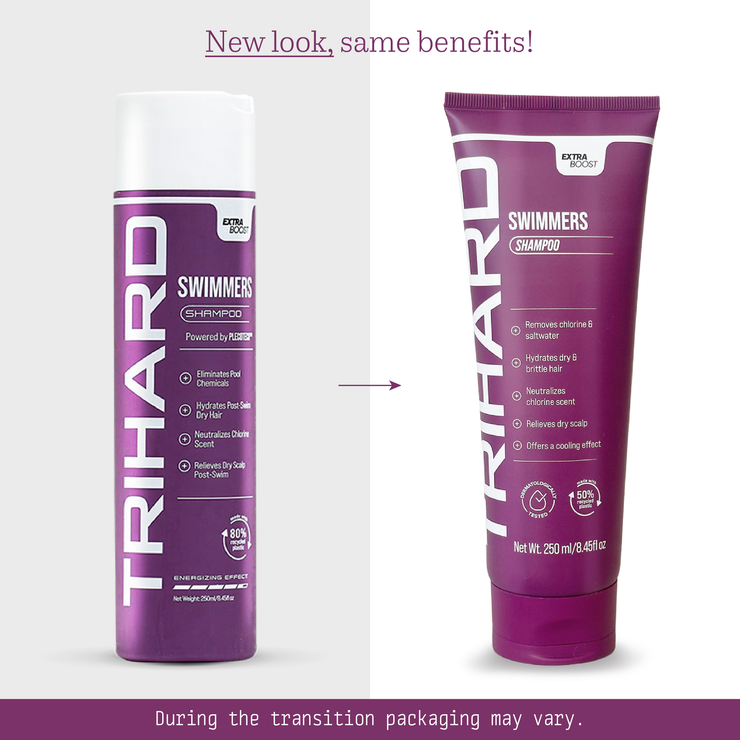
Credit: www.trihard.co
Pre-swim Hair Protection
Protecting your hair before you dive into the pool is crucial to keep it healthy and strong. Chlorine and other pool chemicals can strip moisture and damage your strands quickly. Taking simple, proactive steps can make a big difference in how your hair looks and feels after swimming.
Choosing The Right Swim Cap
Not all swim caps are created equal. Silicone caps offer a snug fit and are gentle on hair, reducing breakage and preventing water from seeping in as much as possible. Latex caps are thinner and cheaper but may cause more hair snagging.
Think about your hair type too. Thick or long hair might need a larger cap or even two caps for full protection. Have you ever tried a cap that felt too tight or slipped off mid-swim? Finding the right fit prevents that hassle and keeps your hair safer.
Applying Leave-in Conditioners
Before putting on your swim cap, apply a leave-in conditioner or a protective oil to your hair. These products act as a barrier against chlorine and salt, locking in moisture. Choose something lightweight so it doesn’t weigh your hair down or make the cap slip.
Focus on the ends and mid-lengths, as these areas dry out faster. You might be surprised how just a small amount can reduce frizz and dryness after swimming. Have you noticed your hair feels rough or brittle post-swim? This step can help prevent that.
Wet Hair Before Swimming
Rinsing your hair with clean water before entering the pool is a simple trick to reduce chlorine absorption. Wet hair soaks up less pool water compared to dry hair, which can act like a sponge. This step prepares your hair to handle the chemicals better.
Try to use cool or lukewarm water to avoid opening your hair cuticles too much. Have you ever jumped into the pool with dry hair and felt it dry out quickly? Wetting your hair first could change that experience for you.
Post-swim Hair Care
Swimming can leave your hair feeling dry, brittle, and damaged if you don’t care for it properly afterward. Chlorine and other pool chemicals strip natural oils, making post-swim hair care essential to restore moisture and protect your strands. Let’s look at some simple yet effective steps to refresh your hair right after you leave the pool.
Rinsing Hair Immediately
Rinse your hair with clean, fresh water as soon as you get out of the pool. This helps wash away chlorine and salt that can cause dryness and breakage. Waiting too long lets these chemicals settle deeper into your hair shaft, making damage worse.
Try to use lukewarm water instead of hot—it’s gentler and won’t strip your hair’s natural oils further. Even if you can’t wash your hair right away, a quick rinse goes a long way in reducing harm.
Using Clarifying Shampoos
After rinsing, use a clarifying shampoo to remove buildup from chlorine, sweat, and styling products. These shampoos are specially formulated to get rid of residues that regular shampoos might miss.
Don’t overuse clarifying shampoos, though. Using them once a week or after heavy swimming sessions is enough to keep your hair clean without drying it out. Have you noticed how your hair feels lighter and less tangled after a good clarifying wash?
Deep Conditioning Treatments
Swimming strips moisture, so replenishing it with a deep conditioning treatment is key. Choose a mask or conditioner rich in hydrating ingredients like coconut oil, shea butter, or keratin.
Apply the treatment generously and leave it on for at least 10-15 minutes before rinsing. This extra step can restore softness and strengthen your hair against future exposure. Have you tried overnight conditioning for an even deeper repair?
Daily Hair Maintenance For Swimmers
Daily hair care is essential for swimmers to keep hair healthy and strong. Chlorine and saltwater can dry out hair quickly. Proper maintenance helps prevent damage and keeps hair soft. Simple daily habits make a big difference in hair health.
Moisturizing Techniques
Hydration is key for swimmer’s hair. Use a leave-in conditioner after every swim. Apply natural oils like coconut or argan oil to lock in moisture. Avoid heavy products that weigh hair down. Focus on mid-lengths and ends where damage is common. Rinse hair with fresh water before and after swimming to reduce chlorine buildup.
Avoiding Heat Styling
Heat styling causes more damage to already dry hair. Skip blow dryers, straighteners, and curling irons whenever possible. Let hair air dry to maintain moisture. If heat is needed, use a heat protectant spray. Limiting heat styling preserves hair’s natural strength and shine.
Regular Trims
Trimming hair every 6 to 8 weeks prevents split ends. Split ends can travel up the hair shaft, causing more damage. Regular trims keep hair looking healthy and fresh. They also help hair grow stronger by removing damaged parts.
Natural Remedies For Damaged Hair
Swimming exposes hair to chlorine and saltwater that can cause dryness and damage. Natural remedies restore moisture and strengthen hair strands. These treatments use simple ingredients found at home. They help repair and protect hair gently and effectively.
Coconut Oil Treatments
Coconut oil deeply nourishes dry, damaged hair. It penetrates the hair shaft to restore lost moisture. Warm a small amount of coconut oil before applying. Massage it into your scalp and hair for best results. Leave it on for at least 30 minutes or overnight for extra care. Rinse thoroughly with a mild shampoo to remove oil residue.
Aloe Vera Benefits
Aloe vera soothes irritated scalp and hydrates hair. It contains enzymes that repair dead skin cells on the scalp. Apply fresh aloe vera gel directly to hair and scalp. Let it sit for 20-30 minutes before washing. Aloe vera adds shine and reduces dryness caused by chlorine exposure.
Honey And Yogurt Masks
Honey and yogurt create a powerful moisturizing mask. Honey is a natural humectant that locks in moisture. Yogurt contains proteins that strengthen hair strands. Mix equal parts honey and yogurt into a smooth paste. Apply the mask evenly from roots to tips. Leave on for 20 minutes, then rinse with lukewarm water. This mask softens hair and improves texture after swimming.

Credit: simplyswimming.net
Choosing Hair Products For Swimmers
Choosing the right hair products is essential for swimmers who want to keep their hair healthy and vibrant despite frequent exposure to chlorinated water. Your hair faces unique challenges like dryness, breakage, and fading color. Selecting products designed specifically for swimmers can make a huge difference in maintaining strength and shine.
Sulfate-free Shampoos
Sulfate-free shampoos clean your hair gently without stripping away natural oils. Unlike regular shampoos, they don’t harshly remove moisture, which is critical after swimming. Have you noticed how some shampoos leave your hair feeling dry and brittle? Switching to sulfate-free can help your hair stay hydrated and soft.
Look for shampoos that mention “chlorine removal” or “swimmer’s formula.” These products work to wash out chlorine residues while keeping your scalp balanced. A personal tip: I started using a sulfate-free shampoo after every swim, and my hair stopped feeling like straw by midday.
Protein-infused Conditioners
Swimming can weaken hair by breaking down its protein structure. Using a protein-infused conditioner helps rebuild and strengthen each strand. If your hair feels weak or breaks easily, this might be the missing step in your routine.
Choose conditioners with ingredients like keratin, silk protein, or hydrolyzed wheat protein. They replenish lost protein and improve elasticity. Applying a rich conditioner immediately after swimming can seal your hair cuticles and lock in moisture.
Uv Protection Sprays
Sun exposure adds another layer of damage to swimmer’s hair. UV rays can fade color and dry out your hair further. Using a UV protection spray creates a shield against harmful sunlight while you’re poolside or at the beach.
These sprays often have lightweight formulas that won’t weigh your hair down. Some even include moisturizing ingredients to combat dryness. Next time you’re packing for swim practice or a beach day, ask yourself: is my hair protected from the sun as much as my skin?
Lifestyle Tips To Support Hair Health
Keeping your hair healthy as a swimmer means more than just rinsing off after a swim. Your daily habits play a big role in how strong and shiny your hair stays. Simple lifestyle changes can make a noticeable difference in protecting your hair from chlorine damage and dryness.
Balanced Diet
Your hair needs the right nutrients to grow strong and resist breakage. Eating foods rich in vitamins like A, C, D, and E supports scalp health and hair strength.
Protein is especially important because hair is made of keratin, a type of protein. Include eggs, fish, nuts, and beans in your meals to feed your hair from the inside out.
Do you find your hair feels weak or dull after swimming? It might be time to adjust what you eat.
Hydration
Drinking enough water keeps your hair hydrated and prevents dryness caused by chlorine exposure. When your body is dehydrated, your scalp produces less natural oil, leading to brittle hair.
Aim to drink at least 8 glasses of water daily, and increase intake on swim days. Herbal teas and water-rich fruits like watermelon also help keep hydration levels up.
Notice how your hair responds to hydration—does it feel softer and more manageable? That’s your body telling you it’s getting what it needs.
Limiting Swim Frequency
Swimming is great exercise, but too much exposure to chlorinated water can wear down your hair’s natural defenses. Giving your hair regular breaks from the pool allows it to recover and rebuild.
Try to space out swim sessions to every other day if possible. On off days, focus on gentle hair care routines that restore moisture.
Ask yourself: Could cutting back on swim days help my hair feel healthier? Sometimes less is more for maintaining strong, vibrant hair.
Frequently Asked Questions
How Can Swimmers Protect Hair From Chlorine Damage?
Swimmers should wet hair with clean water before swimming to reduce chlorine absorption. Using a swim cap also helps protect hair. After swimming, rinse hair immediately with fresh water and use a clarifying shampoo to remove chlorine residues.
What Are The Best Shampoos For Swimmers’ Hair?
Clarifying shampoos specifically designed for swimmers are ideal. They effectively remove chlorine, salt, and mineral build-up. Look for products with moisturizing ingredients to prevent dryness and maintain hair health after frequent pool exposure.
How Often Should Swimmers Condition Their Hair?
Swimmers should condition hair after every swim to restore moisture. A deep conditioning treatment once a week helps repair damage caused by chlorine. Consistent conditioning keeps hair soft, hydrated, and less prone to breakage.
Can Natural Oils Help Swimmer’s Hair Health?
Yes, natural oils like coconut or argan oil nourish and protect hair. Applying oils before swimming creates a barrier against chlorine. Post-swim oil treatments restore moisture and enhance hair shine and strength.
Conclusion
Swimmers need special hair care. Chlorine can damage hair over time. Rinse hair immediately after swimming. Use gentle shampoos designed for swimmers. Condition regularly to maintain moisture. Consider wearing a swimming cap for extra protection. Healthy hair boosts confidence in and out of the pool.
Consistent care leads to stronger, healthier hair. Prioritize your hair routine to enjoy swimming without worry. Remember, a little care goes a long way. Keep your hair vibrant and strong. Swim happy and worry-free.
