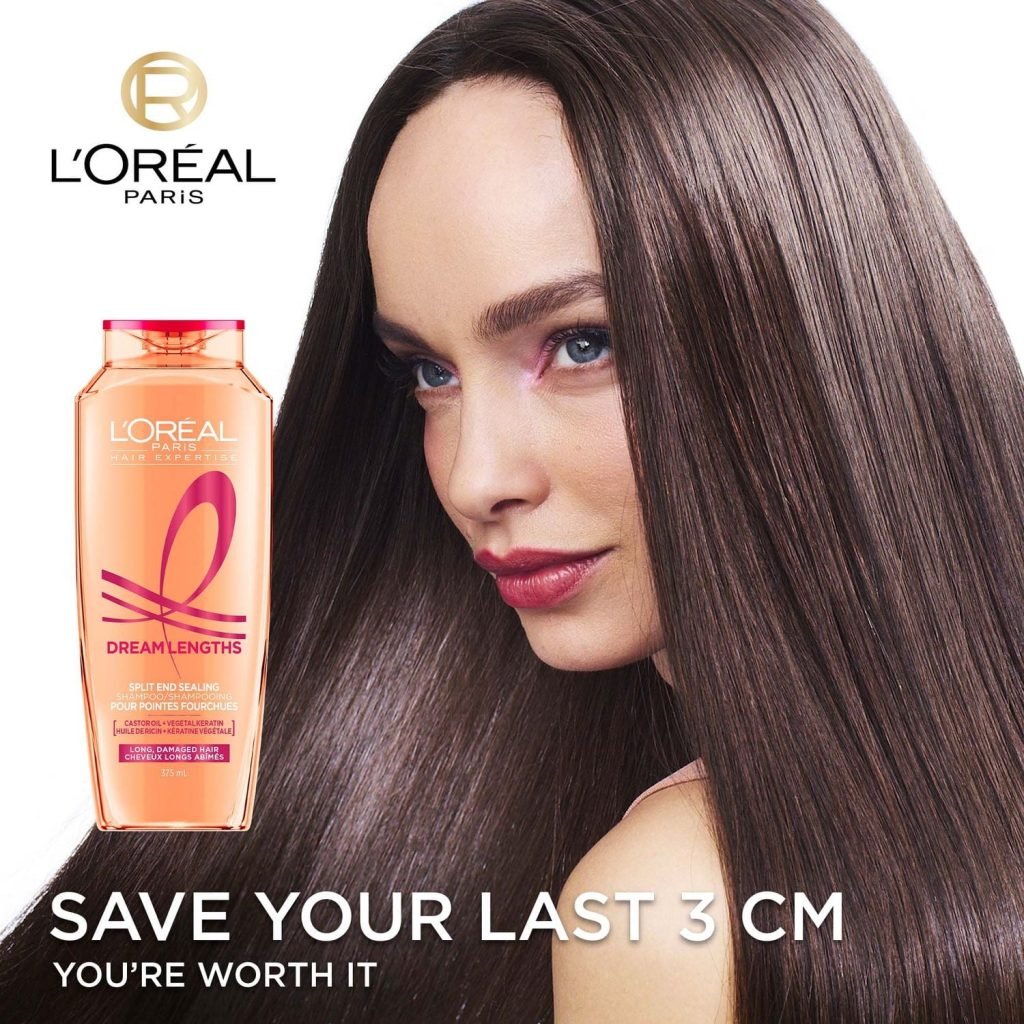
Are split ends ruining the look and feel of your hair? You’re not alone.
Those tiny cracks at the tips can make your hair appear dry, frizzy, and unhealthy. But what if you could stop split ends before they take over? Imagine having smooth, shiny hair that feels soft to the touch every day.
You’ll discover simple, effective ways to care for your hair and keep split ends at bay. Ready to transform your hair routine and bring back that healthy shine? Keep reading—you won’t want to miss these easy tips!
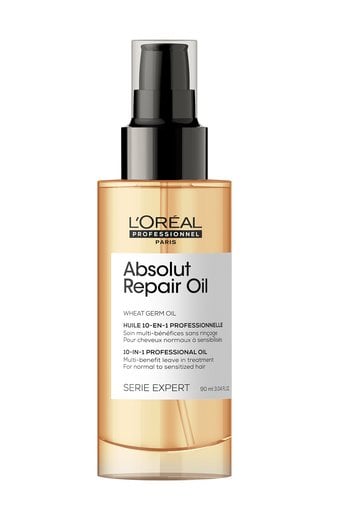
Credit: www.lorealprofessionnel.ca
Causes Of Split Ends
Split ends happen when the protective outer layer of your hair cuticle wears away, causing the strands to split or fray. Understanding what causes this damage is the first step to preventing it. Several common factors contribute to the weakening and splitting of hair tips, and knowing these can help you adjust your hair care routine.
Environmental Damage
Your hair faces constant attack from the environment. Sun exposure, wind, and pollution can strip moisture and natural oils from your hair, leaving it dry and brittle.
Have you noticed your hair feeling rough or looking dull after a day outside? That’s a sign of environmental stress breaking down your hair’s protective layer.
Protect your hair by wearing hats or using leave-in conditioners with UV protection when you’re outdoors for long periods.
Heat Styling Effects
Daily use of flat irons, curling wands, and blow dryers causes direct heat damage. High temperatures weaken the hair shaft and cause cuticle cracks, leading to split ends.
Think about how your hair feels after a styling session—if it’s dry or frizzy, the heat has likely caused harm. Lowering the heat setting and using heat protectants can make a big difference.
Could you try air-drying more often or limiting heat styling to special occasions? Your hair will thank you.
Chemical Treatments
Coloring, bleaching, perming, and relaxing expose your hair to harsh chemicals. These processes strip away natural oils and disrupt the hair’s structure.
If your hair feels weak or breaks easily after a salon visit, chemicals might be the culprit. Regular deep conditioning and spacing out treatments can help your hair recover.
Are you giving your hair enough time to heal between treatments?
Mechanical Stress
Everyday actions like brushing, towel-drying, and using tight hair ties can cause mechanical damage. Rough handling pulls on the hair shaft and leads to split ends.
Have you ever pulled a knot out of your hair and felt it snap? That’s mechanical stress in action. Use wide-tooth combs, gentle drying methods, and loose hairstyles to reduce breakage.
How gentle are you with your hair during your daily routine?

Credit: www.amazon.ca
Signs Of Split Ends
Split ends damage hair and make it look unhealthy. Early signs help stop further damage. Spotting these signs lets you care for hair better and keep it smooth.
Visual Indicators
Split ends show as tiny splits at hair tips. Hair strands may look frayed or uneven. Ends might appear dry or lighter than the rest. Hair may lose shine and look dull.
Texture Changes
Split ends make hair feel rough and coarse. Hair may tangle easily and feel brittle. Smooth strands become uneven and harsh to touch. Damaged areas lose softness and slip.
Hair Breakage Patterns
Hair breaks more often near the ends. You may see small broken pieces on clothes or pillow. Hair may snap when brushed or styled. Breakage usually happens where split ends occur.
Daily Hair Care Habits
Daily hair care habits play a crucial role in preventing and managing split ends. Small changes in how you treat your hair every day can make a big difference in its overall health. Are you ready to transform your routine with simple yet effective habits?
Gentle Washing Techniques
Washing your hair too often or roughly can cause split ends to worsen. Use lukewarm water instead of hot water to avoid stripping your hair’s natural oils. Try to massage your scalp gently with your fingertips rather than scrubbing harshly with your nails.
Choose sulfate-free shampoos that clean without drying out your strands. If your hair feels dry after washing, reduce the frequency or switch to co-washing (using conditioner only). How often you wash depends on your hair type, so listen to what your hair needs.
Proper Conditioning
Conditioning is your best defense against split ends. Apply conditioner mainly on the mid-lengths and ends, where damage is most common. Leave it on for a few minutes to let it penetrate and soften your hair.
Consider deep conditioning treatments once a week to restore moisture and strengthen fragile ends. If you struggle with oily roots, focus heavy conditioners away from your scalp to keep hair balanced. Have you noticed how much smoother your hair feels after a good conditioning session?
Detangling Tips
Wet hair is more prone to breakage, so be extra gentle when detangling. Use a wide-tooth comb or a detangling brush starting from the ends and working your way up slowly. Avoid yanking or pulling harshly, as this causes split ends to multiply.
Try detangling your hair while it’s damp but not dripping wet, and apply a leave-in conditioner or detangler spray for easier combing. Keeping your hair tangle-free reduces the chance of damage—how often do you pause to carefully detangle instead of rushing through it?
Effective Repair Treatments
Split ends need special care to heal and look healthy again. Effective repair treatments focus on restoring moisture and strengthening hair strands. Regular use of these treatments can reduce breakage and improve hair texture. Choose products that deeply nourish and protect your hair from further damage.
Deep Conditioning Masks
Deep conditioning masks add intense moisture to dry, damaged hair. They penetrate the hair shaft to repair and soften split ends. Use a mask once or twice a week for best results. Leave it on for at least 15 minutes before rinsing out. This helps rebuild hair strength and prevents future splits.
Leave-in Conditioners
Leave-in conditioners provide ongoing protection throughout the day. They keep hair hydrated and reduce friction that causes splits. Apply a small amount to damp hair after washing. Focus on the ends where damage is most common. These conditioners also help detangle hair gently without pulling.
Natural Oils
Natural oils like coconut, argan, and jojoba nourish hair deeply. They seal moisture and create a protective barrier around each strand. Warm a few drops and massage them into split ends. Oils reduce frizz and add shine while preventing further breakage. Use oils regularly for softer, healthier hair.
Preventive Measures
Preventing split ends saves hair from damage and keeps it healthy. Small daily habits create strong defenses against breakage. Focus on gentle care and protection to maintain smooth ends. Simple changes protect hair and reduce the need for repairs.
Heat Protection Strategies
Heat causes dryness and weakens hair strands. Use a heat protectant spray before styling tools. Choose lower heat settings on straighteners and curling irons. Limit use of hot tools to avoid excessive damage. Air-dry hair when possible to reduce heat exposure.
Regular Trimming
Trim hair every 6 to 8 weeks to remove split ends. Regular cuts prevent splits from traveling up the hair shaft. Even small trims improve hair appearance and health. Use sharp scissors designed for hair cutting to avoid fraying.
Protective Hairstyles
Choose styles that reduce tension and friction on hair. Braids, buns, and twists keep ends tucked away safely. Avoid tight hairstyles that pull and stress hair roots. Change hairstyles frequently to prevent breakage in the same spots.
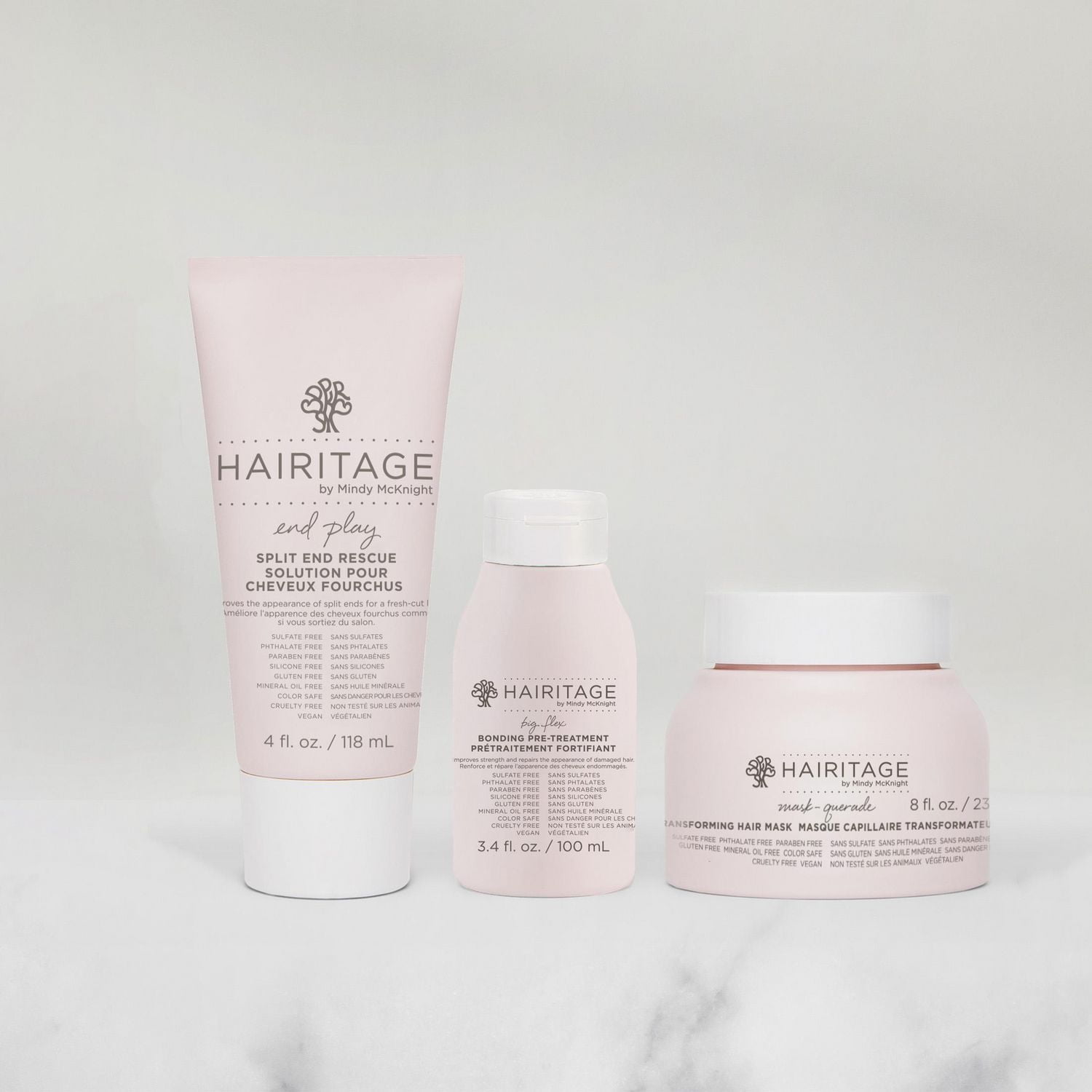
Credit: www.walmart.ca
Lifestyle Factors Influencing Hair Health
Your daily habits play a significant role in the health of your hair, especially when it comes to preventing split ends. Simple lifestyle choices can either strengthen your strands or leave them vulnerable to damage. Understanding these factors helps you take control and keep your hair looking its best.
Balanced Diet
Eating the right foods directly affects the strength and shine of your hair. Proteins like eggs, nuts, and fish provide the building blocks your hair needs to grow and repair itself.
Vitamins such as A, C, and E nourish your scalp and improve hair texture. Have you noticed how your hair feels after a week of healthy meals versus junk food? That difference is real and important.
Hydration
Your hair needs water just like the rest of your body. Drinking enough water keeps your hair hydrated from the inside, reducing dryness and brittleness that cause split ends.
If you struggle to drink water, try setting small goals throughout the day or flavoring it naturally with fruits. How much water do you think your hair needs daily?
Stress Management
Stress impacts hair growth and can increase breakage. When you’re stressed, your body releases hormones that can weaken hair follicles, making split ends more common.
Simple activities like walking, meditation, or even short breathing exercises can lower your stress levels. What small change can you make today to help your hair fight stress?
Choosing The Right Hair Products
Choosing the right hair products plays a crucial role in managing split ends. The right formula can strengthen your hair and prevent damage before it starts. But how do you pick the best products from the countless options on the market?
Ingredients To Look For
Look for products rich in natural oils like argan, coconut, or jojoba. These oils provide deep moisture and help seal the hair cuticle, reducing split ends.
Proteins such as keratin and silk amino acids rebuild damaged strands and improve hair strength. Ingredients like vitamin E and panthenol also nourish your hair and add shine.
Have you noticed how your hair reacts to certain products? Choosing items with these beneficial ingredients can make a visible difference in hair health.
Avoiding Harmful Chemicals
Many hair products contain sulfates, parabens, and alcohols that dry out your hair and worsen split ends. Avoid shampoos and conditioners that list these harsh chemicals near the top of the ingredient list.
Silicones may give a smooth feel but can build up and cause dryness over time. Instead, choose lightweight formulas that hydrate without weighing your hair down.
Ask yourself: Is the product nourishing my hair or just masking the damage? Steering clear of harmful chemicals supports healthier, stronger hair in the long run.
Frequently Asked Questions
What Causes Split Ends And How To Prevent Them?
Split ends occur due to hair damage from heat, chemicals, or dryness. Prevent by regular trims, moisturizing, and avoiding excessive heat styling.
How Often Should I Trim Hair To Avoid Split Ends?
Trim your hair every 6 to 8 weeks to prevent split ends. Regular trims keep hair healthy and reduce breakage.
Which Hair Care Products Help Repair Split Ends?
Use nourishing shampoos, conditioners, and serums with keratin or natural oils. These products strengthen hair and reduce the appearance of split ends.
Can Split Ends Grow Back After Trimming?
Split ends cannot grow back; trimming removes damaged hair tips. Healthy hair grows from the scalp, so trims promote better hair growth.
Conclusion
Taking care of split ends improves hair health. Regular trims prevent split ends. Use nourishing shampoos and conditioners for soft hair. Avoid excessive heat styling to reduce damage. Hair masks and oils can hydrate and protect. Healthy eating supports strong hair growth.
Consistent care leads to shiny, smooth hair. Stick to these tips for better hair. Enjoy the results of well-maintained hair. Remember, small steps make a big difference. Your hair will thank you for it!