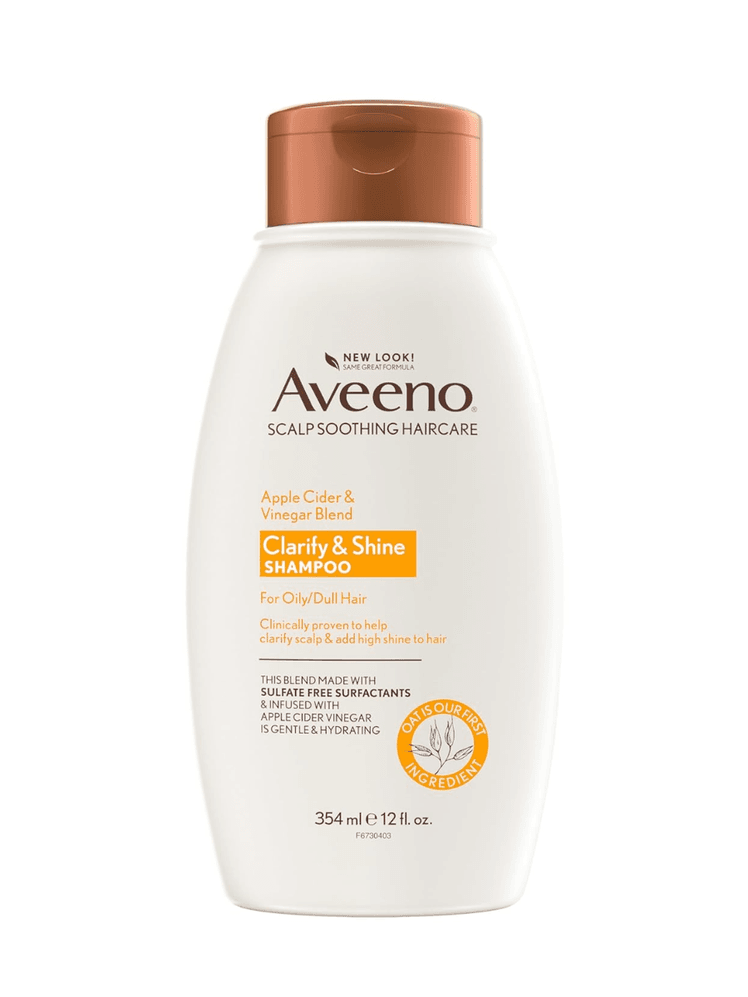
Are you constantly battling an oily scalp, feeling like your hair is always in need of a wash? You’re not alone.
An oily scalp can be frustrating, leaving your hair looking greasy and lifeless. But don’t worry, there are effective solutions that can help you regain control and confidence. We’ll explore simple and practical hair care tips specifically designed for those with an oily scalp.
Discover how you can achieve fresh, clean, and voluminous hair every day. Are you ready to say goodbye to that unwanted shine and hello to healthy-looking hair? Let’s dive in!
Causes Of Oily Scalp
Understanding the causes of an oily scalp is key to managing it effectively. Your scalp produces sebum, a natural oil that keeps hair moisturized, but too much of it can leave your hair looking greasy and feeling heavy. Let’s explore the main reasons behind excess oil production and how they might be affecting your scalp.
Hormonal Changes
Your hormones play a big role in how much oil your scalp produces. During puberty, pregnancy, or periods of high stress, hormone levels fluctuate and can trigger your sebaceous glands to work overtime.
I once noticed my scalp became unusually oily during a stressful work project. It turned out that the hormonal imbalance from stress was the culprit, not my shampoo. Have you noticed your scalp oiliness changing with your mood or life stages?
Diet And Lifestyle
What you eat and how you live affect your scalp’s oil production. Diets high in greasy, fried, or sugary foods can increase oil secretion.
Lack of sleep and insufficient water intake also throw off your body’s balance, which can reflect on your scalp. Try drinking more water and cutting back on junk food to see if your scalp feels less oily.
Hair Care Habits
How you care for your hair can either help control or worsen oiliness. Washing your hair too often can strip natural oils, prompting your scalp to produce even more oil as a defense.
Using heavy conditioners or styling products can clog pores, leading to buildup and greasiness. Have you considered switching to lighter hair products or spacing out washes to give your scalp a break?
Environmental Factors
Your surroundings also impact scalp oiliness. Hot and humid weather often increases sweat and oil production, while pollution can clog your scalp pores.
Living in a city with high pollution? Try rinsing your hair after outdoor activities to remove dirt and oil buildup. What environmental factors seem to affect your scalp the most?

Credit: www.goodhousekeeping.com
Choosing The Right Shampoo
Choosing the right shampoo for an oily scalp can feel like a constant challenge. You want something that cleanses effectively without stripping your hair or causing more oil production. The key is to find a balance that controls oil while keeping your scalp healthy and refreshed.
Clarifying Shampoos
Clarifying shampoos are designed to remove buildup from oils, styling products, and dirt. They give your scalp a fresh start by deeply cleansing without over-drying. However, using them too often can make your scalp react by producing more oil, so limit use to once a week or every two weeks.
Avoiding Heavy Conditioners
If you have an oily scalp, heavy conditioners can weigh your hair down and worsen oiliness. Focus on lightweight, water-based conditioners applied only to the ends of your hair. Skip conditioners with thick creams or oils near your scalp to avoid clogging pores.
Ingredients To Look For
- Tea Tree Oil:Known for its antibacterial properties, it helps reduce scalp oil and irritation.
- Salicylic Acid:Gently exfoliates the scalp to prevent clogged follicles.
- Witch Hazel:Acts as a natural astringent to control oil production.
- Aloe Vera:Soothes the scalp and balances moisture without adding grease.
Ingredients To Avoid
- Sulfates:While effective cleansers, they can strip natural oils and trigger more oil production.
- Silicones:These can build up on the scalp, making it feel heavier and oilier over time.
- Heavy Oils and Butters:Ingredients like coconut oil or shea butter are too rich and can worsen oiliness.
- Alcohols:Some drying alcohols can irritate the scalp and cause rebound oiliness.
Effective Washing Techniques
Keeping an oily scalp fresh and healthy depends heavily on how you wash your hair. Effective washing techniques can control excess oil without stripping your scalp of essential moisture. Let’s dive into some practical steps that can make a real difference in your hair care routine.
Frequency Of Washing
How often you wash your hair directly impacts oil levels on your scalp. Washing too often can trigger your scalp to produce even more oil as it tries to compensate for dryness. On the other hand, washing too infrequently allows oil to build up and clog your hair follicles.
Try washing your hair every other day or every two days. This balance helps keep your scalp clean without causing it to overreact. Notice how your scalp responds and adjust accordingly—everyone’s oil production is different.
Proper Scalp Massage
A gentle scalp massage during washing stimulates blood flow and helps break down oil and dirt. Use your fingertips, not nails, to avoid irritation or damage.
- Apply shampoo evenly across your scalp.
- Massage in small circular motions for about 2-3 minutes.
- Focus on areas where oil tends to build up the most, like the crown and hairline.
I found that a focused scalp massage not only cleans better but also feels relaxing. Have you tried massaging your scalp longer than usual? It might surprise you how much cleaner your scalp feels afterward.
Rinsing Tips
Rinsing your hair properly is just as important as washing. Leaving shampoo residue can worsen oiliness and cause irritation.
- Use lukewarm water to rinse; hot water can stimulate more oil production.
- Spend at least 30 seconds rinsing to remove all shampoo and conditioner.
- Make sure to rinse the scalp thoroughly, not just the hair strands.
Many people rush this step, but taking your time to rinse fully can prevent buildup and keep your scalp balanced. Are you giving your scalp the rinse it deserves?
Conditioning Tips For Oily Scalp
Conditioning an oily scalp might seem tricky since the goal is to nourish your hair without adding extra greasiness. The right conditioner and application technique can balance moisture and keep your scalp feeling fresh. Let’s dive into easy, effective conditioning tips that work well with oily scalps.
Lightweight Conditioners
Choosing a lightweight conditioner is key if you have an oily scalp. Thick, heavy formulas can weigh your hair down and make oil buildup worse. Look for conditioners labeled “oil-free,” “lightweight,” or “volumizing” to keep your hair soft without excess grease.
Ingredients like aloe vera, tea tree oil, and green tea extract help soothe your scalp while controlling oil. Avoid conditioners with heavy silicones or mineral oils that trap dirt and oil. Have you noticed how some conditioners leave your hair feeling fresh for longer? That’s the kind you want.
Applying Conditioner Correctly
How you apply conditioner matters just as much as what you use. Focus on the mid-lengths and ends of your hair instead of the scalp. Applying conditioner directly on the scalp can cause more oil buildup and make your roots look greasy faster.
Use just a small amount—about a quarter-sized dollop—and spread it evenly. After applying, rinse thoroughly with cool water to help close the hair cuticles and reduce oil production. Try this next time you wash your hair and notice the difference in texture and scalp freshness.
Styling Tips To Control Oil
Controlling oil through styling can make a huge difference in how fresh your hair looks throughout the day. The right choices in products and hairstyles help reduce greasy buildup and keep your scalp comfortable. Let’s look at some easy styling tips that actually work to keep oil in check.
Avoiding Heavy Products
Heavy creams, oils, and waxes add extra weight and often clog your scalp’s pores. This can lead to more oil production, making your hair look greasy faster. Instead, choose lightweight, water-based styling products that won’t weigh your hair down or block your scalp’s natural oils.
Have you noticed how some styling gels make your hair oily sooner? That’s a sign to switch to lighter formulas or gels labeled “oil-free.” Keep your product use minimal—sometimes less really is more.
Choosing Breathable Hairstyles
Tight ponytails, buns, or braids can trap heat and sweat on your scalp, encouraging oil buildup. Opt for loose, breathable styles that allow air to circulate, reducing sweat and oiliness. Styles like loose waves or low ponytails help your scalp breathe and stay fresh longer.
If you often wear hats or headbands, try to limit their use since they can block airflow and increase oiliness. Have you tried letting your hair down for a day to see if it feels less greasy?
Using Dry Shampoo
Dry shampoo is a lifesaver for oily scalps. It absorbs excess oil and adds volume without washing your hair every day. Spray it onto your roots, wait a few minutes, then brush through to refresh your style instantly.
Be careful not to overuse dry shampoo, as it can build up and irritate your scalp. Think of it as a quick fix rather than a daily habit. How often do you use dry shampoo before noticing your scalp feels heavy or itchy?

Credit: www.amazon.com
Diet And Hydration Impact
Your diet and hydration play a bigger role in managing an oily scalp than you might think. What you eat directly affects your body’s oil production, including the scalp’s natural oils. Drinking enough water keeps your skin and scalp balanced, preventing excess oil build-up that leads to discomfort and greasy hair.
Foods That Help Balance Oil
Certain foods can help control the oiliness of your scalp by reducing inflammation and regulating oil production. Adding these to your meals can make a noticeable difference:
- Omega-3 rich foods:Salmon, walnuts, and flaxseeds support healthy skin and reduce oiliness.
- Fruits and vegetables:Especially those high in antioxidants like berries, spinach, and carrots help fight inflammation.
- Whole grains:Brown rice and oats stabilize blood sugar, which can affect oil production.
- Probiotics:Yogurt and kefir promote a healthy gut, which is linked to better skin and scalp health.
On the flip side, cutting back on sugary snacks and fried foods can prevent your scalp from producing too much oil. Have you noticed your scalp feeling greasy after eating fast food? That’s your body reacting to those unhealthy fats.
Hydration And Scalp Health
Drinking enough water is just as important as eating right for an oily scalp. Water flushes out toxins and keeps your skin cells hydrated.
When your scalp is well-hydrated, it signals your oil glands to produce less oil. Dehydration can trick your body into making more oil to compensate for dryness.
Try to drink at least 8 glasses of water daily and notice how your scalp responds. Could your greasy hair be linked to how much water you drink each day?
When To See A Specialist
Knowing when to see a specialist for an oily scalp can save you from prolonged discomfort and potential damage. It’s not always easy to tell if your scalp issues need professional attention or just a change in shampoo. Paying close attention to your scalp’s signals will guide you to the right decision.
Signs Of Scalp Conditions
Excess oil alone isn’t always a reason to visit a specialist. But when you notice persistent itching, redness, or flaky patches, it’s time to act. These symptoms might point to underlying conditions like seborrheic dermatitis or scalp psoriasis.
Have you ever scratched your scalp until it started to bleed? That’s a clear red flag. Also, if your hair feels greasy within hours of washing or you develop bumps or sores, don’t ignore these signs. A specialist can diagnose if these are caused by infections or allergies.
Professional Treatments
Specialists offer treatments beyond over-the-counter shampoos. They might recommend medicated shampoos containing ingredients like ketoconazole or salicylic acid to control oil and inflammation. Sometimes, prescription topical steroids or antifungals are necessary to calm the scalp.
In some cases, treatments like light therapy or laser therapy can help reduce scalp inflammation. Specialists can also guide you on lifestyle changes and hair care routines tailored to your scalp’s needs. Have you tried multiple products without success? A professional evaluation could be the missing step to healthier hair.

Credit: www.amazon.com
Frequently Asked Questions
How Often Should I Wash Oily Scalp Hair?
Washing oily scalp hair 2-3 times a week is ideal. Over-washing can cause dryness and stimulate more oil. Use a gentle shampoo designed for oily hair to keep your scalp balanced and fresh.
What Ingredients Help Control Oily Scalp?
Look for shampoos with salicylic acid, tea tree oil, or charcoal. These ingredients effectively reduce oil buildup and unclog pores. Avoid heavy conditioners and products with silicones that can worsen oiliness.
Can Diet Affect Oily Scalp Condition?
Yes, a diet high in greasy and sugary foods can increase oil production. Eating balanced meals with fruits, vegetables, and plenty of water helps regulate scalp oil and promotes healthy hair.
Is It Bad To Skip Conditioner On Oily Scalp?
Skipping conditioner on oily scalp hair can cause dryness and frizz. Use a lightweight, oil-free conditioner only on hair ends to avoid weighing down roots and maintain moisture balance.
Conclusion
Caring for an oily scalp needs patience and good habits. Choose gentle shampoos made for oily hair. Wash your hair regularly, but avoid over-washing. Use light conditioners only on hair ends. Stay away from heavy products that clog pores. Keep your scalp clean to stop oil build-up.
Healthy hair starts with a clean, balanced scalp. Small changes bring big improvements over time. Trust the process and enjoy fresher, lighter hair daily.
