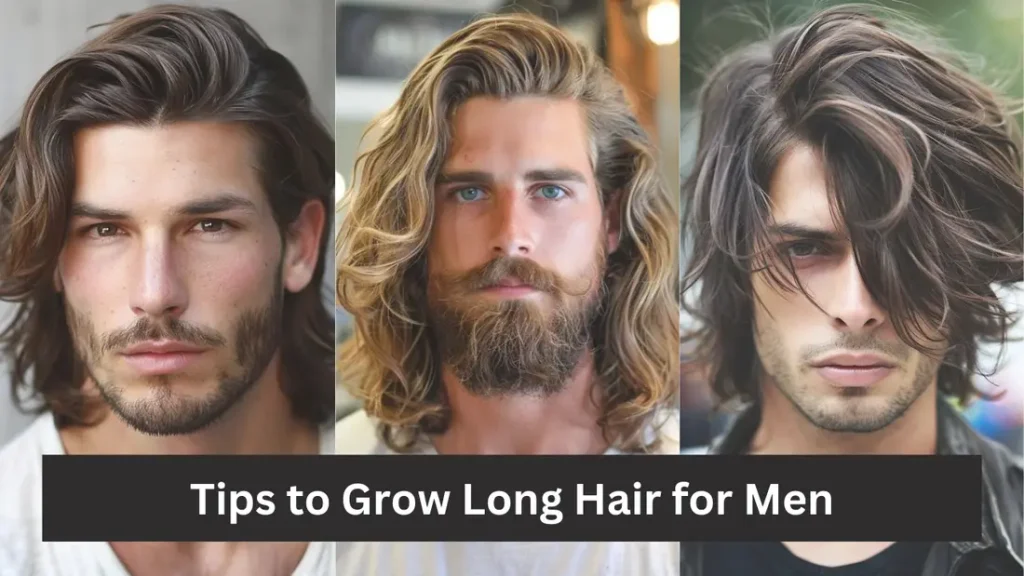
You’ve worked hard to grow your long hair, and now it’s time to give it the care it deserves. But caring for long hair isn’t always easy, especially for men.
If you want your hair to stay strong, healthy, and looking great every day, you need the right routine. You’ll discover simple, effective tips that fit your lifestyle. Ready to unlock the secrets to perfect long hair care? Keep reading—your hair will thank you.
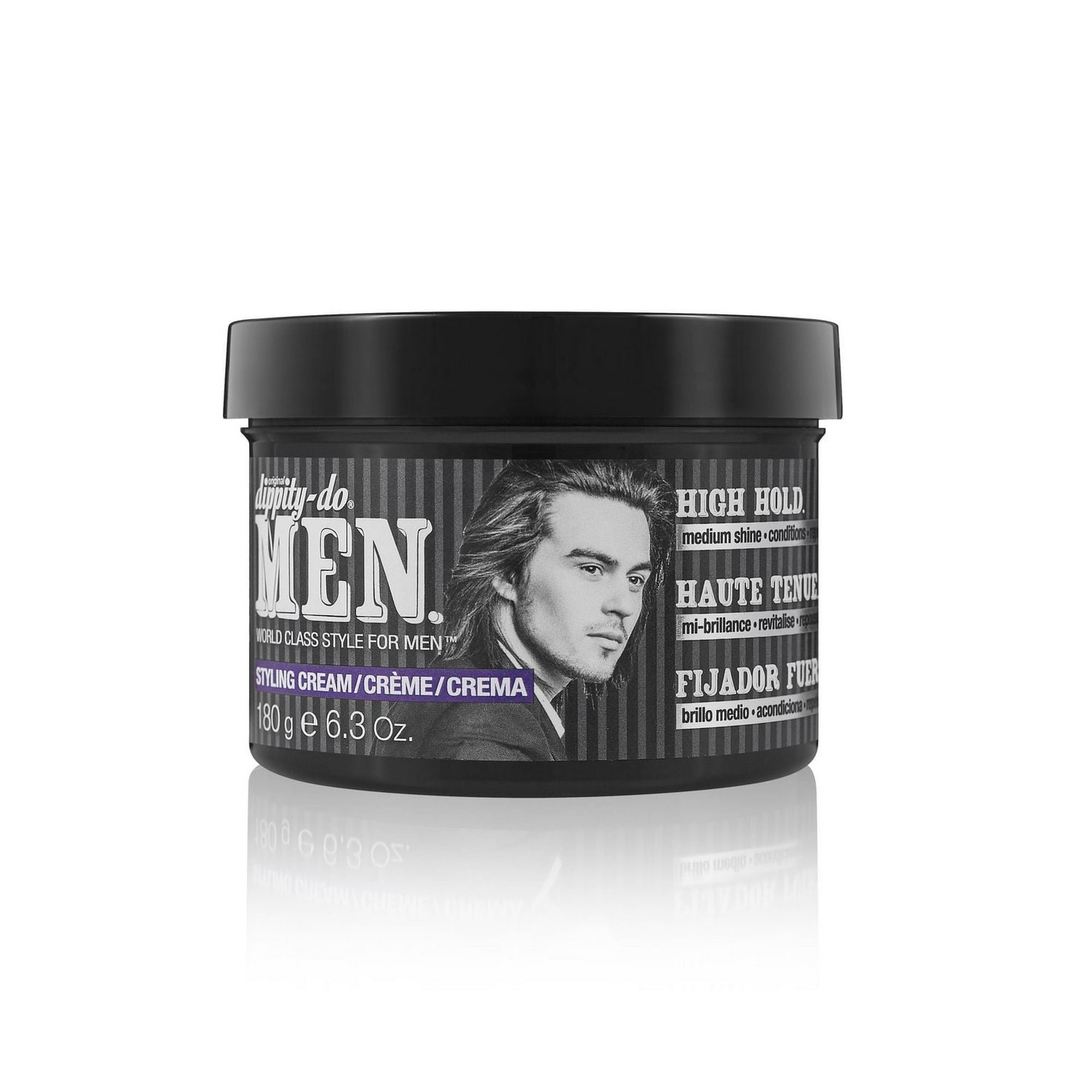
Credit: www.walmart.ca
Choosing The Right Shampoo
Choosing the right shampoo is a key step in maintaining healthy long hair. Your shampoo affects not just cleanliness but also the strength, texture, and shine of your hair. Understanding what to look for can make a big difference in how your hair feels and looks every day.
Sulfate-free Options
Sulfates can strip natural oils from your hair, leaving it dry and brittle—especially if your hair is long. Opt for sulfate-free shampoos to keep your scalp clean without harsh chemicals. Many men find that switching to sulfate-free products reduces irritation and improves hair softness.
Moisturizing Ingredients
Look for shampoos that include ingredients like argan oil, aloe vera, or shea butter. These help lock in moisture and prevent dryness, which is crucial for long hair. Have you noticed your hair feeling rough or frizzy? A shampoo with moisturizing agents might be the fix you need.
Frequency Of Washing
Washing your hair too often can wash away natural oils, but not washing enough can lead to buildup and scalp issues. Most men with long hair find washing 2-3 times a week works best. Pay attention to how your scalp feels—if it’s itchy or oily, it might be time to adjust your routine.

Credit: theorganibrands.com
Conditioning Techniques
Conditioning is a crucial part of caring for long hair, especially for men who want to keep their locks healthy and manageable. It goes beyond just softening your hair; proper conditioning can repair damage, reduce tangles, and improve overall texture. Understanding different conditioning techniques can make a noticeable difference in how your hair feels and looks every day.
Deep Conditioning Benefits
Deep conditioning is like a power boost for your hair. It nourishes your strands much deeper than regular conditioners, helping to fix dryness and split ends.
You might notice your hair feels stronger and more elastic after a deep conditioning treatment. This means less breakage when you comb or style your hair.
Try deep conditioning once a week or every two weeks if your hair is very dry or damaged. It’s a simple way to maintain long hair without spending hours on it.
Leave-in Conditioners
Leave-in conditioners provide continuous moisture throughout the day. They are lightweight and won’t weigh your hair down, which is perfect if you have fine or thin long hair.
Using a leave-in conditioner can help detangle your hair after washing, making it easier to style. It also protects your hair from environmental damage like sun exposure or pollution.
Choose a leave-in product that suits your hair type—some are designed for curly hair, others for straight or wavy. Experiment with small amounts to find the right balance for your hair.
Applying Conditioner Properly
Applying conditioner correctly can change everything about how your hair feels. Focus on the mid-lengths and ends where hair tends to be driest and most damaged.
Avoid putting conditioner directly on your scalp unless it’s specifically made for scalp care. This can cause your hair to get greasy faster.
After applying, gently comb through your hair with your fingers or a wide-tooth comb to spread the conditioner evenly. Rinse with cool water to close the hair cuticles and lock in moisture.
Daily Hair Care Habits
Daily hair care habits play a crucial role in maintaining the health and appearance of long hair. Small, consistent actions can prevent damage and keep your hair looking its best. What you do every day can either strengthen your hair or contribute to breakage and dryness.
Gentle Brushing Methods
Brushing your long hair gently reduces breakage and tangles. Use a wide-tooth comb or a brush with soft bristles to start detangling from the ends, moving upward slowly.
Avoid pulling or yanking on knots; patience is key. Have you noticed how aggressive brushing leaves your hair frizzy? Switching to gentle methods can make a big difference.
Avoiding Heat Damage
Heat styling tools can easily dry out and damage long hair. Limit the use of blow dryers, straighteners, and curling irons, or use them on the lowest heat setting.
Always apply a heat protectant spray before styling to shield your hair. Have you tried air-drying your hair part of the time? It can save your strands from unnecessary stress.
Protecting Hair While Sleeping
Sleeping can cause friction that leads to tangles and split ends. Use a satin or silk pillowcase to reduce friction and keep your hair smooth.
Tying your hair loosely in a braid or bun at night helps prevent tangles. Do you wake up with messy knots? This simple step can save you time and hair damage in the morning.
Styling Tips For Long Hair
Styling long hair can be fun and expressive. It allows men to explore many looks that suit their personality. Proper styling keeps hair healthy and attractive. Follow these tips for easy and effective long hair styling.
Choosing Suitable Hairstyles
Select hairstyles that match your face shape and lifestyle. Popular options include man buns, ponytails, and loose waves. Avoid styles that pull hair too tight. Change your hairstyle to prevent hair stress. Regular trims help maintain shape and remove split ends.
Using Minimal Styling Products
Use light products to avoid weighing hair down. Choose natural oils or leave-in conditioners for shine and softness. Avoid heavy gels or waxes that can cause buildup. Apply products sparingly, focusing on the ends. Let hair air dry to reduce heat damage.
Preventing Hair Breakage
Handle hair gently to avoid breakage. Use wide-tooth combs or fingers to detangle. Avoid brushing wet hair as it is fragile. Sleep on soft pillowcases to reduce friction. Keep hair moisturized with regular conditioning. Trim broken or split ends promptly.
Diet And Supplements For Hair Health
Your hair health starts from within. What you eat and the supplements you take can make a noticeable difference in the strength, shine, and growth of your long hair. Paying attention to your diet and hydration can prevent breakage and keep your locks looking vibrant.
Key Nutrients For Strong Hair
Your hair needs specific nutrients to stay strong and healthy. Protein is essential since hair is made of keratin, a type of protein. Without enough protein, your hair can become weak and brittle.
Iron supports blood flow to your scalp, which helps hair follicles get the oxygen and nutrients they need. Lack of iron often leads to hair thinning. Vitamins like A, C, D, and E also play important roles by supporting scalp health and promoting hair growth.
- Biotin:Helps produce keratin and improves hair elasticity.
- Zinc:Assists in repairing hair tissue and maintaining oil glands.
- Omega-3 Fatty Acids:Nourish hair follicles and add shine.
Hydration And Hair Growth
Water makes up a large part of your hair structure. Staying hydrated ensures your hair stays flexible and less prone to breakage. Dry hair often feels rough and can split easily.
Drinking enough water also helps flush out toxins from your body, which can improve scalp health. Have you noticed how your hair feels after a few days of drinking less water? That’s a clear sign hydration matters.
Popular Hair Supplements
If your diet lacks some of these nutrients, supplements can fill the gap. Biotin supplements are widely used and often recommended for strengthening hair. However, it’s important to choose quality brands to avoid ineffective products.
Other popular options include collagen peptides, which support hair and skin, and multivitamins that cover a broad range of nutrients. Before starting any supplement, consider getting a blood test to see what your body actually needs.
- Biotin:Boosts hair growth and reduces hair fall.
- Collagen:Supports hair structure and scalp health.
- Multivitamins:Cover multiple nutrient bases in one pill.
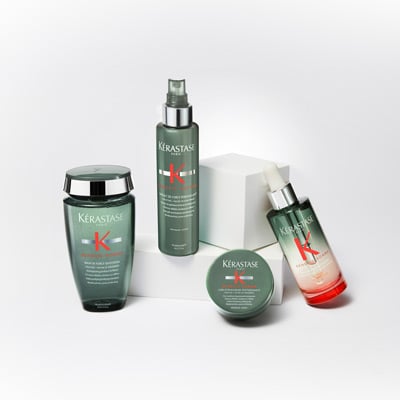
Credit: www.kerastase.ca
Managing Common Hair Issues
Managing common hair issues is important for men with long hair. Problems like dandruff, oiliness, and split ends can cause discomfort and damage. Addressing these issues keeps hair healthy and looking good. Simple care routines help maintain long hair’s strength and shine. Understanding how to handle each problem is key to better hair health.
Dealing With Dandruff
Dandruff causes flakes and itching on the scalp. Use a mild anti-dandruff shampoo regularly. Avoid harsh products that dry out the scalp. Gently massage the scalp to improve blood flow. Rinse hair well to remove shampoo residue. Keep the scalp clean to reduce flakes and itching.
Controlling Oiliness
Oily hair feels greasy and looks flat. Wash hair with a shampoo designed for oily scalp. Avoid over-washing, as it can increase oil production. Use lukewarm water to wash hair. Avoid heavy conditioners on the scalp. Dry hair properly after washing to prevent oil buildup.
Handling Split Ends
Split ends make hair look damaged and unhealthy. Trim hair regularly to remove split ends. Use a nourishing conditioner to keep hair smooth. Avoid excessive heat styling and harsh chemicals. Protect hair from sun and pollution with a hat or scarf. Apply hair oil to keep ends hydrated and strong.
Professional Care And Trimming
Professional care and trimming keep long hair healthy and neat. Regular visits to a barber prevent split ends and damage. Skilled barbers shape your hair to suit your style. They also offer advice on maintaining hair strength and shine.
When To Visit A Barber
Visit a barber every 6 to 8 weeks to maintain your hair. Signs you need a trim include split ends, frizz, and uneven length. A professional trim helps your hair grow strong and look fresh.
Benefits Of Regular Trims
- Stops split ends from traveling up the hair shaft
- Keeps hair looking full and healthy
- Enhances natural hair shape and style
- Reduces hair breakage and damage
- Improves hair manageability and softness
Finding A Hair Care Specialist
Choose a barber or stylist experienced with long hair. Check reviews and ask for recommendations. A good specialist understands hair texture and cutting techniques. They can guide you on proper hair care routines.
Frequently Asked Questions
How Often Should Men With Long Hair Wash It?
Men with long hair should wash their hair 2-3 times a week. Overwashing can strip natural oils, causing dryness. Use a mild shampoo and conditioner to maintain moisture and scalp health.
What Are The Best Products For Long Men’s Hair?
Use sulfate-free shampoos and nourishing conditioners designed for long hair. Leave-in conditioners and hair oils help reduce frizz and add shine. Avoid heavy products that weigh hair down or cause buildup.
How Can Men Prevent Hair Breakage And Split Ends?
Regular trims every 6-8 weeks prevent split ends. Use a wide-tooth comb to detangle wet hair gently. Avoid excessive heat styling and harsh chemical treatments to minimize breakage.
What Daily Care Tips Suit Long Men’s Hair?
Brush hair daily to distribute oils evenly. Avoid tight hairstyles that stress hair roots. Protect hair from sun exposure by wearing hats or using UV sprays.
Conclusion
Caring for long hair requires a simple routine. Consistent washing keeps it clean. Choose a gentle shampoo for healthy strands. Conditioner helps with tangles. Regular trims prevent split ends. Healthy eating supports strong hair growth. Use a wide-tooth comb to reduce breakage.
Avoid heat styling tools to protect hair. Let your hair air dry when possible. Patience and care make long hair shine. Embrace your hair journey with confidence. Healthy habits lead to strong, long hair. Enjoy your unique style and keep it manageable.
