Do you ever feel like no matter how much conditioner you use, your hair just won’t soak it up? You’re not alone.
If your hair products often seem to sit on top of your strands rather than penetrate them, you might have low porosity hair. But don’t worry—caring for low porosity hair doesn’t have to be a mystery. By understanding its unique needs, you can unlock the secrets to healthy, vibrant hair.
Imagine running your fingers through soft, luscious locks that gleam with health. Sounds too good to be true? It’s not. Dive into the full guide, and discover how simple changes to your hair care routine can make a world of difference. Your hair’s true potential is waiting to be revealed.
Characteristics Of Low Porosity Hair
Low porosity hair has a unique structure that affects how it absorbs and retains moisture. Understanding its characteristics helps in choosing the right hair care routine. This type of hair requires special attention to keep it healthy and hydrated.
How Cuticles Affect Moisture
Low porosity hair has tightly packed cuticles that lie flat against the hair shaft. These cuticles create a strong barrier that prevents water and oils from penetrating easily. As a result, moisture struggles to enter the hair strands.
The flat cuticles also make it harder for products to absorb. Moisturizers often sit on the hair surface instead of nourishing the inside. This can lead to buildup and a greasy feeling without real hydration.
Common Traits And Challenges
- Hair feels stiff or dry even after applying conditioner
- Water beads on the hair surface instead of soaking in
- Slow drying time due to water repelling cuticles
- Prone to product buildup because of difficulty absorbing oils
- Natural shine but may look dull if not cared for properly
- Resistance to chemical treatments and coloring
These traits make low porosity hair tricky to manage. Choosing lightweight products and using heat can help open cuticles for better moisture absorption.
Moisture Barriers In Low Porosity Hair
Moisture barriers in low porosity hair create unique challenges. This hair type has tightly packed cuticles that lie flat. These cuticles block water and oils from easily entering the hair shaft. This makes it hard for moisture to reach deep within the strands.
Understanding these barriers helps in choosing the right hair care routine. It also explains why some products don’t work as expected. Low porosity hair needs special care to overcome these natural obstacles.
Why Moisture Struggles To Penetrate
Low porosity hair has a compact outer layer. The cuticles overlap closely, forming a strong shield. This shield protects the hair but stops water and treatments from soaking in. Moisture tends to sit on the hair surface instead of absorbing.
Heat can help open the cuticles slightly for better absorption. Cold water or heavy oils may cause product buildup. This buildup makes it even harder for moisture to enter. Choosing light, water-based products improves hydration.
Signs Of Dryness Despite Hydration
Low porosity hair may feel dry even after moisturizing. The hair looks dull and feels brittle. It may resist styling and break easily. These signs show the moisture is not penetrating deep enough.
Sticky or greasy feeling on the scalp can also appear. This happens when moisture stays trapped on the surface. Scalp irritation or flaking might occur from product buildup. Regular gentle cleansing helps remove barriers and refresh the hair.
Effective Cleansing Techniques
Effective cleansing is key for low porosity hair to stay healthy and hydrated. This hair type has tightly closed cuticles that resist moisture and product absorption. Proper cleansing removes dirt and buildup without stripping natural oils.
Cleaning low porosity hair gently supports its natural shine and softness. The right shampoo and avoiding buildup are essential to keep hair balanced and manageable.
Choosing The Right Shampoo
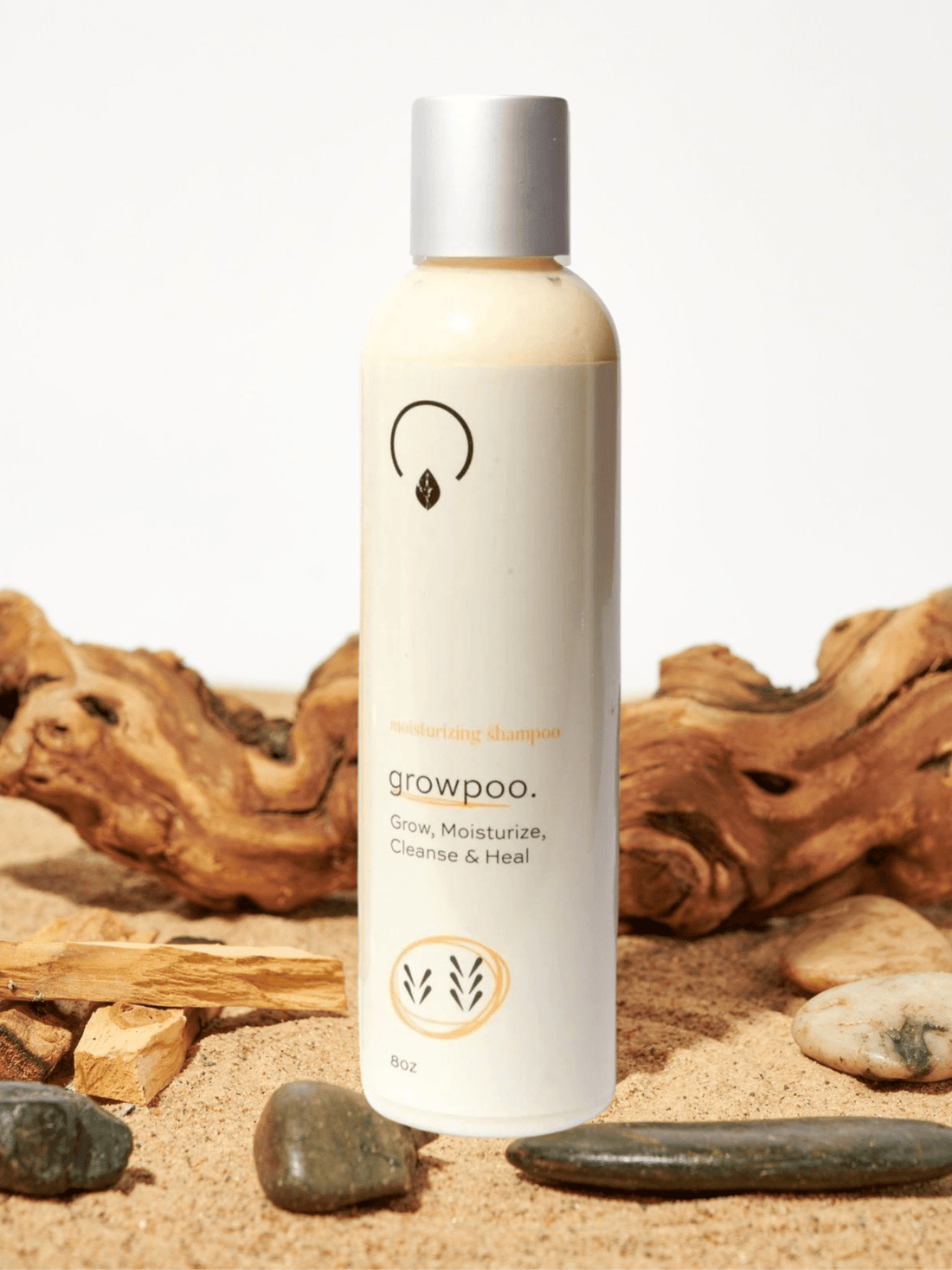
Select shampoos formulated for low porosity hair or gentle cleansing. Look for lightweight, sulfate-free shampoos that do not weigh hair down. Ingredients like tea tree oil, peppermint, or apple cider vinegar help clarify without dryness.
Clarifying shampoos work well but use them sparingly to avoid over-drying. A mild shampoo with moisturizing properties supports softness and scalp health. Avoid heavy, creamy shampoos that can cause buildup.
Avoiding Product Buildup
Low porosity hair easily traps oils and styling products. Buildup blocks moisture absorption and causes dullness. Use lightweight products and apply small amounts to prevent buildup.
Rinse hair thoroughly during washing to remove all residues. Incorporate occasional clarifying treatments to keep hair clean. Avoid layering too many products without cleansing in between.
Regular scalp massages also help remove excess oils and improve circulation. Clean scalp promotes healthy hair growth and better product absorption.
Credit: theorganibrands.com
Hydration Strategies That Work
Hydrating low porosity hair can be tricky because the hair cuticles lie flat and tightly packed, making it hard for moisture to enter. You might have noticed your hair feels dry even after applying lots of products. The key is to use smart hydration strategies that actually help water penetrate and stay locked in your strands.
Best Water-based Products
Start with water-based moisturizers and leave-in conditioners that contain light humectants like glycerin or aloe vera. These ingredients attract moisture without weighing your hair down or causing buildup.
Avoid heavy creams or oils as your first step. Instead, look for products labeled “water-based” or check the ingredients list where water (aqua) is the first or second item.
- Lightweight leave-in sprays
- Aloe vera gel
- Water-based moisturizing mists
Have you ever tried applying a thick cream and felt like your hair just repelled it? That’s because low porosity hair needs lighter products to allow moisture to slip inside.
Prepping Hair For Moisture Absorption
Before applying any product, warming your hair slightly can open the cuticles. You can do this by wrapping your hair in a warm towel or using a steamer for 10-15 minutes.
This simple step makes a big difference in how well your hair absorbs moisture. After warming, apply your water-based product on damp hair for better penetration.
Also, gently detangle with your fingers or a wide-tooth comb while the hair is still damp. This helps distribute moisture evenly without causing breakage.
Have you noticed your hair feels softer after a warm shower but then dries out quickly? That’s because the warmth helps absorption but locking in that moisture needs the right routine.
Sealing In Moisture Properly
Sealing moisture is key for low porosity hair to stay hydrated and healthy. This hair type resists water absorption, so locking in moisture is crucial. Proper sealing prevents dryness and breakage. Use the right products and techniques to keep moisture inside the hair strands.
Selecting Suitable Oils And Butters
Choose lightweight oils that do not sit heavily on the hair. Good options include jojoba oil, grapeseed oil, and argan oil. These oils absorb easily and do not clog the hair cuticle.
Natural butters like shea butter and mango butter work well for thicker, coarser hair. They provide a protective layer without weighing hair down. Avoid heavy petroleum-based products that block moisture.
Test small amounts to see how your hair reacts. Every head of hair is different.
When And How To Apply Sealants
Apply sealants right after moisturizing your hair. Lock moisture in while hair is still damp. This helps oils and butters trap water inside the strands.
Use your fingertips to gently smooth sealants over hair. Focus on the ends, where dryness often starts. Avoid heavy buildup at the roots to prevent greasiness.
Seal your hair daily or as needed. Consistency keeps moisture balanced and hair soft.
Heat And Its Role In Hair Care
Heat plays a unique role in caring for low porosity hair. Because this hair type resists moisture, applying gentle heat can help open the hair cuticles, allowing treatments and conditioners to penetrate better. However, using too much heat or the wrong kind can cause damage, so it’s important to find the right balance.
Using Steam And Warm Water
Steam is a gentle way to introduce heat without drying out your hair. It softens the cuticles, making it easier for moisture to get inside. You can use a steamer or even sit in a warm, steamy bathroom while applying your conditioner for about 10-15 minutes.
Warm water also helps when washing your hair or rinsing out products. It relaxes the hair shaft just enough to open up the cuticles but doesn’t strip away natural oils like hot water can. Have you noticed how your hair feels silkier after a warm rinse?
Safe Heat Application Tips
- Keep temperatures low:Use heat settings below 300°F (150°C) on tools like blow dryers or flat irons.
- Limit frequency:Avoid daily heat styling; give your hair breaks to recover and maintain health.
- Use heat protectants:Always apply a protective product before any heat to shield your strands from damage.
- Combine with moisture:After heat treatments, seal in hydration with oils or leave-in conditioners to lock moisture inside.
Have you experimented with steam or warm water in your routine? You might find these gentle heat methods transform how your low porosity hair absorbs moisture, making your hair care more effective and enjoyable.
Styling Tips For Low Porosity Hair
Styling low porosity hair can feel like a puzzle. Your hair resists moisture and heavy products, making some styles hard to achieve or maintain. But with the right approach, you can enhance your hair’s natural beauty while keeping it healthy and hydrated.
Avoiding Heavy Products
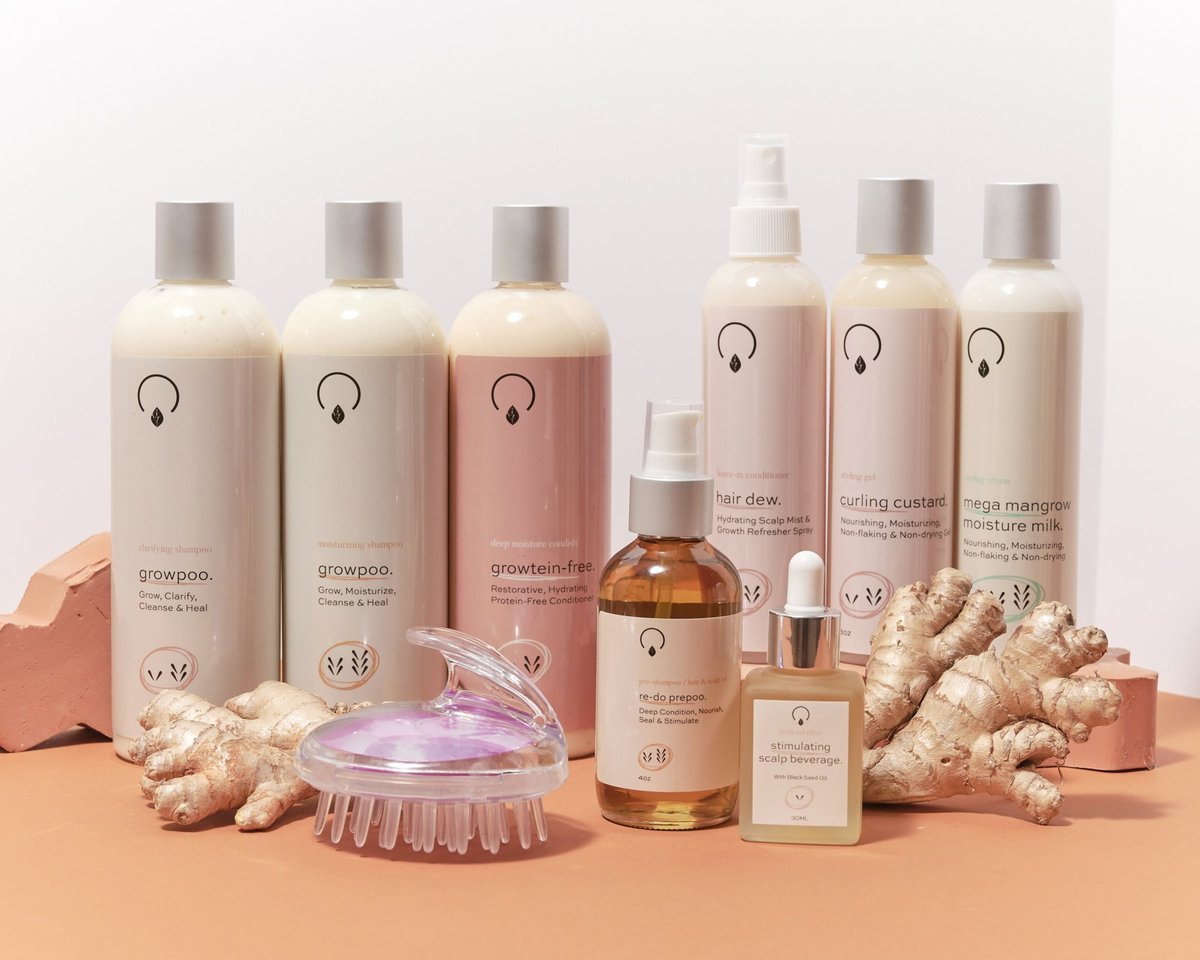
Heavy creams and oils often sit on low porosity hair instead of absorbing. This leads to buildup and dullness, which can weigh your hair down. Choose lightweight leave-in conditioners and water-based products instead.
Look for ingredients like aloe vera, glycerin, and light oils such as argan or jojoba. These penetrate without clogging your strands. Ask yourself, does this product feel light and easy to wash out? If not, it’s probably too heavy.
Protective Styles To Retain Moisture
Protective styles help lock in moisture and reduce damage from daily manipulation. Styles like braids, twists, or buns shield your ends and prevent moisture loss.
Try not to make these styles too tight; tension can cause breakage. Sleeping with a satin scarf or bonnet also preserves your style and keeps moisture sealed in. How often do you switch up your protective styles to keep your scalp healthy?

Credit: theorganibrands.com
Common Mistakes To Avoid
Taking care of low porosity hair requires a delicate balance. Many people unknowingly make mistakes that block moisture and weigh down their hair. Recognizing what to avoid can make a huge difference in how your hair looks and feels.
Overloading With Products
It’s tempting to use multiple products to fix low porosity hair, but piling on too many can backfire. Your hair’s tightly closed cuticles struggle to absorb heavy creams and oils, causing buildup instead of hydration.
Have you ever noticed your hair feeling greasy but still dry inside? That’s a sign of product overload. Stick to lightweight, water-based products and apply them sparingly. Sometimes less is more.
Skipping Regular Clarifying
Low porosity hair is prone to product buildup because the cuticles don’t open easily. If you skip clarifying shampoos, residues will block moisture and nutrients from penetrating your strands.
Think about how your hair looks after weeks without a deep cleanse—it often feels dull and weighed down. Using a gentle clarifying shampoo every 1-2 weeks helps reset your hair, allowing treatments to work better.
Are you giving your hair a fresh start often enough? Avoid skipping this step to maintain healthy, bouncy hair.
Credit: theorganibrands.com
Frequently Asked Questions
What Is Low Porosity Hair And Its Characteristics?
Low porosity hair has a tightly bound cuticle layer. It resists moisture absorption, feels smooth, and often takes longer to dry. This hair type benefits from lightweight products and gentle heat to open the cuticles for better hydration.
How To Moisturize Low Porosity Hair Effectively?
Use water-based, lightweight moisturizers and avoid heavy oils. Apply heat with a warm towel or steamer to open cuticles. Regular deep conditioning with gentle, hydrating masks improves moisture retention and overall hair health.
Which Ingredients Are Best For Low Porosity Hair?
Look for humectants like glycerin and aloe vera. Lightweight oils such as argan or jojoba penetrate better. Avoid heavy butters and oils that can sit on the hair, causing buildup and weighing it down.
How Often Should I Wash Low Porosity Hair?
Wash low porosity hair every 7 to 10 days. Over-washing can strip natural oils and cause dryness. Use sulfate-free shampoos to gently cleanse without disrupting the hair’s natural moisture balance.
Conclusion
Caring for low porosity hair takes patience and gentle care. Choose light products that help moisture absorb easily. Use warm water to open hair cuticles before washing. Avoid heavy oils that can weigh hair down. Regular deep conditioning keeps hair soft and healthy.
Remember, small changes make a big difference over time. Treat your hair kindly and enjoy natural shine and strength. Consistency is key to healthy, happy low porosity hair. Keep learning what works best for your unique hair type.