If you’ve ever stepped out of the shower only to find your hair feeling rough, dry, or lifeless, hard water might be the culprit. Hard water, filled with minerals like calcium and magnesium, can wreak havoc on your hair.
It strips away natural oils, leaves behind a stubborn residue, and can even fade your hair color. But don’t worry—you’re not alone in this struggle, and you’re not powerless either. Understanding how hard water affects your hair is the first step to restoring its natural shine and vitality.
Stick around, and you’ll discover simple, effective solutions that can make a world of difference for your locks. Whether you’re dealing with frizz, dullness, or breakage, this guide has got you covered, promising to unlock the secrets to lush, healthy hair despite the challenges of hard water.
Credit: www.dermstore.com
Effects Of Hard Water On Hair
Hard water can silently sabotage your hair’s health. If you’ve noticed your hair feeling different after washing, hard water might be the culprit. Understanding how hard water affects your hair is the first step to protecting it.
Mineral Buildup And Hair Damage
Hard water contains minerals like calcium and magnesium. These minerals stick to your hair and scalp, creating a layer of buildup over time. This buildup can make your hair look dull and feel heavy.
Have you ever struggled to get your shampoo to lather properly? That’s often a sign of mineral buildup. This layer also weakens hair strands, making them more prone to breakage and split ends.
Dryness And Brittleness
Hard water strips away the natural oils that keep your hair moisturized. Without these oils, your hair becomes dry and brittle, breaking more easily when you brush or style it. You might notice your hair feels rough or coarse to the touch.
Does your hair snap off when you comb it wet? That could be dryness caused by hard water. Keeping your hair hydrated becomes a challenge, as the minerals prevent moisture from penetrating the hair shaft effectively.
Fading Hair Color
If you color your hair, hard water can be especially damaging. The minerals in hard water can cause your dye to fade faster, leaving your color looking dull and washed out. This means more frequent coloring sessions, which may damage your hair even further.
Have you noticed your vibrant hair color fading after just a few washes? Hard water might be accelerating that process. Protecting your color means addressing the mineral content in your water or using specialized products to shield your hair.
Identifying Hard Water Hair Issues
Hard water affects hair in many subtle ways. It leaves minerals that change how hair feels and looks. Recognizing these changes helps protect hair from damage. Watch for signs that reveal hard water’s impact. Early detection means better hair care choices.
Changes In Hair Texture
Hair feels rough or coarse instead of smooth. It may become stiff and hard to style. Soft curls can turn frizzy or lose bounce. Hair breaks more easily and looks uneven. These texture shifts often signal hard water effects.
Scalp Irritation Signs
The scalp may itch or feel dry and tight. Small flakes or dandruff can appear more often. Redness or bumps might develop without other causes. These symptoms show the scalp is stressed. Hard water minerals can cause this irritation.
Dullness And Lack Of Shine
Hair loses its natural glow and looks lifeless. Light does not reflect well on dull strands. Hair may appear dirty even after washing. This lack of shine is a common hard water sign. Minerals build up on hair, blocking its brightness.
Choosing The Right Hair Products
Choosing the right hair products is key to managing the effects of hard water on your hair. Hard water contains minerals like calcium and magnesium that can build up on your scalp and strands, causing dryness, dullness, and even breakage. Using products designed to tackle these issues helps you restore shine and maintain healthy hair.
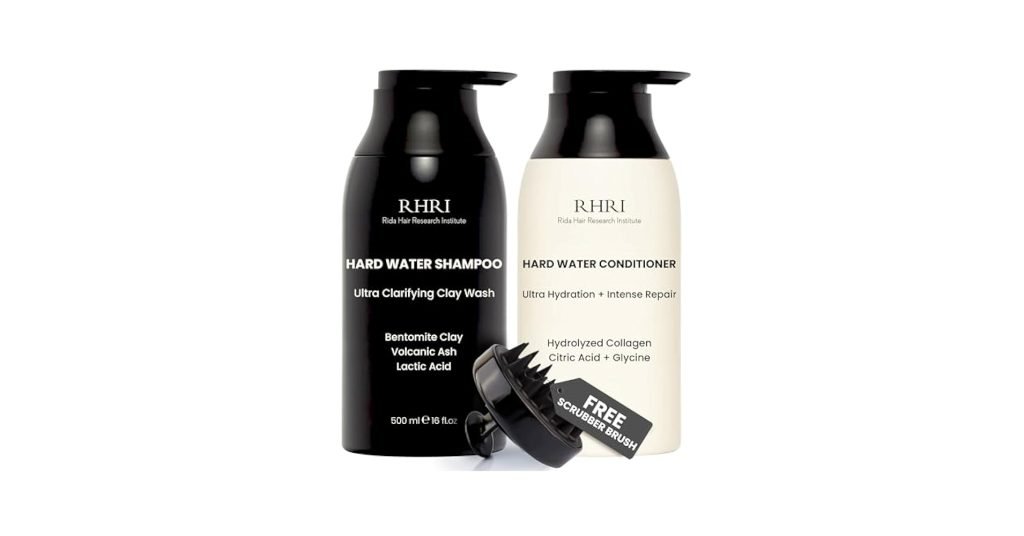
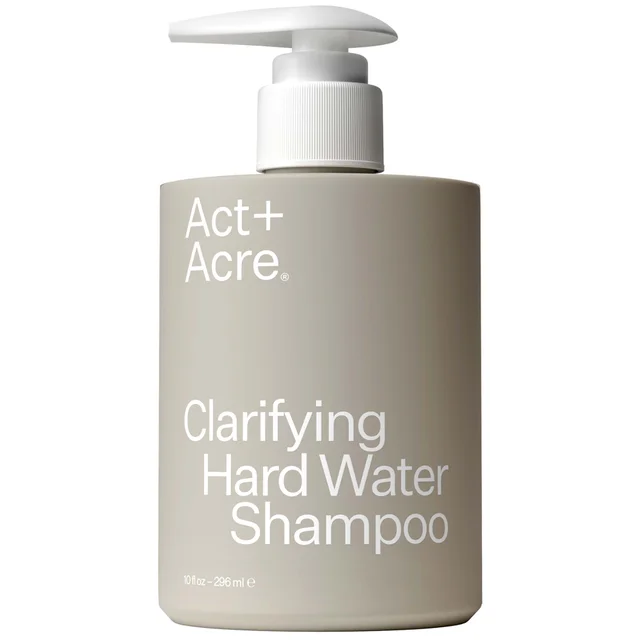
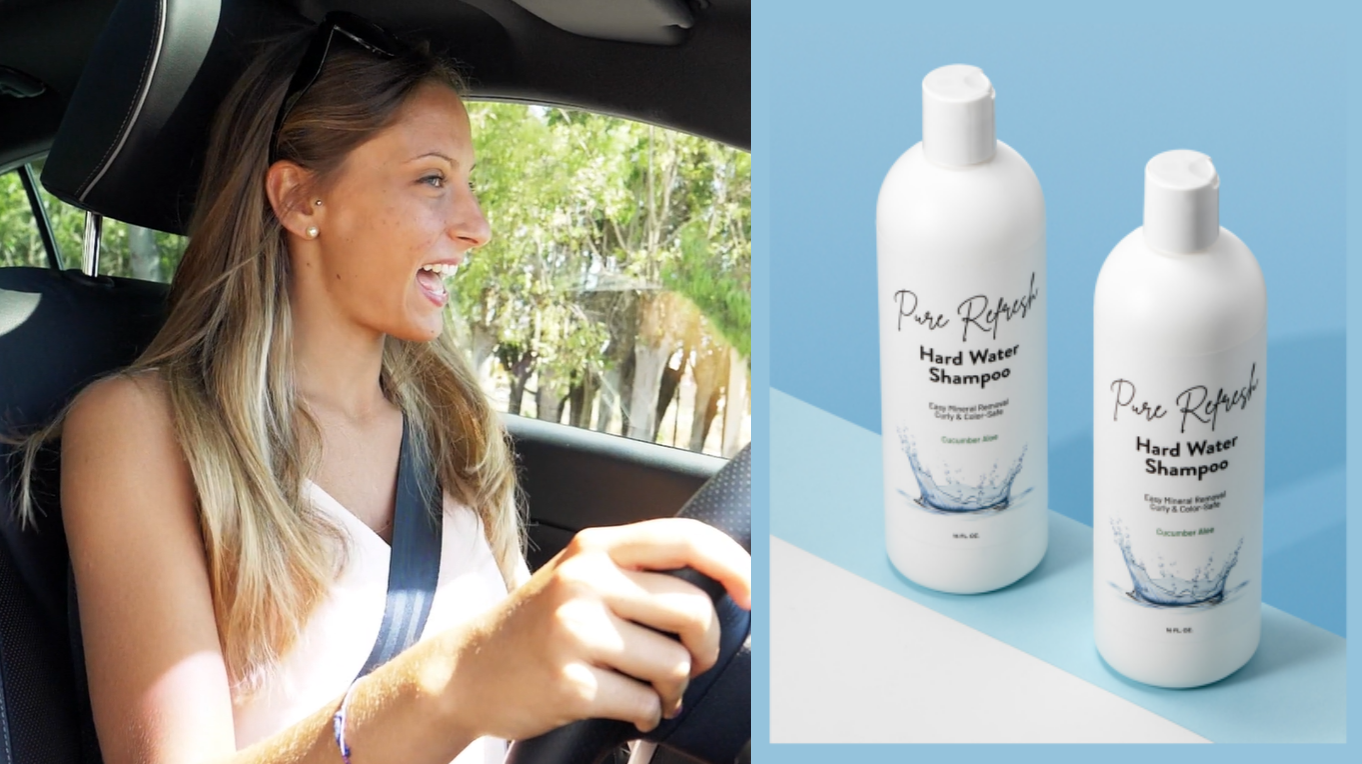
Clarifying Shampoos
Clarifying shampoos are designed to remove buildup from minerals and styling products. They provide a deep clean that regular shampoos often can’t achieve. However, using them too often can strip your hair of natural oils, so limit use to once a week.
Look for clarifying shampoos with gentle formulas that won’t leave your hair feeling brittle. If you’ve noticed your hair feels heavy or looks dull despite regular washing, a clarifying shampoo might be what you need to reset your hair’s health.
Chelating Agents
Chelating agents are ingredients that bind to mineral deposits and help wash them away. Products with EDTA or citric acid are common examples that target hard water buildup effectively. These agents prevent minerals from sticking to your hair and scalp, reducing dryness and irritation.
Not all shampoos have chelating agents, so check the label if you suspect hard water damage. Including a chelating shampoo once or twice a month can make a noticeable difference in how soft and manageable your hair feels.
Moisturizing Conditioners
Hard water can strip moisture from your hair, so moisturizing conditioners are essential. Look for conditioners rich in hydrating ingredients like glycerin, shea butter, or natural oils. These help replenish moisture and protect your hair from becoming brittle.
Apply conditioner generously, focusing on the ends where damage is often worst. If you’re dealing with hard water, skipping conditioner isn’t an option—it’s your best defense against dryness and breakage.
Credit: www.amazon.com
Washing Techniques For Hard Water
Washing your hair in hard water can be tricky. The minerals in hard water often leave your hair feeling dry and looking dull. Adjusting your washing techniques can make a big difference in managing these effects.
Pre-wash Treatments
Applying a pre-wash treatment helps protect your hair from harsh minerals. You might try oiling your hair with coconut or argan oil before washing. This creates a barrier that reduces mineral buildup and keeps your hair hydrated.
Some people use a vinegar rinse before shampooing to balance hair pH. It may seem unusual, but it helps remove mineral deposits and softens hair. Have you noticed how your hair feels after a vinegar rinse? You might be surprised by the smoothness.
Proper Rinsing Methods
Rinse your hair thoroughly with lukewarm water to wash away minerals. Avoid hot water, which can strip natural oils and increase dryness. A final cool rinse can help close hair cuticles, making hair look shinier.
Try to rinse for at least 30 seconds longer than usual. This extra time helps flush out mineral residue. Do you often rush through rinsing? Spending just a bit more time can improve how your hair feels after washing.
Using Filtered Or Bottled Water
Using filtered water for rinsing can reduce mineral buildup significantly. Installing a shower filter or using a filtered water pitcher for your final rinse are practical options. This small change can protect your hair without changing your entire routine.
Bottled water is another option, especially if your tap water is extremely hard. While not always convenient, rinsing with bottled water once or twice a week can refresh your hair. Would you consider using filtered water if it meant softer, healthier hair?
Home Remedies To Combat Hard Water
Hard water can leave your hair dry, dull, and difficult to manage. It deposits minerals like calcium and magnesium on the scalp and strands. These minerals build up over time, causing damage and frizz. Simple home remedies can help remove these deposits and restore hair health.
These natural treatments are easy to prepare and gentle on hair. Regular use can improve shine, softness, and manageability. Here are some effective options to try at home.
Apple Cider Vinegar Rinse
Apple cider vinegar (ACV) balances the scalp’s pH and removes mineral buildup. Dilute 2 tablespoons of ACV in 1 cup of water. After shampooing, pour the rinse over your hair. Let it sit for a few minutes, then rinse with cool water. This rinse smooths hair cuticles and adds shine.
Baking Soda Treatments
Baking soda acts as a gentle cleanser to remove hard water residue. Mix 1 tablespoon of baking soda with enough water to make a paste. Apply to wet hair and scalp. Massage gently for a minute or two, then rinse thoroughly. Use this treatment once a week to avoid dryness.
Aloe Vera Applications
Aloe vera soothes the scalp and hydrates hair strands. Extract fresh aloe gel from the leaf or use pure store-bought gel. Apply it directly to your scalp and hair. Leave it on for 20 minutes before rinsing with lukewarm water. Aloe vera also helps reduce itchiness caused by hard water.

Credit: actandacre.com
Protective Hairstyles And Habits
Protective hairstyles and habits play a crucial role in maintaining healthy hair when dealing with hard water. Hard water can leave minerals that weigh hair down and cause dryness or breakage. Adopting the right hair care routine can shield your strands from damage and keep your hair looking vibrant.
Reducing Heat Styling
Heat styling tools like straighteners and curling irons strip moisture from your hair, making it more vulnerable to hard water damage. Cutting back on heat styling gives your hair a chance to stay hydrated and strong.
Try air-drying more often or using heat-free styling methods such as braids or buns. You might be surprised how versatile your hair can be without constant heat exposure.
Avoiding Over-washing
Washing your hair too frequently with hard water can intensify mineral buildup and dryness. Instead, aim to wash your hair only two to three times a week.
Between washes, use dry shampoo or gently massage your scalp to refresh your hair. Have you noticed how less washing can actually improve your hair’s texture?
Protecting Hair Outdoors
Outdoor elements like sun, wind, and pollution can worsen the effects of hard water on your hair. Wearing protective hairstyles such as braids, buns, or scarves can shield your strands.
Adding a lightweight leave-in conditioner or hair oil before heading outside creates a barrier against environmental stressors. What protective habits do you use to guard your hair daily?
Long-term Solutions For Hard Water
Hard water can cause lasting damage to hair. It leaves minerals on the scalp and strands. Over time, this leads to dryness, dullness, and breakage. Long-term solutions focus on removing or reducing minerals in water. These solutions protect hair health and improve its look and feel.
Installing Water Softeners
Water softeners remove calcium and magnesium from water. They replace these minerals with sodium or potassium. Soft water reduces buildup on hair and scalp. It helps hair stay smooth and hydrated. Installing a softener benefits the entire home, not just the hair. It is a smart investment for long-term hair care.
Using Shower Filters
Shower filters attach directly to showerheads. They filter out hard minerals and chlorine. This prevents mineral buildup during washing. Filters improve water quality at the source. They are easy to install and maintain. Filters also keep hair color vibrant longer. Using a shower filter is a simple way to protect hair daily.
Professional Salon Treatments
Salons offer treatments to repair hard water damage. These include deep cleansing and mineral removal services. Treatments restore moisture and shine to hair. Professionals use products designed for hard water effects. Regular salon visits can reverse dryness and brittleness. These treatments support long-term hair health and beauty.
Frequently Asked Questions
What Is Hard Water’s Effect On Hair Health?
Hard water contains minerals like calcium and magnesium. These minerals build up on hair, causing dryness, dullness, and brittleness. Over time, this leads to hair damage and scalp irritation.
How Can I Treat Hair Damaged By Hard Water?
Use chelating or clarifying shampoos to remove mineral buildup. Follow up with deep conditioning treatments to restore moisture and softness. Avoid daily washing to minimize further damage.
Are There Natural Remedies For Hard Water Hair Care?
Yes, rinsing hair with diluted apple cider vinegar helps balance pH and remove buildup. Coconut oil can also hydrate and protect hair from mineral damage effectively.
Can Installing A Water Softener Improve Hair Condition?
Installing a water softener reduces mineral content in water. Softer water prevents buildup, improving hair softness and shine. This is a long-term solution for hard water hair issues.
Conclusion
Hard water can harm your hair, but you can protect it. Use gentle shampoos made for hard water. Rinse hair with clean or filtered water when possible. Regular deep conditioning helps keep hair soft and strong. Avoid excessive heat styling to reduce damage.
Simple steps make a big difference over time. Healthy hair is possible, even with hard water. Stay patient and consistent with your care routine. Your hair will thank you for the extra attention. Keep these tips in mind for shiny, smooth hair every day.