Is your scalp feeling tight, itchy, or flaky? If so, you’re not alone—and the good news is, relief is within reach.
Dry scalp can be uncomfortable and even embarrassing, but with the right care, you can soothe your skin and bring back that healthy glow. You’ll discover simple, effective ways to treat your dry scalp and keep your hair looking its best.
Ready to say goodbye to dryness and hello to comfort? Let’s dive in.

Credit: www.amazon.com
Causes Of Dry Scalp
Understanding what causes a dry scalp is the first step to treating it effectively. Dry scalp isn’t just about flaky skin; it can affect your comfort and confidence. Several factors contribute to this condition, and identifying the root cause helps you choose the right care routine.
Environmental Factors
Changes in weather often trigger dryness. Cold, dry air in winter strips moisture from your scalp, leaving it tight and flaky. Spending long hours in air-conditioned or heated rooms can also dry out your skin.
Have you noticed your scalp feeling drier after outdoor activities? Pollution and harsh sun exposure can irritate and dehydrate your scalp, worsening dryness.
Skin Conditions
Sometimes, dry scalp is a symptom of underlying skin issues. Conditions like eczema, psoriasis, or seborrheic dermatitis cause inflammation and persistent dryness. These require specific treatments beyond regular moisturizing.
If you find your scalp is itchy or red along with dryness, it’s worth consulting a dermatologist. Ignoring these signs can lead to more discomfort and hair problems.
Hair Care Habits
Your daily routine might be contributing to your dry scalp. Using shampoos with harsh chemicals or washing your hair too often can strip natural oils. Overuse of heat styling tools also damages the scalp’s moisture barrier.
Do you rinse your hair with hot water? High temperatures can worsen dryness by removing protective oils. Opting for gentle products and cooler water might bring noticeable relief.

Credit: asiamnaturally.com
Signs Of A Dry Scalp
Dry scalp often shows clear signs that signal trouble. Identifying these signs early helps in treating the problem effectively. Watch for changes in your scalp and hair texture. These symptoms can affect comfort and hair health. Below are the key signs to recognize.
Flaking And Itching
Small flakes on your scalp or shoulders are common with dryness. These flakes differ from dandruff but cause similar discomfort. Itching often accompanies flaking and can be persistent. Scratching worsens irritation and dryness. Avoid harsh shampoos that strip natural oils.
Redness And Irritation
A dry scalp may look red or inflamed in patches. Irritation feels like burning or tightness on the skin. This happens because the scalp lacks moisture and protection. Sensitive skin reacts quickly to dryness and environmental stress. Use gentle products to soothe and calm the scalp.
Hair Texture Changes
Dry scalp affects how hair feels and looks. Hair may become brittle, rough, or dull. Breakage and split ends increase due to lack of scalp moisture. Hair might lose its natural shine and smoothness. Regular conditioning and scalp care improve hair texture over time.
Choosing The Right Shampoo
Choosing the right shampoo is key for dry scalp care. The wrong shampoo can make dryness worse. A good shampoo cleans gently while adding moisture back to the scalp. It helps soothe irritation and reduces flakiness. Picking the right product supports scalp health and promotes stronger hair.
Avoiding Harsh Chemicals
Harsh chemicals strip natural oils from the scalp. Avoid shampoos with sulfates like sodium lauryl sulfate. These ingredients can cause dryness and itchiness. Also stay away from parabens and alcohols that dry out skin. Look for shampoos labeled sulfate-free and gentle. This keeps the scalp’s natural moisture intact.
Hydrating Ingredients To Look For
Hydrating ingredients help restore moisture balance on the scalp. Key ingredients include:
- Aloe vera – soothes and hydrates the skin
- Glycerin – draws moisture into the scalp
- Shea butter – nourishes and softens dry skin
- Coconut oil – locks in moisture and reduces dryness
- Tea tree oil – calms irritation and fights dandruff
These ingredients keep the scalp comfortable and prevent flaking.
Shampooing Frequency Tips
Washing hair too often can worsen dryness. Shampooing 2 to 3 times per week is enough. Use lukewarm water to avoid stripping oils. After shampooing, apply a conditioner to seal moisture. Adjust frequency based on your scalp’s response. Less frequent washing often helps dry scalps heal better.

Credit: www.amazon.com
Conditioning Techniques
Conditioning techniques play a crucial role in soothing a dry scalp. They help restore moisture and improve scalp health. Proper conditioning can reduce itching and flakiness. Regular care keeps the scalp balanced and hair nourished. These techniques are simple and effective for daily use.
Deep Conditioning Treatments
Deep conditioning treatments provide intense moisture to the scalp and hair. They penetrate deeply to repair dryness and damage. Use a rich conditioner or hair mask once a week. Apply it from the scalp to the hair ends. Leave it on for 20 to 30 minutes for best results. Cover your hair with a warm towel to boost absorption. Rinse thoroughly with lukewarm water to avoid scalp irritation.
Leave-in Conditioners
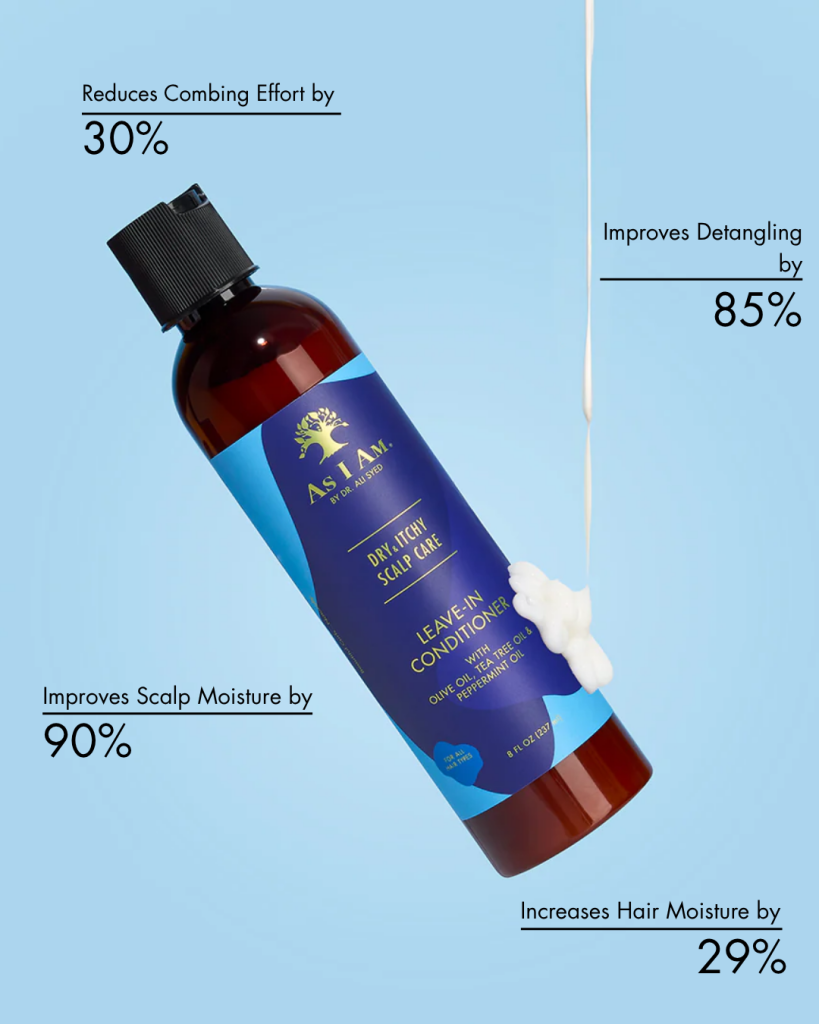
Leave-in conditioners offer continuous hydration throughout the day. They are lightweight and easy to apply on damp hair. Spray or apply a small amount directly to the scalp and hair strands. These conditioners help lock in moisture and prevent dryness. Choose products with natural oils or soothing ingredients. Avoid heavy formulas that can clog scalp pores.
Scalp Moisturizers
Scalp moisturizers target dryness at the root level. They soothe irritation and reduce flakiness effectively. Use products designed specifically for the scalp. Ingredients like aloe vera, jojoba oil, and tea tree oil work well. Massage the moisturizer gently into the scalp daily or as needed. This improves blood flow and encourages healthy scalp skin. Consistent use keeps the scalp soft and hydrated.
Natural Remedies
Natural remedies offer gentle care for a dry scalp. They soothe irritation and add moisture without harsh chemicals. These remedies come from plants and oils known for their healing power. Using natural treatments regularly can improve scalp health and reduce dryness.
Essential Oils For Scalp Care
Essential oils nourish and calm a dry scalp effectively. Oils like tea tree, lavender, and peppermint help reduce itchiness. They also fight scalp inflammation and promote blood flow. Dilute essential oils with a carrier oil before applying to avoid irritation.
- Tea tree oil cleanses and soothes the scalp.
- Lavender oil calms inflammation and dryness.
- Peppermint oil cools and refreshes irritated skin.
- Coconut or jojoba oil works well as a carrier.
Diy Hair Masks
DIY hair masks provide deep hydration and repair dry scalp. Natural ingredients like honey, yogurt, and avocado restore moisture. These masks also nourish hair roots and boost scalp health. Apply the mask and leave it on for 20 to 30 minutes before rinsing.
- Honey locks in moisture and soothes irritation.
- Yogurt balances scalp pH and adds hydration.
- Avocado supplies vitamins and healthy fats.
- Mix ingredients to form a smooth paste.
Herbal Rinses
Herbal rinses calm dryness and refresh the scalp. Herbs like chamomile, rosemary, and nettle have anti-inflammatory properties. Prepare herbal tea and use it as a final rinse after washing hair. Herbal rinses help restore scalp balance and add shine to hair.
- Chamomile reduces redness and soothes the scalp.
- Rosemary stimulates circulation and relieves dryness.
- Nettle strengthens hair and fights irritation.
- Use cool or lukewarm herbal tea for rinsing.
Lifestyle Adjustments
Adjusting your lifestyle can have a significant impact on improving a dry scalp. Small changes in daily habits often lead to noticeable relief and healthier hair. Let’s look at key areas where you can make practical adjustments to support your scalp’s health.
Diet And Hydration
Your scalp’s condition reflects what you eat and drink. Drinking enough water keeps your skin hydrated from the inside out, which helps prevent dryness. Aim for at least 8 glasses of water a day.
Adding foods rich in omega-3 fatty acids, like salmon and walnuts, nourishes your scalp and reduces flakiness. Vitamins A, E, and zinc also play a role in maintaining healthy skin, so include leafy greens, nuts, and seeds in your meals.
Ever noticed your scalp feels drier after eating certain foods? Try tracking your diet to spot patterns that may worsen dryness.
Managing Stress
Stress affects your whole body, including your scalp. When you’re stressed, your skin may become more sensitive and prone to dryness or irritation.
Simple stress management techniques can make a difference. Try deep breathing, short walks, or even a few minutes of meditation daily to calm your mind.
Ask yourself: how often do you give your scalp the same care you give your mental health? Balancing both can improve overall comfort and appearance.
Protecting Hair From Heat And Sun
Heat styling tools and sun exposure can strip moisture from your scalp, worsening dryness. Lower the heat setting on your tools and limit how often you use them.
Wear a hat or use a UV protectant spray when you’re out in the sun for extended periods. These simple steps shield your scalp from harmful rays and help keep moisture locked in.
Have you checked the labels on your hair products lately? Some may include ingredients that offer extra protection against heat and UV damage.
When To See A Dermatologist
Knowing when to see a dermatologist for dry scalp is important. Many scalp issues can be treated at home. Some symptoms need expert care to prevent worsening. Understanding the signs helps you get the right treatment early.
Persistent Symptoms
Look for symptoms that do not improve after weeks of home care. Constant itching, redness, or flaking may signal a deeper problem. Pain or bleeding on the scalp needs immediate attention. Persistent dryness with hair loss also requires a check-up.
Possible Medical Treatments
A dermatologist can offer treatments beyond over-the-counter products. Prescription shampoos or topical steroids can reduce inflammation. Antifungal medicines treat scalp infections causing dryness. Sometimes, allergy tests help find hidden triggers. Medical advice ensures safe and effective care.
Professional Scalp Care
Dermatologists provide thorough scalp examinations with special tools. They identify skin conditions like psoriasis or eczema accurately. Professional treatments may include medicated washes or light therapy. Regular visits keep scalp health on track. Expert care restores comfort and promotes healthy hair growth.
Frequently Asked Questions
What Causes A Dry Scalp And How To Identify It?
A dry scalp results from lack of moisture, harsh shampoos, or weather changes. Symptoms include itching, flaking, and tightness. Identifying dryness involves noticing white flakes and scalp irritation without redness or inflammation.
How Often Should I Wash Hair With A Dry Scalp?
Washing hair 2-3 times a week is ideal for a dry scalp. Over-washing strips natural oils, worsening dryness. Use gentle, moisturizing shampoos to maintain scalp hydration and avoid irritation.
Which Ingredients Help Soothe A Dry Scalp Effectively?
Look for ingredients like tea tree oil, aloe vera, coconut oil, and shea butter. These soothe itching, reduce flakes, and hydrate the scalp. Avoid harsh chemicals and sulfates that can worsen dryness.
Can Diet Affect Scalp Dryness And Hair Health?
Yes, a balanced diet rich in omega-3 fatty acids, vitamins A, E, and zinc supports scalp moisture. Hydration and nutrient intake improve hair strength and reduce scalp dryness naturally.
Conclusion
A dry scalp needs regular care and attention. Choose gentle shampoos and conditioners. Natural oils like coconut can help nourish your scalp. Drink plenty of water to stay hydrated. Avoid hot showers; they can worsen dryness. Regularly massage your scalp to improve blood flow.
This can promote healthier hair growth. A balanced diet also supports scalp health. With these steps, relief from dryness is possible. Start your new routine today. Enjoy healthier, itch-free hair with consistent care. Remember, patience is key. Your scalp will thank you.
