Unlocking the secrets to radiant, healthy hair can feel like a never-ending quest, especially when it comes to caring for black hair. You know the struggle—finding the perfect routine that celebrates your unique texture and enhances your natural beauty.
Your hair has its own story, filled with rich textures and vibrant curls. But with so much conflicting advice out there, it’s easy to feel overwhelmed. Imagine, though, if you could discover a simple, effective hair care routine tailored just for you.
One that brings out the best in your hair and boosts your confidence. You’ll find practical tips and expert insights to transform your hair care routine, ensuring your hair looks and feels its best every day. Let’s dive in and unlock the full potential of your beautiful, natural hair.
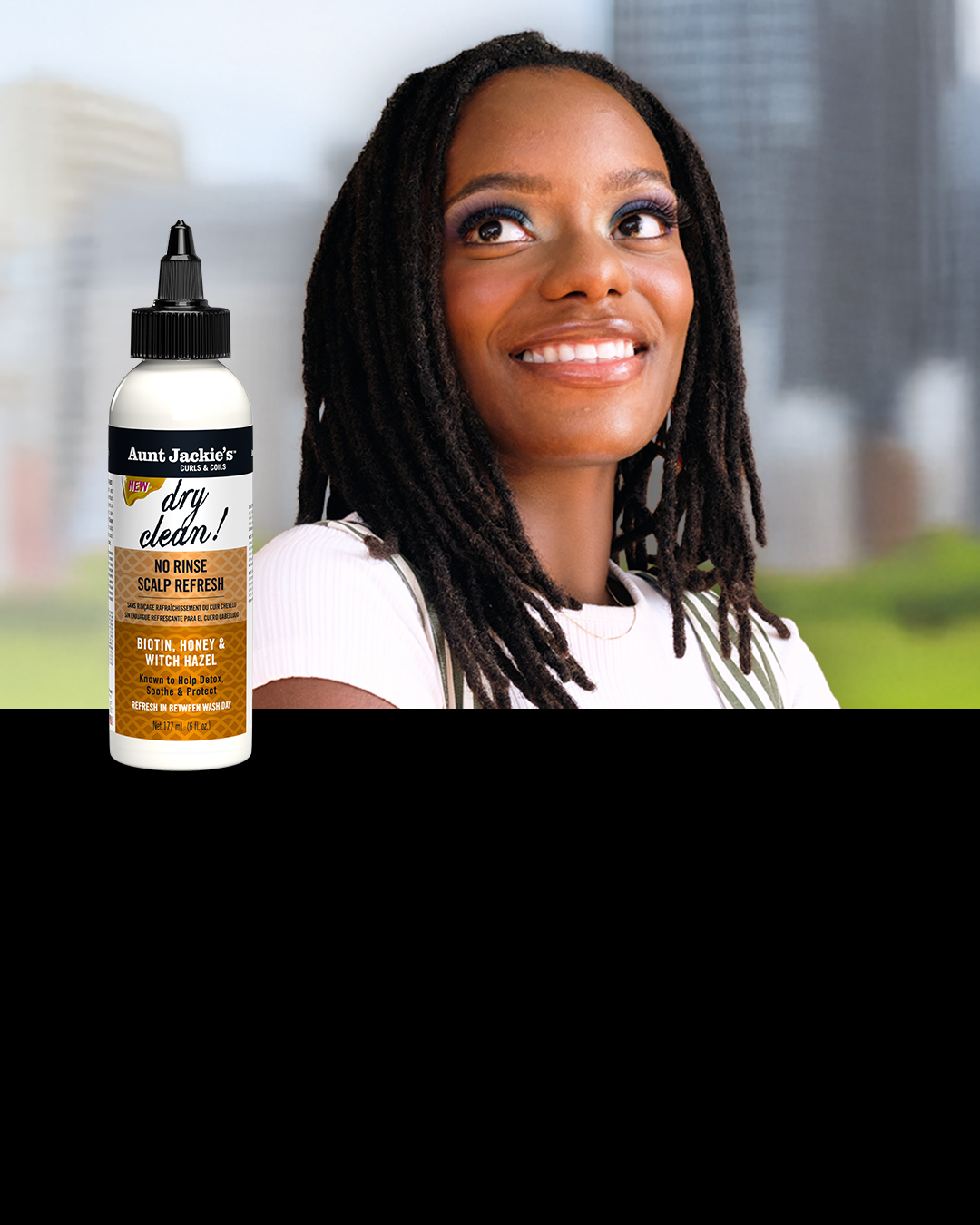
Credit: www.auntjackiescurlsandcoils.com
Unique Traits Of Black Hair
Understanding the unique traits of Black hair is essential for effective care and maintenance. Black hair has distinct characteristics that influence how it grows, how it should be treated, and the challenges it may face. Getting to know these traits helps you make better choices for your hair’s health and beauty.
Hair Structure And Growth Patterns
Black hair tends to have a tightly coiled or curly structure. This curl pattern makes the hair grow in a spiral shape rather than straight. Because of this, your hair might appear shorter than it actually is when dry.
The shape of the hair follicle affects growth direction and texture. Curly hair follicles are usually oval or flat, causing curls to form. This structure means natural oils from the scalp have a harder time traveling down the hair shaft, often leading to dryness.
Have you noticed how your hair can feel dry even if you moisturize regularly? That’s partly because of this unique growth pattern and structure. Knowing this helps you focus on hydration and gentle handling to prevent breakage.
Common Challenges Faced
One common challenge is managing dryness. Since natural oils don’t move easily through curls, your hair can become brittle and prone to breakage. You might find your hair snapping during combing or styling.
Another issue is shrinkage. Your hair may shrink up to 70% of its actual length when dry. This can make it tricky to see your hair’s full length and can also lead to tangling.
Scalp sensitivity is also frequent among Black hair types. Dry scalp and dandruff can occur if the scalp isn’t moisturized properly. You may need to add scalp treatments or gentle exfoliation to your routine.
Have you ever struggled with your hair breaking off just when you thought it was growing? That’s a sign you might need to adjust your care routine to include more moisture and less tension. Small changes like using a wide-tooth comb or switching to satin pillowcases can make a big difference.
Daily Hair Care Routine
Daily hair care is essential for maintaining healthy and strong hair. A simple routine can protect your hair from damage and keep it looking its best. Consistency in care helps prevent dryness and breakage. Follow these easy steps to nurture your hair every day.
Gentle Cleansing Techniques
Use a sulfate-free shampoo to avoid stripping natural oils. Focus on the scalp and roots, not the ends. Rinse with lukewarm water to keep moisture locked in. Avoid washing hair too often to prevent dryness. Co-washing with conditioner can be a good alternative for gentle cleaning.
Moisturizing Tips
Apply a leave-in conditioner after washing to hydrate hair. Use natural oils like coconut or jojoba to seal in moisture. Spray water or a water-based moisturizer daily to keep hair soft. Cover hair with a satin scarf or bonnet at night to retain moisture. Avoid heavy products that can weigh hair down.
Detangling Methods
Detangle hair when it is damp and coated with conditioner. Use a wide-tooth comb or your fingers to gently remove knots. Start detangling from the ends and move toward the roots. Take your time to prevent breakage and pain. Detangling regularly keeps hair manageable and reduces damage.
Protective Hairstyles
Protective hairstyles are essential for maintaining the health of Black hair. They help reduce daily wear and tear, prevent breakage, and promote growth by shielding your strands from harsh elements and manipulation. Choosing the right protective style can make a big difference in how your hair looks and feels over time.
Styles To Minimize Damage
Not all protective styles are created equal when it comes to minimizing damage. Styles like box braids, twists, and cornrows keep your hair tucked away and reduce friction. These styles limit the need for constant styling and protect your ends, which are the oldest and most fragile part of your hair.
On the other hand, some styles can cause tension if done too tightly, leading to hair loss or scalp soreness. Loose buns, flat twists, and crochet braids offer protection without pulling too hard on your scalp. You want to avoid anything that causes discomfort or leaves your hairline stressed.
Choosing The Right Protective Style
Choosing the right protective style depends on your hair type, lifestyle, and how much time you want to spend on maintenance. Ask yourself if you prefer something low-maintenance or a style you can easily redo yourself. For example, if you’re active and love swimming, a style that holds up well in water like micro braids might suit you better.
Consider your scalp health too. If you have sensitive skin or experience dryness, styles that allow your scalp to breathe are ideal. Don’t hesitate to switch styles regularly to prevent stress on one area of your scalp and keep your hair fresh.
Have you noticed how certain styles make your hair feel stronger or healthier? Paying attention to these signals helps you pick what works best for your unique hair needs.

Credit: clorebeauty.com
Best Products For Black Hair
Choosing the right products for Black hair is essential for healthy, strong, and beautiful strands. Black hair has unique needs that require moisture, nourishment, and gentle care. Using the best products helps maintain softness, reduce breakage, and support natural curl patterns.
Shampoos And Conditioners
Shampoos for Black hair should cleanse without stripping natural oils. Look for sulfate-free formulas that hydrate and soothe the scalp. Conditioners must provide deep moisture and detangle curls effectively.
- Moisturizing shampoos with shea butter or coconut oil
- Conditioners rich in glycerin and natural oils
- Products free from harsh chemicals like parabens and sulfates
- Leave hair soft, manageable, and shiny
Leave-in Treatments And Oils
Leave-in treatments protect hair throughout the day. They lock in moisture and reduce frizz. Oils nourish the scalp and strengthen strands from root to tip.
- Lightweight leave-in conditioners with aloe vera or jojoba oil
- Natural oils like argan, castor, and olive oil
- Products that enhance curl definition and softness
- Help prevent dryness and breakage
Deep Conditioning And Treatments
Deep conditioning and treatments are essential for maintaining healthy black hair. They help restore moisture, reduce breakage, and improve hair texture. Regular treatments keep curls soft and manageable. These care routines protect hair from dryness and damage caused by heat or chemicals.
Homemade Masks
Homemade masks use natural ingredients that nourish hair deeply. They provide moisture and strengthen strands without harsh chemicals. Simple ingredients like avocado, honey, and olive oil work well.
- Avocado and honey mask:Mash one ripe avocado and mix with two tablespoons of honey. Apply to hair and leave for 30 minutes. Rinse with lukewarm water.
- Olive oil and banana mask:Blend one banana with two tablespoons of olive oil. Spread evenly on hair and cover with a shower cap. Wait 20 minutes before washing.
- Coconut oil and yogurt mask:Mix equal parts coconut oil and plain yogurt. Apply from roots to ends. Let sit for 25 minutes, then rinse thoroughly.
These masks add moisture and shine. Use once a week for best results.
Salon Treatments Worth Trying
Salons offer specialized treatments designed for black hair needs. These treatments deliver intense hydration and repair damage effectively. Professional care can revive dull and brittle hair.
- Hot oil treatment:Warm oils are applied to scalp and hair. They penetrate deeply and seal moisture. This treatment reduces frizz and improves softness.
- Protein treatment:Protein helps rebuild weak hair strands. It strengthens hair and prevents breakage. Ideal for chemically treated or heat-damaged hair.
- Moisture therapy:This treatment focuses on replenishing lost moisture. It uses rich conditioners and steam to open hair cuticles. Hair feels smooth and hydrated afterward.
Consult your stylist to choose the best treatment for your hair type. Regular salon visits can maintain hair health and beauty.
Heat Styling And Damage Prevention
Heat styling can transform your look quickly, but it often comes with a price—damage to your hair’s health and texture. Black hair, which tends to be more fragile and prone to dryness, requires extra care during heat styling to maintain its strength and shine. Understanding how to protect your hair from heat damage while still enjoying your favorite styles is essential for keeping your curls vibrant and resilient.
Safe Heat Styling Practices
Using heat tools safely means knowing the right temperature for your hair type. Keep flat irons and curling wands below 350°F to avoid burning your strands.
Always apply a heat protectant spray before styling. This creates a barrier that reduces moisture loss and prevents breakage.
Limit heat styling sessions to no more than twice a week. Overusing heat can lead to split ends and weaken your hair’s natural curl pattern.
- Use ceramic or tourmaline tools for even heat distribution.
- Work with small sections to reduce repeated passes.
- Allow hair to air dry or use a microfiber towel before applying heat.
Alternatives To Heat Styling
Want to avoid heat but still achieve sleek or defined looks? Try styles that enhance your natural texture instead of fighting it.
Twist-outs and braid-outs add curl definition without heat damage. They are easy to do overnight and give lasting results.
Rollers and flexi rods can shape your hair gently. These methods keep your hair healthy and hydrated while giving you beautiful volume.
- Experiment with finger coils for a natural curl boost.
- Use moisturizing gels or creams to define curls and reduce frizz.
- Consider protective styles like buns or updos that don’t require heat.
How often do you give your hair a break from heat? Your hair will thank you when you balance styling with damage prevention.
Diet And Lifestyle For Hair Health
Healthy hair starts from within. The foods you eat and the lifestyle you live affect hair growth and strength. Good nutrition nourishes hair follicles and keeps strands shiny. A balanced diet and smart habits support natural hair health for Black hair textures.
Nutrients That Promote Growth
Certain vitamins and minerals help hair grow thick and strong. Include these nutrients in your meals:
- Protein:Hair is mostly protein. Eat eggs, fish, and beans.
- Iron:Boosts blood flow to the scalp. Found in spinach and red meat.
- Vitamin C:Helps the body absorb iron. Citrus fruits are rich sources.
- Omega-3 fatty acids:Keep the scalp hydrated. Found in flaxseeds and walnuts.
- Biotin:Supports hair strength. Eggs and nuts provide biotin.
- Vitamin A:Aids scalp health. Sweet potatoes and carrots contain vitamin A.
Habits To Avoid
Some lifestyle choices can harm hair health. Avoid these to protect your strands:
- Excessive heat styling:Damages hair and causes breakage.
- Over-washing:Strips natural oils, leading to dryness.
- Harsh chemicals:Relaxers and dyes weaken hair over time.
- Poor sleep:Limits hair repair and growth during rest.
- Stress:Triggers hair loss and slows growth.
- Smoking:Reduces circulation and damages hair follicles.

Credit: www.ebay.ca
Frequently Asked Questions
What Are The Best Shampoos For Black Hair Care?
Use sulfate-free shampoos with moisturizing ingredients. They prevent dryness and maintain natural oils in black hair. Choose products with shea butter or coconut oil for extra hydration.
How Often Should Black Hair Be Moisturized?
Moisturize black hair at least twice a week. Regular hydration prevents breakage and dryness. Use leave-in conditioners or natural oils like jojoba or castor oil for best results.
Can Protective Hairstyles Improve Black Hair Health?
Yes, protective hairstyles reduce hair manipulation and damage. Styles like braids, twists, and buns protect ends and promote growth. Avoid tight styles to prevent tension and breakage.
Is Heat Styling Damaging To Black Hair?
Excessive heat styling can cause dryness and breakage in black hair. Use heat protectants and limit heat exposure. Opt for air drying or low-heat tools to maintain hair health.
Conclusion
Taking care of black hair needs patience and the right steps. Use gentle products and avoid harsh chemicals. Keep hair moisturized to prevent breakage and dryness. Regular trims help keep hair healthy and strong. Protect hair from heat and tight styles that cause damage.
A good hair care routine supports natural beauty and confidence. Stay consistent, and your hair will thank you. Simple care makes a big difference over time. Keep loving your hair every day.
