
Your hair is more than just strands on your head—it’s a part of your identity and culture. African hair has unique textures and needs that require special care.
If you’ve ever struggled with dryness, breakage, or finding the right products, you’re not alone. Understanding how to care for your hair properly can make a huge difference in its health and appearance. Keep reading, and you’ll discover simple, effective tips that will help you nurture your hair and unlock its true beauty.
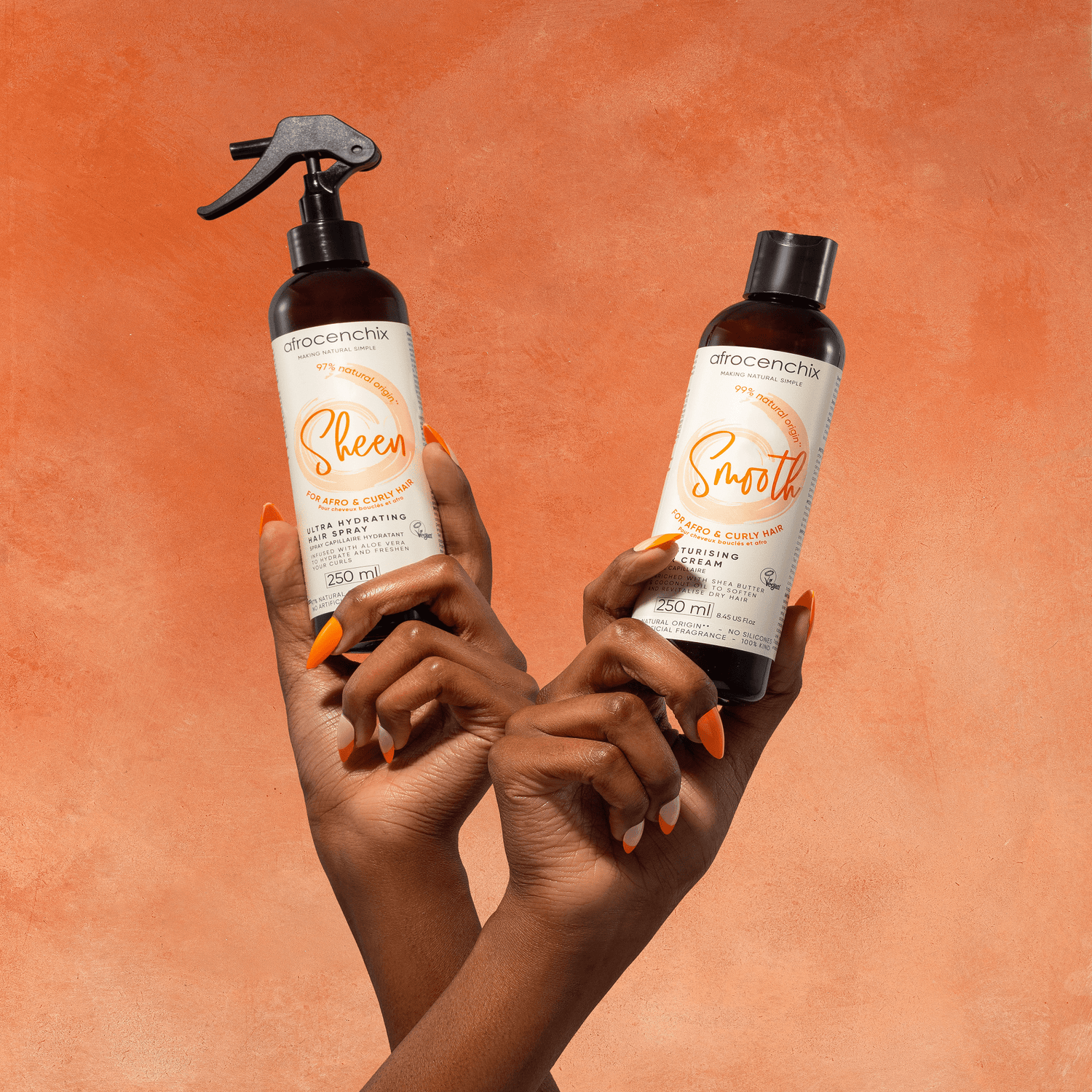
Credit: afrocenchix.com
Unique Traits Of African Hair
African hair has unique qualities that set it apart from other hair types. Understanding these traits is key to caring for your hair effectively. Your hair’s natural structure influences how it behaves, what products work best, and which routines will keep it healthy.
Curl Patterns And Texture
African hair comes in a variety of curl patterns, ranging from tight coils to loose curls. These curls are often densely packed and have a zigzag shape, which can make the hair appear shorter than it actually is.
The texture is usually dry because the natural oils from the scalp have a harder time traveling down the curls. This dryness means your hair needs extra moisture to stay soft and manageable.
Have you noticed how your curls react differently to humidity or products compared to other hair types? That’s because your curl pattern is delicate and requires gentle handling.
Common Hair Challenges
One common challenge you might face is breakage. The tight curls can cause strands to twist and tangle, making the hair more fragile.
Another issue is shrinkage, where your hair appears much shorter after washing or styling. While shrinkage shows healthy curl elasticity, it can be frustrating when you want to see your hair length.
Dryness and scalp sensitivity are also frequent problems. You might find that some shampoos strip away natural oils or that your scalp feels itchy after certain treatments.
- Breakage from frequent manipulation or harsh styling
- Difficulty retaining moisture due to curl pattern
- Scalp dryness or irritation
- Shrinkage affecting perceived hair length
Have you tried adjusting your routine based on these challenges? Sometimes small changes, like switching to a sulfate-free shampoo or adding a leave-in conditioner, can make a big difference in your hair’s health.
Cleansing Techniques
Cleansing your hair is more than just rinsing out the dirt—it’s about maintaining the health and moisture balance of your African hair. Choosing the right cleansing methods can protect your curls from dryness and breakage. Let’s dive into how you can optimize your cleansing routine for better hair health.
Choosing The Right Shampoo
Not all shampoos suit African hair. Look for sulfate-free options that gently cleanse without stripping natural oils. Ingredients like shea butter, coconut oil, and aloe vera can nourish your scalp and hair during washing.
Have you noticed your hair feeling dry or brittle after washing? That’s often a sign your shampoo is too harsh. Switching to a moisturizing formula can make a huge difference in how your hair feels post-wash.
Washing Frequency Tips
How often should you wash your hair? This depends on your lifestyle and hair type, but washing too often can remove essential oils, leading to dryness. Many find washing once a week or every two weeks keeps their hair clean yet moisturized.
If you exercise regularly or use heavy products, consider co-washing (using conditioner to cleanse) between shampoo days to keep your scalp fresh. Pay attention to your scalp’s signals—itchiness or buildup means it might be time to wash.
Moisturizing Essentials
Moisturizing is key for healthy African hair. It keeps strands soft, strong, and less prone to breakage. African hair tends to be dry because natural oils have a harder time traveling down the hair shaft. Regular moisture helps prevent brittleness and promotes growth. Understanding the right moisturizing essentials can make a big difference.
Natural Oils And Butters
Natural oils and butters lock in moisture and nourish hair deeply. They create a barrier that seals hydration. Some popular options include:
- Shea Butter:Rich and creamy, it softens dry hair and protects strands.
- Coconut Oil:Penetrates hair to reduce protein loss and adds shine.
- Jojoba Oil:Mimics scalp’s natural oil, balancing moisture levels.
- Castor Oil:Thick and heavy, it strengthens hair and encourages growth.
- Olive Oil:Moisturizes and adds softness without weighing hair down.
Use these oils and butters after washing hair or as part of daily care. Apply to damp hair for better absorption and longer-lasting moisture.
Daily Hydration Methods
Keeping hair hydrated every day prevents dryness and breakage. Try these simple hydration tips:
- Spray water or a water-based leave-in conditioner daily.
- Seal moisture with oils or creams after spraying.
- Use a satin or silk scarf or pillowcase to reduce moisture loss at night.
- Avoid harsh shampoos that strip natural oils.
- Drink plenty of water for overall hair health.
Consistent hydration keeps African hair flexible and easier to style. Small steps daily lead to big improvements over time.
Detangling Without Damage
Detangling African hair can feel like a challenge, but it doesn’t have to be damaging. The key is to approach it with care, patience, and the right techniques. If you rush or use the wrong tools, you risk breakage and frizz, which can undo all your hard work.
Think about how gentle you are with your hair during detangling. Are you tugging too hard or forcing knots apart? Treating your hair like it’s fragile will actually make it stronger over time. Let’s talk about how to detangle without damage so your curls stay healthy and vibrant.
Best Tools For Detangling
- Wide-tooth combs:These are gentle on curls and help separate strands without pulling.
- Detangling brushes:Look for ones specifically designed for textured hair with flexible bristles.
- Fingers:Your fingers are often the best tool. They help you feel the knots and carefully work them apart.
- Spray bottles with water or leave-in conditioner:Keeping your hair moist makes detangling easier and reduces breakage.
Have you noticed how using a fine-tooth comb often makes your hair break? Swapping it out for a wide-tooth comb can save your strands from unnecessary stress.
Step-by-step Detangling Process
- Start with damp hair:Dry hair is more prone to breakage. Mist your hair with water or a leave-in conditioner to soften knots.
- Apply a moisturizing conditioner:This provides slip, making the detangling process smoother.
- Divide your hair into sections:Working in small sections helps you focus and reduces tangling.
- Use your fingers first:Gently separate knots with your fingers before using any tool.
- Use a wide-tooth comb or detangling brush:Start detangling from the ends and slowly work your way up to the roots.
- Be patient and gentle:If you encounter stubborn knots, add more conditioner or water and try again.
What if you tried finger-detangling for a week? You might find your hair feels less stressed and looks healthier because you’re more in tune with its needs. Patience here isn’t just a virtue—it’s a game changer for your hair’s strength and shine.
Protective Styling Options
Protective styling is a key strategy to keep African hair healthy and strong. These styles shield your strands from daily wear and tear, reducing breakage and encouraging growth. Choosing the right protective style can make a big difference in how your hair responds to environmental stress and manipulation.
Braids And Twists
Braids and twists are classic protective styles that lock in moisture and minimize handling. You can try box braids, cornrows, or Senegalese twists depending on your preference and hair length.
These styles allow your scalp to breathe while keeping your ends tucked away. I’ve noticed that switching to medium-sized twists helped me avoid tension and scalp irritation, which can be common with very tight braids.
Remember to keep your scalp moisturized and clean while wearing these styles. Would you consider adding a satin scarf or bonnet during sleep to preserve your braids or twists?
Low-manipulation Styles
Low-manipulation styles reduce the need for daily combing or styling, which can cause breakage. Examples include wash-and-go, bantu knots, or simple updos that require minimal touching.
These styles give your hair a break from constant pulling and styling tools. Personally, adopting low-manipulation routines helped me see less split ends and healthier curls over time.
Think about how often you handle your hair—can you stretch out your styling intervals without sacrificing your look? Less manipulation might be the secret to stronger, longer hair.
Nighttime Hair Care
Taking care of your hair at night can make a huge difference in how it looks and feels the next day. African hair tends to be dry and fragile, so protecting it while you sleep helps keep it healthy and strong. Simple changes to your nighttime routine can prevent breakage and maintain moisture.
Silk And Satin Accessories
Using silk or satin pillowcases, bonnets, or scarves reduces friction that causes hair to tangle and break. Unlike cotton, these smooth materials don’t absorb moisture from your hair, helping it stay hydrated. I started sleeping with a satin bonnet and noticed less frizz and fewer split ends within weeks.
Try different styles of satin accessories to find what feels comfortable for you. You can also combine a satin pillowcase with a bonnet for extra protection. Do you know what your hair accessories are made of? Switching to silk or satin might be the simple fix your hair needs.
Preserving Moisture Overnight
Before bed, lightly spritz your hair with water or a leave-in conditioner to keep it from drying out. Seal in the moisture with natural oils like jojoba, castor, or shea butter. These oils act like a barrier, locking in hydration all night long.
Try braiding or twisting your hair loosely to prevent tangles and maintain moisture balance. If your hair feels dry in the morning, it might be time to adjust your nighttime moisturizing routine. What’s your current method for keeping your hair hydrated overnight?
Scalp Health Tips
Healthy hair starts with a healthy scalp. African hair often requires special attention because its natural texture can make the scalp prone to dryness and buildup. Paying close attention to your scalp’s health not only prevents issues but also supports stronger hair growth.
Massage Benefits
Massaging your scalp stimulates blood flow, which brings more nutrients to your hair follicles. This can encourage growth and improve hair thickness over time.
Using your fingertips, gently massage your scalp in small circles for about 5 to 10 minutes. Try adding a natural oil like jojoba or castor oil to enhance the experience and lock in moisture.
Have you noticed how a simple scalp massage can reduce tension? It’s a quick way to relax and boost your scalp’s health simultaneously.
Treating Common Scalp Issues
Dryness, itchiness, and dandruff are common problems that can affect African scalps. These issues often arise from product buildup or lack of moisture.
To combat dryness, use moisturizing shampoos and conditioners formulated specifically for textured hair. Avoid harsh chemicals that strip your scalp of natural oils.
If dandruff is a concern, try a gentle scalp scrub once a week to remove flakes without irritating your skin. Tea tree oil-infused products can also help reduce itchiness and flakiness.
What scalp problem do you struggle with most? Identifying your specific issue is the first step to finding the right solution.

Credit: www.youtube.com
Diet And Hair Growth
Your diet plays a crucial role in how your hair grows and stays healthy, especially for African hair, which often requires extra care. What you eat directly affects the strength, shine, and growth rate of your hair. Let’s look at how certain nutrients and staying hydrated can make a big difference.
Nutrients For Strong Hair
Hair needs specific nutrients to grow thick and strong. Proteins like keratin form the building blocks of hair, so make sure you include enough in your diet from sources like eggs, chicken, and beans.
Vitamins such as A, C, and E help protect hair from damage and support scalp health. Foods like sweet potatoes, oranges, and nuts are great choices.
Don’t forget minerals like iron and zinc. They help keep your hair follicles healthy. Spinach, lentils, and pumpkin seeds are excellent options to add to your meals.
Hydration And Its Role
Water is often overlooked but essential for hair growth. Your hair shaft is mostly made of water, so dehydration can lead to dryness and breakage.
Drinking enough water daily keeps your scalp hydrated and promotes healthy hair strands. If you struggle to drink plain water, try herbal teas or infused water with lemon or cucumber.
Ask yourself: Are you drinking enough fluids to support your hair’s natural moisture? Hydration works hand in hand with your diet to keep your hair looking its best.
Avoiding Common Mistakes
Taking care of African hair means knowing what to avoid just as much as what to do. Certain mistakes can cause damage that’s hard to fix, so spotting them early can save your hair’s health and shine. Let’s look at common pitfalls you should steer clear of to keep your hair strong and beautiful.
Overuse Of Heat Tools
Heat tools like flat irons and curling wands can make styling quick and easy, but using them too often can strip moisture from your hair. African hair tends to be drier, so excessive heat can lead to breakage and split ends faster than you might expect.
Ask yourself: how often are you reaching for heat? If daily, try cutting back to once or twice a week. Always use a heat protectant spray before styling to shield your strands.
Personally, I noticed my hair became brittle when I used a flat iron almost every day. Switching to air-drying and limiting heat saved my hair from unnecessary damage.
Harsh Chemical Treatments
Chemical relaxers and dyes can change your hair’s texture and color, but harsh formulas can weaken your strands significantly. These treatments often contain strong ingredients that strip natural oils, leaving hair fragile and prone to breakage.
Before applying any chemical treatment, ask if the benefits outweigh the potential damage. Consider gentler alternatives like natural dyes or less frequent relaxer sessions.
Using a chemical relaxer once left my hair feeling weak and dry for weeks. Choosing to wait longer between treatments and adding deep conditioning helped rebuild my hair’s strength.

Credit: www.youtube.com
Frequently Asked Questions
What Is The Best Shampoo For African Hair?
The best shampoo for African hair is sulfate-free and moisturizing. It cleanses gently without stripping natural oils. Look for ingredients like shea butter or coconut oil to keep hair hydrated and healthy.
How Often Should African Hair Be Moisturized?
African hair should be moisturized at least twice a week. It naturally tends to be dry, so regular hydration prevents breakage and frizz. Use water-based moisturizers and seal with oils for lasting moisture.
Can African Hair Be Washed Daily?
Washing African hair daily is not recommended. It can strip essential oils and cause dryness. Washing once a week or every two weeks is ideal to maintain moisture and scalp health.
What Are The Best Protective Styles For African Hair?
Protective styles like braids, twists, and buns help retain moisture and reduce damage. These styles protect hair ends and promote growth by minimizing manipulation and breakage.
Conclusion
African hair deserves gentle and loving care. It thrives with moisture and protection. Regular trims prevent split ends and breakage. Use natural oils for added shine and strength. Gentle detangling reduces damage and stress on hair. Protective styles shield hair from harsh elements.
Consistency in care routines is key to healthy growth. Listen to your hair’s needs and adjust accordingly. Celebrate the beauty and uniqueness of African hair. With the right care, it shines and flourishes. Always embrace your hair’s natural texture and beauty.
Your crown deserves the best care and attention.
