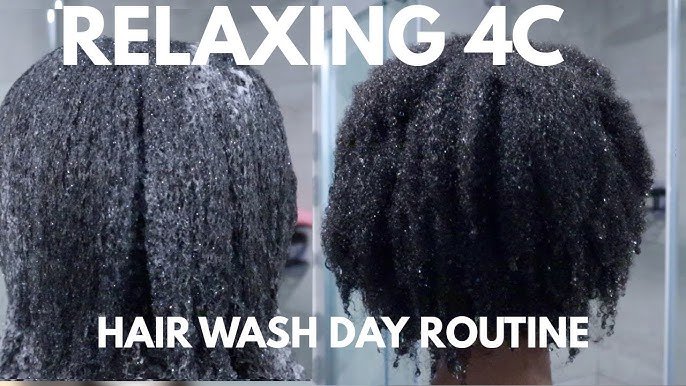
Are you tired of battling with your 4C hair every morning? Do you find yourself overwhelmed by endless products and advice that just don’t seem to work?
You’re not alone. Caring for 4C hair can feel like a never-ending challenge, but it doesn’t have to be. Imagine waking up to hair that’s manageable, healthy, and full of life. This isn’t just a dream—it’s a possibility. In this guide, we’re diving into the world of 4C hair care, uncovering simple, effective strategies that you can easily incorporate into your routine.
Forget the frustration and embrace the beauty of your natural curls. You’re about to discover how to transform your hair care routine and unlock the true potential of your 4C hair. Ready to see results that speak for themselves? Let’s get started!
Characteristics Of 4c Hair
Understanding the characteristics of 4C hair is key to caring for it properly. This hair type is unique and beautiful but often misunderstood. Getting to know its specific traits helps you choose the right products and routines to keep your hair healthy and thriving.
Curl Pattern And Texture
4C hair has a very tight curl pattern, often appearing as small, densely packed coils. The texture feels soft but can also seem fragile and delicate. Unlike looser curl types, 4C hair shrinks significantly—sometimes up to 75% of its actual length.
Because of this tight curl pattern, your hair might look shorter than it really is. This shrinkage can be surprising if you haven’t seen it before. Do you notice how your hair seems to disappear when it’s dry? That’s shrinkage at work, and it’s a sign of healthy curls.
Common Challenges
One of the biggest challenges with 4C hair is moisture retention. The tight curls make it hard for natural oils to travel down the hair shaft, leading to dryness. You might find your hair feels brittle or breaks easily if not properly moisturized.
Another common issue is tangling and shrinkage, which can make detangling a slow and careful process. Have you ever spent a long time trying to comb through your curls only to end up frustrated? That’s why gentle handling and using the right tools are crucial.
- Dryness and breakage
- Difficulty in detangling
- Shrinkage that masks true length
- Sensitivity to harsh products
Knowing these challenges helps you anticipate what your hair needs. What small change could you try today to make your routine more effective?
Essential Moisturizing Techniques
Moisturizing 4C hair is vital for keeping it healthy and strong. This hair type tends to be dry because natural oils have a hard time traveling down its tight curls. Proper moisture helps prevent breakage and promotes growth. Using the right techniques ensures hair stays soft, shiny, and manageable.
Daily Hydration Methods
Hydrating 4C hair daily keeps strands flexible and reduces dryness. Use a spray bottle filled with water or a water-based leave-in conditioner. Lightly mist your hair each morning or whenever it feels dry. Follow with a natural oil or butter to lock in moisture.
- Spritz water or leave-in conditioner to dampen hair.
- Seal moisture with oils like jojoba, coconut, or shea butter.
- Use gentle finger detangling to spread products evenly.
- Cover hair with a satin scarf or bonnet overnight.
Deep Conditioning Benefits
Deep conditioning restores moisture deep inside 4C hair strands. It helps repair damage and strengthens hair over time. Use a rich, creamy conditioner designed for curly or coily hair. Apply after shampooing and leave it on for 20-30 minutes. Heat can improve absorption, so wrap hair with a warm towel or use a heat cap.
- Improves elasticity and reduces breakage.
- Softens hair, making detangling easier.
- Enhances shine and overall hair health.
- Supports moisture retention for longer periods.
Cleansing Without Stripping
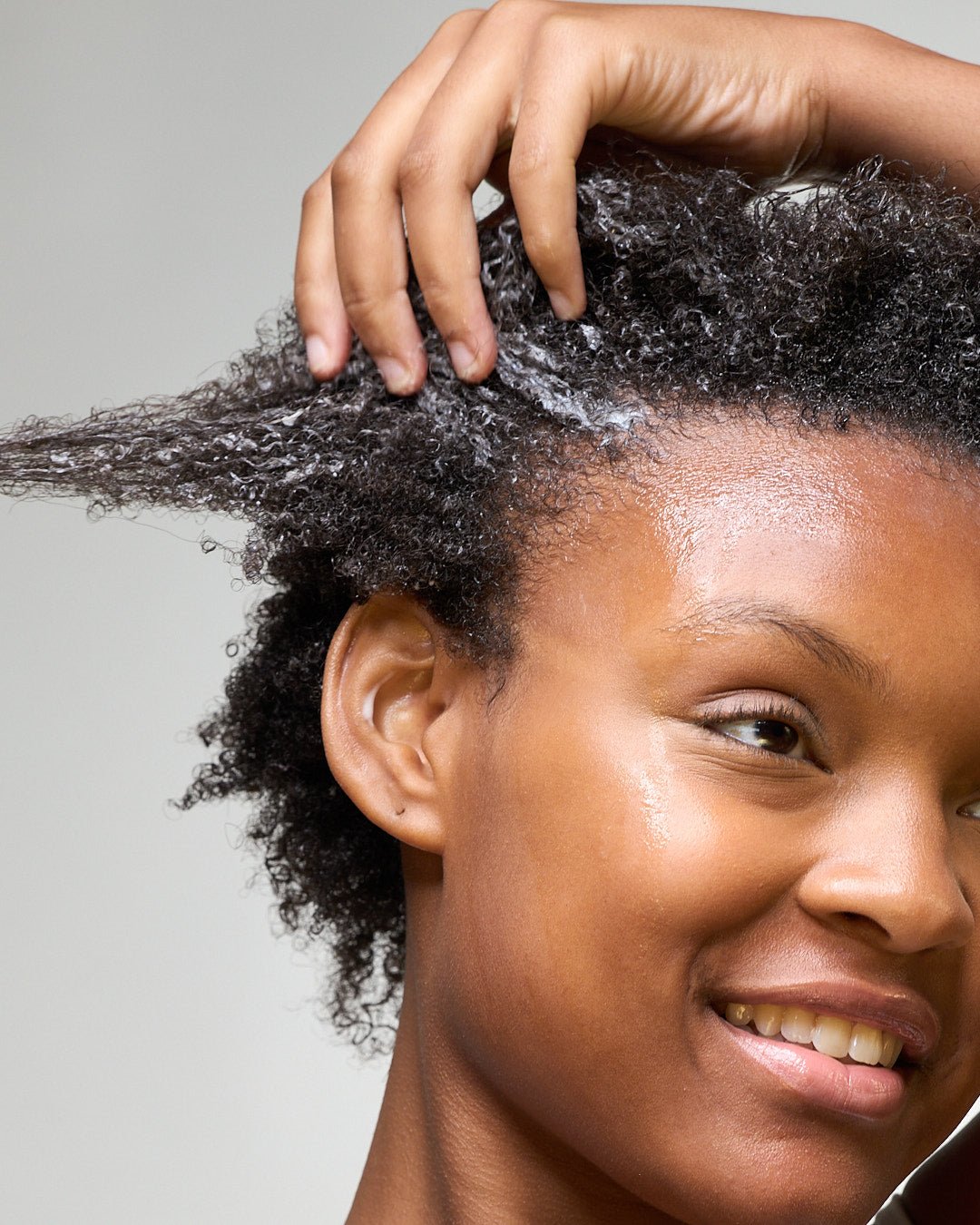
Cleansing 4C hair requires care to keep moisture intact. This hair type is naturally dry and fragile. Using harsh shampoos can strip essential oils. Stripping leads to dryness, breakage, and frizz. Gentle cleansing is key to healthy 4C hair. It removes dirt but protects natural oils.
Choosing the right cleansing method supports hair strength. It keeps curls defined and scalp balanced. Avoid products with sulfates and harsh chemicals. Focus on hydration and nourishment during washing.
Choosing The Right Shampoo
Select shampoos designed for dry, curly hair. Look for sulfate-free formulas to prevent dryness. Ingredients like shea butter, coconut oil, and aloe vera hydrate hair. Avoid shampoos with alcohol or strong fragrances. These can cause irritation and dryness.
Clarifying shampoos can be used once a month. They remove buildup without harming hair moisture. Always follow with a rich conditioner to restore softness.
Co-washing Advantages
Co-washing means washing hair with conditioner only. It cleanses gently without stripping natural oils. This method suits 4C hair’s need for moisture. Co-washing reduces frizz and keeps curls soft.
Use a lightweight conditioner with cleansing agents. Massage scalp well to remove dirt and buildup. Rinse thoroughly to avoid residue. Alternate co-washing with shampooing for best results.
Protective Styling Options
Protective styling is essential for maintaining healthy 4C hair. These styles help reduce breakage and retain moisture. They shield your hair from daily wear and tear. Protective styles also give your hair a chance to grow stronger. Choose styles that limit manipulation and keep your ends tucked away.
Low-manipulation Styles
Low-manipulation styles reduce the need for daily combing or brushing. They protect hair from damage caused by friction. Some popular low-manipulation options include:
- Twist-outs and braid-outs, which are gentle and easy to maintain
- Two-strand twists, a simple style that keeps hair neat
- Bantu knots, which protect ends and create curls
- Wash-and-go styles with minimal touching
These styles help keep your hair healthy by preventing tangles and breakage.
Nighttime Protection Tips
Nighttime care is crucial for 4C hair health. Protect hair while you sleep to avoid dryness and damage. Use satin or silk scarves and bonnets to reduce friction. These materials keep moisture locked in and prevent frizz.
Sleep on a satin or silk pillowcase if you prefer not to cover your hair. Moisturize hair lightly before bed to maintain hydration. Consider loose braids or twists to keep hair controlled overnight. These simple steps help your hair stay healthy and strong.
Detangling Tips For Minimal Breakage
Detangling 4C hair requires patience and care to avoid breakage. This hair type is delicate and prone to tangling. Using the right techniques helps keep hair strong and healthy. Gentle detangling protects curls and reduces hair loss.
Best Tools To Use
- Wide-tooth combs ease through knots without pulling hair.
- Detangling brushes with soft bristles work well on 4C hair.
- Fingers gently separate strands and prevent damage.
- Spray bottles help keep hair moist during detangling.
Step-by-step Detangling Process
- Start by moistening your hair with water or a leave-in conditioner.
- Divide hair into small sections for easier handling.
- Apply a generous amount of detangling product to each section.
- Use your fingers to gently loosen knots before using a comb.
- Comb from the ends toward the roots slowly and carefully.
- Repeat for all sections, keeping hair damp throughout the process.
- Finish by sealing in moisture with an oil or cream.

Credit: www.youtube.com
Nourishing Ingredients To Look For
Choosing the right ingredients for your 4C hair care routine can make all the difference in maintaining moisture, strength, and shine. Your hair thrives on nourishment that supports its unique texture and porosity. Knowing what to look for helps you avoid guesswork and wasted products.
Natural Oils And Butters
Natural oils and butters are essential for locking in moisture and preventing breakage in 4C hair. Oils like coconut, jojoba, and castor penetrate deep to strengthen strands from within. Butters such as shea and mango create a protective barrier, sealing moisture and softening hair.
Think about adding a few drops of argan oil to your leave-in conditioner or using a shea butter-based cream to seal your ends. These ingredients don’t just add shine; they actively repair and protect your hair. Have you noticed how your hair feels after using natural oils compared to synthetic products?
Avoiding Harmful Chemicals
Many hair care products contain sulfates, parabens, and silicones that strip natural oils and cause buildup. For 4C hair, this can mean dryness, breakage, and slowed growth. Reading labels carefully helps you avoid these damaging ingredients.
Look for products labeled sulfate-free and paraben-free to keep your scalp and strands healthy. Silicone-free options prevent residue that weighs down your curls. What changes might you see if you swap out harsh chemicals for gentle, nourishing alternatives?
Lifestyle Habits For Healthy Hair
Healthy 4C hair thrives not just from the products you use but also from the lifestyle choices you make every day. Your daily habits can either strengthen your hair or cause it to break and lose its natural shine. Paying attention to what you eat, how much water you drink, and how you manage stress can create a strong foundation for beautiful, resilient hair.
Diet And Hydration
Your hair needs nutrients to grow strong and stay healthy. Eating foods rich in vitamins A, C, and E, along with iron and omega-3 fatty acids, supports scalp health and hair growth. Think leafy greens, nuts, fish, and fruits.
Hydration matters just as much. Drinking enough water keeps your scalp moisturized from within, which prevents dryness and breakage. If you’ve noticed your hair feels brittle, ask yourself—are you drinking enough water every day?
Stress Management
Stress can cause hair to shed more than usual and slow down growth. Finding ways to relax isn’t just good for your mind—it’s essential for your hair’s health too. Activities like yoga, meditation, or even a simple daily walk can lower your stress levels.
Have you ever noticed more hair in your brush after a stressful week? That’s your body telling you it needs a break. Making time to unwind can help reduce hair loss and keep your curls vibrant and strong.
Credit: cheribe.com

Credit: www.youtube.com
Frequently Asked Questions
What Is The Best Shampoo For 4c Hair?
The best shampoo for 4C hair is sulfate-free and moisturizing. It gently cleanses without stripping natural oils, preserving moisture and softness.
How Often Should I Wash 4c Hair?
Wash 4C hair every 1-2 weeks. Frequent washing can cause dryness. Use a gentle cleanser and deep condition afterward.
How Can I Retain Moisture In 4c Hair?
Use water-based leave-in conditioners and seal with oils like shea butter. Avoid harsh products and protect hair with satin scarves.
What Are The Best Protective Styles For 4c Hair?
Protective styles like braids, twists, and bantu knots reduce manipulation. They help retain length and protect hair from damage and breakage.
Conclusion
Caring for 4C hair needs patience and gentle steps. Moisture keeps hair soft and strong every day. Use products made for your hair type. Avoid harsh chemicals that cause damage or dryness. Protective styles help reduce breakage and promote growth.
Regular washing and deep conditioning support healthy strands. Listen to your hair’s needs and adjust care routines. Healthy 4C hair shows its beauty with time and care. Keep your hair routine simple, consistent, and kind. Your hair will thank you with shine and strength.
