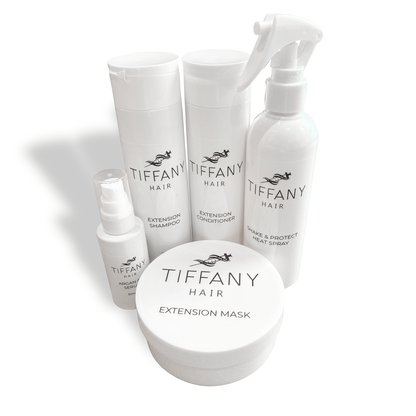
Imagine stepping into a world where your hair feels like it’s always just stepped out of a salon. “Hair Care by Tiffany” is here to make that dream a reality.
Whether you’re battling frizz, seeking shine, or simply want to maintain those luscious locks, Tiffany has the secrets you’ve been looking for. This isn’t just any hair care routine; it’s a personalized experience designed with your unique needs in mind.
Curious about how to transform your hair into a crowning glory? Read on to discover how Tiffany’s expert touch and innovative techniques can turn every day into a great hair day. Your hair deserves the best, and you’re just a few scrolls away from finding out how to achieve it.
Daily Hair Care Routine
Keeping hair healthy needs a simple daily routine. Each step helps your hair look shiny and strong. Consistency is key for good hair care results. Follow easy habits to protect your hair every day.
Cleansing Tips
Use a gentle shampoo suited for your hair type. Avoid washing hair with very hot water. Rinse thoroughly to remove all shampoo. Don’t wash hair too often to keep natural oils. Use your fingertips to massage the scalp softly. This helps remove dirt and improves blood flow.
Conditioning Essentials
Apply conditioner mainly on hair ends, not scalp. Let it sit for a few minutes before rinsing. Choose a conditioner that matches your hair needs. Regular conditioning keeps hair soft and prevents breakage. Avoid heavy products that weigh hair down.
Scalp Care
Keep your scalp clean and moisturized daily. Use a scalp serum or light oil if dry. Avoid scratching or harsh brushing on the scalp. Healthy scalp supports strong hair growth. Regular scalp care reduces dandruff and irritation.
Choosing The Right Products
Choosing the right hair care products is key to healthy, beautiful hair. Products work differently depending on hair type and needs. Picking suitable items helps protect hair and improves its look. Understanding product types and ingredients guides better choices.
Shampoos And Conditioners
Shampoos clean hair and scalp by removing dirt and oil. Conditioners soften and smooth hair strands. Choose shampoos and conditioners made for your hair type—dry, oily, curly, or color-treated. Look for moisturizing formulas if hair feels dry or brittle. Lightweight options suit fine or oily hair. Using matching shampoo and conditioner brands can improve results.
Hair Oils And Serums
Hair oils add shine and reduce frizz. Serums protect hair from heat and environmental damage. Apply oils sparingly to avoid greasy hair. Serums work well on damp or dry hair to smooth flyaways. Natural oils like argan, coconut, and jojoba nourish hair deeply. Use products that do not weigh hair down.
Avoiding Harmful Ingredients
Some ingredients harm hair and scalp health. Avoid shampoos or conditioners with sulfates, parabens, and alcohol. These can dry out hair and cause irritation. Harsh chemicals strip natural oils and weaken hair strands. Choose products labeled as gentle or sulfate-free. Reading ingredient lists helps prevent damage.
Hair Nutrition And Diet
What you eat directly affects the health of your hair. Hair needs specific nutrients to grow strong and shiny. Paying attention to your diet can make a real difference in how your hair looks and feels.
Foods For Strong Hair
Adding certain foods to your meals can boost your hair’s strength. Protein-rich options like eggs, chicken, and beans support hair structure since hair is mostly made of protein.
Omega-3 fatty acids found in salmon and walnuts keep your scalp healthy and prevent dryness. Don’t forget leafy greens such as spinach and kale; they provide iron and vitamins that promote hair growth.
Vitamin C from citrus fruits helps your body absorb iron better, which is essential for preventing hair loss. What’s on your plate today to help your hair grow stronger?
Supplements That Help
Sometimes, food alone might not cover all your hair’s nutritional needs. Biotin supplements are popular for improving hair thickness and shine. Zinc and vitamin D also support hair health by reducing shedding and encouraging growth.
Before starting any supplement, check with a healthcare provider to find the right type and dose for you. Have you noticed any signs that your hair might need extra nutritional support?
Hydration And Hair Health
Drinking enough water is just as important as eating the right foods for your hair. Hydration keeps your scalp moisturized, reducing dryness and irritation. It also helps transport nutrients to your hair follicles efficiently.
If you often feel thirsty or notice your hair becoming brittle, try increasing your water intake. How much water do you drink daily, and could it be affecting your hair’s condition?
Styling Without Damage
Styling hair can enhance your look but may cause damage if done carelessly. Protecting your hair while styling keeps it healthy and shiny. Using the right techniques and tools reduces breakage and dryness. It also helps maintain natural moisture and strength.
Heat Protection Tips
Heat can weaken hair fibers and cause split ends. Apply a heat protectant spray before using hot tools. Use the lowest temperature setting that works for your hair type. Avoid holding heat on one spot for too long. Let your hair air dry partially before using straighteners or curling irons.
Gentle Styling Tools
Choose brushes and combs with soft, flexible bristles. Avoid metal or hard plastic tools that pull or snag hair. Use wide-tooth combs on wet hair to prevent breakage. Opt for ceramic or tourmaline flat irons for even heat distribution. Replace old tools that have rough edges or worn-out bristles.
Protective Hairstyles
Styles like braids, buns, and twists protect hair from friction and damage. Avoid tight hairstyles that pull on the scalp and roots. Use soft hair ties or scrunchies instead of elastic bands. Change hairstyles regularly to prevent stress on the same areas. Protective styles help retain moisture and reduce split ends.
Dealing With Common Hair Issues
Dealing with common hair issues can feel overwhelming. Many face dryness, breakage, and dandruff. Understanding these problems helps in caring for hair better. Simple steps can restore hair health and shine.
Dryness And Frizz
Dry hair lacks moisture and feels rough. Frizz happens when hair cuticles lift and trap air. Both make hair look dull and hard to manage.
- Use gentle shampoos that hydrate hair.
- Apply conditioner every time you wash your hair.
- Try leave-in conditioners or hair oils to lock moisture.
- Avoid heat styling tools or use heat protectants.
- Limit washing hair to prevent stripping natural oils.
Hair Breakage
Breakage causes hair to snap and look thin. It happens from harsh brushing or chemical treatments.
- Use a wide-tooth comb to detangle wet hair.
- Trim hair regularly to prevent split ends.
- Avoid tight hairstyles that pull on hair roots.
- Choose gentle hair products without sulfates or alcohol.
- Eat a balanced diet rich in vitamins and proteins.
Dandruff Solutions
Dandruff causes flakes and scalp itching. It results from dry scalp or excess oil and fungus.
- Use anti-dandruff shampoos with zinc or ketoconazole.
- Massage scalp gently to remove flakes and improve blood flow.
- Rinse hair thoroughly to avoid product buildup.
- Keep scalp clean but avoid over-washing.
- Reduce stress as it can worsen dandruff.
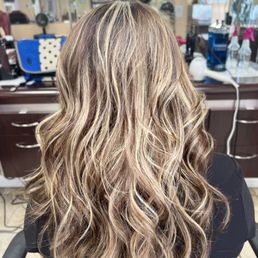
Credit: m.yelp.com
Seasonal Hair Care
Hair care changes with the seasons. Your hair faces different challenges in summer and winter, so your routine should shift too. Paying attention to these changes keeps your hair healthy and vibrant all year.
Summer Protection
Summer sun and heat can dry out your hair and cause damage. You need to protect your hair from UV rays and chlorine if you swim. Try wearing a hat or using a UV-protectant spray before going outdoors.
Use lightweight conditioners to avoid buildup but keep your hair hydrated. Rinse your hair with fresh water after swimming to remove chlorine or salt. Have you noticed your hair feeling brittle after a day at the beach? That’s your hair asking for extra care.
Winter Moisturizing
Cold air and indoor heating strip moisture from your hair. Your scalp may feel dry or itchy, and your hair could become frizzy or dull. Switch to richer conditioners and deep conditioning treatments to lock in moisture.
Consider oils like argan or coconut to add shine and softness. Avoid washing your hair with very hot water as it worsens dryness. How often do you moisturize your hair during winter? Increasing this can make a big difference.
Adjusting Routine Year-round
Your hair’s needs shift not only between seasons but also with changes in humidity and temperature. Pay attention to how your hair reacts and tweak your shampoo, conditioner, and styling products accordingly.
For example, you might wash less frequently in winter to avoid stripping oils, but increase washing in summer to remove sweat and dirt. Keep a hair care journal to track what works best for you throughout the year. Are you listening to your hair’s signals enough?
Professional Treatments
Professional treatments can change the way your hair looks and feels. They offer targeted solutions that over-the-counter products often can’t match. Whether you want to repair damage, add shine, or boost volume, expert care can make a real difference.
Salon Services Worth Trying
Not all salon treatments are the same. Some popular options include keratin smoothing treatments, deep conditioning masks, and scalp detoxes.
- Keratin smoothing:Helps reduce frizz and adds smoothness that lasts for weeks.
- Deep conditioning masks:Restore moisture and strengthen weak strands.
- Scalp detox:Clears buildup that can block hair growth.
Have you ever felt your hair is missing something after washing? A professional treatment could be the boost it needs.
When To Seek Expert Help
If your hair feels dry, brittle, or breaks easily, it’s a sign to see a pro. Home remedies might not fix underlying damage.
Also, if you’ve tried various products with no success, a stylist can assess your hair type and suggest what works best. Don’t wait until your hair is too damaged; early intervention can save a lot of frustration.
Diy Hair Masks
You can still care for your hair at home with simple DIY masks. Ingredients like avocado, honey, and yogurt are easy to find and great for nourishment.
- Avocado mask:Mash one ripe avocado, mix with a tablespoon of olive oil, and apply for 20 minutes.
- Honey and yogurt mask:Combine two tablespoons of honey with three tablespoons of yogurt for hydration and shine.
These masks won’t replace professional treatments but can keep your hair healthy between salon visits. Have you tried any homemade masks that surprised you with results?
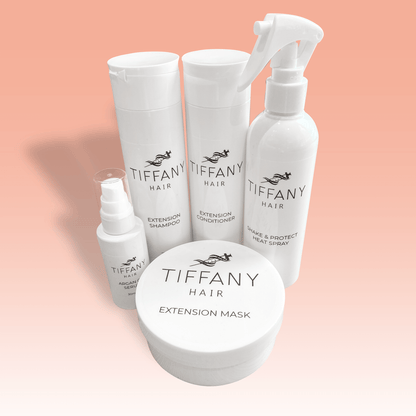
Credit: tiffanyhair.co.uk

Credit: www.hairvitalityoasis.com
Frequently Asked Questions
What Are Tiffany’s Top Hair Care Tips?
Tiffany recommends regular washing with gentle shampoo and conditioner. She emphasizes deep conditioning weekly for hydration. Avoid heat styling to prevent damage. Use natural oils like argan for shine and nourishment. Trim hair every 6-8 weeks to maintain health and prevent split ends.
How Does Tiffany Suggest Treating Dry Hair?
Tiffany advises using moisturizing masks rich in natural oils. Limit shampooing to avoid stripping oils. Incorporate leave-in conditioners for added hydration. Avoid hot water and harsh chemicals. Drinking water and a balanced diet also help improve hair moisture from within.
Which Hair Products Does Tiffany Recommend?
Tiffany prefers sulfate-free shampoos and silicone-free conditioners. She suggests products with natural ingredients like coconut oil and aloe vera. For styling, lightweight serums and heat protectants are essential. Avoid products with alcohol to prevent dryness and damage.
How Often Should Hair Be Washed According To Tiffany?
Tiffany suggests washing hair 2-3 times weekly to maintain natural oils. Over-washing can cause dryness and scalp irritation. Adjust frequency based on hair type and lifestyle. Use dry shampoo on off days for freshness without washing.
Conclusion
Taking care of your hair need not be hard or confusing. Small steps every day can bring big changes. Use gentle products and avoid harsh treatments. Keep your hair clean and moisturized for best results. Healthy hair shows your natural beauty and boosts confidence.
Remember, patience and consistency matter most in hair care. Trust your hair’s needs and treat it kindly. Enjoy the journey to stronger, shinier hair with simple habits. Hair care by Tiffany helps you feel your best every day.
