Taking care of your hair doesn’t have to be complicated. You want your hair to look healthy, feel soft, and shine with life every day.
But where do you start? Understanding the basics of hair care can make a huge difference in how your hair looks and feels. This article will guide you through simple, effective steps you can take right now to improve your hair’s health.
Keep reading, and discover easy tips that will make your hair care routine work for you—because your hair deserves the best.
Credit: rexonlondon.com
Hair Types And Needs
Understanding your hair type is key to good hair care. Hair varies in texture, thickness, and moisture needs. Each type requires different products and routines. Meeting your hair’s unique needs keeps it healthy and strong. Let’s explore how to identify your hair type, adapt care to your texture, and address common concerns.
Identifying Your Hair Type
Hair types fall into four main categories: straight, wavy, curly, and coily. Each type has unique features. Straight hair lies flat and shines easily. Wavy hair forms loose or defined waves. Curly hair has tight curls or ringlets. Coily hair is very tight and springy.
Besides pattern, consider thickness and porosity. Thickness means how fine or thick each strand is. Porosity shows how well hair absorbs and holds moisture. Knowing these details guides your hair care choices.
Tailoring Care To Hair Texture
Different textures need different care. Straight hair can get oily quickly and may need gentle cleansing. Wavy hair benefits from light moisturizing and minimal heat styling. Curly hair needs extra hydration and products that define curls. Coily hair thrives with rich moisturizers and protective styles.
Use shampoos, conditioners, and treatments suited to your texture. Avoid harsh chemicals that dry out your hair. Regular trims help keep all textures healthy and prevent split ends.
Common Hair Concerns
Hair problems vary by type. Oily scalp, dryness, breakage, and frizz affect many people. Straight hair often struggles with oiliness and flatness. Wavy hair may face frizz and uneven waves. Curly and coily hair can be dry and prone to breakage.
- Oily scalp: Wash regularly with gentle shampoo.
- Dry hair: Use deep conditioners and oils.
- Frizz: Apply leave-in conditioners or anti-frizz serums.
- Breakage: Avoid heat tools and tight hairstyles.
Recognizing your hair concerns helps choose the right treatments. Healthy hair starts with understanding its type and needs.
Cleansing And Washing
Cleansing and washing your hair is the foundation of any effective hair care routine. It removes dirt, oil, and product buildup that can weigh down your strands and scalp. But how you wash and what you use can make a big difference in your hair’s health and appearance.
Choosing The Right Shampoo
Not all shampoos are created equal, and picking the right one depends on your hair type and scalp condition. If you have dry hair, look for shampoos labeled moisturizing or hydrating. For oily scalps, choose clarifying shampoos that help control excess oil without stripping your hair.
Pay attention to ingredients. Sulfate-free shampoos tend to be gentler and help maintain natural oils. Have you ever noticed how some shampoos leave your hair feeling squeaky clean while others feel soft? That’s the impact of their formulation.
Washing Frequency Tips
How often you wash your hair depends on your lifestyle, hair type, and personal preference. Washing daily might strip natural oils, causing dryness, especially if your hair is curly or coarse. On the other hand, oily hair may require more frequent washing to avoid buildup and discomfort.
Try starting with washing every other day and adjust based on how your scalp feels. Notice if your hair gets greasy quickly or becomes dry and brittle. Your scalp’s natural balance is a good guide to finding your ideal washing schedule.
Proper Shampooing Techniques
Apply shampoo primarily to your scalp, not the ends of your hair. The scalp produces oils and sweat that need cleansing, while the hair strands generally get cleaned during rinsing. Massaging your scalp gently with your fingertips helps stimulate blood flow and removes buildup.
Rinse thoroughly with lukewarm water to avoid residue that can cause irritation or dullness. Avoid using hot water as it can dry out your scalp and hair. Have you tried changing the water temperature during your wash? It often makes a surprising difference.
Conditioning Essentials
Conditioning is a key step in any hair care routine. It restores moisture, smooths the hair cuticle, and protects your strands from damage. Without proper conditioning, your hair can become dry, brittle, and prone to breakage.
Benefits Of Conditioner
Conditioner helps to detangle hair, making it easier to manage and style. It adds softness and shine, improving the overall look and feel of your hair.
Using conditioner regularly reduces frizz and protects hair from environmental stress, like pollution and heat from styling tools. Have you noticed how your hair feels after skipping conditioner? It often becomes rough and tangled.
Selecting Suitable Conditioners
Choosing the right conditioner depends on your hair type and needs. If your hair is oily, opt for lightweight, volumizing formulas. Dry or damaged hair benefits from rich, moisturizing conditioners with ingredients like shea butter or argan oil.
Consider specific concerns such as color-treated hair or scalp sensitivity. Reading product labels helps you avoid harmful ingredients like sulfates and parabens that can worsen hair health.
Deep Conditioning Methods
Deep conditioning provides intense hydration and repair beyond daily conditioning. You can use store-bought masks or create DIY treatments with natural ingredients like coconut oil or honey.
Applying heat while deep conditioning boosts absorption. Wrap your hair in a warm towel or use a shower cap for 15-30 minutes to maximize benefits.
How often should you deep condition? Once a week is a great starting point to keep your hair strong and healthy without weighing it down.
Drying And Styling
Drying and styling are key parts of hair care. Proper techniques keep hair strong and shiny. Mistakes during drying and styling can cause damage. Follow simple tips to protect hair and look great.
Healthy Drying Practices
Start by gently squeezing water from wet hair. Avoid rough rubbing with a towel. Use a soft, absorbent towel or microfiber cloth. Let hair air dry as much as possible. If using a blow dryer, choose a low heat setting. Keep the dryer at least six inches away from hair. Move the dryer constantly to avoid heat spots.
Heat Styling Precautions
Heat tools can make hair dry and brittle. Always apply a heat protectant spray before styling. Use the lowest effective temperature on straighteners and curling irons. Limit heat styling to a few times each week. Give hair breaks from heat to recover. Clean heat tools regularly to ensure even heat distribution.
Protective Styling Options
Protective styles help reduce hair breakage. Choose styles like braids, buns, or twists. Avoid tight hairstyles that pull on the scalp. Use soft hair ties or scrunchies to prevent damage. Keep styles loose to allow scalp breathing. Change styles often to avoid stress on the same areas.
Nourishment And Diet
Your hair’s health starts from within, and what you eat plays a big role in how strong and shiny your hair looks. Nourishing your body with the right foods and nutrients can boost your hair growth and reduce damage. Let’s look at how diet impacts your hair and what you can do to feed your strands the best.
Foods For Strong Hair
Eating the right foods can make a noticeable difference in your hair’s strength and shine. Protein-rich foods like eggs, chicken, and beans provide the building blocks your hair needs to grow. Omega-3 fatty acids, found in fish like salmon and flaxseeds, help keep your scalp healthy and your hair moisturized.
Don’t forget vitamins like A, C, and E, which support hair growth and protect your strands from damage. Leafy greens, carrots, and citrus fruits are great options to add to your meals. Have you noticed how your hair feels after a week of eating more greens?
Hydration And Hair Health
Water isn’t just good for your body; it’s essential for your hair too. Staying hydrated helps keep your scalp moisturized and prevents dryness and brittleness. Try to drink at least 8 glasses of water a day to give your hair the hydration it needs from the inside out.
If plain water feels boring, herbal teas or infused water with fruits can make hydration more enjoyable. What creative ways have you found to drink more water daily?
Supplements To Consider
Sometimes, your diet alone might not cover all the nutrients your hair needs. Supplements like biotin, zinc, and vitamin D have shown benefits in supporting hair growth and strength. Before starting any supplement, it’s best to check with a healthcare professional to find what suits you.
I’ve tried biotin during a stressful period, and it helped reduce my hair fall noticeably. Have you ever tried supplements to improve your hair, and what was your experience?
Credit: www.khaleejtimes.com
Scalp Care
Healthy hair starts with a healthy scalp. The scalp is the foundation where hair grows. Taking care of it ensures strong, shiny hair. Neglecting scalp care can lead to dryness, itchiness, and hair loss. Simple daily habits keep the scalp clean and balanced.
Maintaining Scalp Cleanliness
Clean scalp means less dirt and oil buildup. Use a gentle shampoo suited for your scalp type. Avoid harsh products that strip natural oils. Wash hair regularly, but not too often to avoid dryness. Rinse thoroughly to remove all shampoo residues. Use lukewarm water instead of hot water to protect the scalp.
Treating Scalp Issues
Common scalp problems include dandruff, itchiness, and redness. Use medicated shampoos or treatments for dandruff control. Avoid scratching to prevent irritation or infection. Keep the scalp moisturized with light oils or serums. Consult a dermatologist if problems persist or worsen. Early care prevents long-term damage to hair roots.
Scalp Massage Benefits
Massage improves blood flow to hair follicles. This stimulates hair growth and strengthens roots. Use fingertips, not nails, to massage gently. Regular scalp massage reduces stress and tension. It also helps spread natural oils evenly across the scalp. Spend a few minutes daily for best results.
Avoiding Damage
Keeping your hair healthy starts with knowing how to avoid damage. Damage can sneak in through everyday habits and environmental factors you might not even notice. Understanding what harms your hair helps you protect your strands and keep them looking vibrant.
Common Hair Damaging Habits
Do you often brush your hair when it’s wet? Wet hair is more fragile and prone to breakage. Try using a wide-tooth comb instead of a regular brush to gently detangle.
Using heat tools like straighteners or curling irons daily can dry out your hair. Have you ever noticed your hair feeling brittle after styling? Cutting back on heat or using a heat protectant spray can make a big difference.
Washing hair too frequently strips away natural oils. How often do you shampoo your hair? Aim for every other day or even less if your scalp allows, to keep moisture balanced.
Protecting Hair From Environmental Stress
Sun exposure can cause your hair to lose moisture and fade in color. Wearing a hat or using hair products with UV protection can shield your hair during long outdoor activities.
Pollution deposits dirt and toxins on your scalp, clogging follicles and weakening strands. Rinse your hair with clean water after exposure, or try a gentle clarifying shampoo once a week.
Cold weather can make hair dry and brittle. Using a moisturizing conditioner and avoiding harsh shampoos helps maintain hydration during winter months.
Handling Chemical Treatments
Coloring, bleaching, and perming alter your hair’s structure and can cause damage if not done carefully. Have you noticed dryness or breakage after a chemical treatment? Scheduling treatments with a professional and following up with deep conditioning can minimize harm.
Don’t mix chemical processes too closely together. Allow your hair time to recover before the next treatment to avoid overwhelming the strands.
After chemical treatments, use products designed for treated hair to maintain strength and shine. Your hair needs extra care during this time, so choose nourishing shampoos and masks.
Hair Care Routine Tips
Building a strong hair care routine forms the foundation for healthy, shiny hair. Simple daily habits support hair growth and prevent damage. Consistency matters more than fancy products. Small changes bring visible results over time.
Creating A Consistent Schedule
Choose specific days for washing and conditioning your hair. Stick to this schedule to avoid over-washing or dryness. Use gentle shampoo and conditioner suited for your hair type. Brush hair carefully to prevent breakage. Consistent care strengthens hair roots and reduces split ends.
Adjusting Routine Seasonally
Hair needs change with weather and temperature. In winter, hair may need extra moisture to avoid dryness. Use richer conditioners or oils during cold months. In summer, protect hair from sun and chlorine damage. Switch to lighter products that won’t weigh hair down. Seasonal adjustments keep hair balanced and healthy all year.
Incorporating Hair Masks And Oils
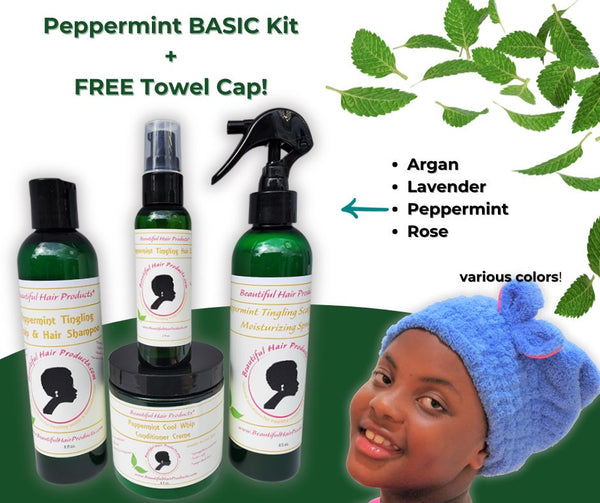
Hair masks provide deep nourishment and repair damage. Apply masks once or twice a week for best results. Oils like coconut, argan, or jojoba seal moisture and add shine. Massage oils gently into scalp to boost circulation. Regular use of masks and oils keeps hair soft and strong.
Credit: beautifulhairproducts.com
Frequently Asked Questions
What Are The Essential Steps In Basic Hair Care?
Basic hair care includes regular washing, conditioning, and gentle drying. Use a mild shampoo suited to your hair type. Apply conditioner to keep hair soft and manageable. Avoid excessive heat styling and protect hair from environmental damage.
How Often Should I Wash My Hair For Best Results?
Washing frequency depends on your hair type and lifestyle. Generally, washing 2-3 times a week suits most people. Overwashing can strip natural oils, causing dryness. If your scalp is oily, you may need more frequent washing.
What Types Of Shampoo Work Best For Healthy Hair?
Choose a shampoo based on your hair type and concerns. For dry hair, use moisturizing shampoos. For oily hair, use clarifying shampoos. Sulfate-free shampoos are gentle and help maintain natural oils.
How Can I Prevent Hair Damage From Heat Styling?
Use heat protectant sprays before styling with heat tools. Limit heat exposure by using lower temperature settings. Avoid daily heat styling to reduce damage. Regularly trim split ends to keep hair healthy.
Conclusion
Healthy hair needs regular care and attention. Use gentle products to maintain shine. Avoid excessive heat to prevent damage. Consistent trimming helps avoid split ends. Stay hydrated for better hair health. A balanced diet supports strong, vibrant hair. Listen to your hair’s needs.
Adjust your routine as necessary. Everyone’s hair is unique. Tailor your approach to suit your hair type. Regular care leads to beautiful, strong hair. Embrace the basics for stunning results. Your hair deserves the best care every day. Keep it simple, keep it consistent.
Your efforts will pay off with time. Enjoy your hair journey!
