Imagine stepping out of your home with hair that feels like it’s been pampered by professionals, yet without ever having set foot in a salon. Yes, you can achieve salon-quality hair right at home.
Taking care of your hair doesn’t have to be complicated or expensive. By understanding a few key principles and using everyday products, you can transform your hair care routine into a spa-like experience. Whether you’re battling dryness, frizz, or simply looking to add some shine, the solutions are closer than you think.
Intrigued? Keep reading to uncover the secrets of ultimate hair care at home and discover how you can unlock the full potential of your locks with minimal effort.

Credit: livinglesh.com
Daily Hair Care Habits
Daily hair care habits shape the health and look of your hair more than occasional treatments. Small, consistent actions add up to stronger, shinier hair that feels good to touch. Your daily routine is your first defense against damage and dryness.
Choosing The Right Shampoo And Conditioner
Pick shampoos and conditioners that match your hair type—whether oily, dry, curly, or color-treated. Using the wrong products can strip moisture or weigh hair down. Pay attention to ingredients like sulfate-free formulas for gentle cleansing and added moisturizers for dry strands.
Have you ever noticed your scalp feeling itchy or your hair looking dull after a wash? It might be time to switch products. Trying a small sample before committing helps avoid bad hair days caused by unsuitable shampoos or conditioners.
Proper Washing Techniques
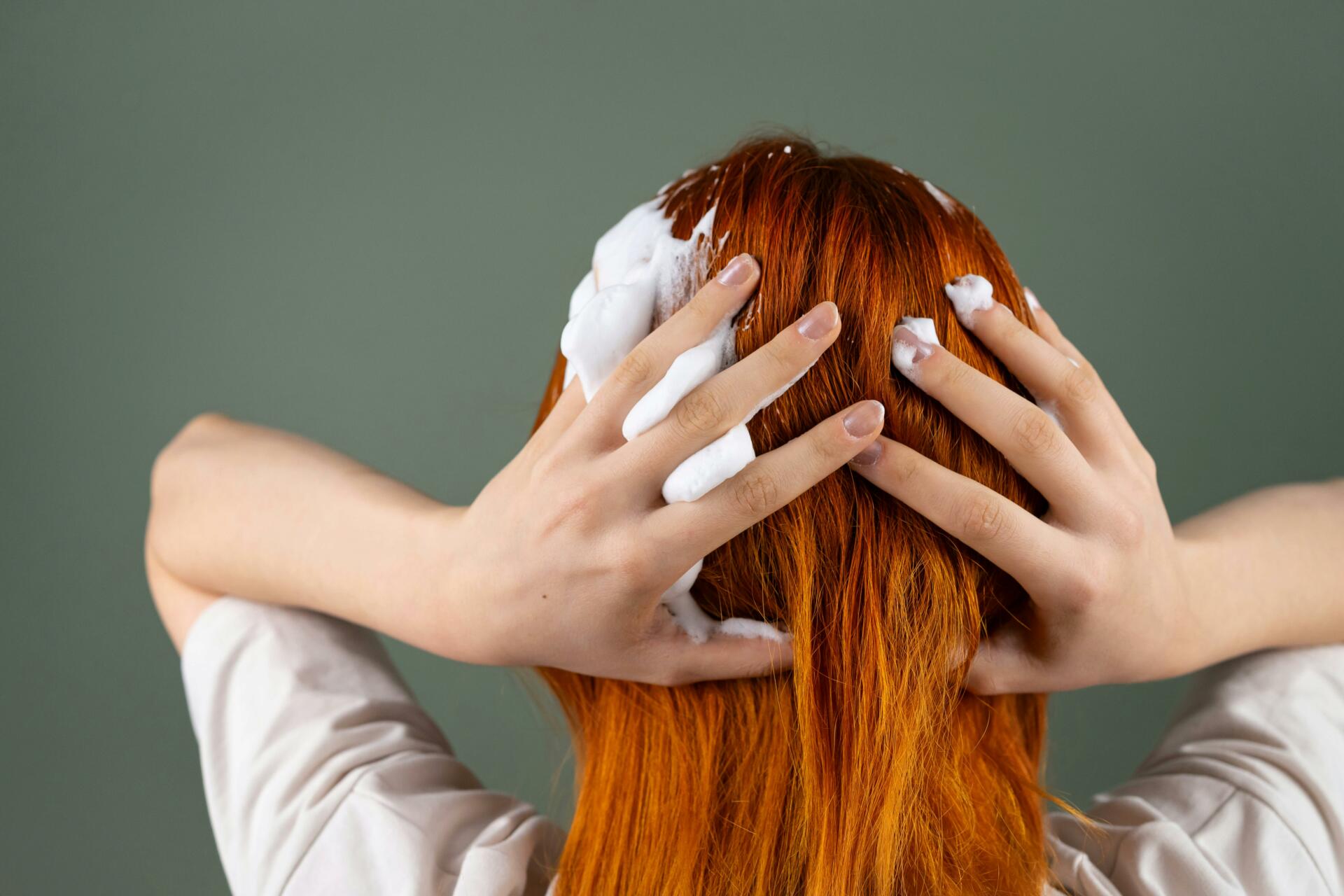
Wash your hair with lukewarm water to protect natural oils. Hot water can dry out your scalp and cause breakage. Focus shampoo on your scalp, where oil and dirt build up, and let the suds rinse through the ends without scrubbing them harshly.
Rinse thoroughly to prevent product buildup, which can lead to itching or flaking. After washing, gently squeeze out excess water with a towel instead of rubbing, which can cause frizz and split ends. Could your washing method be the reason your hair feels rough?
Benefits Of Regular Brushing
Brushing your hair daily helps distribute natural oils from scalp to ends, keeping hair shiny and moisturized. It also improves blood circulation to hair follicles, which supports healthy growth. Use a brush suitable for your hair type—boar bristles for fine hair, wide-tooth combs for curls.
Be gentle when brushing to avoid breaking strands. Starting from the ends and working up prevents pulling and pain. Have you tried brushing your hair before bed? It can reduce tangles and make morning styling easier.
Credit: holygrailhaircare.co.nz
Nourishing Hair Treatments
Nourishing hair treatments play a crucial role in maintaining healthy, shiny, and strong hair right at home. These treatments help restore moisture, repair damage, and protect your hair from everyday stress. You don’t need fancy salon visits to keep your hair in top shape; simple, effective methods can make a big difference.
Diy Hair Masks For Moisture
DIY hair masks are a fantastic way to boost moisture without spending a lot. Natural ingredients like avocado, honey, and yogurt can deeply hydrate your hair and scalp.
- Avocado & Olive Oil Mask:Mash half an avocado and mix it with a tablespoon of olive oil. Apply it evenly, leave it for 20 minutes, then rinse thoroughly.
- Honey & Yogurt Mask:Combine two tablespoons of yogurt with one tablespoon of honey. This blend soothes dry hair and adds softness.
Have you noticed how your hair feels after a natural mask compared to commercial products? It’s often softer and less weighed down.
Using Oils To Strengthen Hair
Oils are not just for shine; they strengthen hair from the roots and reduce breakage. Coconut oil, argan oil, and castor oil are excellent choices to nourish your strands.
Massage a small amount of warm oil into your scalp and hair once or twice a week. This stimulates blood flow and locks in moisture.
Try to leave the oil on for at least an hour or overnight if possible. You’ll find your hair becomes more resilient and less prone to split ends over time.
Heat-free Styling Methods
Heat styling tools can cause damage and dryness. Switching to heat-free styling protects your hair’s natural texture and health.
- Twist and Pin:Twist damp hair and pin it up before bed for soft waves without heat.
- Braid Styles:Braiding your hair while damp can create beautiful curls once dry.
- Wrap Styling:Wrapping your hair around your head keeps it smooth and straight overnight.
What styling techniques do you currently use, and how do they affect your hair’s condition? Experimenting with heat-free options might surprise you with better results.
Protecting Hair From Damage
Protecting hair from damage helps keep it strong and shiny. Hair faces many daily threats that can cause breakage and dryness. Simple habits at home can lower damage and improve hair health.
Avoiding Heat Styling Risks
Heat tools like straighteners and curling irons can harm hair. High temperatures weaken hair strands and cause split ends. Limit heat styling to a few times per week. Always use a heat protectant spray before styling. Let hair air dry when possible to reduce heat exposure.
Shielding Hair From Sun Exposure
Sun rays can dry out hair and fade color. Wear hats or scarves when spending time outside. Use hair products with UV protection to guard strands. Rinse hair after sun exposure to remove salt or chlorine. Keep hair hydrated with regular deep conditioning treatments.
Minimizing Chemical Treatments
Chemicals from dyes, relaxers, and perms weaken hair fibers. Avoid frequent coloring or chemical changes to prevent damage. Choose gentle, ammonia-free hair dyes for safer color. Space out treatments to give hair time to recover. Use nourishing masks to restore moisture after chemical use.
Diet And Lifestyle For Hair Health
Your hair reflects more than just your style—it reveals the state of your diet and lifestyle. What you eat and how you manage daily habits can directly affect the strength, shine, and growth of your hair. Paying attention to these factors can make a noticeable difference, even if you mostly care for your hair at home.
Nutrients That Promote Hair Growth
Hair thrives on nutrients like proteins, vitamins, and minerals. Think of hair as a living tissue that needs fuel to grow strong and healthy.
- Protein:Hair is mostly made of keratin, a type of protein. Eating enough eggs, lean meats, and beans supports hair structure.
- Iron:Lack of iron can cause hair thinning. Add spinach, lentils, and red meat to your meals to keep iron levels up.
- Vitamin C:It helps your body absorb iron and supports collagen, which strengthens hair. Citrus fruits and bell peppers are great sources.
- Omega-3 Fatty Acids:These keep your scalp healthy and reduce dryness. Include fish like salmon or flaxseeds in your diet.
Have you noticed your hair looking dull after skipping meals or eating junk food? That’s your body signaling a nutrient shortage.
Hydration And Its Effects
Water isn’t just for your skin—it’s vital for your hair too. Proper hydration helps maintain scalp health and hair elasticity.
When you don’t drink enough water, your scalp can become dry and flaky, leading to brittle hair that breaks easily. Drinking at least 8 glasses of water daily can improve hair texture and shine.
Try tracking your water intake for a few days. You might be surprised how much it affects your hair’s bounce and softness.
Stress Management Techniques
Stress can cause hair to fall out or stop growing. When you’re stressed, your body produces hormones that disrupt the hair growth cycle.
Simple practices like deep breathing, meditation, or even a short walk can lower stress levels. Regular exercise also boosts blood circulation to your scalp, encouraging hair growth.
Have you ever noticed more hair in your brush after a stressful week? Taking time to manage stress isn’t just good for your mind—it helps your hair too.
Choosing Hair Care Tools
Choosing the right hair care tools impacts the health and look of your hair. The tools you use must suit your hair type. Using the wrong brush or accessory can cause damage and breakage. Clean tools also help keep your scalp healthy and free from buildup. Small changes in your hair care routine can lead to better results.
Best Brushes And Combs For Your Hair Type
Different hair types need specific brushes and combs. Fine hair benefits from soft-bristle brushes to avoid breakage. Thick or curly hair works well with wide-tooth combs to detangle gently. Paddle brushes smooth long hair and reduce frizz. Avoid metal combs that pull or snag hair.
Using Silk And Satin Accessories
Silk and satin accessories reduce friction on hair strands. These materials prevent hair breakage and split ends. Silk pillowcases and scrunchies keep hair smooth and shiny. Cotton can cause dryness and roughness. Switching to silk or satin helps maintain hair moisture.
Maintaining Clean Hair Tools
Clean hair tools prevent dirt and oil buildup. Wash brushes and combs regularly with mild shampoo. Remove hair strands stuck in brushes after every use. Avoid sharing tools to reduce bacteria spread. Clean tools protect your scalp and hair health.

Credit: www.redken.com
Frequently Asked Questions
What Are The Best Daily Hair Care Tips At Home?
Daily hair care includes gentle washing, conditioning, and avoiding heat styling. Use a mild shampoo and apply conditioner on hair ends only. Brush hair gently and protect it from sun damage for healthy, shiny hair.
How Often Should I Wash My Hair At Home?
Washing hair 2-3 times a week is ideal for most hair types. Over-washing can strip natural oils, causing dryness. Adjust frequency based on hair texture and scalp oiliness for balanced, clean hair.
Which Natural Ingredients Help Improve Hair Health?
Natural ingredients like coconut oil, aloe vera, and honey nourish hair deeply. They provide moisture, reduce frizz, and promote shine. Regular use of these ingredients supports hair strength and scalp health effectively.
How Can I Prevent Hair Damage From Home Styling?
Limit heat styling and always use a heat protectant spray. Avoid tight hairstyles that cause tension. Use wide-tooth combs to detangle and trim split ends regularly to maintain healthy hair.
Conclusion
Caring for hair at home is simple and effective. Use gentle shampoo and conditioner for best results. Regularly trim your hair to avoid split ends. Protect hair from heat by limiting styling tools. Drink water and eat healthy for strong hair.
A little effort daily keeps hair shiny and soft. Enjoy the process and feel confident with healthy hair. Small changes make a big difference over time. Your hair deserves care and attention every day.