You’ve taken a big step by getting a hair transplant, and now the real work begins—caring for your new hair. How you treat your scalp and hair after the procedure can make all the difference in the final results.
If you want to protect your investment and see healthy, natural growth, understanding the right hair care routine is crucial. You’ll discover simple, effective tips that help your new hair thrive and keep your scalp comfortable. Keep reading to unlock the secrets to the best hair care after your transplant.

Credit: www.hermestclinic.com
Post-transplant Hair Care Routine
After a hair transplant, caring for your new hair is crucial. A proper routine helps your scalp heal and supports strong hair growth. This routine focuses on gentle care to protect the new follicles. Follow simple steps daily to maintain healthy hair and avoid damage.
Gentle Washing Techniques
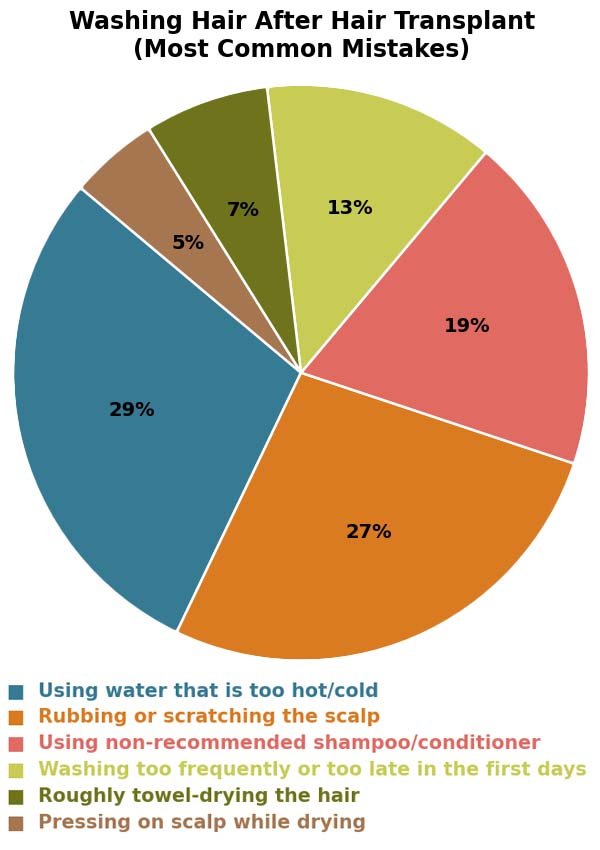
Use lukewarm water to wash your hair softly. Avoid rubbing the scalp harshly. Pat your scalp dry with a soft towel instead of rubbing. Use your fingertips to massage shampoo gently. Washing should be slow and careful to protect new grafts.
Choosing The Right Shampoo
Pick shampoos made for sensitive scalps. Look for mild, sulfate-free formulas to avoid irritation. Shampoos with natural ingredients help soothe the scalp. Avoid products with strong fragrances or dyes. These shampoos keep your scalp clean without harm.
Avoiding Harsh Chemicals
Stay away from shampoos and conditioners with alcohol. Avoid products containing parabens and sulfates. These chemicals can dry out the scalp and damage hair. Avoid hair styling products with strong chemicals. Use natural oils or gentle treatments instead.
Protecting New Hair Growth
Protecting new hair growth after a hair transplant is vital for the best results. Fresh hair follicles are delicate and need gentle care. Proper protection helps ensure strong, healthy hair development. Simple habits can prevent damage and support healing.
Minimizing Sun Exposure
Direct sunlight can harm new hair follicles. UV rays may cause irritation and slow healing. Avoid staying in the sun for long periods. If outdoors, find shade or cover your head. Limit sun exposure during peak hours, usually from 10 a.m. to 4 p.m.
Avoiding Physical Trauma
New hair grafts are fragile and sensitive. Avoid touching, scratching, or rubbing the scalp. Be gentle when washing or drying hair. Avoid tight hats or headbands that press on the scalp. Sleep on a soft pillow to reduce friction. Physical trauma can cause grafts to fall out or get damaged.
Using Protective Headwear
Wearing protective headwear shields the scalp from dust, dirt, and sun. Choose loose-fitting hats made from breathable materials. Lightweight caps or scarves work well. Change headwear often to keep it clean. Protective headwear helps maintain a healthy environment for new hair growth.
Nutrition For Hair Health
Nutrition plays a vital role in maintaining healthy hair after a transplant. The right nutrients help repair hair follicles and promote strong growth. Eating well supports the healing process and keeps hair vibrant.
Essential Vitamins And Minerals
Certain vitamins and minerals boost hair health. Vitamin A helps produce oils that keep hair moist. B vitamins, especially biotin, strengthen hair strands. Vitamin C aids collagen production for hair structure. Vitamin D supports new hair follicle growth. Iron carries oxygen to hair roots. Zinc repairs tissue and keeps oil glands working well.
Hydration And Hair Growth
Water is crucial for hair health. It keeps hair strands hydrated and flexible. Drinking enough water helps nutrients reach hair follicles. Dehydration can cause dry, brittle hair. Aim to drink plenty of fluids daily. Herbal teas and clear soups also add hydration.
Foods To Support Recovery
Choose foods rich in protein to rebuild hair. Eggs, fish, and lean meats supply essential amino acids. Leafy greens like spinach provide iron and vitamins. Nuts and seeds offer healthy fats and zinc. Fruits such as berries deliver antioxidants to protect hair cells. Avoid processed and sugary foods that may slow healing.
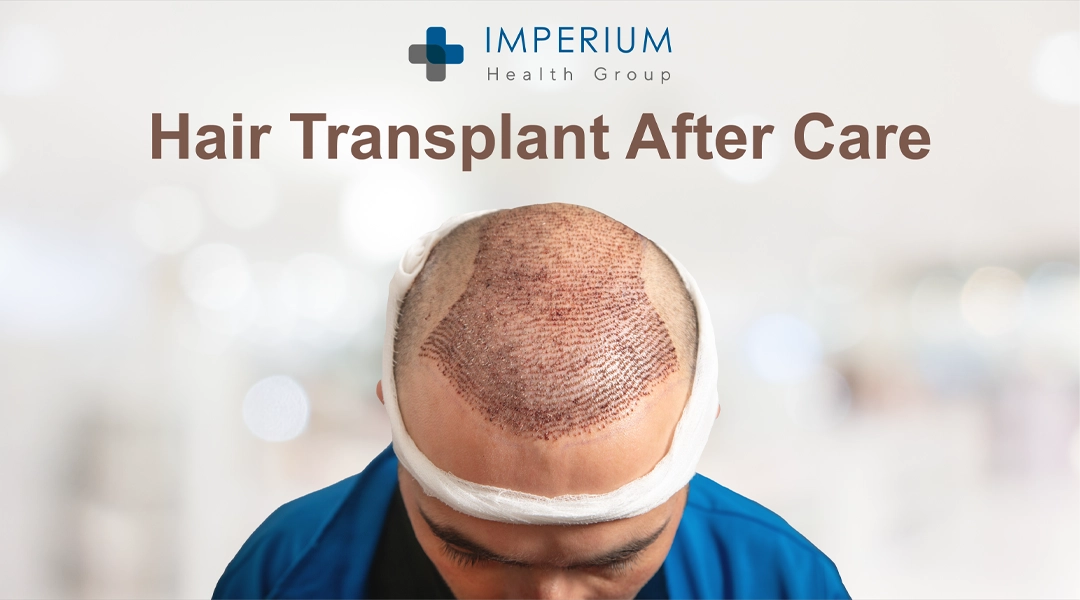
Credit: www.imperiumhealthgroup.com
Lifestyle Habits For Strong Hair
After a hair transplant, the way you live your daily life has a huge impact on how strong and healthy your new hair will grow. Simple habits can either support your hair’s strength or hold it back without you realizing. Paying attention to what you do every day helps protect your investment and boosts your confidence as you see better results.
Managing Stress Levels
Stress can slow down your hair’s growth and even cause shedding. When I started practicing mindfulness and took short breaks during busy days, I noticed my scalp felt less tense and my hair looked fuller. You don’t need complicated routines—try deep breathing, short walks, or even listening to music to calm your mind.
Ask yourself: how often do you pause to relax during your hectic schedule? Making small changes to lower stress can have a surprising effect on your hair’s health.
Regular Exercise Benefits
Exercise isn’t just good for your body; it improves blood flow to your scalp, delivering nutrients that your hair follicles need. After adding a simple morning jog to my routine, my hair felt thicker and grew faster. You can start with 20 minutes a day—walking, cycling, or yoga all work well.
Think about your current activity level—could a little movement each day help your hair grow stronger? Regular exercise also helps balance hormones, which plays a key role in hair health.
Avoiding Smoking And Alcohol
Smoking reduces oxygen and nutrients reaching your scalp, while alcohol can dehydrate your body and hair follicles. Cutting back on these habits made a noticeable difference in my hair’s shine and texture. Even reducing consumption rather than quitting completely can support better hair growth.
Consider how often you smoke or drink and what changes you can make today. Protecting your new hair means treating your body as a whole, not just the scalp.
When To Seek Professional Advice
Knowing when to seek professional advice after a hair transplant can make a big difference in your recovery and results. Your body is healing, but sometimes complications or unexpected issues can arise. It’s important to listen to your scalp and be aware of changes that might signal a need for expert care.
Identifying Signs Of Infection
After your transplant, some redness and swelling are normal. But if you notice increasing pain, pus, or a foul smell, these are warning signs. Fever or chills along with scalp discomfort should prompt you to contact your doctor immediately.
Don’t ignore persistent itching or unusual discharge. Early treatment can prevent infections from worsening and protect your new hair follicles. Have you ever felt unsure if your symptoms were serious enough to call your surgeon? Trust your instincts — it’s better to be safe than sorry.
Addressing Unusual Hair Loss
Shedding is expected in the weeks after your transplant, but losing large clumps of hair or seeing bald patches is not. If your hair falls out abruptly or in an uneven pattern, seek advice promptly.
Your specialist can determine if this is normal shock loss or something needing medical attention. Waiting too long might affect the success of your transplant. Ask yourself: is my hair loss following the expected timeline, or does it feel off?
Follow-up Care And Checkups
Regular follow-up appointments are key to tracking your progress and catching problems early. Your doctor will examine your scalp, assess hair growth, and provide tailored advice during these visits.
Don’t skip these checkups, even if your scalp feels fine. They are opportunities to ask questions and adjust your care plan. Have you scheduled your next appointment yet?
Credit: www.saraswathospital.com
Frequently Asked Questions
How Soon Can I Wash My Hair After A Transplant?
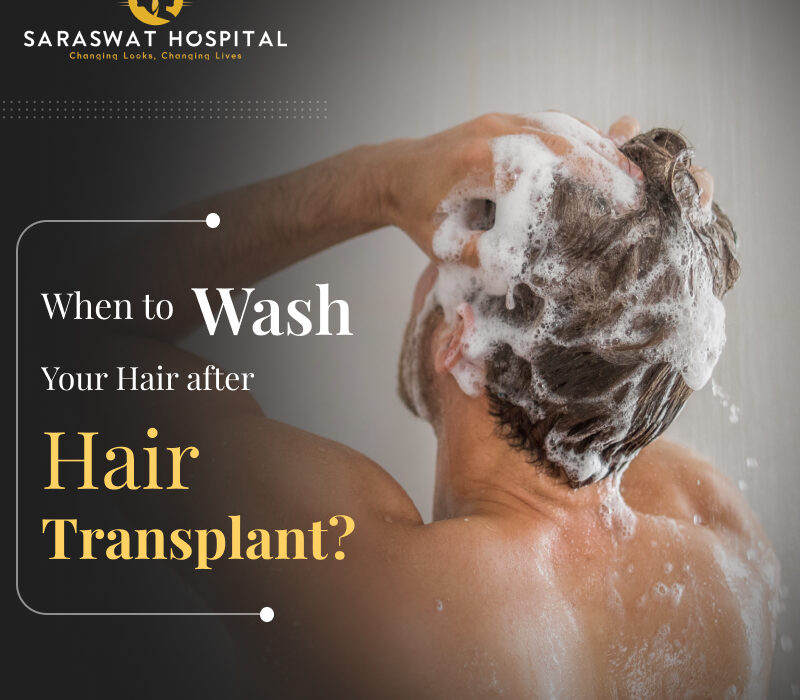
You should wait at least 48 hours before washing your hair. Use a gentle, mild shampoo and avoid direct water pressure on the scalp. Follow your surgeon’s specific instructions to ensure proper healing and avoid damaging the grafts.
What Hair Products Are Safe After A Hair Transplant?
Use mild, sulfate-free shampoos and avoid harsh chemicals. Avoid styling products like gels or sprays for at least two weeks. Stick to doctor-recommended products to prevent irritation and support healing.
When Can I Resume Normal Hair Care Routine?
Wait 10-14 days before resuming your regular hair care routine. Avoid harsh treatments like coloring or perming for at least one month. Always consult your surgeon before reintroducing any hair care practices.
How To Protect Transplanted Hair From Sun Exposure?
Avoid direct sun exposure for at least one month post-transplant. Wear a loose hat or use a sunscreen spray on your scalp. Excessive UV rays can damage healing grafts and slow recovery.
Conclusion
Caring for your hair after a transplant is crucial. Follow your doctor’s advice. Use gentle shampoos and conditioners. Avoid exposing your scalp to direct sunlight. Protect your hair from heat styling tools. Be patient, as results take time. Nourish your body with healthy foods.
Hydrate by drinking enough water daily. Remember, good care leads to better outcomes. Consistency is key to maintaining healthy hair. Stay informed and adjust your routine as needed. Celebrate every small progress. Enjoy your journey to fuller, healthier hair.