Are you tired of dealing with bad hair days and endless frustration with your locks? You’re not alone.
Hair care can often feel like a tricky puzzle, with so many products and tips out there that it’s hard to know what really works. But imagine waking up each day to hair that looks and feels healthy, vibrant, and full of life.
Sounds wonderful, right? In this guide, you’ll discover the secrets to unlocking your hair’s true potential. These expert tips are designed to simplify your routine and enhance your natural beauty. Ready to transform your hair game? Let’s dive in and find out how you can achieve the luscious locks you’ve always dreamed of.
Credit: motherszones.com
Daily Hair Care Habits
Daily hair care habits keep hair healthy and strong. Small routines protect hair from damage. Consistent care helps hair look shiny and feel soft. These habits suit all hair types and textures. Simple steps make a big difference over time.
Choosing The Right Shampoo And Conditioner
Select shampoo and conditioner based on hair type. For oily hair, choose a clarifying shampoo. Dry hair needs moisturizing formulas. Color-treated hair requires gentle, sulfate-free products. Avoid harsh ingredients that strip natural oils.
Look for products with natural oils and vitamins. These nourish hair and scalp deeply. Use conditioner mainly on hair ends. Too much conditioner on roots can cause greasiness.
Proper Washing Techniques
Wet hair thoroughly before shampooing. Use lukewarm water to protect scalp and strands. Apply shampoo gently with fingertips, not nails. Massage scalp in circular motions to boost circulation.
Rinse shampoo out completely. Leftover shampoo causes buildup and itchiness. Apply conditioner from mid-length to ends. Leave it on for a few minutes for best results. Rinse hair with cool water to seal the cuticle and add shine.
Detangling Without Damage
Detangle hair when damp, not soaking wet. Use a wide-tooth comb or detangling brush. Start combing from the ends, moving upwards slowly. Avoid pulling or tugging hard on knots.
Apply a leave-in conditioner or detangler spray for easier combing. Be gentle to reduce breakage and split ends. Regular detangling keeps hair smooth and manageable.
Nourishing Your Hair
Nourishing your hair is essential to keep it strong, shiny, and healthy. Proper care starts from understanding what your hair truly needs. Small changes in your routine can make a big difference in how your hair looks and feels every day.
Essential Nutrients For Hair Health
Your hair needs specific nutrients to grow and stay healthy. Protein, especially keratin, forms the structure of your hair, so eating enough protein-rich foods helps prevent breakage.
Vitamins like A, C, D, and E, along with minerals such as iron and zinc, support scalp health and hair growth. Have you checked if your diet includes these key nutrients recently?
- Protein:Eggs, fish, beans
- Vitamin A:Carrots, sweet potatoes
- Vitamin C:Citrus fruits, strawberries
- Iron:Spinach, red meat
- Zinc:Nuts, seeds
Hydrating Masks And Treatments
Dry hair can feel brittle and lifeless. Using hydrating masks regularly replenishes moisture and adds softness.
Try applying a deep conditioning mask once a week. Ingredients like aloe vera, honey, and avocado work well to restore hydration.
Have you noticed how your hair responds after a good mask treatment? Your hair will thank you with improved texture and bounce.
Benefits Of Natural Oils
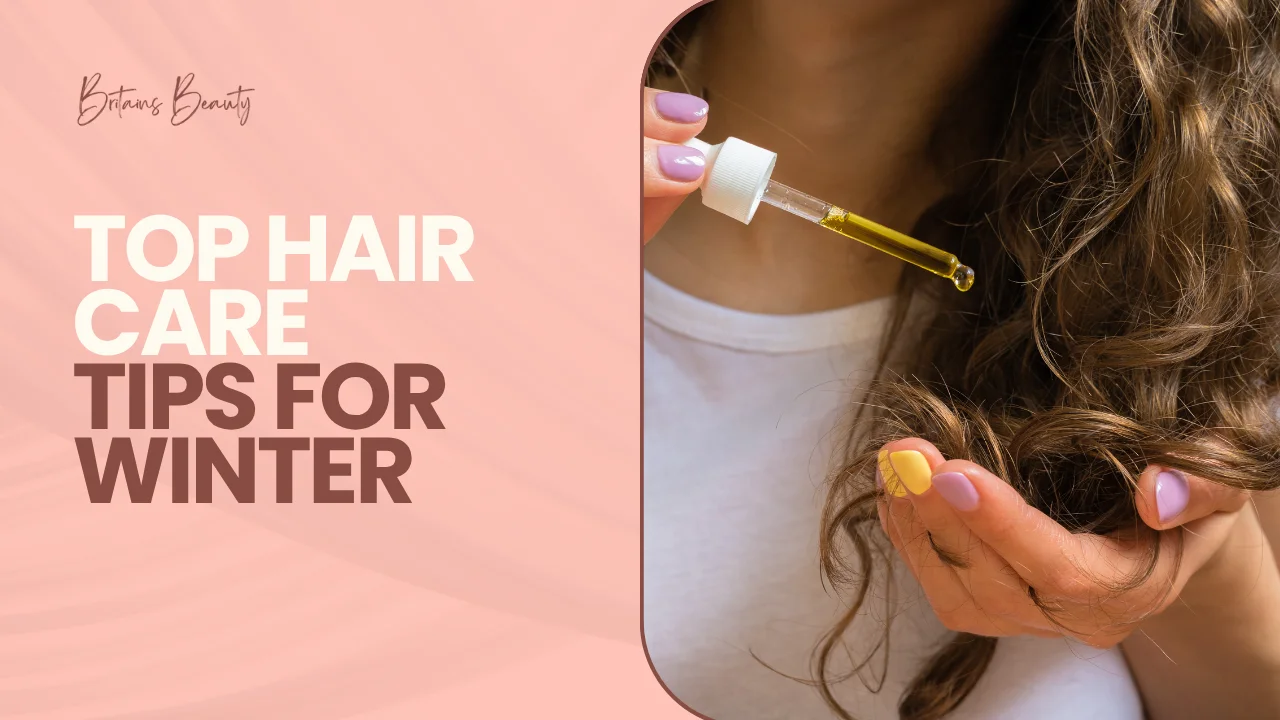
Natural oils are a simple way to nourish your hair without harsh chemicals. Coconut oil, argan oil, and jojoba oil can protect and add shine.
Applying a few drops to the ends prevents split ends and reduces frizz. Oils also lock in moisture, especially if your hair tends to dry out quickly.
What natural oil have you tried that made a noticeable difference in your hair’s health? Sometimes, the solution is right in your kitchen.
Styling Tips For Healthy Hair
Styling hair can make you look great but can also cause damage. Follow simple tips to keep hair healthy and stylish. Protect hair from heat and use gentle tools to avoid breakage. Limit styling to let hair rest and grow strong.
Heat Protection Strategies
Heat can dry and break hair quickly. Use a heat protectant spray before styling. Choose products with ingredients that shield hair from high temperatures. Always set tools like straighteners or curling irons to a low or medium heat. Avoid using heat on wet hair to reduce damage.
Gentle Styling Tools
Select brushes and combs that do not pull hair. Wide-tooth combs work well for detangling wet hair. Soft-bristle brushes reduce scalp irritation and hair breakage. Use hair ties that do not snag or pull hair strands. Avoid metal clips that can damage hair cuticles.
Avoiding Overstyling
Styling hair every day can cause dryness and split ends. Give hair breaks from heat and tight hairstyles. Try loose styles that do not stress hair roots. Wash hair less frequently to keep natural oils. Use natural oils or leave-in conditioners to nourish hair.
Credit: britainsbeauty.com
Protecting Hair From Environmental Damage
Hair faces many threats from the environment every day. Sunlight, humidity, and pollution can weaken strands and cause damage. Protecting hair from these factors helps keep it healthy and strong.
Shielding From Sun Exposure
Sun rays can dry out hair and fade color. Wearing hats or scarves offers a simple shield. Use hair products with UV filters to block harmful rays. Avoid long hours under direct sunlight to reduce damage. Keep hair moisturized to prevent dryness caused by sun exposure.
Managing Humidity Effects
Humidity makes hair frizzy and hard to style. Use anti-frizz serums or leave-in conditioners to control moisture. Choose hairstyles that hold well in humid weather. Keep hair clean to avoid excess oil and sweat buildup. Regular trims help prevent split ends worsened by humidity.
Preventing Pollution Damage
Pollution deposits dirt and toxins on hair strands. Wash hair regularly with gentle shampoo to remove pollutants. Use protective sprays that form a barrier against dirt. Cover hair with scarves or caps in polluted areas. Deep conditioning treatments repair damage caused by pollution.
Hair Care For Different Hair Types
Hair care varies widely depending on hair type. Each hair type needs special attention to stay healthy and look its best. Understanding your hair type helps in choosing the right products and routines. This section covers tips for curly, fine and thin, and thick and coarse hair. Follow these simple steps to improve your hair care routine.
Tips For Curly Hair
Curly hair tends to be dry and fragile. Moisture is essential to keep curls soft and defined.
- Use sulfate-free shampoos to avoid dryness.
- Condition hair deeply at least once a week.
- Detangle gently with a wide-tooth comb while wet.
- Apply leave-in conditioners to reduce frizz.
- Limit heat styling to protect curls.
Care For Fine And Thin Hair
Fine and thin hair needs volume without weighing it down. Lightweight products work best.
- Choose volumizing shampoos and conditioners.
- Avoid heavy oils and creams that cause buildup.
- Use a gentle scalp massage to boost circulation.
- Blow dry hair upside down for added volume.
- Trim regularly to prevent split ends.
Managing Thick And Coarse Hair
Thick and coarse hair often requires more moisture and control. Proper care makes it manageable and smooth.
- Use rich, hydrating shampoos and conditioners.
- Apply hair oils or serums to lock in moisture.
- Detangle hair gently to avoid breakage.
- Try deep conditioning treatments weekly.
- Consider protective hairstyles to reduce damage.
Addressing Common Hair Problems
Common hair problems can cause frustration and affect your confidence. Understanding these issues helps you choose the right care. Simple changes in routine improve hair health and appearance.
Tackling Hair Loss
Hair loss affects many people and can start at any age. Stress, poor diet, and harsh treatments often cause it. Use gentle shampoos and avoid tight hairstyles. Eating foods rich in vitamins supports hair growth. Massage your scalp to boost blood flow and stimulate follicles.
Reducing Dandruff
Dandruff causes itching and flakes on the scalp. Dry skin, oily scalp, or fungal infections trigger it. Wash hair regularly with anti-dandruff shampoos containing zinc or ketoconazole. Avoid scratching to prevent irritation. Keep your scalp moisturized with natural oils like coconut or tea tree.
Handling Split Ends
Split ends make hair look dry and damaged. Heat styling and chemical treatments worsen this problem. Trim your hair every 6-8 weeks to remove split ends. Use conditioners and hair masks to nourish strands. Avoid brushing wet hair roughly to prevent breakage.
Lifestyle Choices For Better Hair
Your daily habits play a crucial role in the health of your hair. Simple lifestyle adjustments can make a noticeable difference in texture, strength, and shine. Let’s look at key areas you can control to improve your hair from the inside out.
Impact Of Diet And Hydration
Your hair needs nutrients just like the rest of your body. Proteins, vitamins A, C, D, and E, iron, and omega-3 fatty acids support hair growth and prevent breakage.
Think about your meals—are you eating enough leafy greens, nuts, fish, and lean meats? Adding these foods can boost your hair’s resilience.
Hydration matters, too. Drinking enough water keeps your scalp moisturized and helps your hair stay soft and flexible. Ever noticed how dry hair feels after a day without water? That’s your body signaling dehydration.
Stress Management Techniques
Stress can trigger hair loss or slow down growth. When you feel overwhelmed, your body produces hormones that affect your hair follicles negatively.
Simple techniques like deep breathing, yoga, or even a short daily walk can reduce stress levels. I found that setting aside just 10 minutes for meditation helped me avoid hair fallout during stressful times.
Ask yourself: what stress-reducing activity fits easily into your routine? Small changes here can protect your hair from damage caused by tension.
Sleep And Hair Growth
Sleep is more powerful than you might think for hair regeneration. During deep sleep, your body repairs cells and stimulates hair follicle activity.
Lack of sleep can disrupt this process, leading to thinning or dull hair. I noticed my hair looked healthier and stronger after a few weeks of consistent 7-8 hours of sleep.
Try to establish a regular sleep schedule and create a calming bedtime ritual. How much better would your hair look if you prioritized sleep just like your skin care?
Credit: medium.com
Frequently Asked Questions
How Often Should I Wash My Hair For Healthy Growth?
Washing hair 2-3 times a week balances cleanliness and natural oils. Overwashing can strip oils, causing dryness. Use mild shampoo and conditioner suited for your hair type to maintain scalp health and promote growth.
What Are The Best Natural Oils For Hair Care?
Coconut, argan, and jojoba oils are excellent for hair nourishment. They moisturize, reduce frizz, and improve shine. Regular oiling strengthens hair and prevents breakage, supporting overall hair health naturally.
Can Diet Impact Hair Health And Growth?
Yes, a balanced diet rich in vitamins and minerals boosts hair health. Protein, iron, vitamin E, and omega-3 fatty acids are vital. Eating nutrient-dense foods supports stronger, shinier hair and reduces hair loss risks.
How Can I Prevent Hair Damage From Heat Styling?
Use heat protectant sprays before styling tools. Keep heat settings low to medium. Limit heat exposure and avoid daily use. These steps minimize damage and maintain hair strength and moisture.
Conclusion
Healthy hair needs care and attention every day. Use gentle products and avoid harsh chemicals. Drink water and eat foods rich in vitamins. Trim your hair regularly to keep it strong. Protect hair from heat and sun damage. Small changes make a big difference in hair health.
Stay patient and consistent with your routine. Enjoy the natural beauty of your hair. Good hair care leads to confidence and shine. Keep these simple tips in mind for lasting results.
